Some journeys begin with a desperate yearning, a pull towards something imagined to be better, only to reveal themselves as pathways to a deeper darkness. Ley Lines (1999, or Nihon Kuroshakai) doesn't just depict such a journey; it drags you down into the grimy asphalt heart of it, leaving you stained with the grit and hopelessness of Tokyo's underbelly. Watching it back then, maybe on a slightly fuzzy nth-generation tape procured from a specialist shop or a daring rental store corner, felt like tapping into a raw, unfiltered frequency of filmmaking – the kind that Hollywood wouldn't dare broadcast.
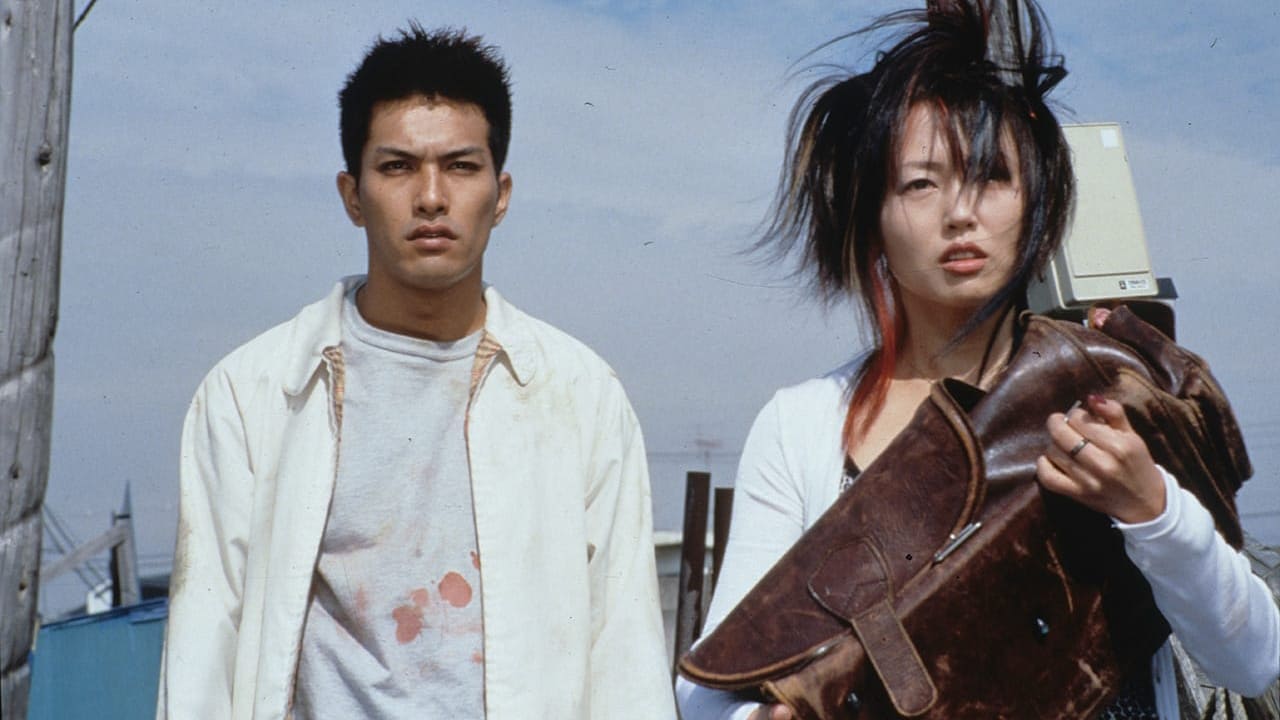
The Mirage of Shinjuku
The film follows Ryuichi (Kazuki Kitamura, who would become a Miike regular and later star in films like Kill Bill: Vol. 1), a young man of mixed Chinese-Japanese heritage, who escapes his stifling rural upbringing with two friends. Their destination: Shinjuku, Tokyo. Their dream: smuggle themselves to Brazil, the promised land. But Shinjuku isn't a gateway; it's a grinder. They quickly fall into the orbit of crime, petty scams escalating into dangerous confrontations with the local Chinese mafia, led by the chillingly unpredictable Wong (Tomorowo Taguchi, another familiar face for fans of Japanese cult cinema, notably Tetsuo: The Iron Man). Alongside Anita (Dan Li), a prostitute desperate for her own escape, they form a fragile, volatile family unit, bound by shared alienation and increasingly doomed aspirations.
Miike Unleashed: The V-Cinema Cauldron

This wasn't Takashi Miike politely knocking on the door of Japanese cinema; this was him kicking it down with steel-toed boots, fueled by the relentless energy of the V-Cinema (direct-to-video) market that defined much of his 90s output. Ley Lines arrived as the powerful conclusion to his unofficial Black Society Trilogy, following Shinjuku Triad Society (1995) and Rainy Dog (1997). You can feel the constraints of low-budget, rapid-fire filmmaking baked into its DNA – the handheld immediacy, the sometimes rough-around-the-edges feel – but Miike transforms these limitations into strengths. There’s an undeniable, visceral energy here, a sense that anything could happen because, frankly, the rules were looser, the turnaround faster. It's a testament to Miike's burgeoning style, already showcasing his unflinching gaze towards violence and societal fringes, themes he'd explore with even greater extremity in later works like Audition (also 1999) and Ichi the Killer (2001).
The shoot itself likely mirrored the chaos on screen. Miike was known for his lightning-fast production schedules during this era, sometimes juggling multiple films at once. Imagine the kinetic energy on those Shinjuku streets, capturing the city's vibrant pulse and its shadowy corners with a guerrilla filmmaking spirit. This wasn't polished studio fare; it felt ripped directly from the pavement, imbued with the anxieties of Japan at the turn of the millennium.
A Bleak Beauty in the Breakdown
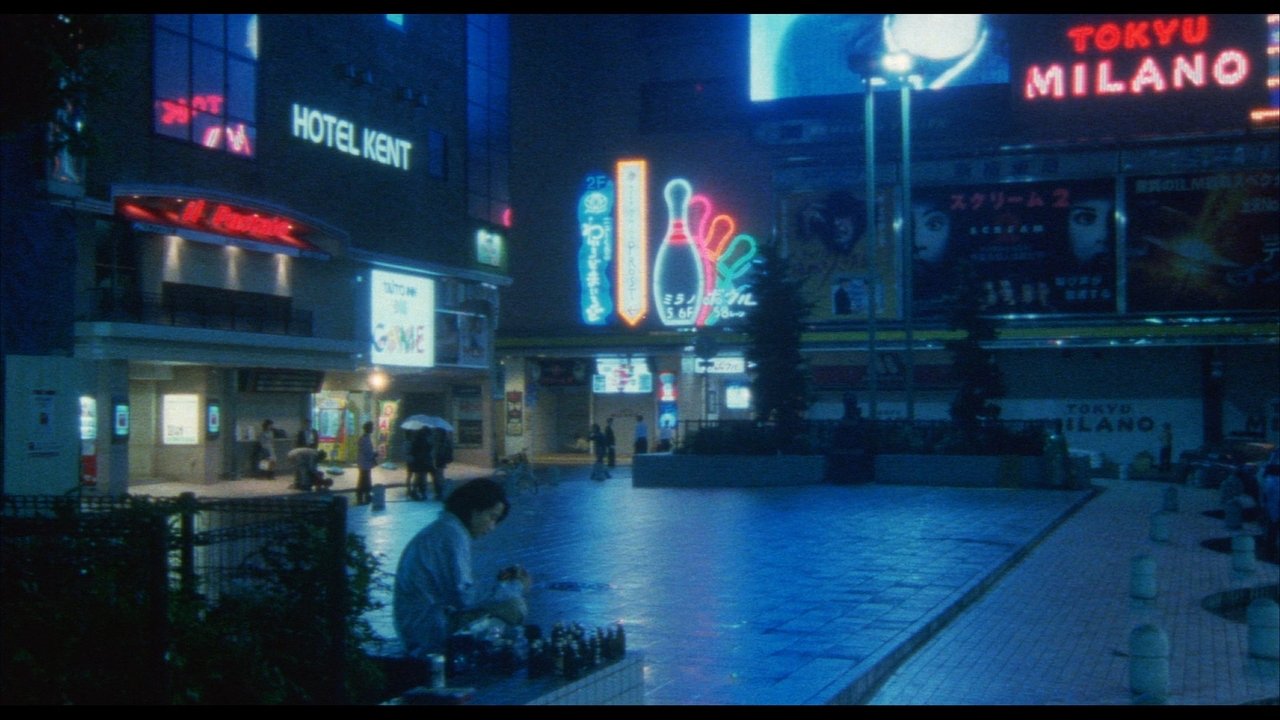

What truly elevates Ley Lines beyond mere exploitation is its raw emotional core. Kazuki Kitamura delivers a star-making performance as Ryuichi, simmering with frustration, rage, and a flicker of vulnerability beneath the tough exterior. His character embodies the film's central tragedy: the outsider caught between worlds, belonging nowhere, desperately seeking an identity that keeps slipping through his fingers. The discrimination faced by the Chinese characters, both from Japanese society and within the criminal underworld itself, adds a layer of poignant social commentary often lurking beneath the surface of Miike’s genre work.
The violence, when it erupts, is sudden, messy, and devoid of glamour. It’s the desperate flailing of cornered animals, not the stylized ballet of mainstream action. Remember that scene involving the makeshift weapon? It wasn't cool; it was ugly, necessary, and underscored the characters' utter lack of options. Miike forces you to confront the consequences, the human cost of their downward spiral. Yet, amidst the bleakness, there are moments of unexpected tenderness – the shared meal, the fleeting laughter, the doomed loyalty of their makeshift family. It’s this contrast that makes the inevitable gut-punch land so hard.
Retro Fun Facts Corner
- Trilogy Tie-In: While narratively distinct, Ley Lines shares thematic concerns and the Shinjuku setting with Shinjuku Triad Society and Rainy Dog, exploring the lives of marginalized figures (often of Chinese descent) within Japan's criminal landscape.
- Budget & Style: Like many V-Cinema productions, Ley Lines was made on a shoestring budget, forcing creative solutions and contributing to its gritty, realistic aesthetic. This rapid production environment honed Miike’s distinctive, energetic style.
- Kitamura's Intensity: Kitamura reportedly threw himself into the role, embodying the character's volatile mix of aggression and vulnerability that would become one of his trademarks. His physical presence is undeniable.
- Global Discovery: While a V-Cinema release in Japan, Ley Lines, alongside Audition, helped introduce Miike to international audiences in the late 90s and early 00s, often discovered through film festivals or imported VHS/DVDs, building his cult following.
The Lasting Echo
Ley Lines isn't an easy watch. It's raw, often brutal, and steeped in a profound sense of nihilism. The ending offers no comfort, no easy resolution. It simply… stops, leaving you with the chilling finality of choices made and paths irrevocably taken. Revisiting it now, the low-budget aesthetic feels less like a limitation and more like a deliberate stylistic choice, perfectly capturing the desperation and decay at the story's core. It lacks the flamboyant extremity of some later Miike works, but its power lies in its grounded despair and the haunting performances. Doesn't that final shot linger with you, a stark reminder of dreams dissolving into harsh reality?

VHS Heaven Rating: 8/10
Justification: Ley Lines earns an 8 for its raw, uncompromising energy, Takashi Miike's distinctive early style, and Kazuki Kitamura's powerful lead performance. It effectively utilizes its low-budget V-Cinema origins to create a gritty, atmospheric, and emotionally resonant portrait of alienated youth trapped in a criminal dead end. While its relentless bleakness and rough edges might not appeal to everyone, it stands as a vital piece of 90s Japanese cult cinema and a key work in Miike's formidable filmography. The points are docked slightly for potential pacing issues inherent in some V-Cinema and its almost overwhelming sense of despair, which can be challenging.
Final Thought: More than just a crime flick, Ley Lines is a potent dose of late-90s existential dread served straight-up, a reminder from the VHS vaults that sometimes the most terrifying monsters are the dead ends we build for ourselves.