You can feel the heat lightning crackle just beneath the surface from the opening frames. There’s an intensity to 1997’s The Apostle that doesn’t just grab you; it takes hold with the fervor of the very sermons it depicts. It’s a film less watched and more experienced, a deep dive into the turbulent soul of a man wrestling with God, the Devil, and his own deeply flawed nature. Forget the slick actioners or breezy comedies that often filled the shelves at Blockbuster; finding this tape felt like uncovering something raw, powerful, and undeniably real.
A Preacher's Fiery Fall and Unexpected Rise
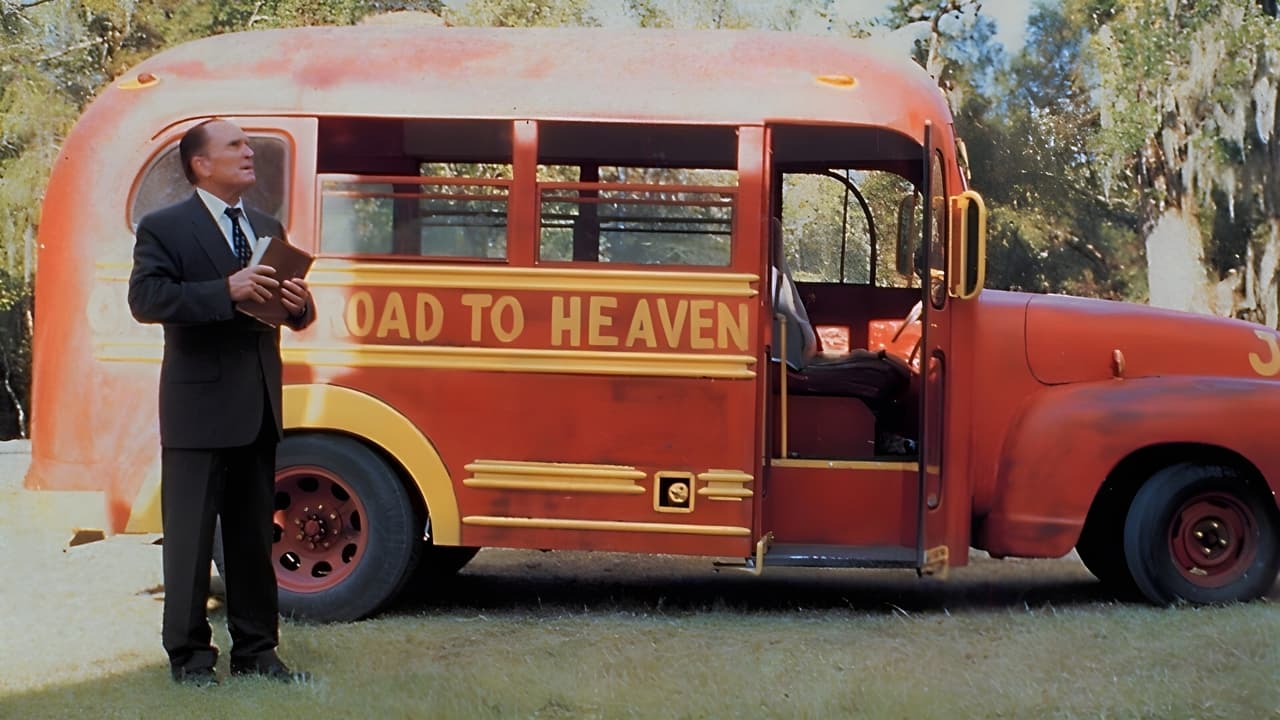
At the heart of this storm stands Euliss "Sonny" Dewey, portrayed by Robert Duvall in a performance that feels less like acting and more like channeling. Sonny is a charismatic, successful Pentecostal preacher in Texas, but his world unravels when he discovers his wife Jessie (Farrah Fawcett, in a role that strips away glamour to reveal aching vulnerability) is having an affair with a youth minister. In a fit of rage fueled by booze and betrayal, Sonny commits a shocking act of violence, forcing him to flee, abandon his identity, and seek refuge deep in the bayous of Louisiana. There, under the assumed name "Apostle E.F.," he sets out to build a new church, pouring his volatile energy into saving souls, even as his own remains perilously balanced.
Duvall's Magnum Opus
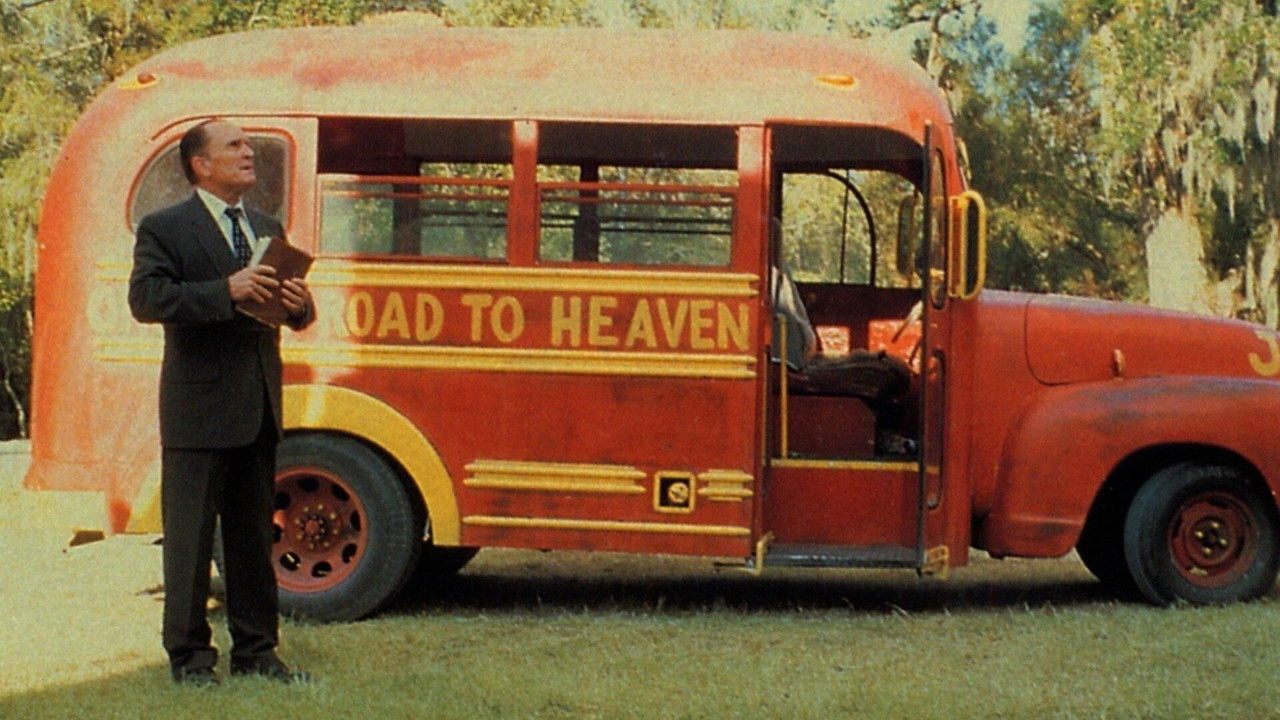
It’s impossible to discuss The Apostle without centering on Robert Duvall. This wasn't just another role for him; it was a consuming passion project he nurtured for over a decade. Frustrated by Hollywood's reluctance, Duvall famously put up $5 million of his own money to get the film made, writing, directing, and starring in it. You feel that personal investment in every frame. His Sonny is a whirlwind – magnetic, genuinely devout, capable of electrifying oratory that could make the rafters shake, yet also prone to simmering violence, vanity, and profound self-deception. It’s a performance devoid of judgment, presenting Sonny in all his contradictions. We see the good he does in his new community, the genuine faith that drives him, but Duvall never lets us forget the darkness simmering beneath. It earned him a much-deserved Oscar nomination for Best Actor, and frankly, it stands as one of the towering performances of the 90s, perhaps his entire career – rivalling even his iconic work in films like The Godfather (1972) or Tender Mercies (1983).
Authenticity Woven into the Fabric
What elevates The Apostle beyond just a character study is its unwavering commitment to authenticity. Duvall filmed on location in Louisiana, immersing the production in the actual culture it portrays. He masterfully blends his professional cast – including a subtly effective Billy Bob Thornton (riding high from his own indie success with Sling Blade the year prior) and the ever-reliable Miranda Richardson – with numerous non-professional actors drawn from local congregations. This decision infuses the church scenes with an incredible energy; the gospel music, the impassioned responses, the very atmosphere feels utterly genuine, not staged. You're not watching actors pretend to be in a revival meeting; you feel like you’ve stepped into one. Even June Carter Cash makes a poignant appearance, adding another layer of lived-in reality. This commitment wasn't easy; Duvall reportedly spent years researching Pentecostal communities to ensure his portrayal was respectful and accurate, even while unflinchingly depicting his protagonist's sins.
Faith, Flaws, and Uncomfortable Questions
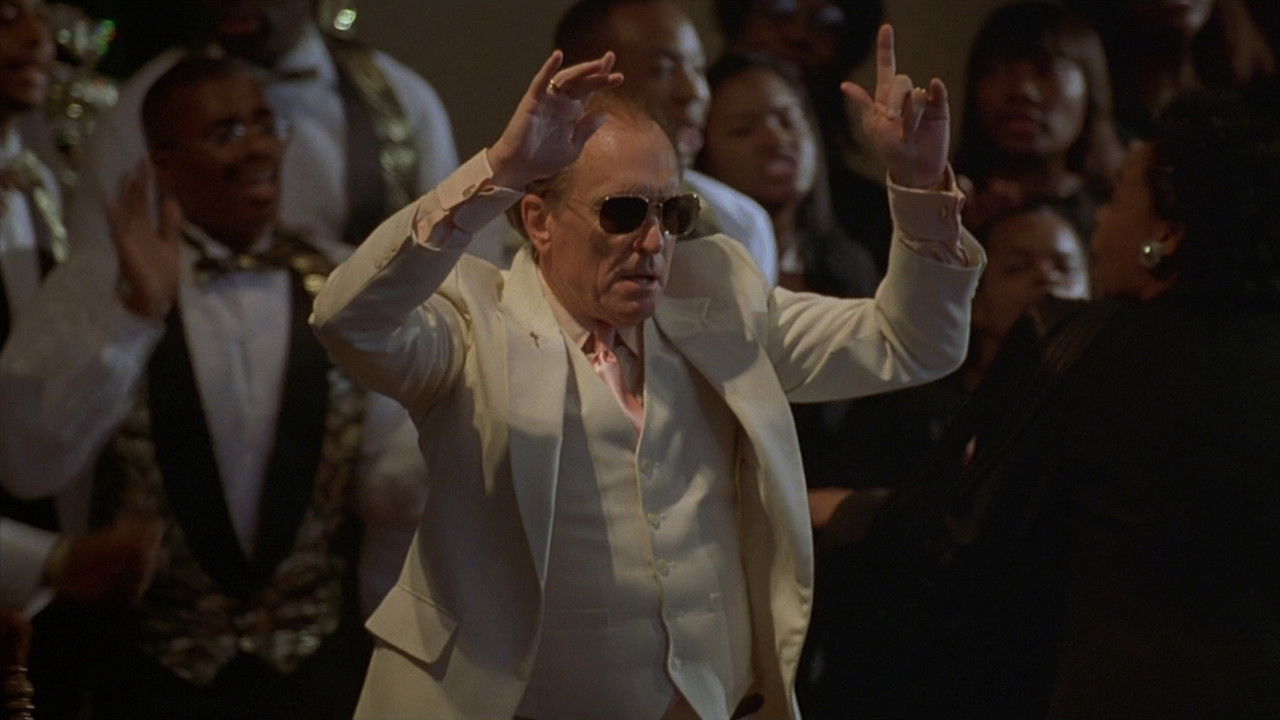
The Apostle doesn’t offer easy answers. It plunges headfirst into the murky waters of faith, sin, and the possibility of redemption. Can a man who commits a terrible act truly find grace? Does the good work Sonny does in Louisiana absolve him of his past? The film refuses to provide a simple verdict. Sonny remains a paradox: a vessel for divine inspiration and a conduit for destructive human impulses. Watching him preach with sweat dripping, eyes blazing, you believe in his connection to something higher. Yet, the underlying tension of his fugitive status and the violence he’s capable of never dissipates. Doesn't this complexity feel more truthful than simplistic tales of saints and sinners? The film forces us to confront the uncomfortable reality that faith and fallibility often reside within the same human heart.
A Standout from the 90s Pack
I remember renting this tape, probably from a smaller, independent video store known for carrying more than just the latest blockbusters. It felt different. In an era often dominated by irony, CGI spectacles, and genre riffs, The Apostle stood out for its earnestness, its grit, and its singular focus. Duvall’s direction is unfussy, often employing handheld cameras that give it a documentary-like immediacy. The power lies not in flashy technique, but in the raw emotion captured on screen, the lived-in details of the settings, and the unwavering gaze on its complex central figure. It achieved modest success at the box office, grossing around $21.3 million, proving there was an audience hungry for challenging, adult-oriented drama.
---
Rating: 9/10
This score reflects the sheer force of Robert Duvall's monumental achievement – not just his unforgettable performance, but his tenacity in bringing this deeply personal, authentic vision to life. The film's unflinching honesty, its complex portrayal of faith and human frailty, and its incredible sense of place make it a standout piece of 90s independent cinema. It loses a single point only perhaps because its singular, intense focus might feel overwhelming or its pacing deliberately measured for some viewers, but its power is undeniable.
The Apostle lingers long after the credits roll, leaving you contemplating the tangled nature of belief, forgiveness, and the desperate, often contradictory ways we search for meaning. It’s a film that truly gets under your skin, much like the humid Louisiana air it so vividly captures.