Some characters imprint themselves so deeply on our cinematic consciousness that revisiting them feels less like watching a sequel and more like checking in on an old, complicated friend. Aurora Greenway is undoubtedly one of those characters. Thirteen years after Shirley MacLaine immortalized her fiery spirit and complex maternal bonds in Terms of Endearment (1983), earning a well-deserved Oscar, she returned in The Evening Star. Picking up this VHS tape back in '96, or perhaps renting it hoping for that same lightning strike twice, felt like stepping back into a familiar, albeit older, living room. The question lingered then, as it does now: can time truly be kind to such a monumental legacy?
Echoes of the Past, Shadows of the Future
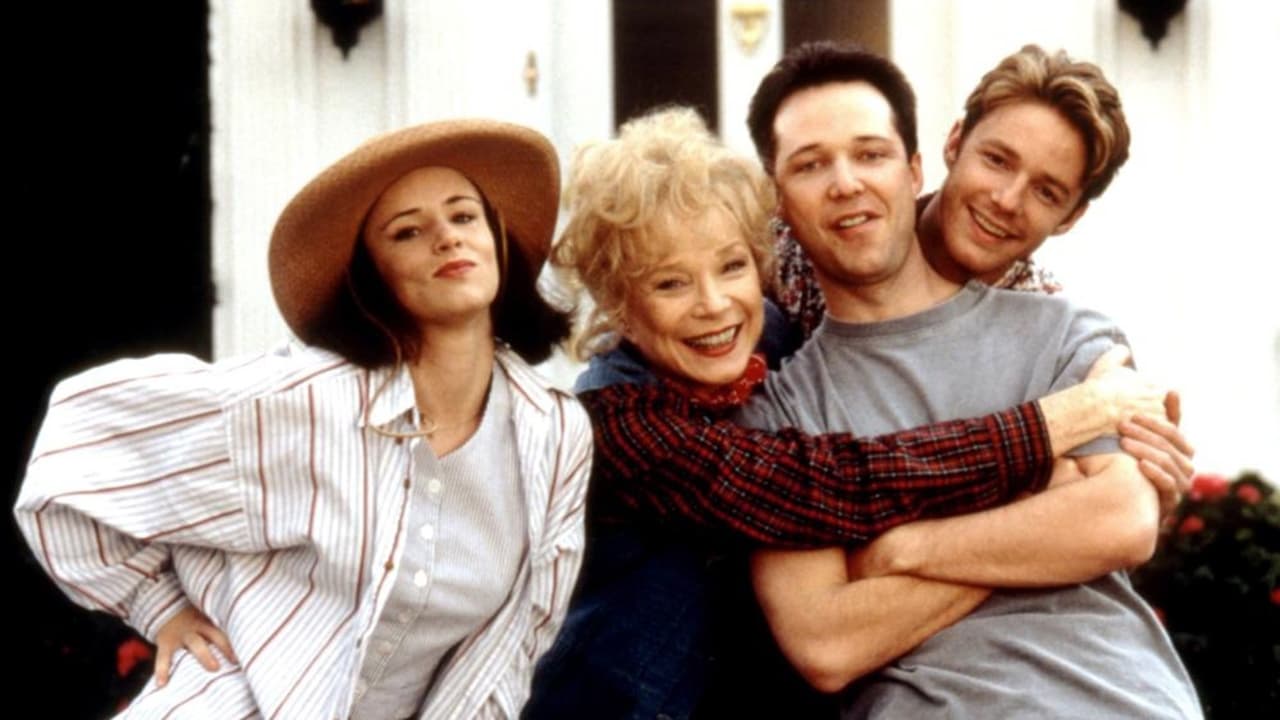
Directed and adapted by Robert Harling – a man who certainly knows his way around formidable Southern women, having penned Steel Magnolias (1989), which also starred MacLaine – The Evening Star finds Aurora navigating the messy, often frustrating terrain of her later years. The film catches up with her decades after the heart-wrenching loss of her daughter Emma. Now, she grapples with rebellious grandchildren (most notably Melanie, played with characteristic intensity by Juliette Lewis), lingering regrets, the attentions of a much younger therapist (Bill Paxton), and the ever-present spectre of aging. The shadow of Terms of Endearment looms large, not just for the audience, but seemingly for Aurora herself. It’s a film wrestling with legacy, both its own and its protagonist’s.
Aurora Unbound, Again
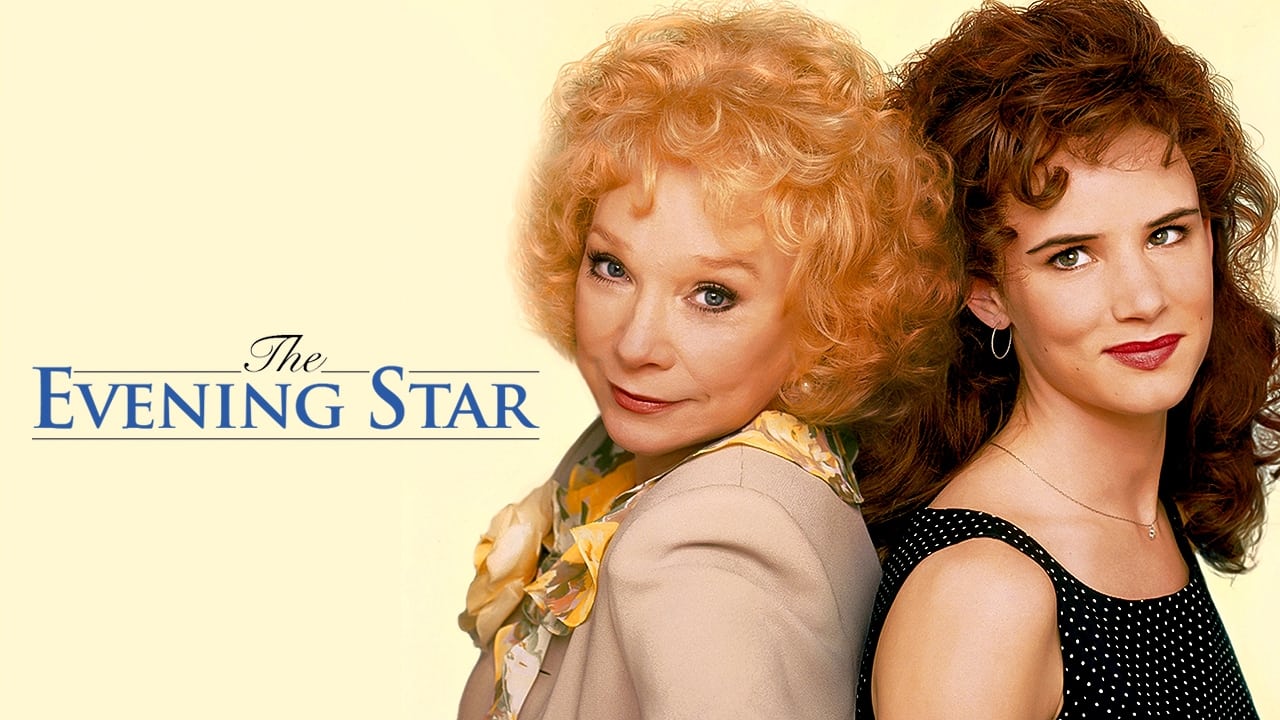
At the heart of it all, naturally, is Shirley MacLaine. Slipping back into Aurora’s skin seems effortless, yet there’s a palpable shift. The fierce vanity and sharp edges remain, but they’re tempered by a weariness, a vulnerability that feels earned. MacLaine doesn’t shy away from the less flattering aspects of aging or the loneliness that can accompany it. Watching her navigate the chaotic lives of her grandchildren – Tommy (George Newbern) drifting aimlessly and Teddy (Mackenzie Astin) incarcerated – feels authentic. She’s still meddling, still demanding, but there’s a deeper current of trying to hold onto connection, to stave off the inevitable fading of her own influence.
The supporting cast does commendable work navigating Aurora’s orbit. Juliette Lewis, always an electric presence, brings a raw energy to Melanie, whose own struggles mirror aspects of her late mother, Emma. Her scenes with MacLaine crackle with intergenerational tension and reluctant affection. Bill Paxton as Jerry, Aurora’s therapist-turned-suitor, offers a steady, grounding presence. Their dynamic explores the complexities of May-December relationships with a surprising degree of nuance, avoiding easy caricature. And it was poignant indeed to see the legendary Ben Johnson in his final film role as Arthur, Aurora's steadfast neighbor, offering quiet wisdom – a performance that gained extra weight knowing it was his last bow.
Wrestling with Ghosts (and Sequels)
Harling, working from Larry McMurtry's source novel, tries valiantly to capture the specific blend of humor and heartbreak that defined the original. There are moments where it succeeds – sharp lines of dialogue land perfectly, emotional beats resonate. However, the narrative often feels more episodic, less focused than its predecessor. It sprawls, sometimes meandering through subplots involving various suitors (including a brief, almost contractually obligated-feeling cameo from Jack Nicholson reprising Garrett Breedlove) and family crises. It's interesting to note that Nicholson reportedly required considerable persuasion (and perhaps a hefty paycheck for his short screen time) to return, highlighting the difficulty in recapturing that original magic. The film, budgeted around $27.5 million, ultimately grossed just under $13 million domestically, a far cry from the blockbuster success of Terms of Endearment ($108.4 million back in 1983!), suggesting audiences perhaps felt the magic wasn't quite there either.
Yet, to dismiss The Evening Star solely because it isn't Terms of Endearment feels reductive. What Harling achieves is a thoughtful, often moving portrait of a woman confronting her final act. The film delves into themes the original only hinted at: the specific challenges of aging alone, the search for meaning beyond romantic love, and the difficult acceptance of one's own mortality. There's a quiet dignity in its exploration of these later-life stages, something often overlooked in mainstream cinema. The Texas locations feel lived-in, contributing to the film's more grounded, less Hollywood feel compared to parts of the original.
An Imperfect Reflection
Does The Evening Star possess the raw, gut-punch power of its predecessor? Perhaps not. James L. Brooks captured lightning in a bottle with Terms, blending searing drama with laugh-out-loud comedy in a way few films manage. The Evening Star is a quieter, more melancholic affair. It’s less about life’s dramatic peaks and valleys and more about the long, slow plateau of aging, punctuated by moments of connection and reflection.
It’s a film that resonates more deeply, perhaps, as we ourselves age. The anxieties Aurora faces – about relevance, about loneliness, about leaving a mark – feel increasingly universal. I remember watching this on VHS, maybe a year or two after its theatrical run, feeling a little underwhelmed compared to the towering original. Revisiting it now, there's an appreciation for its subtleties, for MacLaine's layered performance, and for its willingness to confront the unglamorous realities of growing older.
Rating: 6/10
This score reflects a film anchored by a truly commanding central performance and possessing moments of genuine emotional honesty, but one that ultimately struggles to escape the shadow of its near-perfect predecessor and suffers from a somewhat meandering narrative. It doesn't quite capture the unique alchemy of the original, feeling more like a collection of poignant vignettes than a cohesive whole.
The Evening Star may not shine as brightly as the film that came before it, but for those invested in Aurora Greenway's journey, it offers a worthwhile, if bittersweet, final chapter – a contemplation on life after the fireworks, under the softer glow of twilight.