Some films arrive like summer blockbusters, all sound and fury, demanding attention. Others slip onto the shelf almost unnoticed, their power residing not in spectacle, but in a profound, unsettling quiet. Sling Blade belongs firmly in the latter category. Released in 1996, it was a film that didn’t shout its importance from the rooftops; instead, it drew you into its world with a quiet intensity, anchored by a central performance that remains etched in memory long after the VCR whirred to a stop. It asks us to look closely, to listen carefully, and to grapple with uncomfortable truths about human nature, kindness, and the long shadows cast by violence.

An Unforgettable Voice
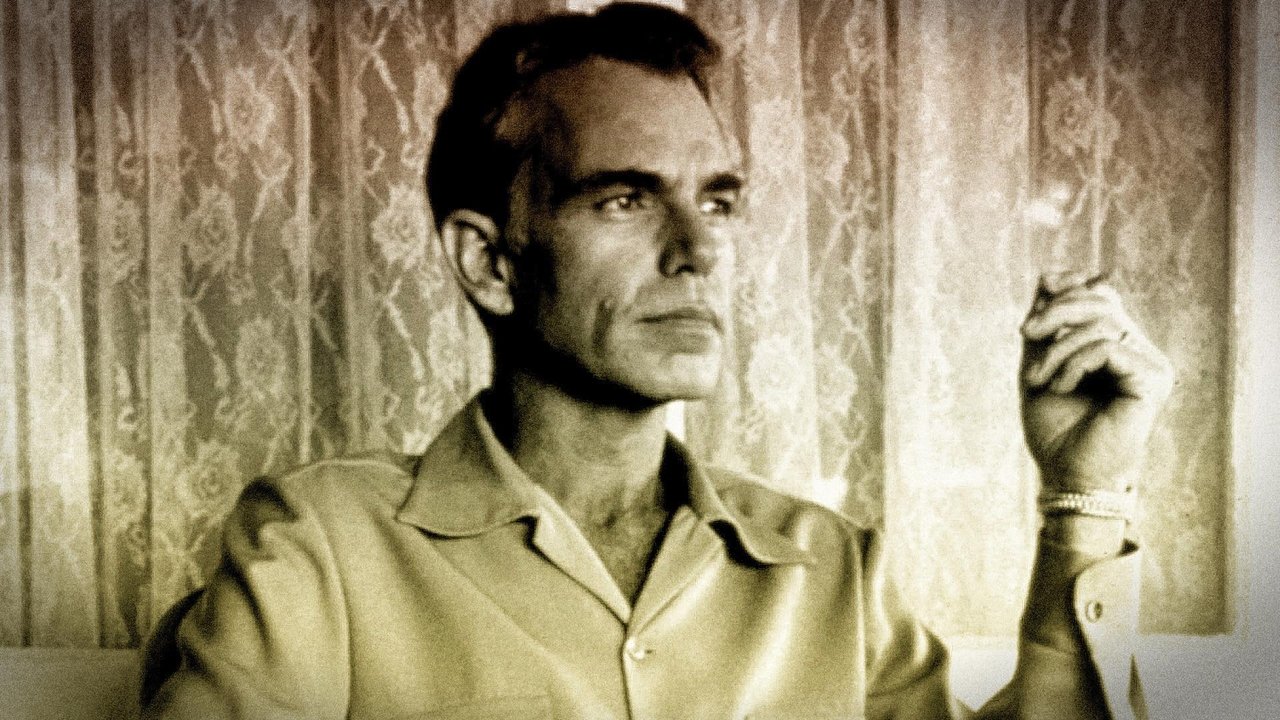
At the heart of Sling Blade is Karl Childers, played with astonishing depth and transformation by writer-director Billy Bob Thornton. Released from a psychiatric hospital decades after killing his mother and her lover as a child, Karl returns to his small Arkansas hometown. His defining characteristic isn't just his intellectual disability, but his unique voice and mannerisms – the low, gravelly monotone, the signature "Mmm-hmm," the way he processes the world with a direct, almost unnerving simplicity. Thornton, who first introduced Karl in his 1994 short film Some Folks Call It a Sling Blade, doesn't just mimic disability; he inhabits Karl. It’s a performance devoid of caricature, built on subtle physical choices and a profound understanding of the character's inner life. There’s a stillness to Karl, a sense of observation, and an inherent gentleness that makes his violent past all the more jarring – and his potential for future action deeply unsettling. You believe in Karl, you feel for him, and you fear for him, all at once.
Southern Gothic Sunlight and Shadow
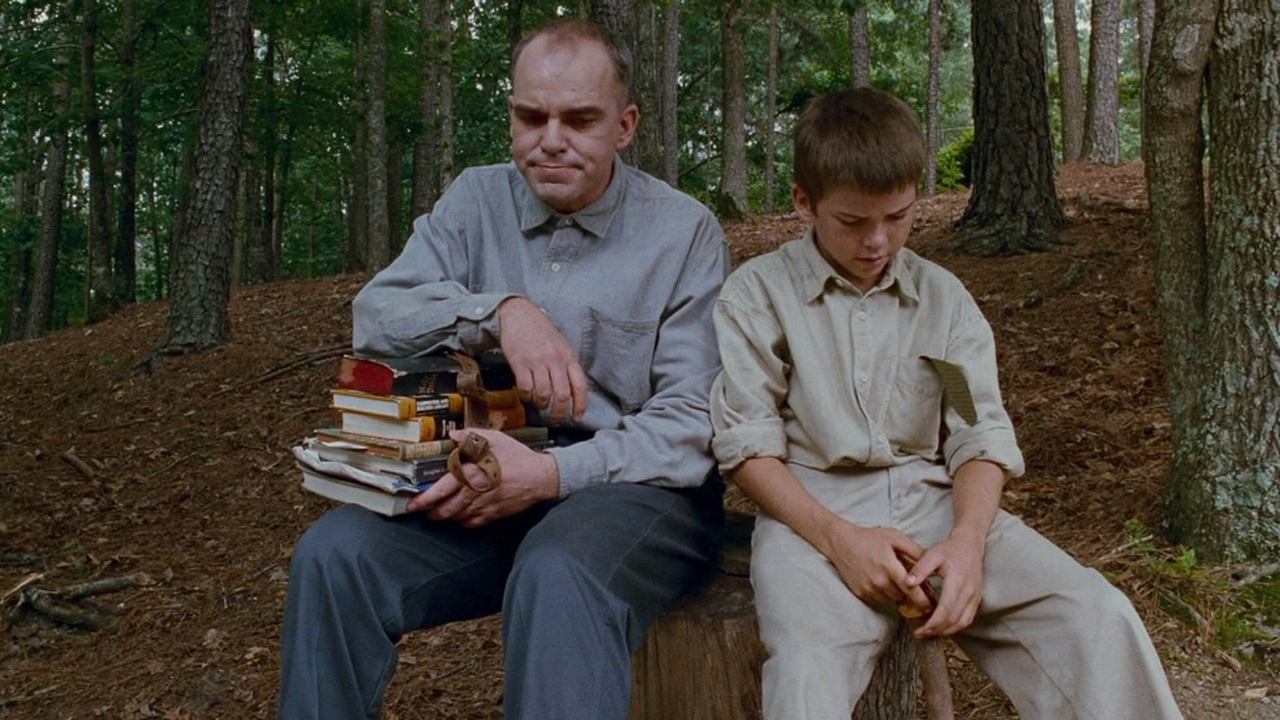
Thornton's direction masterfully crafts a specific Southern Gothic atmosphere. The film unfolds not in darkness and rain, but often under the bright Arkansas sun. Yet, beneath the surface of this seemingly ordinary small town, filmed authentically on location in Benton, Arkansas, lies a palpable tension. We meet young Frank Wheatley (a wonderfully natural Lucas Black), who quickly befriends Karl, finding in him a protector and confidant. Frank's mother, Linda (Natalie Canerday), offers Karl kindness and a place to stay, while her friend Vaughan (John Ritter), the gentle, gay manager of the dollar store, represents another form of quiet courage in a potentially hostile environment. These relationships form the film's compassionate core, showcasing moments of genuine connection and acceptance. The warmth these characters provide makes the intrusion of darkness feel even more violating.
The Menace in Plain Sight
That darkness arrives in the form of Doyle Hargraves, Linda's abusive boyfriend, played with terrifying conviction by country music star Dwight Yoakam. Doyle isn't a cartoon villain; he's a petty tyrant, fuelled by alcohol, insecurity, and a casual cruelty that feels chillingly real. Yoakam, stepping outside his musical persona, embodies the kind of everyday monster whose volatility poisons the lives around him. His scenes crackle with menace, creating an almost unbearable suspense. Watching Karl quietly observe Doyle’s abuse, knowing Karl's own history, generates a knot of dread in the viewer's stomach. What is brewing behind those watchful eyes? Equally memorable, in one of his final roles, is the great J. T. Walsh as Charles Bushman, a fellow patient at the institution Karl briefly visits. Walsh’s scene is short but electrifying, a disturbing glimpse into profound disturbance that contrasts sharply with Karl's own nature. It's a reminder of the different shapes darkness can take.
From Humble Roots to Critical Acclaim
It’s hard to overstate what Billy Bob Thornton achieved here. Sling Blade was made on a shoestring budget – reportedly around $1 million (about $1.9 million in today's money). Thornton not only directed and starred but also penned the screenplay, famously adapting it from his earlier short film. He allegedly wrote the feature script rapidly, driven by a clear vision for Karl's story. The gamble paid off spectacularly. The film earned over $24 million at the box office (around $46 million today) – a massive success for such a small independent feature. More significantly, it resonated deeply with critics and audiences, culminating in Thornton winning the Academy Award for Best Adapted Screenplay, alongside a nomination for Best Actor. Even Robert Duvall, a legend Thornton had worked with previously on The Apostle (1997), makes a brief, uncredited, but impactful appearance as Karl’s estranged father – a testament to the respect the project commanded. The film proved that powerful character studies, driven by authentic performances and thoughtful storytelling, could still find a significant audience.
The Weight of Choice
Sling Blade isn't just a character portrait; it's a meditation on cycles of violence, the possibility of redemption, and the difficult choices made in the name of protection. Karl's simple worldview cuts through societal complexities. He sees the threat Doyle poses to Frank and Linda with absolute clarity. The film doesn't offer easy answers about morality. Is Karl inherently good despite his past? Can violence ever be justified? Thornton trusts the audience to sit with these questions, letting the narrative unfold with deliberate pacing, allowing the weight of Karl’s final decision to land with devastating force. The quiet power of the film lies in its refusal to simplify these complex ethical dilemmas.
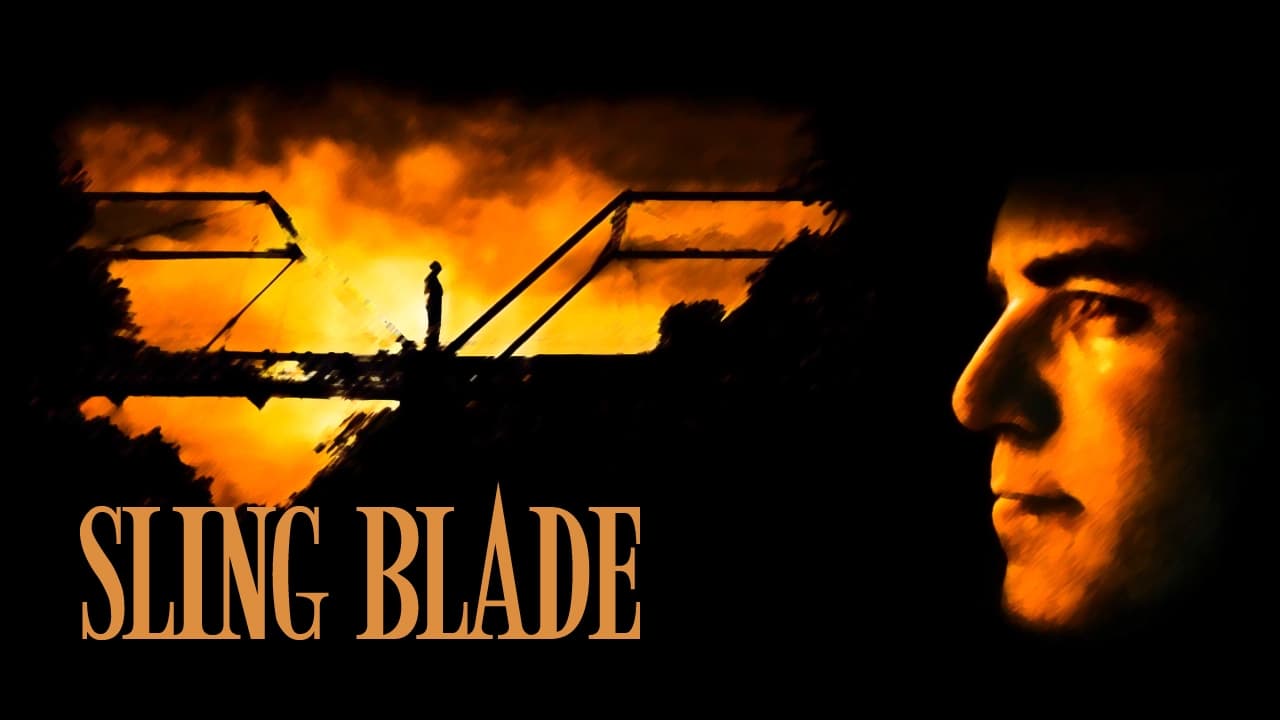
Rating: 9/10
This score reflects the film's masterful execution on nearly every level. Billy Bob Thornton's central performance is iconic and deeply moving, his direction assured, and the script is a model of concise, impactful storytelling. The supporting cast, particularly Dwight Yoakam and Lucas Black, are superb, contributing significantly to the film's authenticity and emotional weight. While the deliberate pacing might test some viewers accustomed to faster narratives, it's integral to the film's contemplative mood and allows the tension to build organically. It loses a single point perhaps only for that very deliberateness which, for a tiny fraction of viewers, might border on slow – but for most, it’s pitch perfect.
Sling Blade remains a standout achievement of 90s independent cinema. It’s a film that lingers, not because of explosions or elaborate effects, but because of the haunting truth of its characters and the profound questions it leaves you pondering long after the screen goes dark. It’s a reminder that sometimes the quietest stories resonate the loudest.