It wasn't the frantic heroism or the rock-and-roll soundtrack of its brasher contemporary that stuck with you after watching Deep Impact back in '98. Instead, what lingered was a profound quiet, the unsettling weight of knowing the unthinkable was not just possible, but probable. Released amidst the dueling asteroid-disaster hype alongside Armageddon, Mimi Leder's film carved its own path, choosing hushed dread and human frailty over bombast, leaving a more enduring emotional crater. Remember pulling this one off the shelf at Blockbuster? It felt different even then, somehow more serious, more grounded in the terrifying what if.
### When the Sky Falls Quietly
Deep Impact unfolds not with a bang, but with the nervous energy of secrets withheld. We follow ambitious MSNBC reporter Jenny Lerner (Téa Leoni) as she stumbles onto the biggest story imaginable: Extinction Level Event, courtesy of the Wolf-Biederman comet. The subsequent reveal by President Beck (Morgan Freeman, delivering a performance of stoic reassurance that feels almost impossibly comforting now) sets the stage for a narrative less about stopping the inevitable and more about navigating its shadow. The script, co-written by Bruce Joel Rubin (who brought us the emotional heft of Ghost) and Michael Tolkin (known for the sharp insight of The Player), smartly divides its focus: the political maneuvering, the desperate space mission, and crucially, the ordinary lives turned upside down. This wasn't just a sci-fi thriller; it felt like a sobering drama wrapped in celestial dread.
### Faces in the Crowd, Facing the End
What truly elevates Deep Impact beyond a standard disaster flick are the performances and the focus on intimate human stories. Téa Leoni, often playing roles with a lighter touch, anchors the film with a compelling mix of journalistic drive and burgeoning vulnerability as Jenny reconnects with her estranged father (Maximilian Schell) amidst the unfolding chaos. Young Elijah Wood, years before journeying to Mordor, captures the wide-eyed terror and sudden, terrifying responsibility thrust upon teenager Leo Biederman, the comet's co-discoverer. His frantic motorcycle ride with his girlfriend Sarah (Leelee Sobieski) encapsulates the desperation of youth clinging to life and love. And then there's Robert Duvall as Captain Spurgeon "Fish" Tanner, the veteran astronaut pulled back for one last, impossibly critical mission aboard the Messiah. Duvall imbues Fish with weary experience and quiet resolve, his understated heroism feeling profoundly authentic. These aren't action heroes; they're people grappling with unimaginable choices, their fears and sacrifices resonating far more deeply than any explosion. Doesn't the power lie in seeing ourselves, or parts of ourselves, reflected in their reactions?
### The 'Impact' Behind the Scenes
It’s fascinating to look back at the context of Deep Impact's creation. The film famously went head-to-head with Armageddon, a classic example of Hollywood's "twin film" phenomenon. While Armageddon ultimately won the box office battle that summer, Deep Impact, produced for a relatively restrained $80 million (compared to Armageddon's $140 million), still pulled in a very healthy $349.5 million worldwide, proving there was an audience hungry for this more character-focused approach. Interestingly, Steven Spielberg served as an executive producer, and his influence might be felt in the film's blend of spectacle and sentiment. Director Mimi Leder, one of the few women helming major studio blockbusters at the time, brought a sensibility honed on character-rich television like ER, skillfully managing the ensemble cast and the emotional stakes alongside the necessary visual effects. It's also worth noting the filmmakers consulted with actual astronomers, including Carolyn and Eugene Shoemaker (co-discoverers of the Shoemaker-Levy 9 comet that famously impacted Jupiter in 1994), lending the science a touch more credibility than its competitor, even if liberties were still taken. Remember the palpable tension surrounding the Messiah crew's attempt to plant nuclear charges? Knowing real science influenced the setup somehow made it even more gripping.
### Ripples Through Time
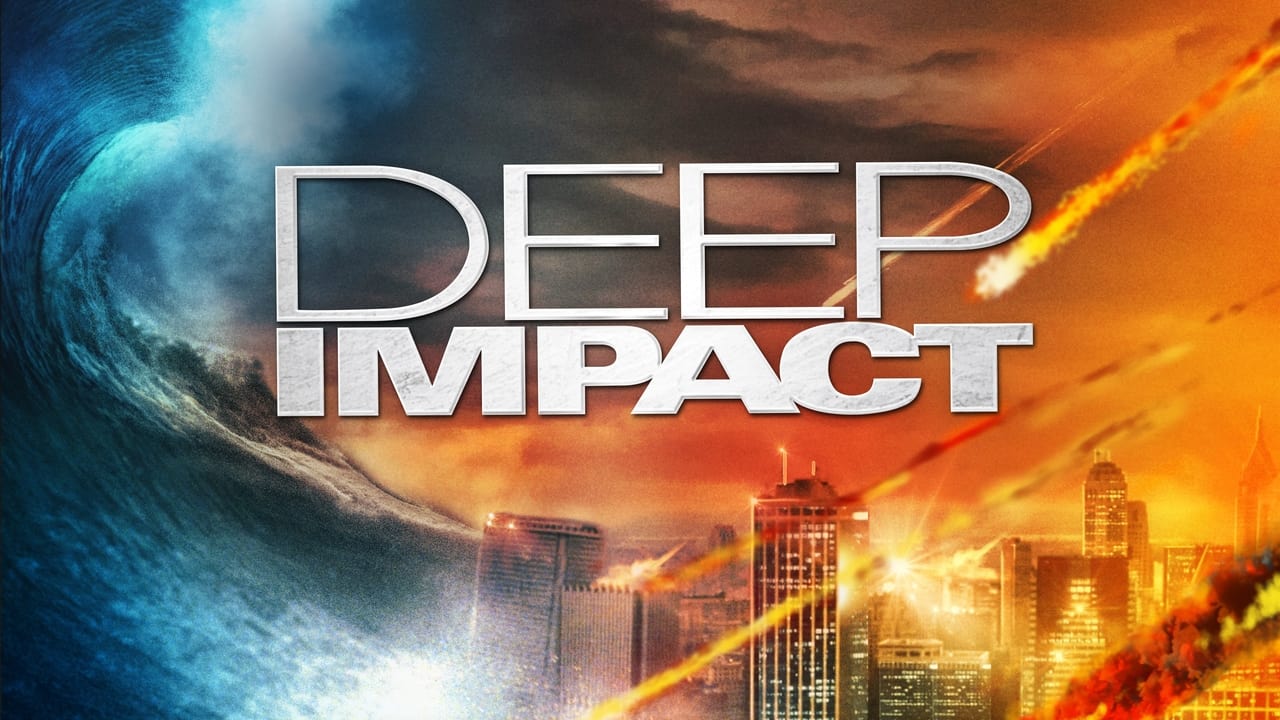
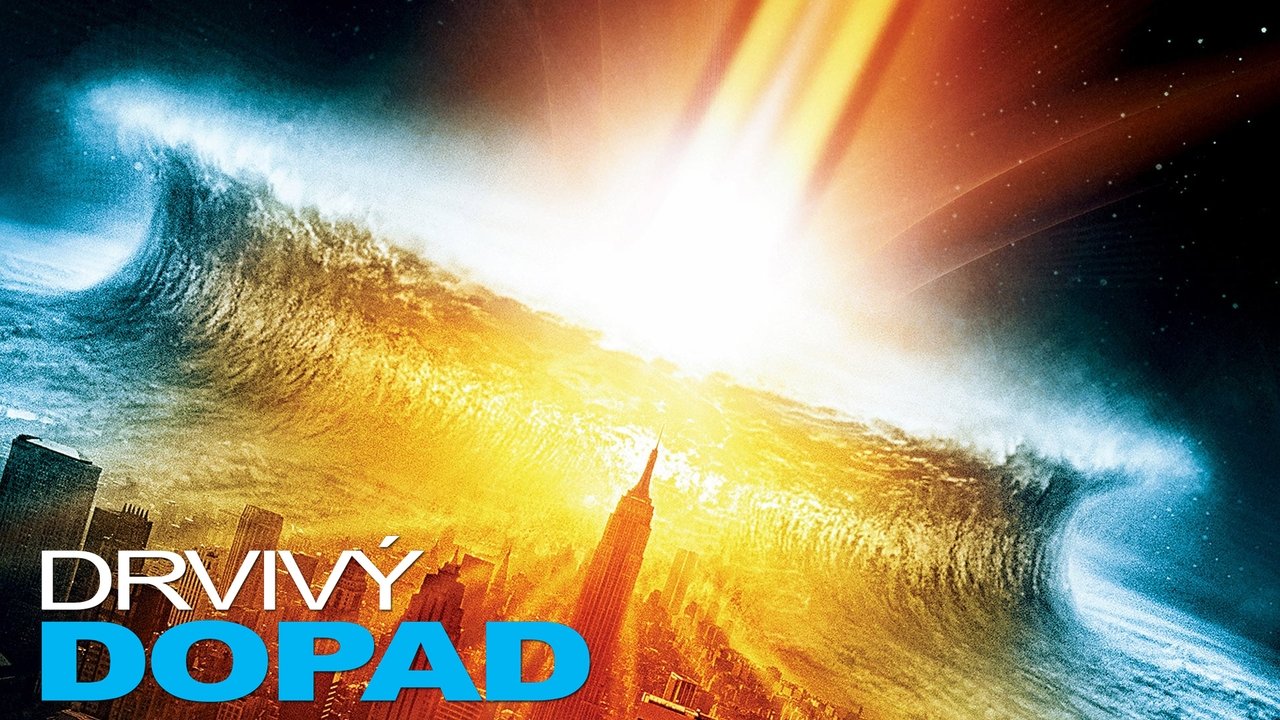
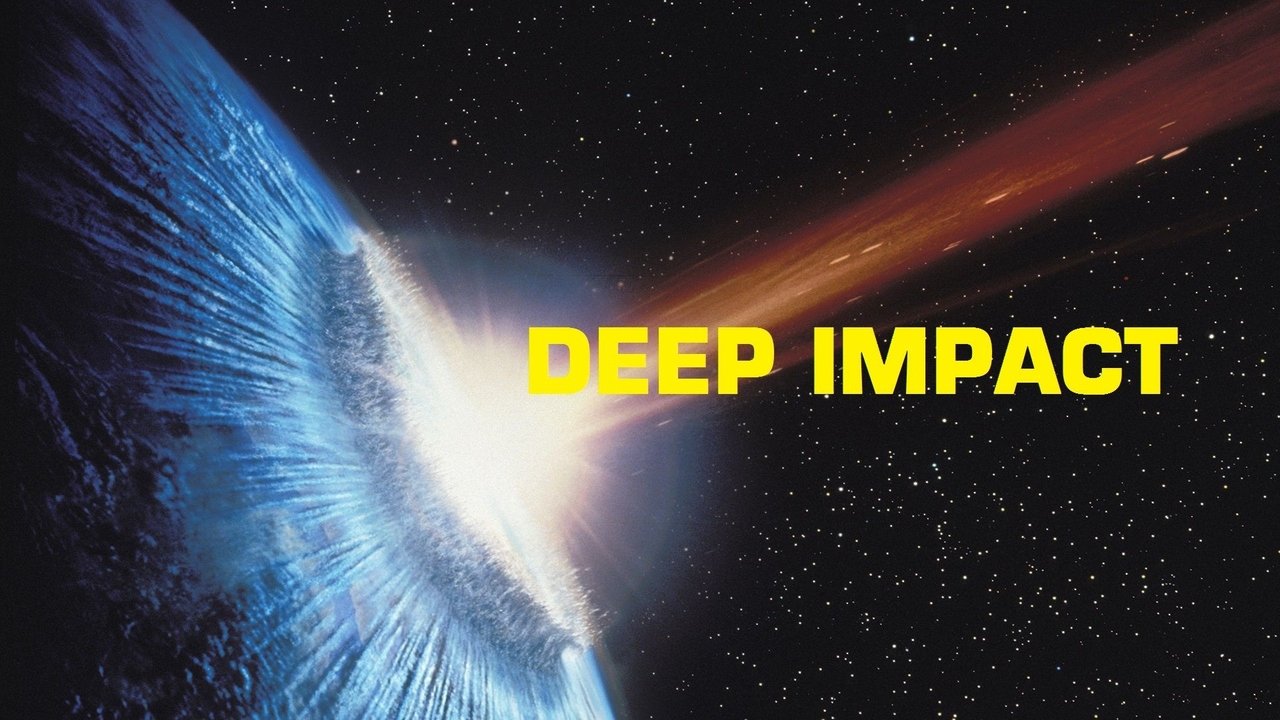
The visual effects, a late-90s blend of CGI and practical work, certainly show their age in places, yet the climactic impact sequence retains a horrifying grandeur. The initial splashdown and the colossal tsunami wave sweeping inland remain potent images, perhaps because they're presented with a chilling matter-of-factness rather than overt stylization. The sequence where Jenny stands on the beach with her father, facing the inevitable, is haunting precisely because of its quiet acceptance. But perhaps the most chilling element, the one that really burrowed into the psyche, was the government lottery – the cold, bureaucratic process of selecting who gets saved in the underground arks. It forces uncomfortable questions about societal value, sacrifice, and the mechanisms of survival. What would we do? Who would we choose? These questions linger long after the VCR whirred to a stop.
Rating: 8/10
Deep Impact earns its 8 not for groundbreaking action or flawless effects, but for its resonant emotional core, strong performances, and thoughtful exploration of humanity under ultimate pressure. It dared to be a disaster movie more interested in the tears than the bangs, focusing on the quiet goodbyes and desperate choices that define us when facing the end. While some visual elements are undeniably dated, the film's heart remains remarkably intact. It stands as a potent reminder from the VHS era that sometimes the most impactful stories are whispered, not shouted, leaving you contemplating the fragility of it all long after the credits roll. What price survival, indeed?