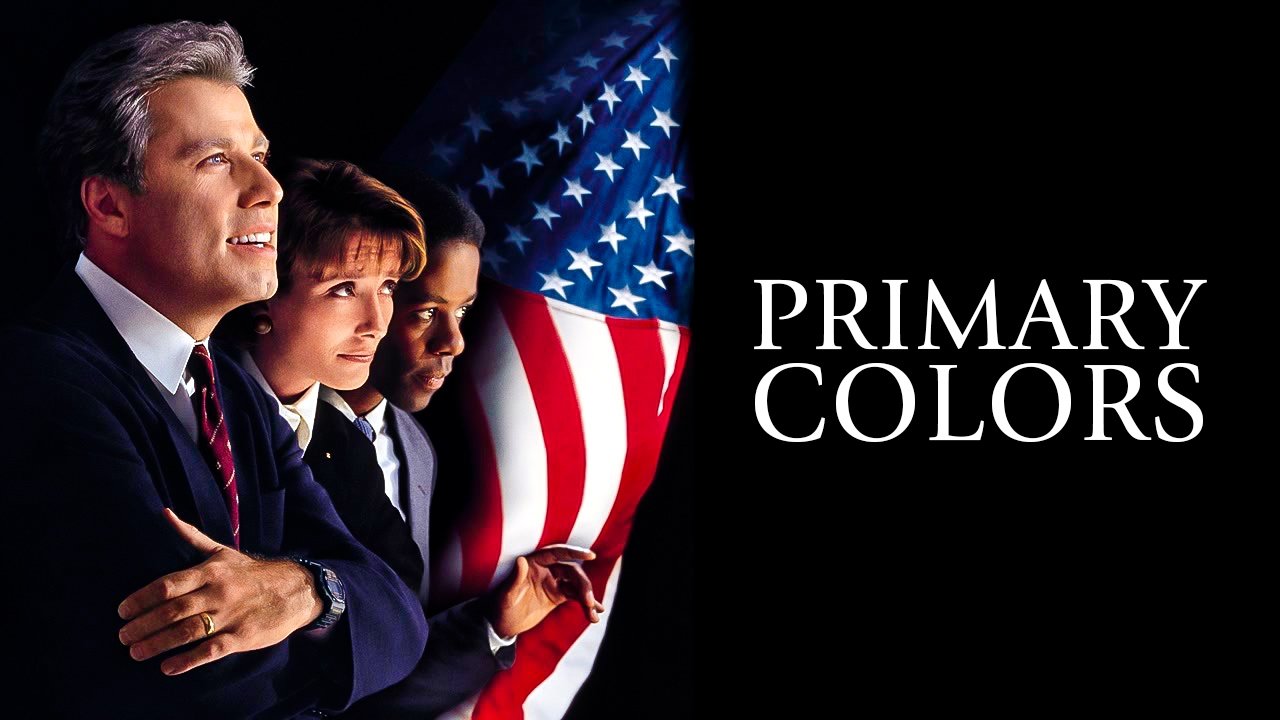
Okay, pull up a chair, maybe grab a Tab or a Crystal Pepsi if you can still find one (just kidding... mostly). Let's talk about a film that landed in the VCR with the weight of current events clinging to its magnetic tape: Primary Colors. Remember the buzz around that 'Anonymous' novel hitting the bestseller lists? The one everyone whispered was really about the Clintons' '92 campaign? When the formidable Mike Nichols, the man who gave us masterpieces like The Graduate (1967) and Working Girl (1988), decided to bring it to the screen in 1998, it felt less like a movie release and more like a cultural event – holding up a mirror just as real-world politics was entering a particularly turbulent chapter.
### The Campaign Trail's Tarnished Glow
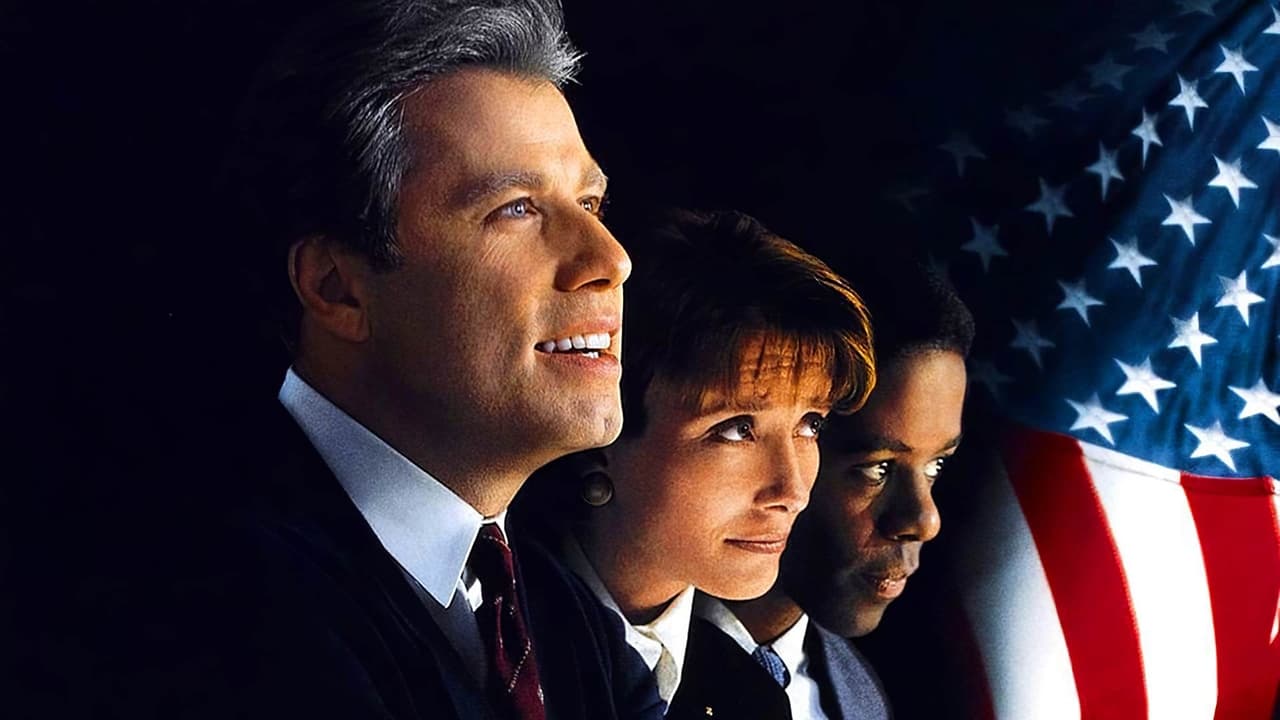
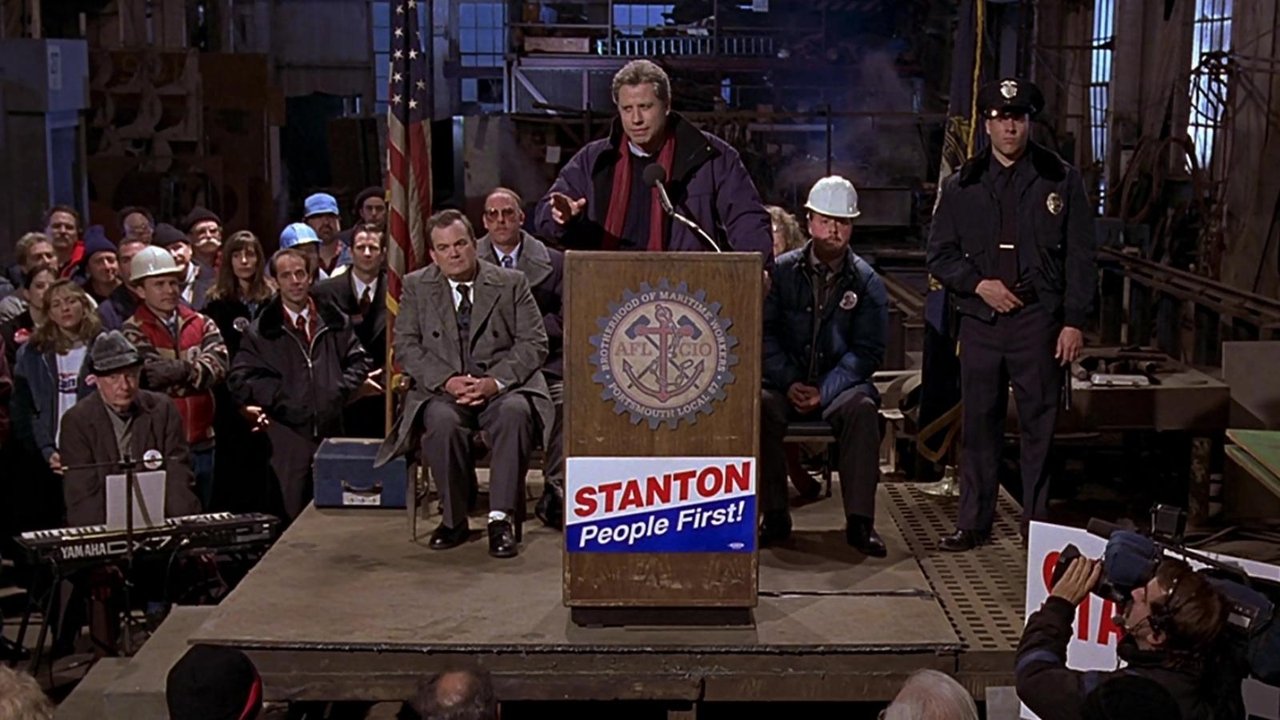
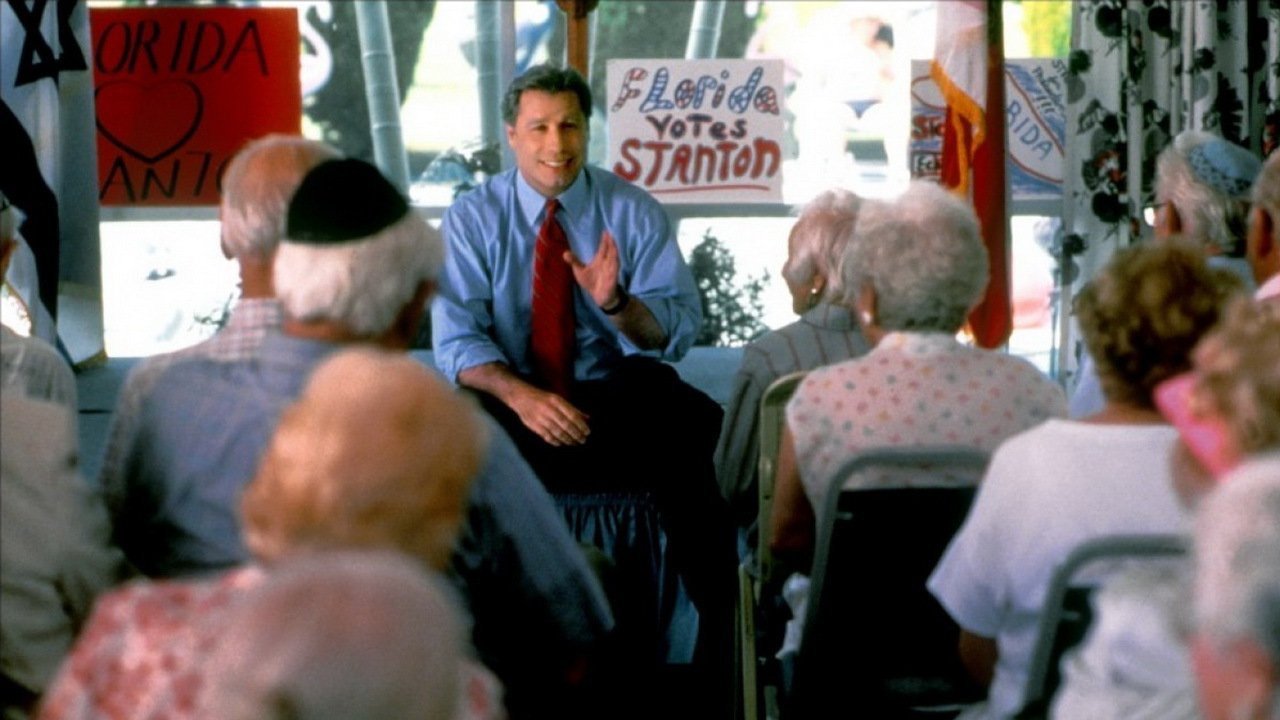
The film pulls us in through the eyes of Henry Burton (Adrian Lester), a young, idealistic grandson of a civil rights hero, recruited into the whirlwind campaign of Southern Governor Jack Stanton (John Travolta). Stanton is pure charisma: folksy charm, genuine empathy, a sharp intellect, and an equally powerful, deeply undisciplined appetite for... well, everything. Burton is initially captivated, seeing a potential leader who truly connects with people. But as the campaign grinds on, fueled by doughnuts, dirty tricks, and desperation, the gloss quickly wears off. Primary Colors isn't just about a campaign; it felt, especially then, like the campaign, a thinly veiled look at Bill Clinton's path to the presidency. Renting this on VHS felt almost illicit, like handling classified documents smuggled out of campaign headquarters.
### A Rhapsody in Beige and Betrayal
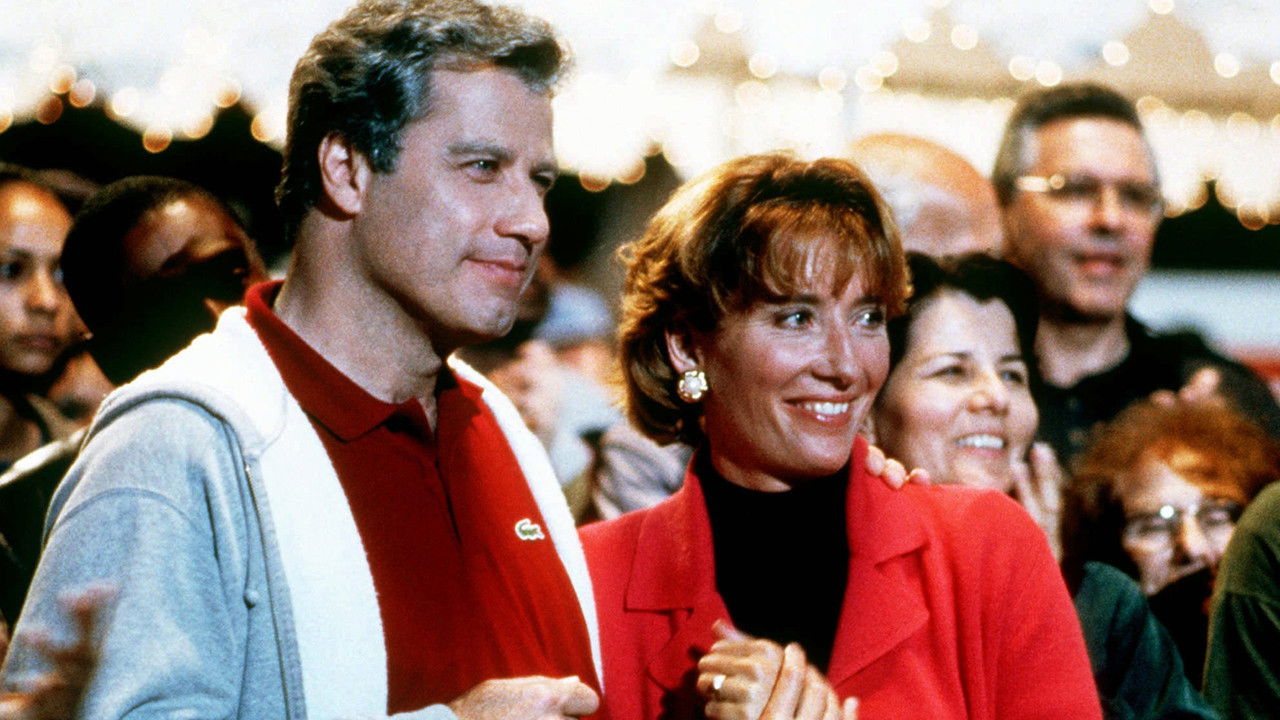
John Travolta's turn as Stanton is something quite remarkable. It transcends mere impersonation. Yes, the accent, the gestures, the appetite are all there – reportedly, Travolta gained weight and meticulously studied tapes of Clinton – but he also captures a complex, almost tragic figure. Stanton believes his own rhetoric, even as his personal failings threaten to derail everything. You see flashes of greatness wrestling with profound weakness. It’s a performance that anchors the film’s blend of satire and surprising pathos.
Equally compelling is Emma Thompson as Susan Stanton, the fiercely intelligent, politically savvy wife. Thompson, always magnificent, portrays Susan not as a victim, but as a strategic partner, fully aware of her husband's flaws yet committed to the larger goal. The moments where her resolve cracks, revealing the pain and calculation beneath, are devastatingly effective. She makes you understand the complex bargain she’s made, the steely endurance required.
### The Backroom Operators
No political drama is complete without its cynical strategists, and Primary Colors delivers two unforgettable ones. Billy Bob Thornton, fresh off his Sling Blade (1996) acclaim, embodies Richard Jemmons, the James Carville-esque operative. All restless energy, biting quips, and down-home aphorisms masking a ruthless pragmatism, Thornton is magnetic. He’s the guy who gets things done, ethical boundaries be damned.
And then there’s Kathy Bates as Libby Holden. Oh, Libby. A fiercely loyal, slightly unhinged old friend brought in as a "dust-buster" to handle scandals, Bates blazes onto the screen. Libby is the film's damaged conscience, a true believer utterly repulsed by the compromises demanded by Stanton's ambition. Her arc is perhaps the most heartbreaking, a raw portrayal of idealism curdling into despair. It’s no surprise Bates earned an Academy Award nomination for Best Supporting Actress; her scenes are electric, infused with a volatile mix of humor and fury. One wonders if the character, partially inspired by real-life Clinton confidante Betsey Wright, resonated so strongly because she voiced the disillusionment many felt.
### Nichols and May: A Masterclass in Tone
Adapting Joe Klein's eventually-outed novel fell to the legendary Elaine May, Nichols' former comedy partner and a brilliant writer/director in her own right (A New Leaf, Mikey and Nicky). Her screenplay crackles with intelligence and barbed wit, refusing easy answers or caricatures. These feel like real, albeit heightened, political animals. Nichols directs with his signature invisible brilliance, seamlessly blending the farcical elements (like a frantic search for potentially incriminating tapes) with moments of genuine emotional weight. He understood that the absurdity and the tragedy of politics are often intertwined. The film reportedly cost a hefty $65 million – a significant sum for a political drama in the 90s – aiming for authenticity in depicting the grueling, messy reality of a modern campaign.
One piece of unfortunate timing trivia: the film's release in March 1998 coincided almost exactly with the explosion of the Monica Lewinsky scandal. What might have played as sharp, knowing satire suddenly felt almost too close to the bone, perhaps contributing to its somewhat disappointing box office performance (around $52 million worldwide). It was a case of reality outpacing fiction in the most uncomfortable way.
### Does the Colour Still Run True?
Watching Primary Colors today is a fascinating experience. The late-90s details – the chunky laptops, the earnest discussions about authenticity versus electability – feel very specific to that era. Yet, the core questions it raises remain profoundly relevant. What compromises are acceptable on the path to power? Can fundamentally flawed individuals still achieve great things? Doesn't Stanton's potent mix of populism and personal scandal feel eerily prescient of political figures who came later? The film doesn't offer easy answers, preferring instead to immerse us in the moral ambiguity. It forces us, like Henry Burton, to confront the often-unpleasant realities behind the polished facade of political life.
Rating: 8/10
This score reflects the film's exceptional strengths: Travolta, Thompson, and Bates deliver powerhouse performances, Elaine May's script is razor-sharp, and Mike Nichols masterfully balances satire and drama. It captured a specific cultural moment with unnerving accuracy, offering a complex, thought-provoking look at ambition and its costs. While its direct parallels to real-world events might have initially hampered its reception for some, its exploration of political morality and the human element within the machine remains compelling.
Primary Colors might not be the feel-good rental of the week, but it's a smart, impeccably crafted film that lingers. It leaves you pondering not just the characters on screen, but the enduring, often uncomfortable, nature of power itself. What price glory, indeed?