Okay, here's the review for "Red Corner" (1997), written in the voice of a VHS Heaven critic.

***
That disorienting lurch into consciousness, the sudden terrifying realization that the world you knew just hours before has vanished, replaced by cold concrete walls and accusations you don't understand – that’s the potent hook of Jon Avnet’s 1997 thriller, Red Corner. It’s a film that arrived on video store shelves riding a wave of geopolitical tension and star power, promising a high-stakes courtroom drama wrapped in the exotic danger of a foreigner trapped in the labyrinthine Chinese legal system. Does anyone else remember the distinct unease this one conjured, watching it on a flickering CRT, the grainy picture somehow emphasizing the protagonist's isolation?
Waking Up in a Nightmare
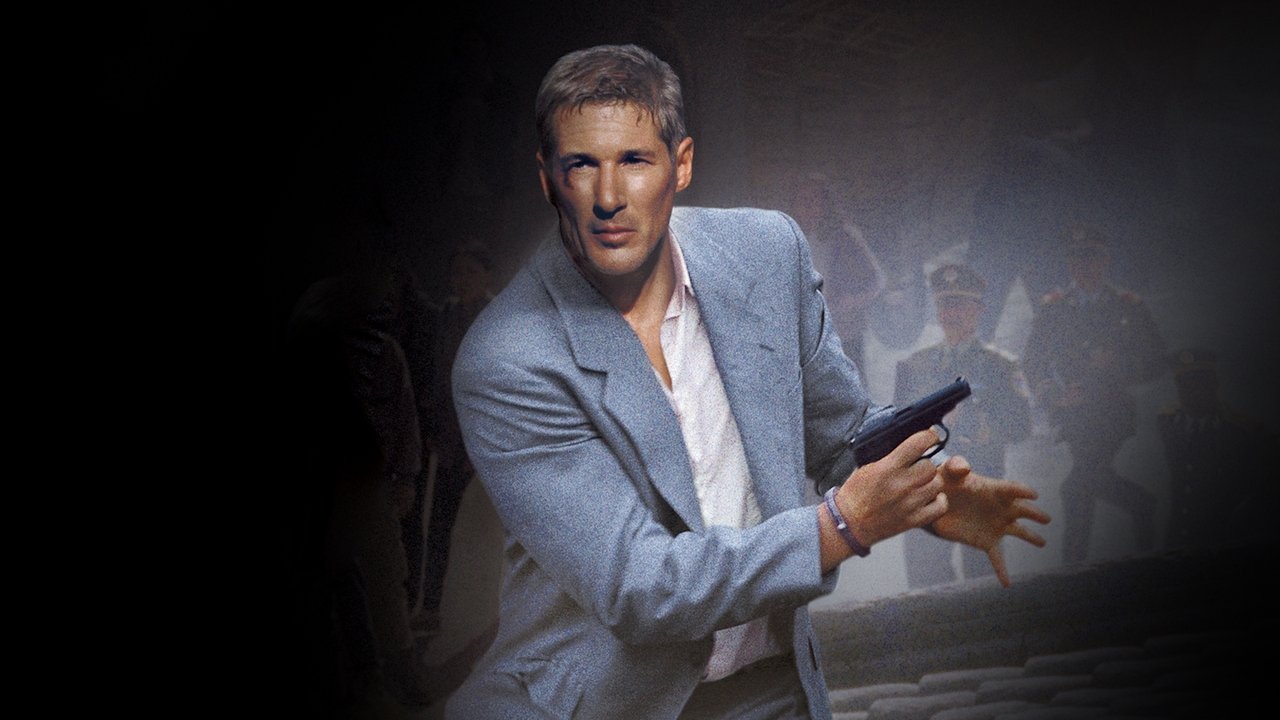
The premise is chillingly effective: Jack Moore (Richard Gere), a slick American entertainment lawyer negotiating a satellite deal in Beijing, finds himself accused of murdering the beautiful daughter of a powerful Chinese general after a one-night stand. The evidence is stacked against him, the system presumes guilt, and his only hope rests with Shen Yuelin (Bai Ling), his court-appointed defense attorney who initially seems more loyal to the state than to justice. It’s the classic "wrong man" scenario, amplified tenfold by the cultural chasm and the ominous power of the state looming over every frame.
Gere Against the Machine
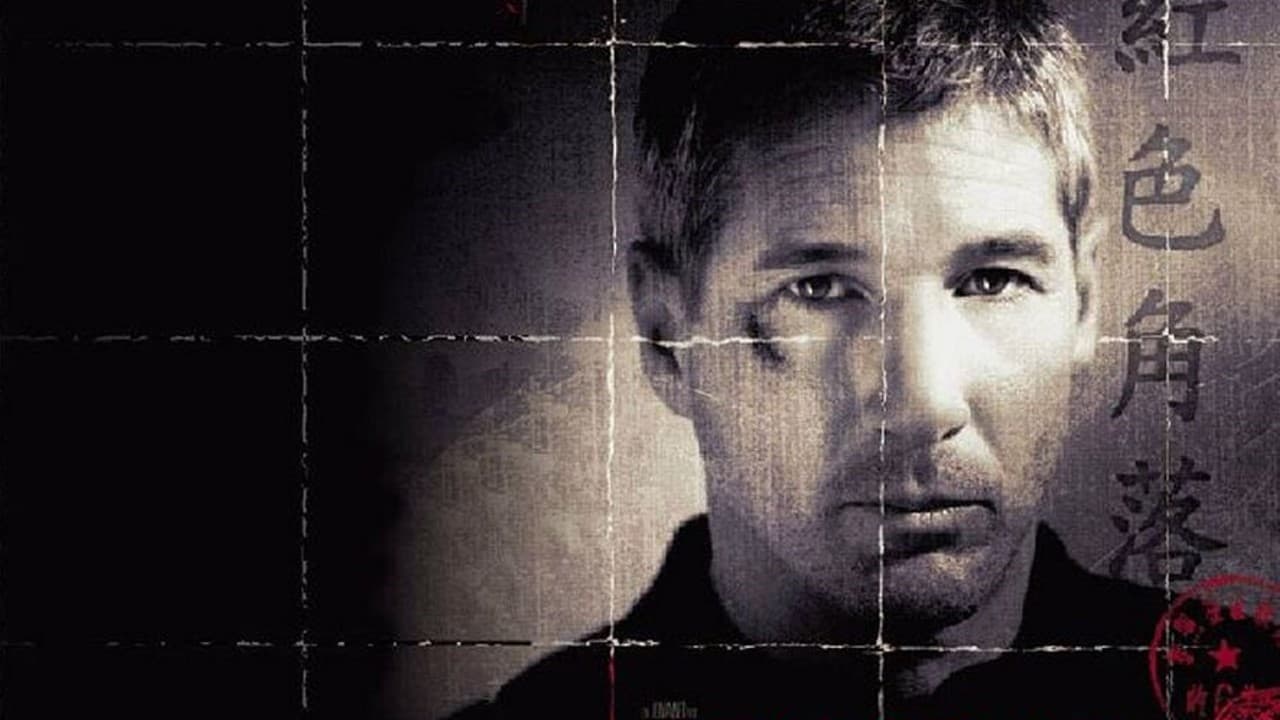
Richard Gere, already a global superstar thanks to films like Pretty Woman (1990) and Primal Fear (1996), leans into Moore's initial arrogance giving way to raw panic. It’s a performance fueled by palpable desperation. You see the confident negotiator crumble, replaced by a man utterly stripped of his privilege and power. Of course, Gere's well-known advocacy for Tibetan independence and criticism of the Chinese government added a layer of real-world friction to the film's narrative and production. It’s no secret the film couldn't shoot in China; extensive sets replicating Beijing were built in Southern California, a testament to the political sensitivities surrounding the project. This behind-the-scenes reality almost mirrors the film's theme: an American perspective trying to penetrate, or perhaps impose itself upon, a closed system. Did this necessary artifice hinder the film's authenticity, or did it cleverly underscore the feeling of being trapped in a facsimile of reality?
A Star is Born (Again)
While Gere provides the central terrified perspective, the film truly belongs to Bai Ling. Her portrayal of Shen Yuelin is the heart and soul of Red Corner. She navigates an incredibly complex role – a woman bound by duty and belief in her country's system, yet increasingly troubled by the inconsistencies and potential injustice she uncovers. Ling conveys this internal conflict with subtle grace and fierce intelligence. You watch her initial skepticism towards Moore thaw, not into naive trust, but into a determined pursuit of the truth, whatever the personal cost. It's a nuanced, compelling performance that earned her significant critical acclaim at the time, and rightly so. She holds her own against Gere, creating a fascinating dynamic between two people from vastly different worlds forced into an uneasy alliance. We also get a reliably solid, if somewhat underutilized, Bradley Whitford as Gere's colleague back in the States, trying to pull strings from afar.
Building the Walls
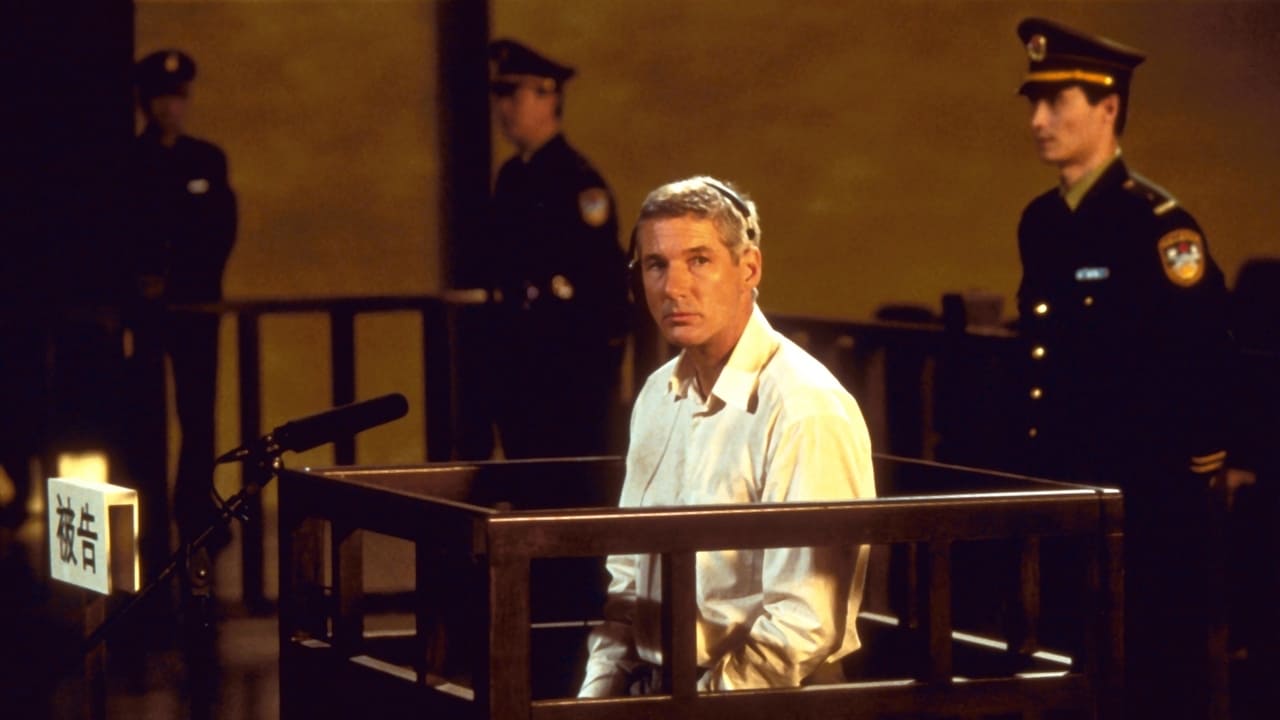
Director Jon Avnet, who previously gave us the warmth of Fried Green Tomatoes (1991), shifts gears effectively here, crafting a genuinely tense and often claustrophobic atmosphere. The courtroom scenes, despite being reconstructions, feel imposing and alien. The film uses shadows and tight framing to emphasize Moore's confinement and the feeling of being constantly watched. The production reportedly carried a hefty $48 million price tag (around $91 million today), a significant investment by MGM hoping for prestige success. However, it ultimately underperformed at the box office, bringing in just over $22 million worldwide, perhaps indicating audiences found the political backdrop challenging or the narrative less gripping than intended.
More Than Just a Thriller?
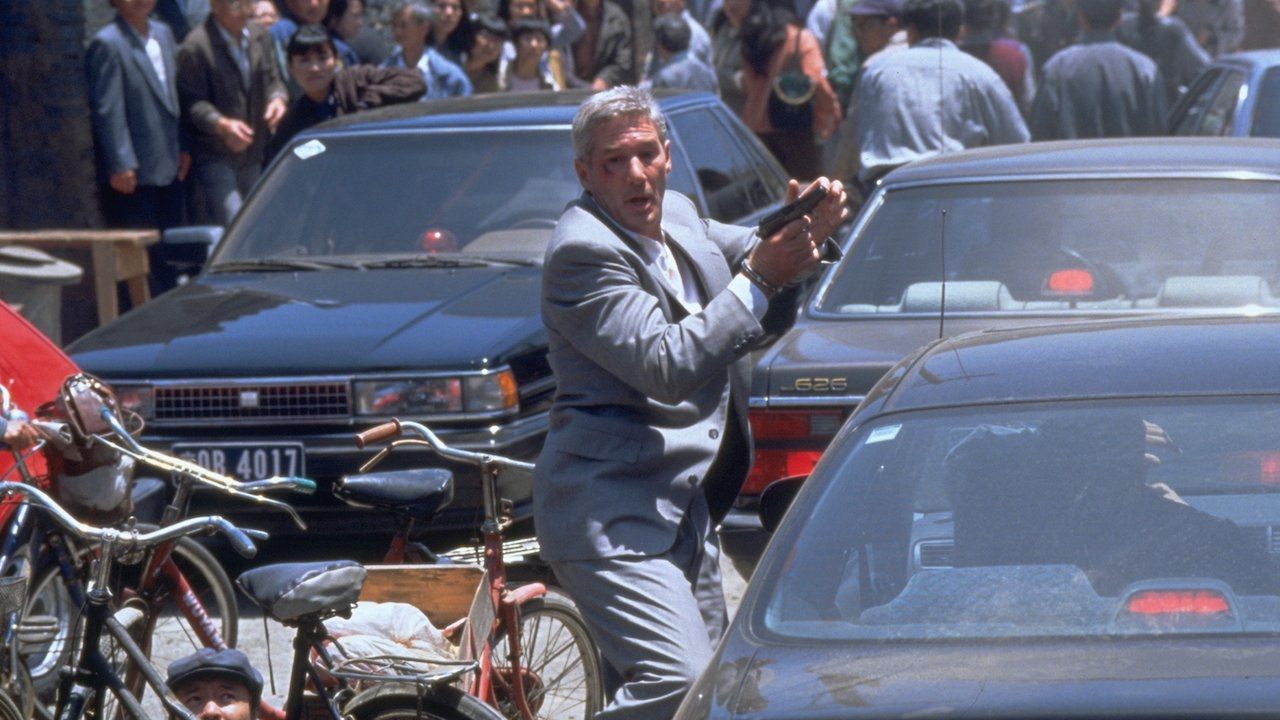
Red Corner certainly aimed to be more than just popcorn entertainment. Penned by Robert King (who would later find massive success creating TV's The Good Wife), the script delves into themes of cultural misunderstanding, the definition of justice, and the individual crushed beneath the wheels of state power. It asks uncomfortable questions about due process and human rights. However, it also faced criticism for its arguably one-sided portrayal of the Chinese legal system, sometimes leaning into Western stereotypes rather than offering deeper nuance. Does it succeed as a sharp political commentary, or does it function better as a straightforward, high-stakes thriller using politics as a dramatic backdrop? Watching it now, it feels like a product of its specific time – reflecting certain anxieties and perceptions prevalent in the late 90s.
The experience of watching Red Corner on VHS back in the day felt fitting. The slightly degraded image quality, the hum of the VCR – it somehow added to the film’s gritty feel, mirroring the lack of clarity and control experienced by the protagonist. It wasn't a comfortable watch, but it was certainly a gripping one.
Rating: 6/10
This score reflects a film that succeeds in creating palpable tension and boasts a standout performance from Bai Ling, alongside a committed turn from Richard Gere. The core premise is undeniably strong, tapping into a primal fear. However, the film is hampered slightly by its significant production hurdles impacting authenticity, a somewhat predictable plot trajectory in its later stages, and a political perspective that feels more heavy-handed than nuanced upon reflection. It aimed high, and while it doesn't quite hit the bullseye of being both a gripping thriller and a profound political statement, it remains a compelling slice of 90s geopolitical drama.
It leaves you pondering the fragility of freedom and the terrifying speed at which a life can unravel when borders are crossed and understanding fails. What stays with you isn't just the chase or the courtroom drama, but the chilling question: how thin is the ice we all skate on?