There's a certain kind of restless energy that defines some lives, a blaze that burns too bright, too fast. Watching Steve James's Prefontaine again, nearly three decades after its quiet arrival on video store shelves, that fiery spirit feels both intensely familiar and profoundly distant. It’s not just the story of Steve Prefontaine, the legendary, defiant runner from Coos Bay, Oregon; it’s a snapshot of capturing lightning in a bottle, both in terms of its subject and, perhaps, the very act of making this film.
The Underdog Biopic
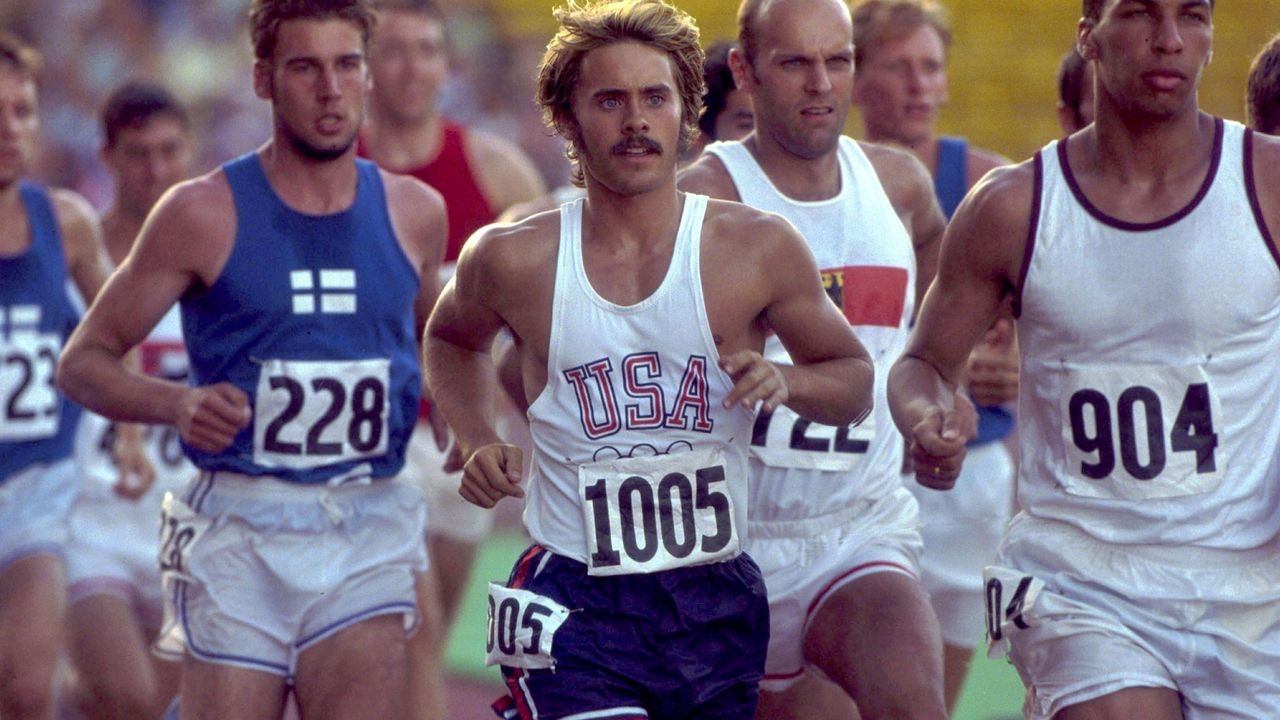
Coming from Steve James, the director who gave us the monumental documentary Hoop Dreams (1994), Prefontaine carries a distinct, almost gritty authenticity. It doesn't feel like a polished Hollywood retelling. Instead, it adopts a docu-drama style, incorporating interviews with Prefontaine’s real-life friends and family (played by actors, framing the narrative) which grounds the story in a sense of lived experience. This approach feels incredibly fitting for a figure like Prefontaine – raw, direct, sometimes contradictory. We see his explosive talent on the track at the University of Oregon, his turbulent relationship with iconic coach Bill Bowerman, and his unwavering, almost arrogant self-belief that propelled him to greatness but also courted controversy. Remember that famous quote often attributed to him? "To give anything less than your best is to sacrifice the gift." This film lives in the space between that fierce dedication and the complex human being behind the legend.
Leto's Fierce Embodiment
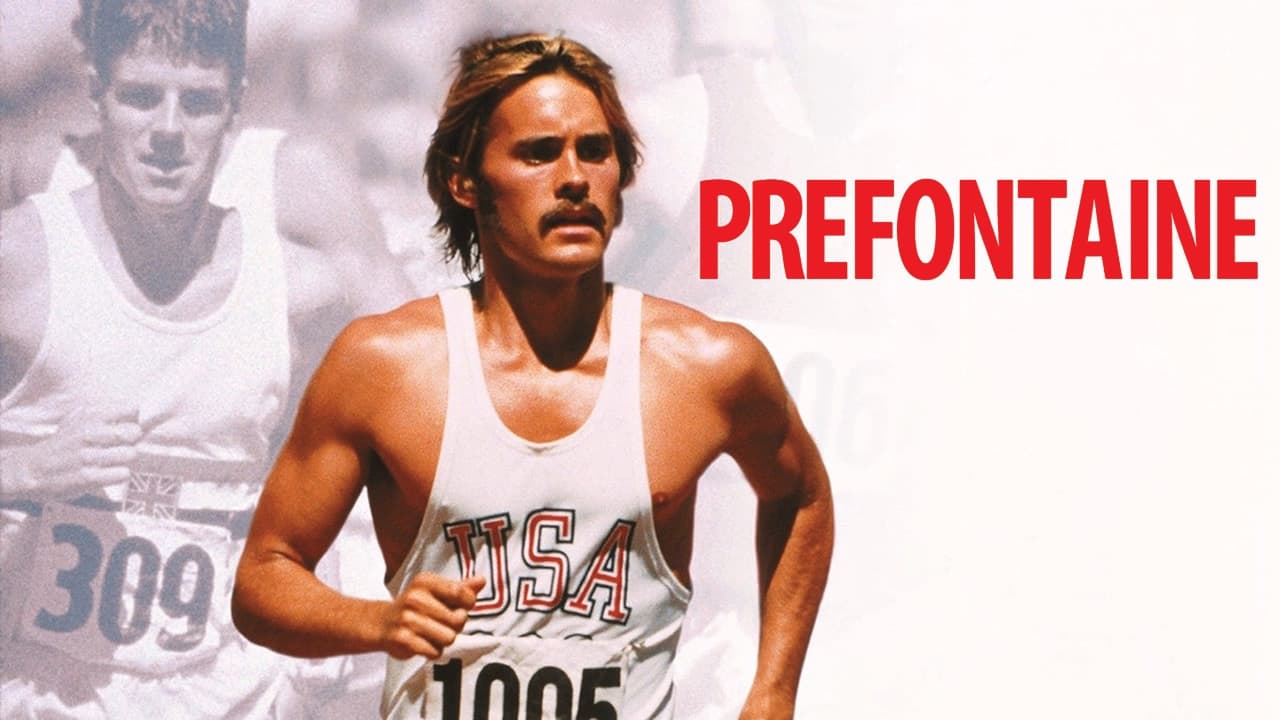
At the heart of it all is a young Jared Leto, years before his Oscar win or rock stardom, delivering a performance that remains startlingly committed. He doesn't just play Prefontaine; he seems to inhabit him. Leto reportedly immersed himself deeply, meeting Pre's family and friends, adopting his distinctive voice and running style. You see it in the coiled intensity, the flash of anger in his eyes, the almost painful vulnerability beneath the swagger. It’s a physical and emotional transformation that carries the film. Was it a perfect mimicry? Maybe not to those who knew Pre intimately, but Leto captures the essence – the burning need to push limits, to be seen, to leave a mark. Watching him now, knowing the career trajectory that followed, adds another layer to the viewing. This role feels like a crucial spark in his evolution as an actor willing to disappear into a character.
Supporting him is the always formidable R. Lee Ermey as Bill Bowerman, the visionary coach and Nike co-founder. Ermey, forever etched in our minds from Full Metal Jacket (1987), brings his trademark intensity but layers it with a weary wisdom, perfectly capturing the complex dynamic between coach and prodigy. And seeing Ed O'Neill, forever Al Bundy from Married... with Children in the minds of many back then, delivering a restrained, thoughtful performance as assistant coach Bill Dellinger was, and still is, a pleasant surprise. It showcases a range many might not have expected.
Racing Against Time (and Another Movie)
You can't really talk about Prefontaine without acknowledging the elephant in the room – or rather, the other Prefontaine movie. This film was released just a year before Robert Towne's Without Limits (1998), which starred Billy Crudup and had Tom Cruise producing. It’s a fascinating footnote in cinematic history, this race to tell the same story. Prefontaine, made with a reported $8.5 million budget by Disney's Hollywood Pictures (a curious pairing for such an indie-feeling film), definitely felt like the underdog, and its meager box office ($589,000) reflected that. Yet, there's an argument to be made that its rougher edges and James's documentary sensibilities offer a unique perspective that the glossier Without Limits doesn't quite capture. Filming on location at the actual Hayward Field at the University of Oregon lends an undeniable authenticity, making those track scenes feel immediate and visceral, even without massive crowd effects. James cleverly interweaves archival footage of the real Prefontaine, particularly during the tragic 1972 Munich Olympics sequence, blurring the line between biopic and historical document.
The Lingering Question
What makes Prefontaine's story still resonate? Is it the sheer, unadulterated talent? The rebellious spirit that railed against the amateur athletics system? Or is it the tragic brevity of his life, cut short in a car accident at just 24? James's film doesn't offer easy answers. It presents Prefontaine with all his flaws – his arrogance, his temper, his sometimes-myopic focus – alongside his undeniable charisma and groundbreaking achievements. It forces us to consider the nature of ambition. How much sacrifice is too much? What does it mean to truly live life on your own terms, consequences be damned? These aren't just questions about a runner from the 70s; they echo in the choices and pressures we all face. Doesn't that relentless drive, that desire to prove oneself against all odds, feel timeless?
I remember renting this one, probably nestled between bigger hits on the New Releases wall, drawn perhaps by Leto or just the compelling premise. It wasn't the film everyone was talking about, but it stuck with me. It felt honest.
Rating: 7/10
This rating reflects a film that succeeds powerfully in its central performance and evocative, documentary-influenced style. Leto's portrayal is magnetic, and James crafts an authentic sense of time and place. It captures the fiery spirit of its subject effectively. However, the narrative structure, relying heavily on the interview framing device, can occasionally feel a bit episodic, and it undeniably suffered commercially and perhaps critically by being the first of two competing biopics. It's a strong, often moving film, but perhaps lacks that final polish or narrative cohesion to reach true greatness.
Prefontaine remains a compelling, sometimes raw portrait of an American iconoclast. It’s a film that reminds us that legacies are complex, built as much on fire and flaw as on finish lines crossed. It asks us to look beyond the myth and see the man, running his race, right until the very end.