There’s a certain weight to the silence in Julio Medem’s extraordinary 1992 debut, Cows (Vacas). It hangs heavy in the damp Basque forests, settles over generations scarred by conflict, and emanates most profoundly from the large, liquid eyes of the bovine observers who give the film its title. Finding this gem tucked away on a video store shelf, perhaps nestled uncertainly between more commercially palatable European imports, felt like unearthing a secret history – raw, beautiful, and unsettlingly strange. It certainly wasn't your typical Friday night rental, but for those willing to look beyond the expected, Cows offered something far more resonant.
A Chronicle Etched in Blood and Soil
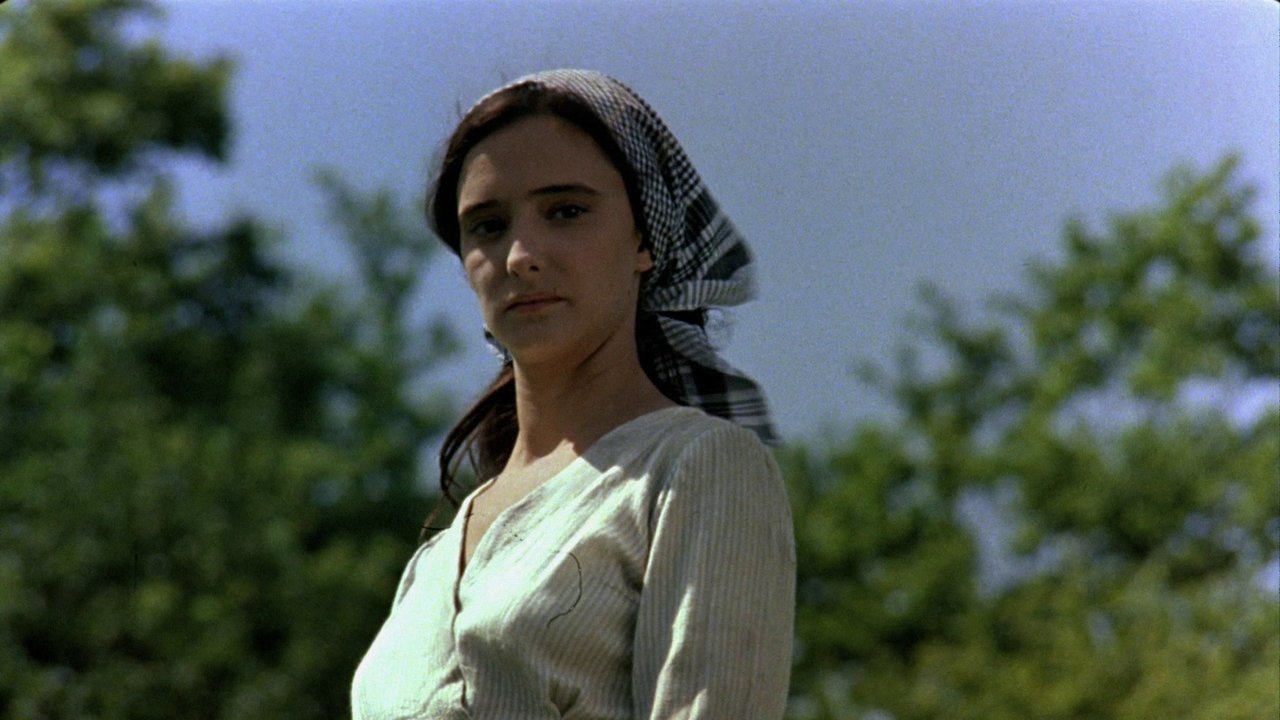
The film unfolds across three generations, spanning from the Carlist Wars of the late 19th century to the Spanish Civil War in the 1930s. It centres on the intertwined, often bloody, destinies of two neighbouring Basque families, the Irigibel and the Mendiluze. Their feud begins on a muddy battlefield, rooted in an act of cowardice and betrayal, and its poison seeps down through the years, infecting subsequent generations who inherit not just the land, but the animosity. Medem doesn't give us a straightforward historical epic; instead, he crafts a cyclical, almost mythical narrative where patterns repeat, traumas echo, and the landscape itself seems to hold the memories of past violence.
Through the Eyes of the Herd
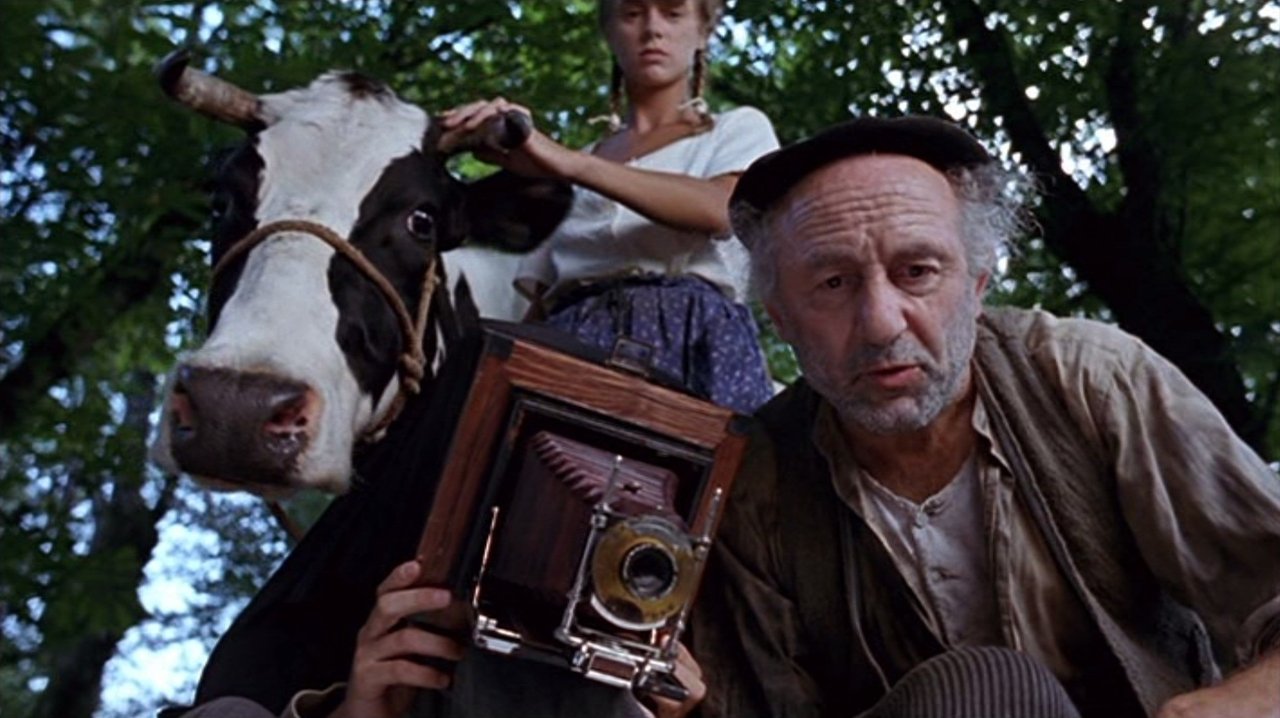
What truly sets Cows apart is its unique perspective. Often, events are framed, quite literally, through the eyes of the cows inhabiting the farms. They are the passive, constant witnesses to human folly – births, deaths, love affairs, logging accidents, and simmering hatreds all play out under their silent gaze. Are they merely symbols of nature's indifference, or do they represent something deeper, a connection to the primal earth that transcends the fleeting squabbles of mankind? Medem uses point-of-view shots from the cows, a technique that could feel gimmicky but here feels strangely profound, forcing us to consider the world from a non-human, timeless perspective. It’s a bold choice, especially for a first-time director, and it immediately establishes Medem's unique cinematic voice, one we'd see refined in later works like Lovers of the Arctic Circle (1998).
Generational Echoes and Performances
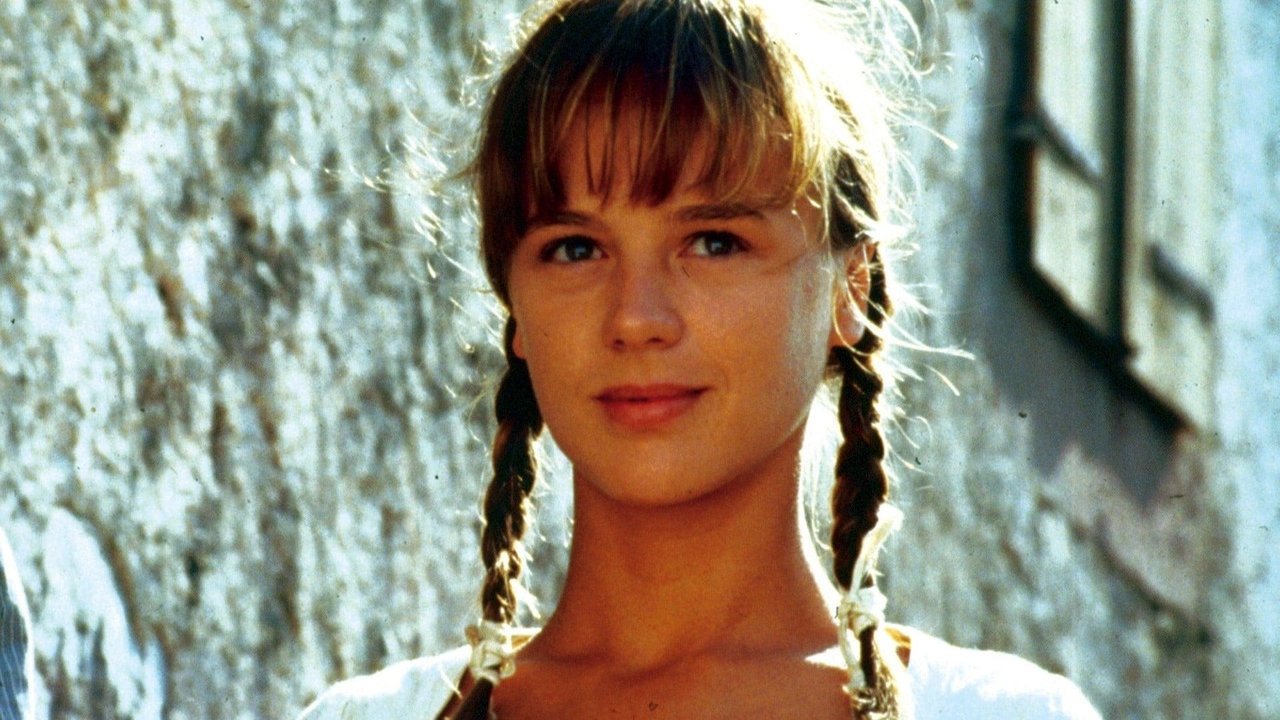
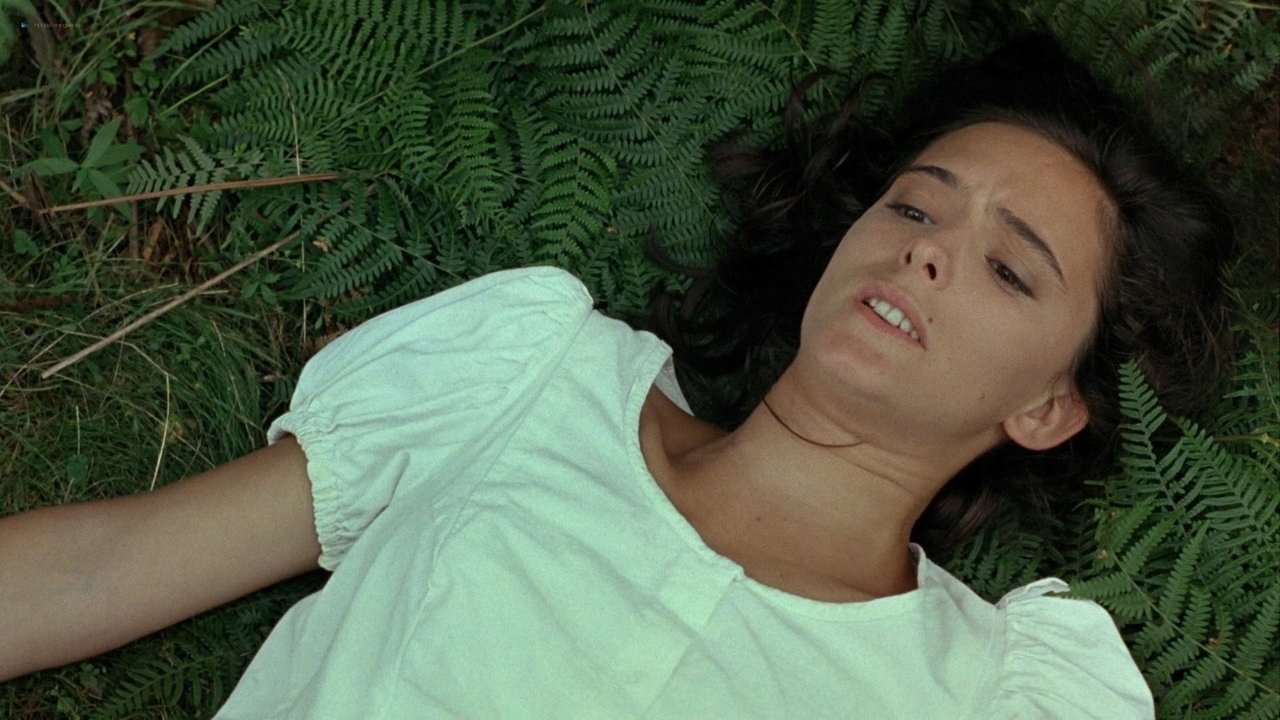
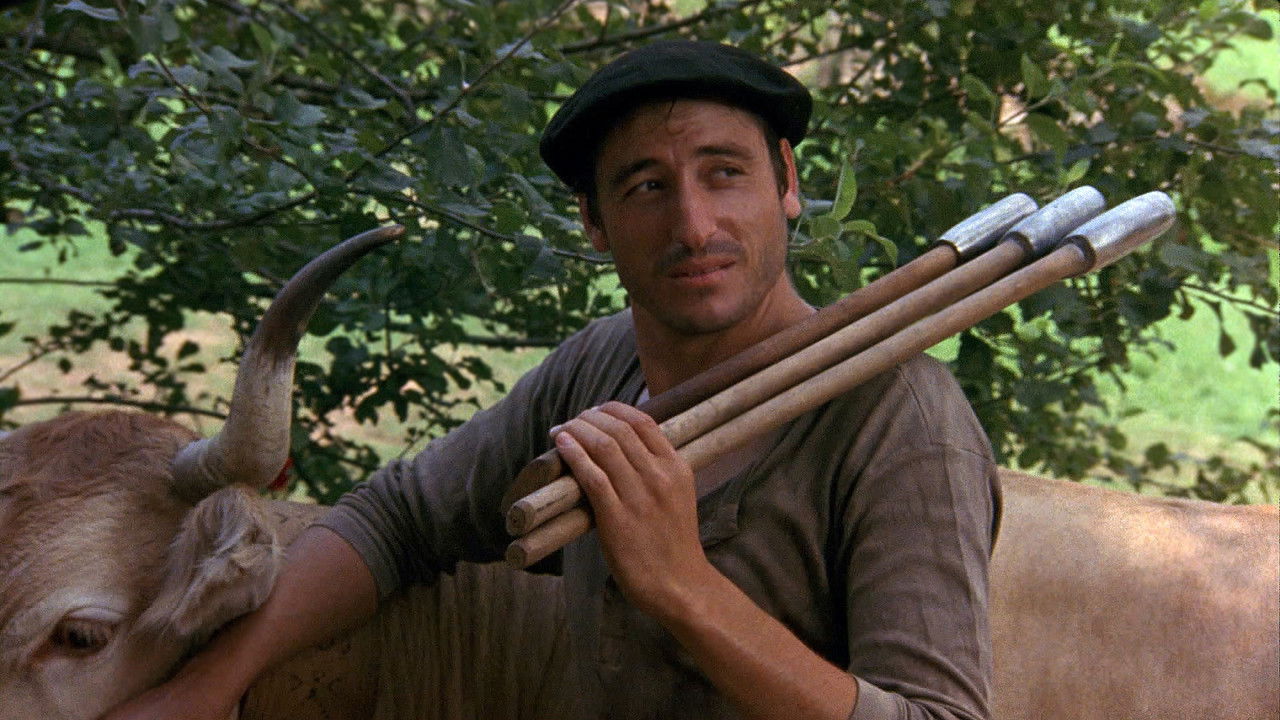
The film’s cyclical nature is brilliantly reinforced by a daring casting choice. Carmelo Gómez and Emma Suárez each play multiple roles across the different time periods, portraying sons and grandsons, mothers and granddaughters within the opposing families. This isn't just a cost-saving measure; it visually underscores the idea of inherited traits, inescapable legacies, and the haunting sense that descendants are doomed to repeat the patterns of their ancestors. Both actors deliver performances of remarkable depth, differentiating their characters subtly while carrying the weight of the past in their expressions. And for cinephiles, the presence of Ana Torrent, forever remembered for her haunting childhood roles in Spanish classics like The Spirit of the Beehive (1973) and Cría Cuervos (1976), adds another layer of quiet intensity and cinematic resonance. She embodies a weary wisdom, a silent understanding of the region's enduring pain.
Crafting a Basque Myth
Visually, Cows is stunning. Medem and cinematographer Carles Gusi capture the rugged beauty of the Basque countryside – the dense forests, the rolling hills, the pervasive dampness – creating an atmosphere that is both lyrical and deeply melancholic. The pacing is deliberate, allowing images and moments to breathe, demanding patience from the viewer. Symbolism is potent: the ever-present axe, a tool for both creation and destruction; the dark woods, concealing secrets and danger; and, of course, the cows themselves. It's little surprise that Medem scooped the Goya Award (Spain's equivalent of the Oscar) for Best New Director for this audacious debut. He reportedly conceived the story years earlier, aiming to explore the 'hidden history' and generational wounds beneath official narratives, filming on location in the evocative landscapes of Navarre and Gipuzkoa.
A Rare Find from the Shelves
Cows wasn't a film that shouted for attention amidst the louder action flicks and comedies dominating the VHS racks of the early 90s. Its appeal lies in its quiet intensity, its willingness to be strange, and its profound meditation on history, violence, and nature. It requires concentration and rewards it with imagery and ideas that linger long after the credits roll. It explores the cyclical nature of conflict – how feuds fester, how violence begets violence – in a way that feels both specific to its Basque setting and universally relevant. Doesn't that cyclical trap resonate with conflicts we still see playing out across the globe?
Rating: 8/10
This rating reflects the film's status as a challenging yet deeply rewarding piece of arthouse cinema from the era. It’s not for everyone – the pacing is slow, the narrative unconventional, and the tone often somber. However, for its stunning visuals, unique perspective, powerful performances, and audacious directorial vision (especially for a debut), Cows earns its high marks. The film's strength lies in its artistry and thematic depth, justifying the score despite its potentially limited mainstream appeal. It’s a perfect example of the kind of unique, non-Hollywood discovery that made browsing the 'World Cinema' section of the video store such a rewarding adventure.
Cows remains a potent, earthy, and hauntingly beautiful film – a true original that stands as a testament to the singular vision of Julio Medem and a reminder of the powerful, often unexpected stories waiting to be found on those well-worn VHS tapes. It’s a film that truly gets under your skin, much like the damp chill of the Basque forest it so vividly portrays.