Okay, pull up a worn armchair and let’s talk about a film that feels like a half-remembered dream, unearthed from the back shelves of the video store just as the new millennium dawned. Skipped Parts (2000) might technically fall just outside our usual 80s/90s window, but its heart, its quirky soul, and its cast certainly feel resonant with the era we celebrate here at VHS Heaven. It arrived perhaps a little late to the party, a quirky indie drama landing right when the landscape of film distribution was shifting, making it prime material for those of us who found gems not just in multiplexes, but in the aisles of Blockbuster or Hollywood Video. Remember finding those unexpected covers that promised something... different? Skipped Parts was often exactly that find.
Wyoming Gothic, Sort Of
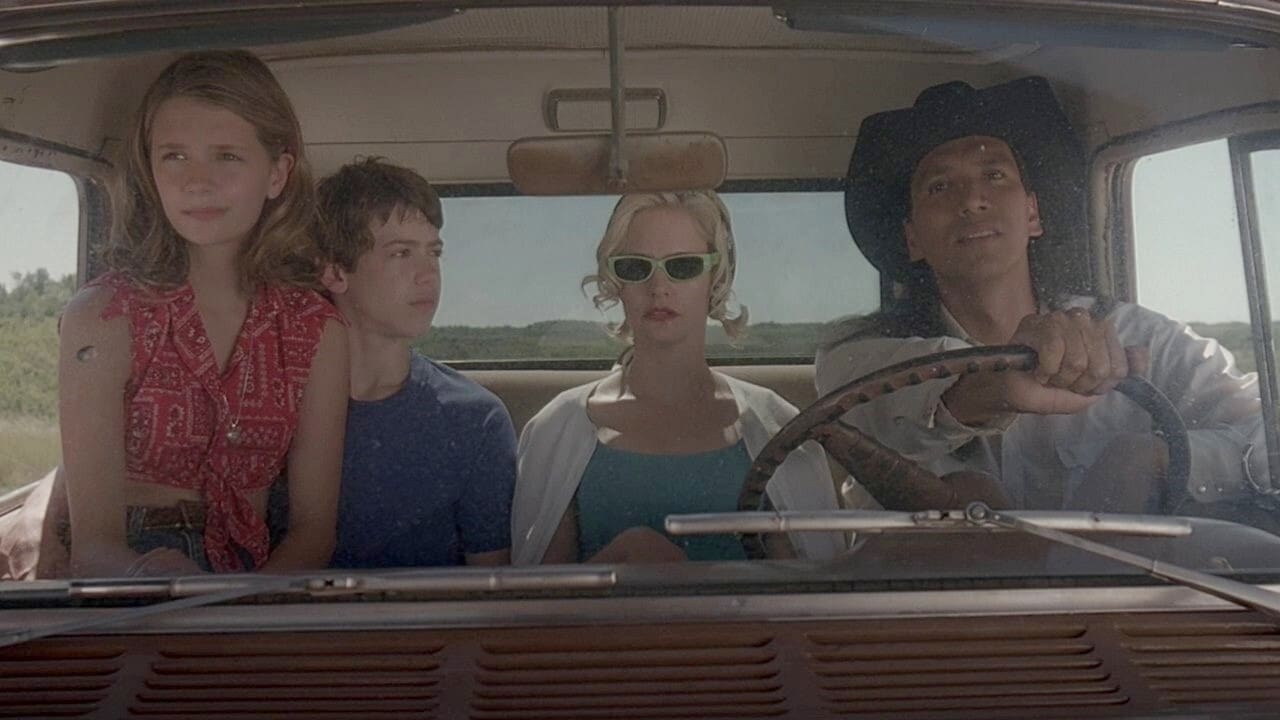
The film transports us not to the year 2000, but to 1964. We follow the recently banished Lydia Callahan (Jennifer Jason Leigh) and her whip-smart, prematurely world-weary 14-year-old son Sam (Bug Hall). Exiled from North Carolina by Lydia’s powerful, unseen father (a senator, no less) for her free-spirited and frankly scandalous ways, they land in the fictional, dusty outpost of GroVont, Wyoming. It's a place where conformity feels like the highest law, a stark contrast to Lydia's bohemian nonchalance. The premise itself sets up a classic fish-out-of-water scenario, but director Tamra Davis, known more for comedies like Billy Madison (1995), finds something more poignant and strange beneath the surface, adapting Tim Sandlin's novel with a curious blend of dark humor and quiet melancholy.
A Mother Unlike Others
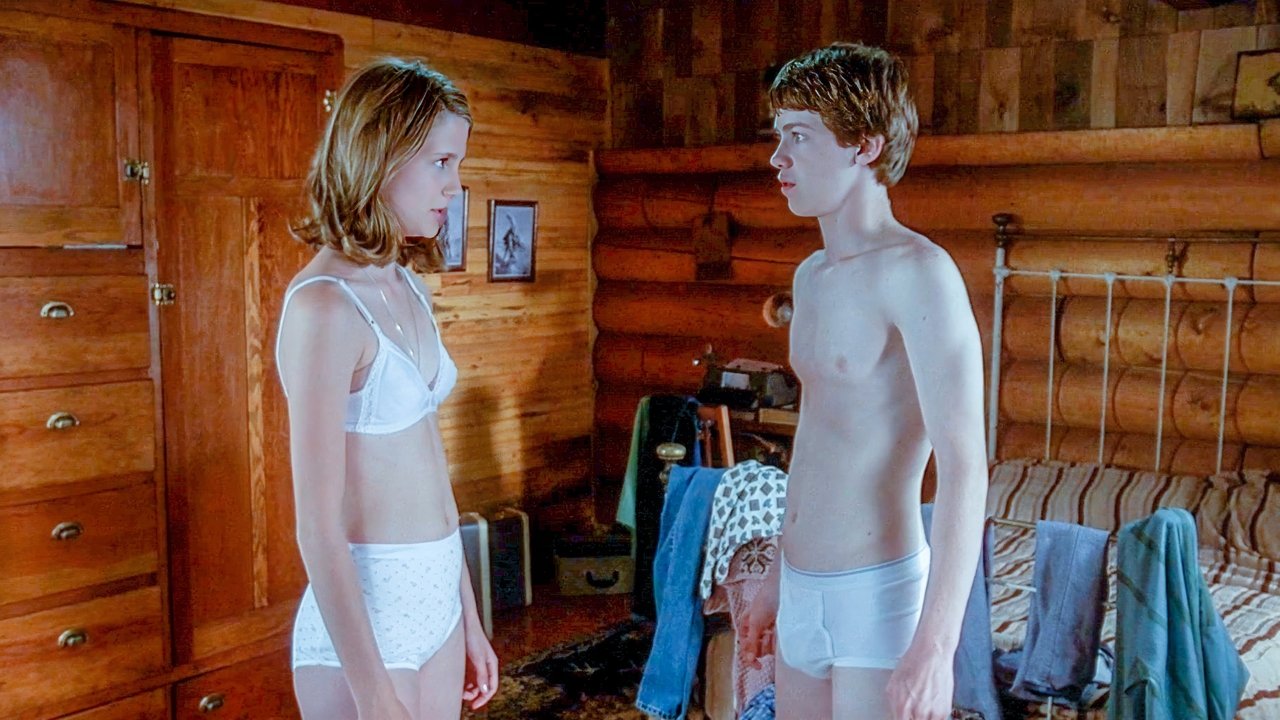
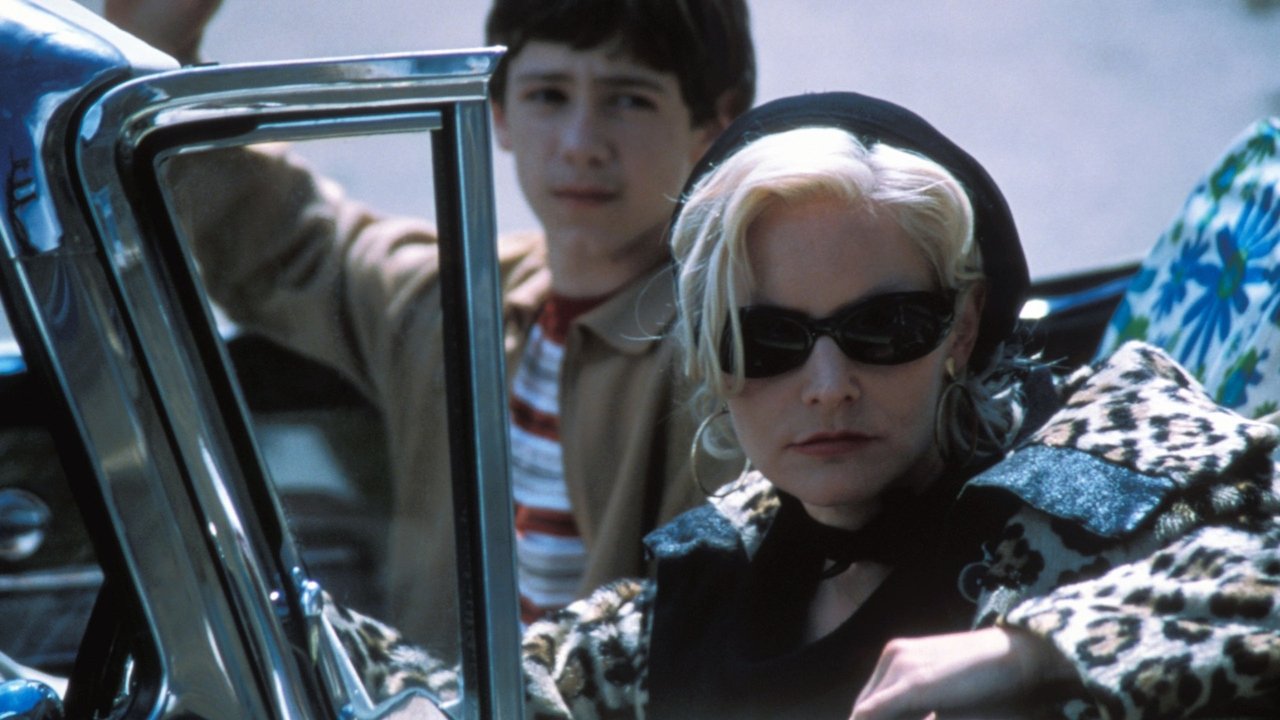
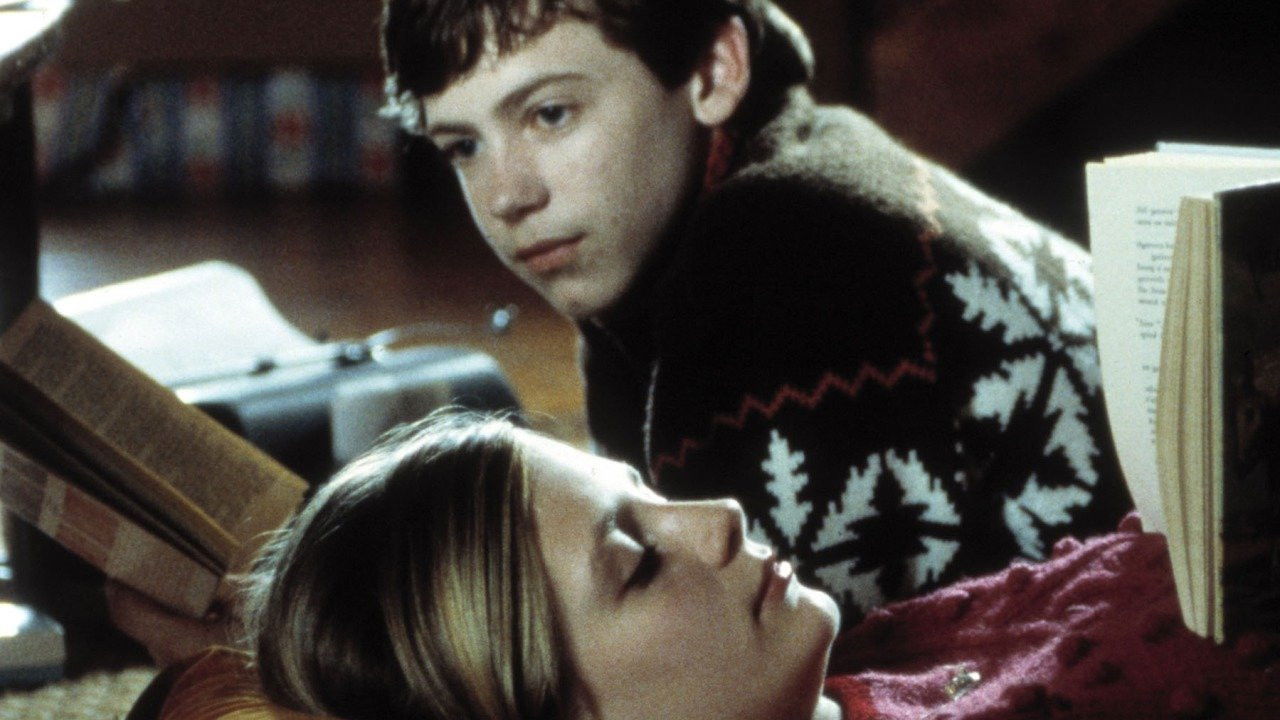
At the core of Skipped Parts is the unconventional relationship between Lydia and Sam. Jennifer Jason Leigh, an actress never afraid to delve into complex, often damaged characters (Fast Times at Ridgemont High, Single White Female), is magnetic as Lydia. She’s frustrating, neglectful even, yet possesses a strange, almost accidental integrity. She encourages Sam's reading ("Anything but the Bible"), offers questionable life advice, and pursues her own desires with little regard for local sensibilities. Leigh doesn't ask us to necessarily like Lydia, but she makes her undeniably human – flawed, yearning, and fiercely protective in her own misguided way. It’s a performance that feels authentic precisely because it avoids easy categorization. You believe her recklessness stems from a genuine, if skewed, life philosophy, not just plot mechanics.
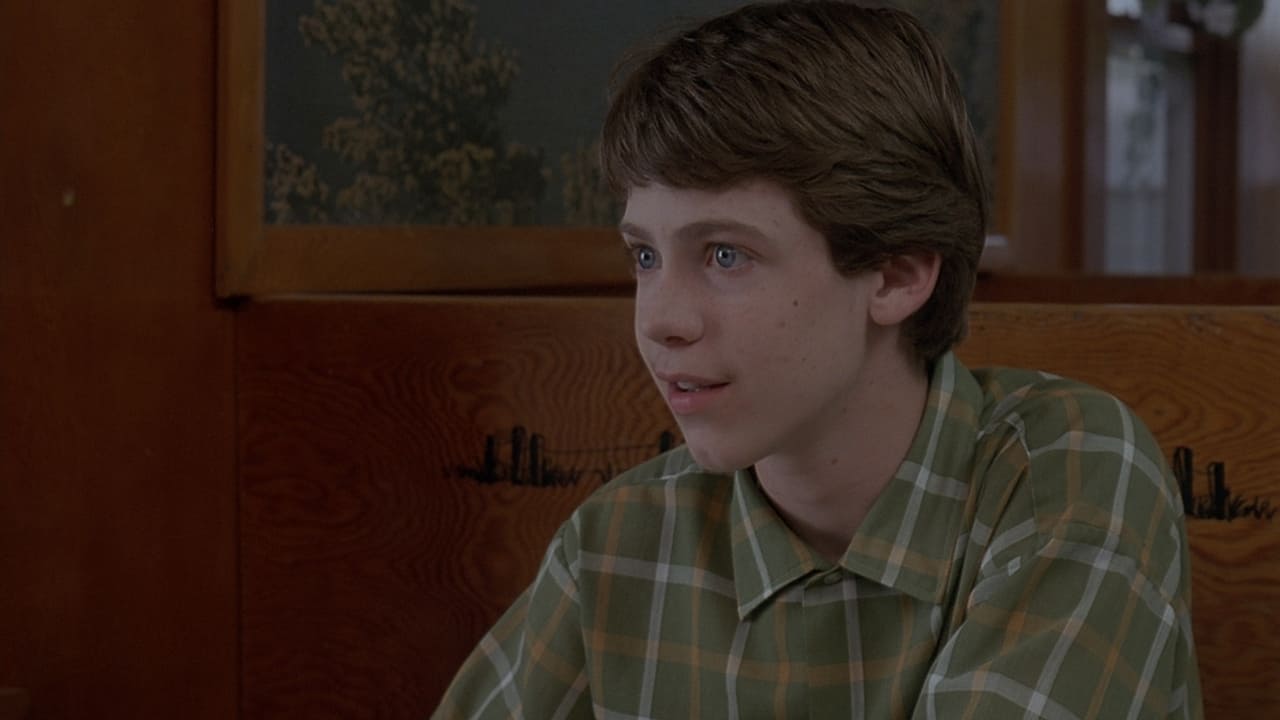
Opposite her, Bug Hall, forever etched in many of our minds as Alfalfa from The Little Rascals (1994), delivers a remarkably mature and grounded performance. Sam is the anchor in their chaotic world, an observer forced into adulthood far too soon. Hall captures that adolescent mix of burgeoning curiosity, embarrassment at his mother’s antics, and a deep, unspoken love for her. His journey through the bewildering landscape of puberty, particularly his awkward, fumbling explorations of sexuality with the equally curious Maury (Mischa Barton, showing early promise before teen drama stardom), forms the film’s other main thread.
Retro Fun Facts: Indie Spirit and Saskatchewan Snow
Skipped Parts feels very much like an independent film of its time – character-driven, slightly offbeat, and made with palpable constraints. Director Tamra Davis, who co-wrote the script with novelist Tim Sandlin, brought a distinct sensibility honed through music videos and comedies, but here she aims for something more layered. Interestingly, while set in Wyoming, the film was actually shot on location in Saskatchewan, Canada, a common practice for productions seeking cost savings – a reminder of the practicalities behind movie magic. There's a certain charm in knowing that the vast, lonely landscapes meant to represent Wyoming were captured elsewhere, a testament to the filmmakers' resourcefulness. The film, based on the first book in Sandlin's "GroVont Quartet," premiered at the Seattle International Film Festival in 2000 but saw only a very limited theatrical release, confirming its status as a title discovered mostly through home video rentals or cable broadcasts – a true child of the shifting media landscape at the turn of the century. You might also spot a brief but memorable cameo from Drew Barrymore and a supporting role for the late, talented Brad Renfro (The Client) as Maury's delinquent cousin, adding to the roster of familiar faces navigating this unusual story.
Awkward Truths and Lingering Questions
The film doesn’t shy away from the awkwardness, and sometimes the uncomfortable nature, of teenage sexual awakening. Sam and Maury’s pact to learn about sex through practical "research" is played partly for laughs, but also with a surprising frankness about adolescent ignorance and desire. It walks a fine line, and whether it always lands perfectly is debatable, but the intent feels honest – exploring that confusing period where hormones and curiosity collide head-on with societal taboos and parental silence. Does the film sometimes feel disjointed, shifting between Sam’s coming-of-age story and Lydia’s struggles? Perhaps. Yet, this slight unevenness mirrors the messy reality of their lives.
What lingers after watching Skipped Parts isn't necessarily a tight plot, but the atmosphere – the dusty small town, the palpable sense of isolation, and the complex dynamic between a mother and son navigating a world that doesn't quite understand them. It asks us to consider what parts of life, or ourselves, we choose to skip over, and which ones we confront, however clumsily. Isn't there something deeply relatable in Sam's attempts to piece together the adult world from fragmented clues and forbidden knowledge?
Rating: 7/10
Skipped Parts earns a solid 7 out of 10. It's not a perfect film; its tone occasionally wavers, and the blend of quirky humor and serious themes might not resonate with everyone. However, its strengths lie in the compelling, nuanced performances, particularly from Jennifer Jason Leigh and Bug Hall, its willingness to tackle awkward subjects with a degree of honesty, and its evocative capture of a specific, off-kilter slice of Americana filtered through a late-90s indie lens. The direction from Tamra Davis is sensitive, and the supporting cast adds texture. It feels like a genuine attempt to tell a different kind of coming-of-age story, making it a worthy rediscovery for those seeking something beyond the mainstream.
It’s one of those films that might have slipped through the cracks back then, easily lost between blockbuster rentals. But revisiting it now feels like uncovering a slightly faded photograph – capturing a moment in time, both in its 1964 setting and its turn-of-the-millennium creation, preserving the awkward, funny, and sometimes painful process of growing up.