It's a curious thing when a film arrives feeling both brand new and like a relic unearthed. Watching Blue Sky back in 1994, there was this strange dissonance. Here were Jessica Lange and Tommy Lee Jones, already established giants, in a picture that felt steeped in an earlier era, not just in its 1960s setting, but in its very cinematic DNA. It turns out, that feeling wasn't entirely wrong.
A Delayed Dawn
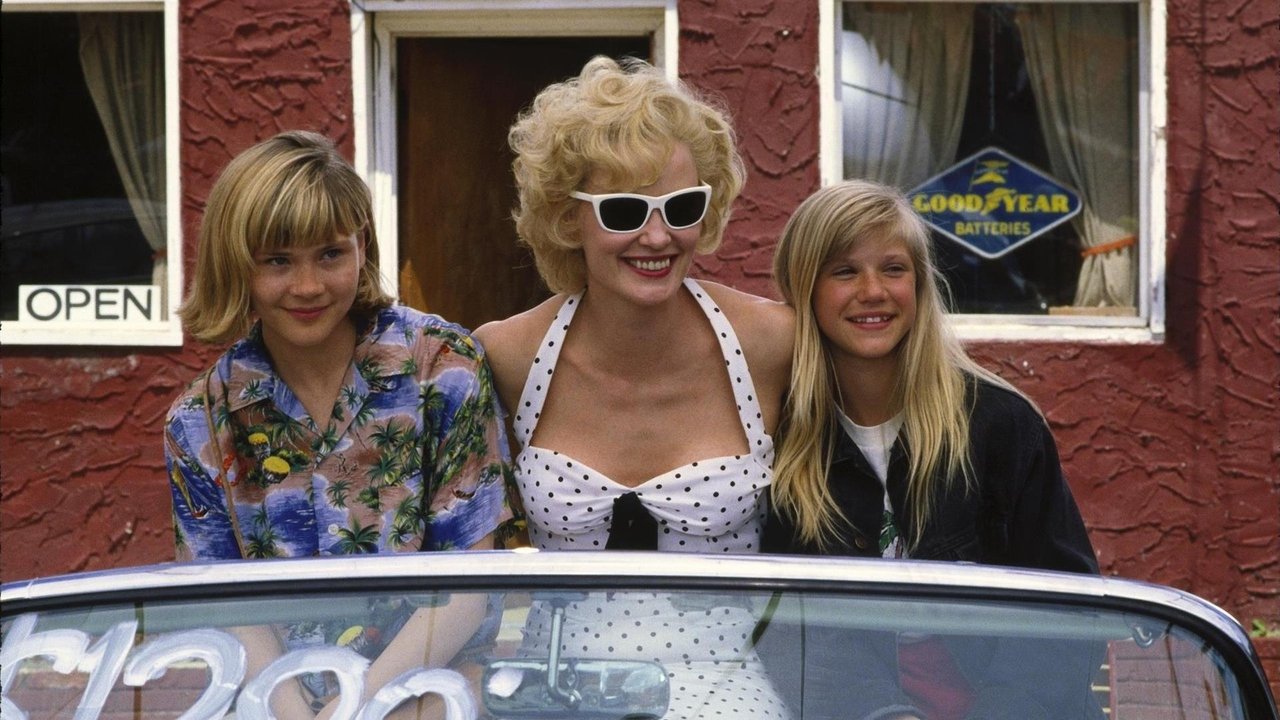
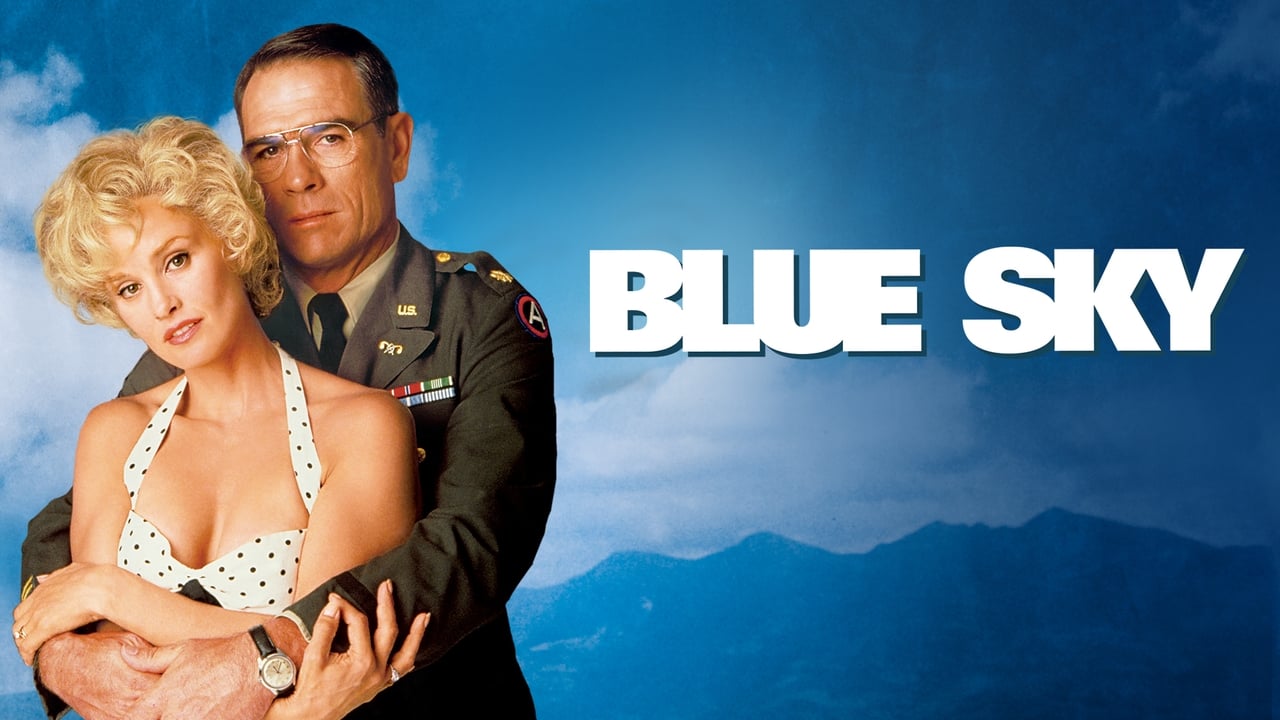
The story behind Blue Sky's journey to the screen is almost as dramatic as the film itself. Shot way back in 1991, it became a casualty of Orion Pictures' well-documented financial implosion, sitting on a shelf for three long years. By the time it finally saw the light of day, its acclaimed director, Tony Richardson (known for searing dramas like Look Back in Anger (1959) and the Oscar-winning Tom Jones (1963)), had sadly passed away, never seeing its release or the eventual, and richly deserved, accolades. Knowing this context adds a layer of poignancy to the viewing experience; it's not just a film, but a rescued piece of artistry, Richardson's final statement. I recall finally finding it at the local video store, the cover art promising a dramatic sweep, unaware then of the turbulent voyage it had taken just to get onto that shelf, nestled between action blockbusters and rom-coms.
Sun-Drenched Surfaces, Stormy Depths
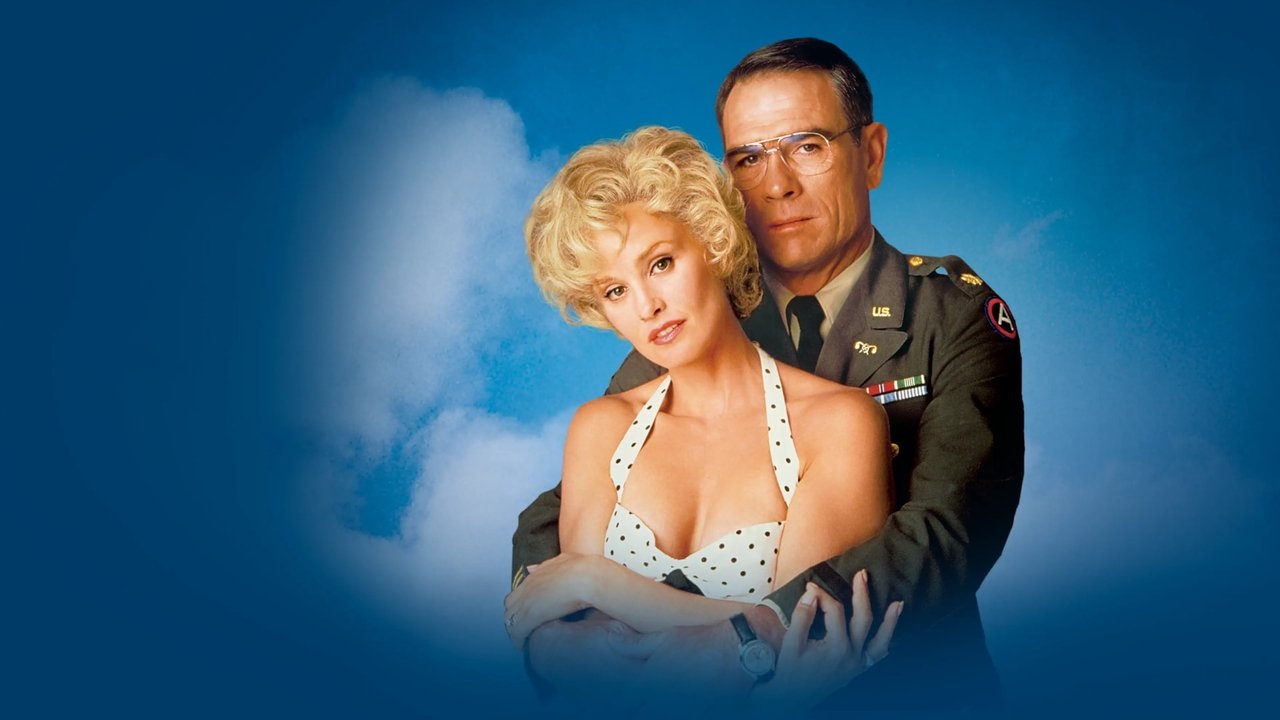
Blue Sky transports us to the early 1960s, an era simmering with Cold War paranoia masked by Technicolor optimism. Major Hank Marshall (Tommy Lee Jones) is a dedicated nuclear engineer tasked with ensuring the safety of atmospheric atomic bomb tests – a job that requires a steady hand and unquestioning loyalty. His wife, Carly (Jessica Lange), is... well, Carly is something else entirely. She's a whirlwind of raw emotion, seductive charm, and alarming instability, a Southern belle archetype amplified and distorted. Her behavior, oscillating between playful exhibitionism and deep insecurity, constantly strains their marriage and clashes with the rigid conformity of military life, especially after they relocate to a remote base in Alabama under the command of the quietly menacing Vince Johnson (Powers Boothe).
The screenplay, penned by Rama Laurie Stagner, Arlene Sarner, and Jerry Leichtling, draws from Stagner's own childhood experiences, lending an air of lived-in authenticity to the family dynamics. It paints a picture of a marriage held together by fierce loyalty and deep, if troubled, love, buckling under the weight of Carly's undiagnosed mental health struggles (likely bipolar disorder, portrayed with sensitivity long before such depictions were common) and Hank's increasingly dangerous work environment.
The Unforgettable Force of Carly Marshall
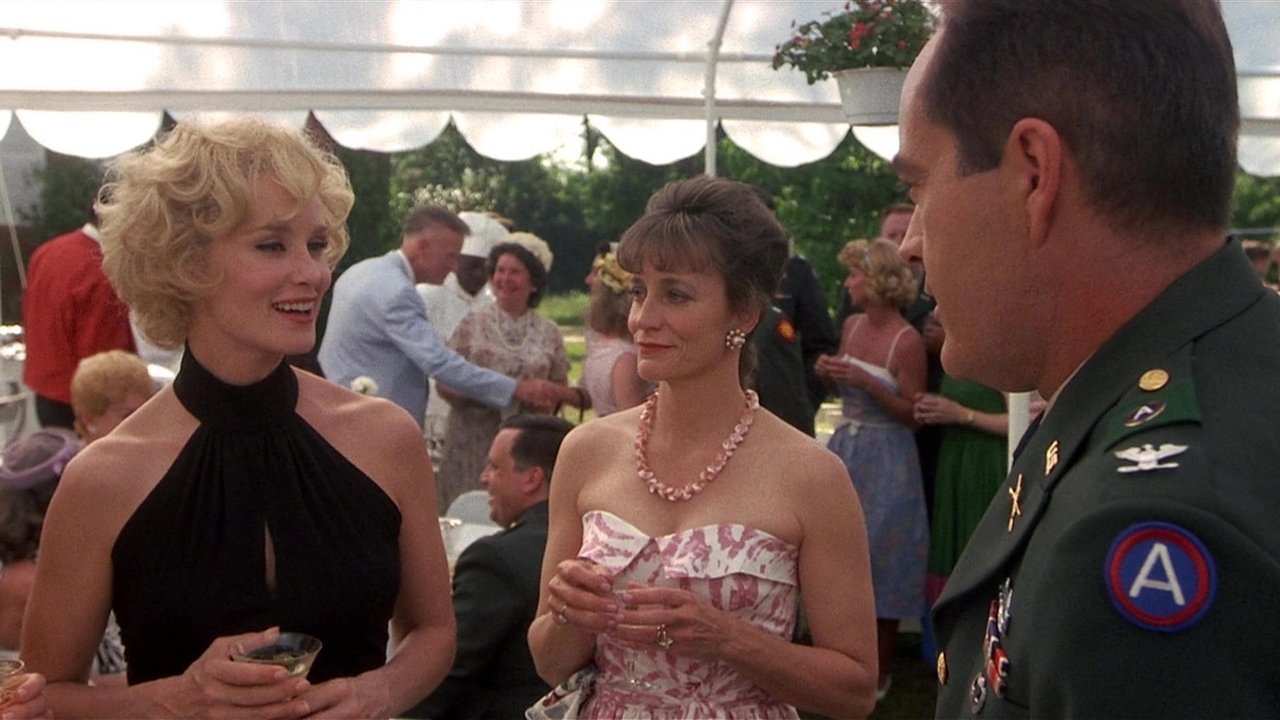
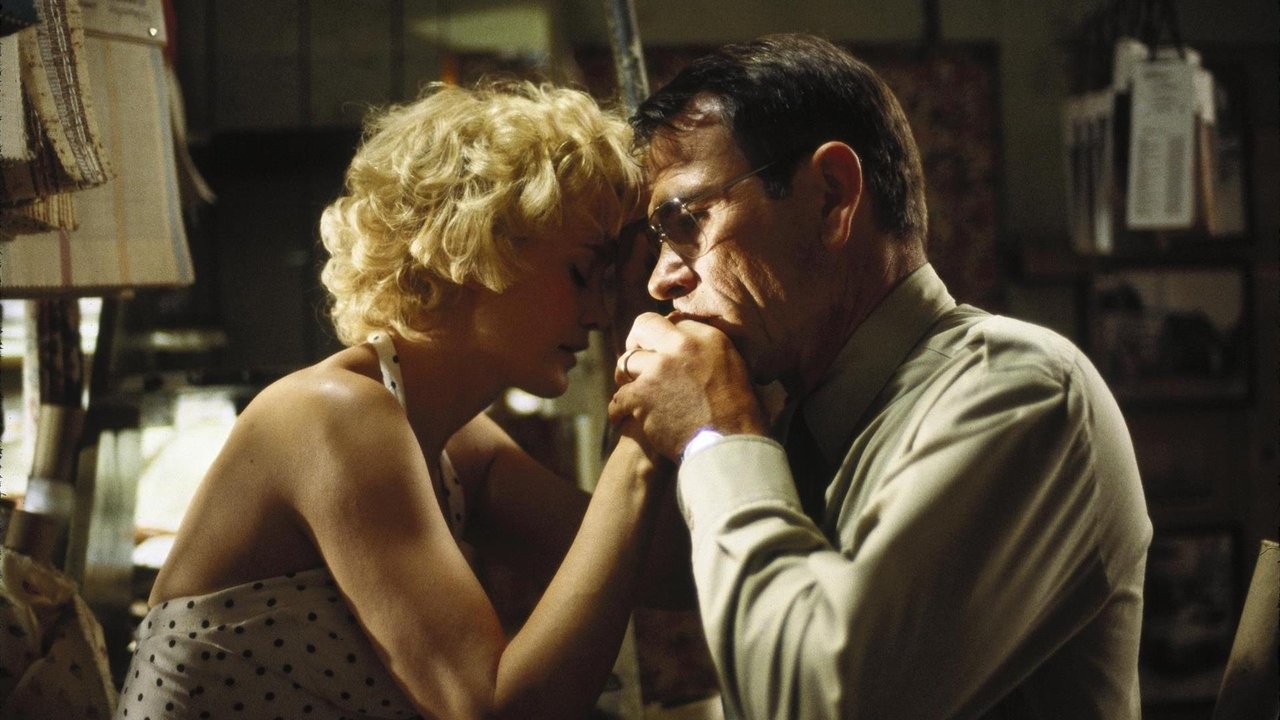
Let's be clear: Blue Sky is anchored, defined, and ultimately elevated by Jessica Lange's astonishing performance. It's a turn that pulses with unpredictable energy, capturing Carly's desperate vivacity, her flagrant disregard for convention, her profound vulnerability, and the sheer terror lurking beneath her flirtatious facade. Lange doesn't just play Carly; she inhabits her, making choices that feel spontaneous, dangerous, and utterly believable. One minute she's doing a provocative dance for the troops, the next she's clinging to Hank with childlike desperation. It's a performance devoid of vanity, laying bare the complex, often contradictory impulses of a woman struggling to stay afloat in a world that doesn't understand her, during a time when her condition lacked a name or effective treatment. Watching it again now, the power hasn't faded one bit. It’s easy to see why the Academy finally awarded her the Best Actress Oscar for this role – it’s simply unforgettable, a career highlight even amidst her many acclaimed performances (like her earlier win for Tootsie (1982)).
Quiet Dignity Under Pressure
Opposite Lange's fireworks, Tommy Lee Jones delivers a masterclass in understated strength and simmering frustration. Hank Marshall is a good man trapped in an impossible situation. He loves Carly fiercely, protectively, even when her actions humiliate him or put his career in jeopardy. Jones conveys Hank's internal conflict – his duty versus his conscience, his love versus his exhaustion – often through little more than a clenched jaw or a weary gaze. His loyalty is tested not only by Carly's unpredictable behavior and the predatory attentions of his superior officer, but also by the dawning realization that the nuclear tests he oversees, codenamed "Blue Sky," might be far more dangerous than the military admits, potentially harming civilians downwind. Jones, already a commanding presence in films like The Fugitive (1993), provides the essential grounding that makes Carly's volatility resonate so powerfully. Their scenes together crackle with the complex history of a long, difficult love.
Richardson's Final Frame
Tony Richardson directs with a sure hand, capturing the specific atmosphere of the early 60s – the look, the music, the underlying tension beneath the seemingly placid surface. He contrasts the vast, open skies of the testing grounds (filmed partly on location in Alabama and Florida) with the claustrophobia of the Marshalls' domestic life and the rigid hierarchy of the military base. The film doesn't shy away from the darker implications of Hank's work, weaving the personal drama into a broader critique of institutional secrecy and the human cost of the nuclear arms race. There's a deliberate pacing, allowing the character dynamics to breathe and develop, building towards a climax where personal betrayal and governmental cover-up dangerously intertwine. It feels like a film Richardson deeply cared about, making its posthumous release all the more bittersweet.
Legacy of a Rescued Gem
Blue Sky isn't a perfect film; the plot involving the cover-up sometimes feels a little secondary to the towering central performance and the marital drama. But its strengths are undeniable. It offers a complex, compassionate look at mental illness and marital devotion, set against a fascinating, morally ambiguous historical backdrop. And then there is Lange. Her performance alone makes this film essential viewing, a raw, luminous portrayal that lingered long after the VHS tape was ejected. What lingers most, perhaps, is the resilience of the human spirit – Carly's desperate fight for selfhood, Hank's unwavering loyalty, and even the film's own unlikely journey from the studio vaults to critical acclaim. It’s a potent reminder that sometimes, the most powerful stories are the ones that almost don’t get told.
Rating: 8/10
This score is earned primarily through Jessica Lange's monumental, Oscar-winning performance and the compelling, nuanced portrayal of a complex marriage by both her and Tommy Lee Jones. Tony Richardson's sensitive direction and the film's thoughtful exploration of difficult themes against a unique historical setting further elevate it. While the thriller subplot feels slightly less developed, the core human drama is potent and unforgettable, making its rescue from distribution limbo a genuine gift to cinema.
Final Thought: A film that proves powerhouse acting can illuminate the darkest corners of the human heart, even when buried by industry turmoil – a true gem rediscovered from the near-lost shelves of the early 90s.