Midnight in the Garden of Good and Evil
Step into Savannah, Georgia, through the lens of Clint Eastwood's 1997 adaptation of Midnight in the Garden of Good and Evil, and you enter a world dripping with Spanish moss, Southern charm, and secrets as thick as the humid summer air. It's a place that feels less like a setting and more like a central character – enigmatic, beautiful, and perhaps harboring something unsettling just beneath the surface. Watching it again now, years after pulling that distinctive VHS box off the rental shelf, likely drawn in by the stellar cast or the reputation of John Berendt's non-fiction novel phenomenon it was based on, evokes a specific kind of late-90s cinematic mood: literate, character-driven, and unafraid to luxuriate in its own peculiar atmosphere.
A Stranger in a Strange Land
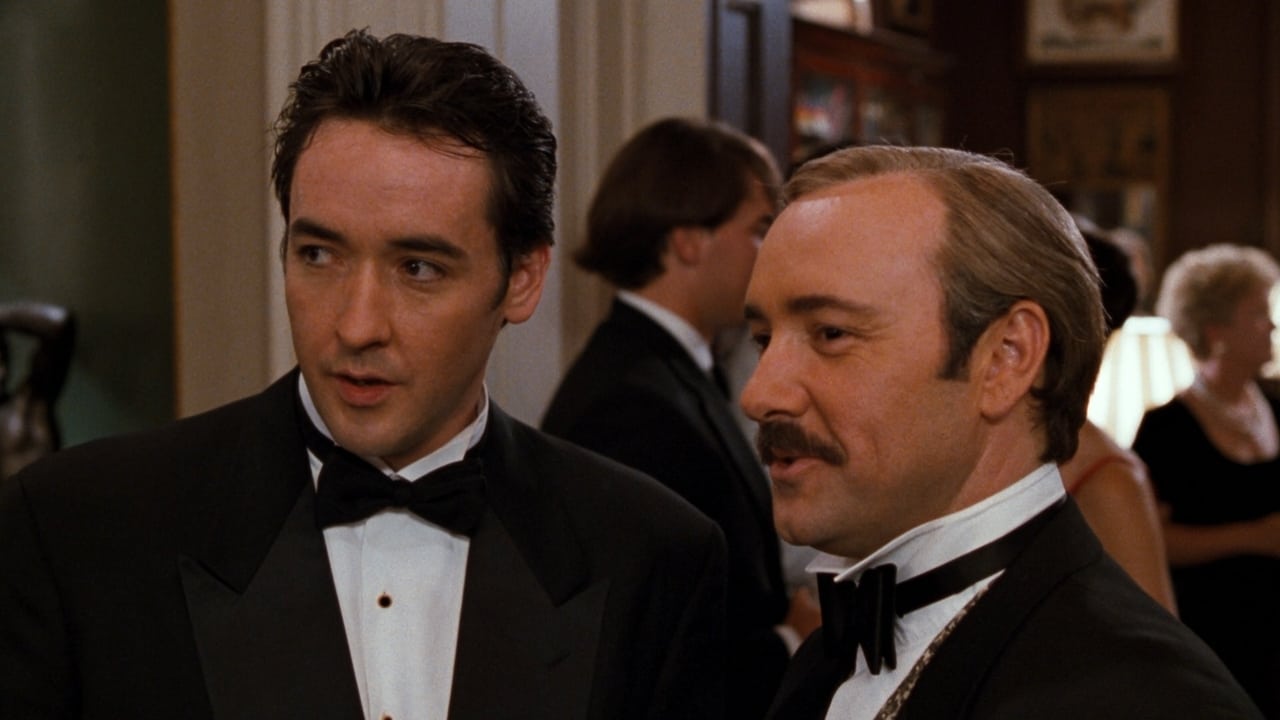
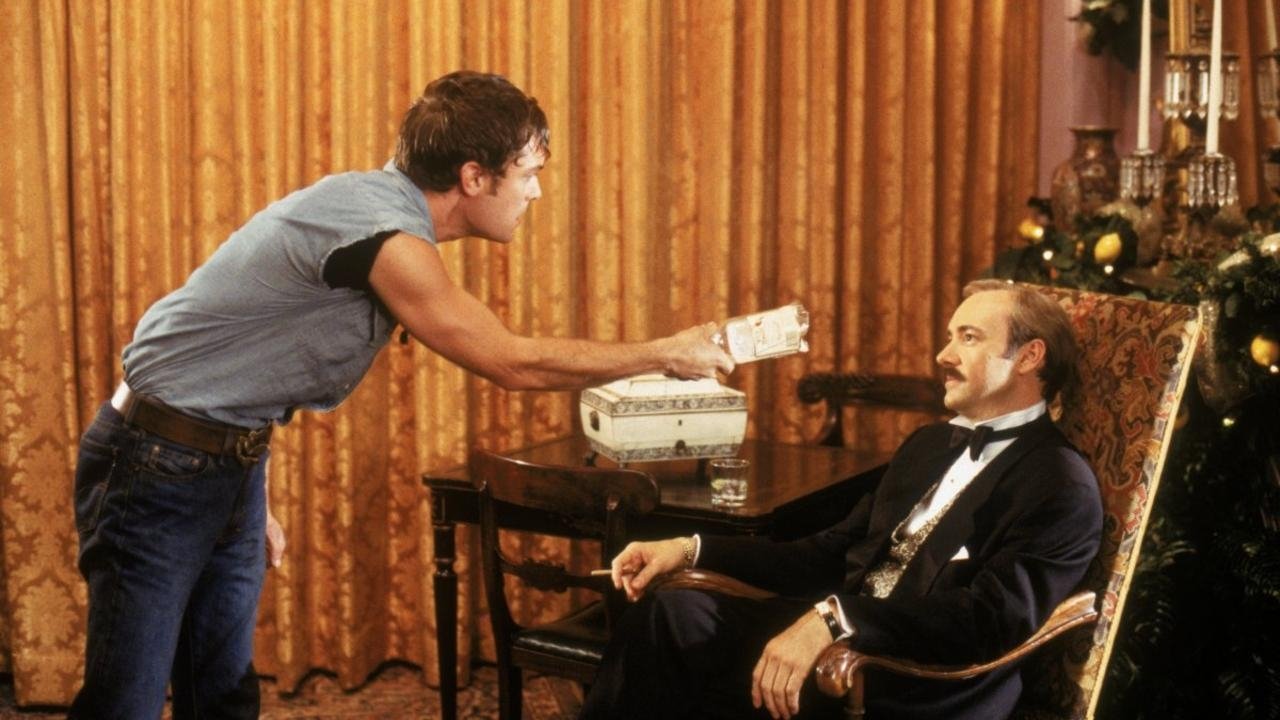
The film invites us into this world through the eyes of John Kelso (John Cusack), a writer dispatched from Town & Country magazine (changed from Esquire in the book) to cover one of Savannah's legendary Christmas parties, hosted by the affluent, impeccably mannered antiques dealer Jim Williams (Kevin Spacey). Cusack, often the wry hero in films like Say Anything... (1989) or Grosse Pointe Blank (1997), plays Kelso as an observer, a slightly bemused Northerner gradually pulled deeper into the city's idiosyncratic social web. He's our surrogate, initially charmed by the elegance and eccentricities, but soon finds his simple assignment morphing into something far more complex when Williams is accused of murdering his volatile young lover, Billy Hanson (Jude Law in an early, magnetic role).
What unfolds isn't a straightforward murder mystery. Instead, Eastwood uses the trial as a framework to explore the rich tapestry of Savannah's inhabitants. The film, much like the book, understands that the "who-dunnit" is perhaps less interesting than the "who's who" of this unique ecosystem. It introduces us to a gallery of unforgettable characters, many based directly on their real-life counterparts, who seem to exist slightly outside the bounds of conventional reality.
Savannah's Own Orbit
Herein lies the film's most potent magic and, arguably, its greatest challenge in adaptation. Kevin Spacey, riding high on his mid-90s acclaim (The Usual Suspects, Se7en), embodies Jim Williams with a captivating blend of sophistication, wit, and veiled danger. His performance is a masterclass in ambiguity; you're never quite sure if his composure masks innocence or profound calculation. It's a performance that anchors the film, portraying a man who seems to control his opulent world utterly, until violence shatters the facade.
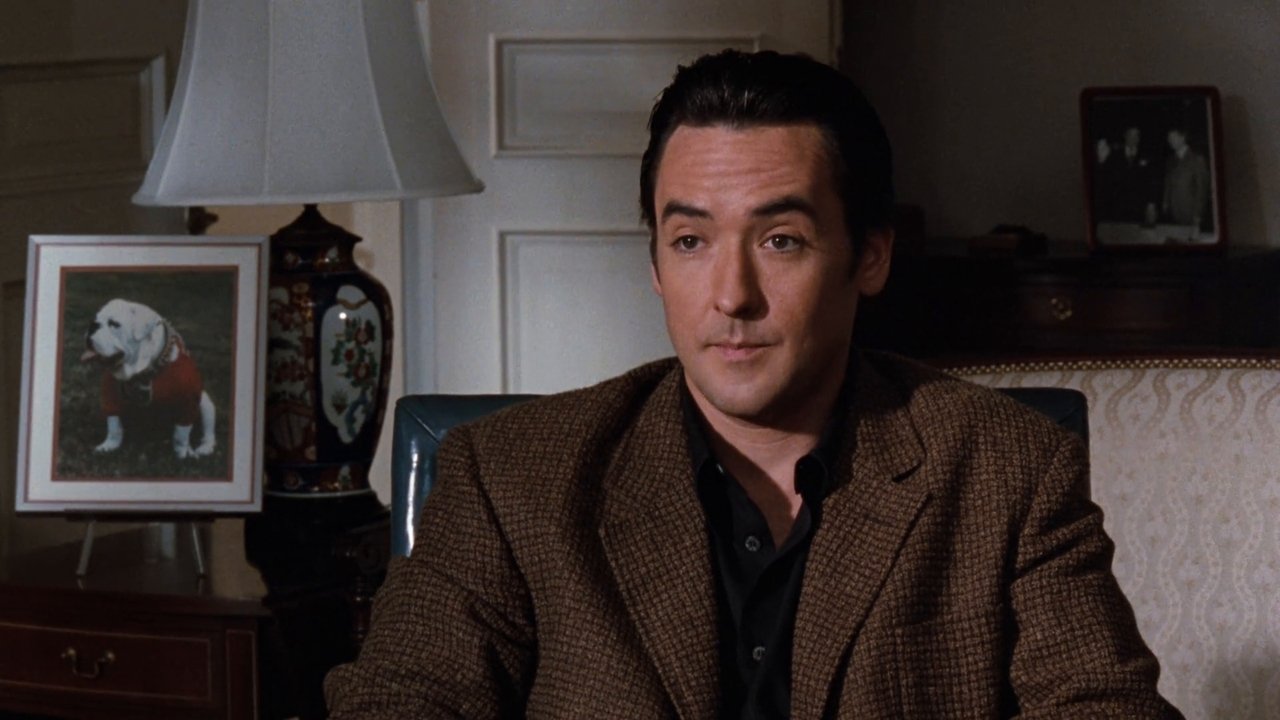
But it's the supporting cast, the satellites orbiting Williams' gravitational pull, that truly define the film's unique flavor. Jack Thompson delivers a sturdy performance as Williams' determined lawyer, Sonny Seiler (playing alongside Uga V, the actual University of Georgia mascot bulldog, as was tradition for the Seiler family). And then there are the figures who feel plucked directly from Berendt's pages, lending the film an almost docu-drama feel at times. Irma P. Hall is wonderfully memorable as Minerva, the voodoo practitioner whose mystical interventions play a surprisingly significant role.
And, of course, there's Lady Chablis. The decision by Eastwood – a director then primarily associated with gritty Westerns (Unforgiven) and tough thrillers (In the Line of Fire) – to cast the real-life transgender performer as herself was inspired. Chablis bursts onto the screen with irrepressible energy, humor, and raw honesty, stealing every scene she's in. Her presence isn't just comic relief; it’s a vital part of the film’s exploration of Savannah's tolerance for eccentricity, a place where someone like Chablis could be both an outsider and an integral part of the social fabric. It’s a fascinating piece of behind-the-scenes trivia that she essentially crashed her audition, charming Eastwood and the casting director instantly, ensuring her irreplaceable role in the film.
Atmosphere Over Acceleration
Eastwood, working with cinematographer Jack N. Green (a frequent collaborator), captures Savannah beautifully. The film looks gorgeous, drenched in the golden light filtering through ancient oaks and the shadowy elegance of historic mansions like Mercer House (Williams' actual home, used prominently in filming). The score, heavily featuring songs by Savannah native Johnny Mercer, adds immeasurably to the sense of place. Yet, this dedication to atmosphere sometimes comes at the expense of narrative momentum.
Adapting Berendt's sprawling, anecdotal book was always going to be difficult. John Lee Hancock’s screenplay streamlines events but occasionally struggles to weave the disparate character threads and plot points into a completely cohesive whole. Kelso's romantic subplot feels somewhat underdeveloped, and some of the secondary characters, while fascinating, sometimes feel like detours rather than integral parts of the central narrative thrust. The film luxuriates in its setting and characters, sometimes forgetting the urgency a murder trial might typically demand. This isn't necessarily a flaw, but rather a deliberate choice that might test the patience of viewers expecting a taut thriller. I recall watching it back then, feeling drawn into the world but also occasionally adrift in its leisurely pace.
It’s interesting to note that while the book was a runaway bestseller, the film adaptation, made on a respectable $50 million budget, didn't quite achieve the same blockbuster status, grossing around $25 million domestically. Perhaps its languid pace and focus on quirky characters over plot mechanics made it a tougher sell for mainstream audiences expecting a more conventional mystery from Eastwood.
Lingering Shadows and Southern Comfort
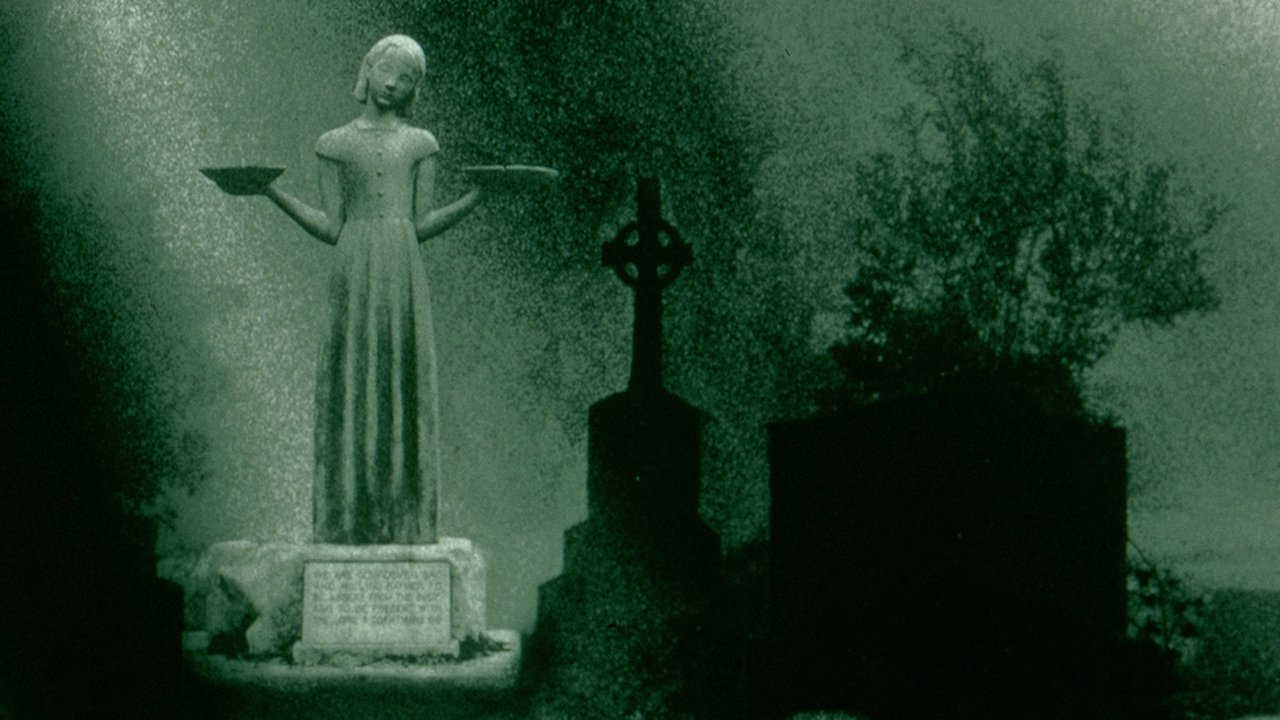
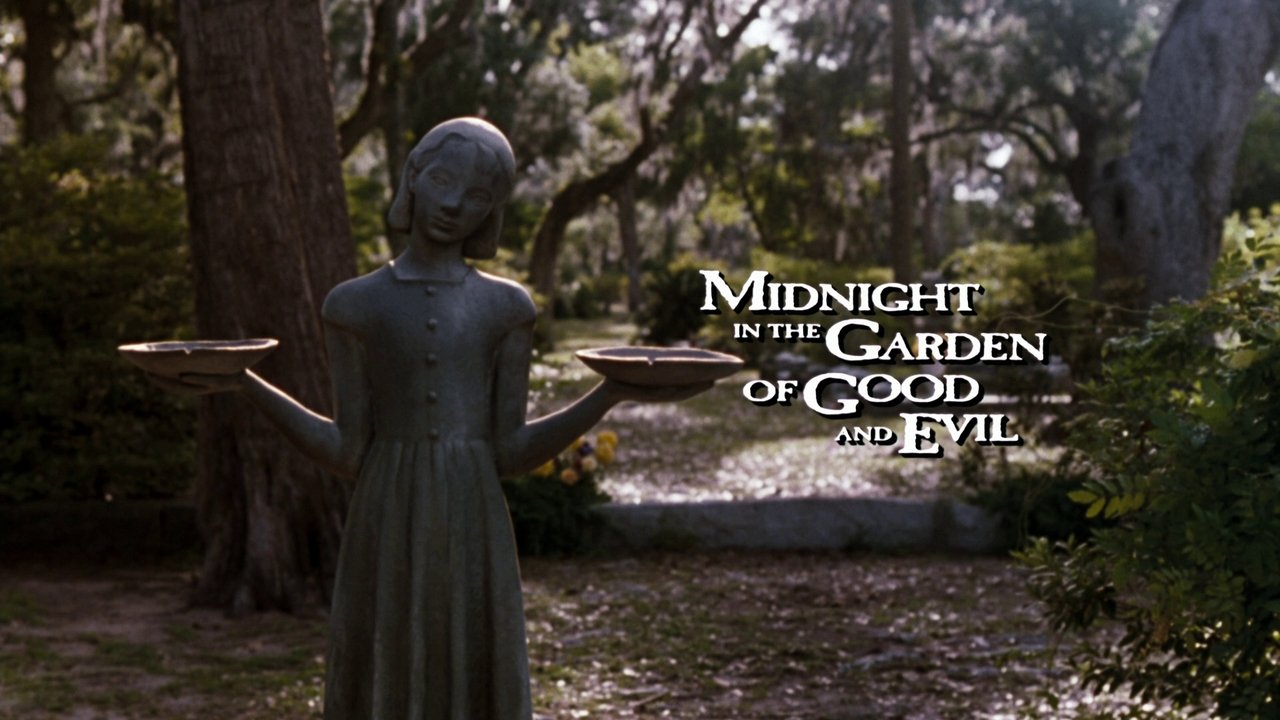
What lingers long after the credits roll isn't necessarily the resolution of the trial, but the feeling of having visited a place unlike any other. It’s the image of the haunting "Bird Girl" statue (which, thanks to the book and film's popularity, had to be relocated from Bonaventure Cemetery to protect it), the sound of Chablis' infectious laugh, the taste of Southern Gothic served with a side of wry observation. The film asks us to consider the nature of truth in a town built on appearances, where charm can be a weapon and secrets are cultivated like prize-winning camellias. How much darkness can a community tolerate, or even tacitly encourage, as long as decorum is maintained?
Midnight in the Garden of Good and Evil isn't a perfect film. Its structure can feel episodic, and its central mystery sometimes gets lost amidst the vibrant personalities. But its atmosphere is intoxicating, its key performances are superb, and its depiction of Savannah’s unique culture is unforgettable. It captures a specific kind of Southern eccentricity that feels both timeless and distinctly of its place.
Rating: 7/10
Justification: The film excels in atmosphere, central performances (Spacey, Chablis), and capturing the unique spirit of Savannah and Berendt's book. However, its leisurely pacing and sometimes fragmented narrative structure prevent it from reaching true greatness as a mystery or drama, leaving some potential underdeveloped. It earns a solid 7 for being a fascinating, beautifully crafted character study steeped in place, even if the storytelling occasionally meanders.
Final Thought: Like a humid Savannah evening, the film lingers – less a gripping thriller and more a mood piece that pulls you into its strange, captivating world and doesn't quite let go.