How fragile is the surface of picturesque tranquility? That's the question that lingers long after the credits roll on Claude Chabrol's deceptively calm thriller, The Color of Lies (Au cœur du mensonge, 1999). It doesn’t begin with a bang, but with a quiet dread that seeps into the salty air of a coastal town in Brittany, much like the tide slowly claiming the shore. The discovery of a murdered ten-year-old girl sends ripples through the community, and suspicion, insidious and corrosive, begins to coalesce around one man.
The Quiet Man Under Scrutiny
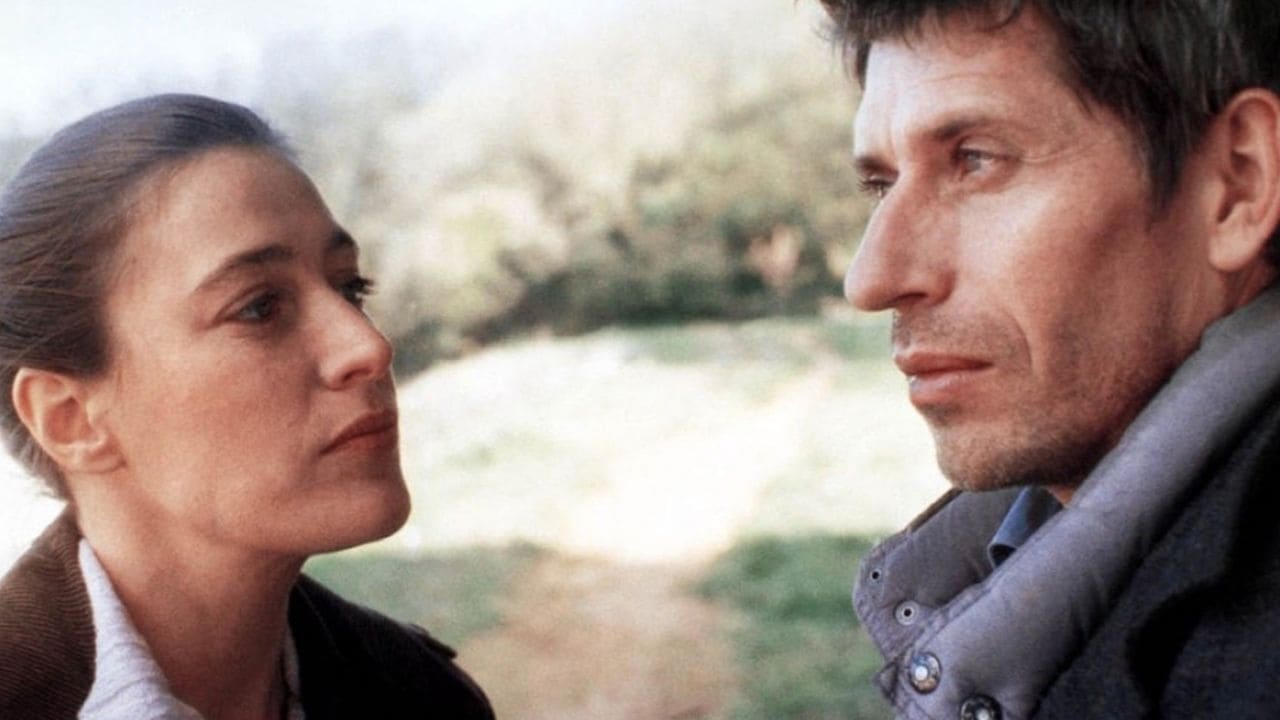
At the heart of the storm stands René Sterne, played with an extraordinary, unnerving stillness by Jacques Gamblin. René is a respected art teacher, a painter whose own work perhaps doesn't quite reach the heights he aspires to, married to the town's dedicated doctor, Viviane (Sandrine Bonnaire). He was the last person known to see the young victim alive. Gamblin embodies René not as a caricature of guilt or innocence, but as an inscrutable presence. His quiet nature, his artistic sensitivity, his slightly melancholic air – are these signs of a gentle soul wrongly accused, or the carefully constructed facade of something darker? It’s a performance built on nuance, where a averted gaze or a hesitant word carries immense weight. We lean in, searching his face for answers, but Chabrol, ever the master manipulator, offers only ambiguity.
Chabrol's Canvas: Small Town, Big Secrets
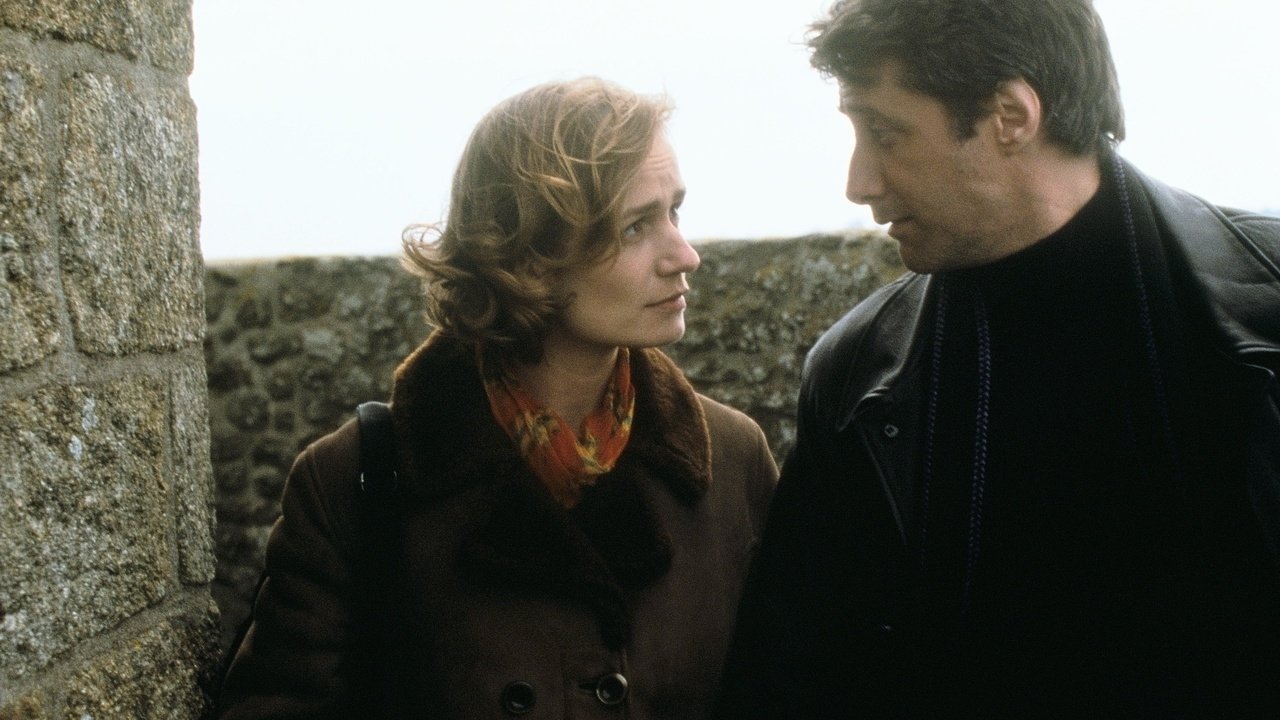
This is classic Chabrol territory, reminiscent of his earlier masterful dissections of provincial life like Le Boucher (1970). The director, often dubbed the "French Hitchcock," isn't interested in flashy chases or shocking twists in the conventional sense. Instead, he meticulously paints a portrait of a community turning inwards, where gossip travels faster than evidence, and long-held resentments bubble to the surface under pressure. The picturesque setting of Saint-Malo isn't just backdrop; its winding streets and weathered stone feel almost complicit, holding secrets within their ancient embrace. Chabrol uses the seemingly idyllic environment to heighten the sense of unease – the rot hidden beneath the charming exterior. He'd explored similar themes of hidden darkness within seemingly normal relationships just a few years earlier with Bonnaire in the chilling La Cérémonie (1995), and that film's shadow hangs lightly here.
Interlopers and Observers
Into this tense atmosphere arrive two key outsiders. There's the lead investigator, Inspector Frédérique Lesage, portrayed with sharp intelligence and a weary professionalism by Valeria Bruni Tedeschi. She observes, she probes, methodical and detached, representing the rational force attempting to navigate the emotional currents of the town. Interestingly, Sandrine Bonnaire's character, Viviane, the supportive wife, shares the first name Frédérique with the inspector in the original French version, a subtle Chabrol touch perhaps hinting at mirrored roles or perspectives, though this detail is often lost in translation or goes unmentioned.
Then there's Germain-Roland Desmot (Antoine de Caunes), a flamboyant, successful author – a former pupil of René's, now embodying everything René is not: loud, celebrated, commercially triumphant, and utterly self-absorbed. De Caunes, known more widely in France as a television personality, is perfectly cast as this preening peacock, his presence amplifying the town's anxieties and René's quiet frustrations. He represents the intrusion of media sensationalism, hungry for a story, contrasting sharply with René’s introspective world. The tension between these two men, simmering with professional jealousy and unspoken history, adds another layer to the film's psychological complexity.
The Slow Burn of Suspicion
The Color of Lies isn't a film for those seeking rapid-fire revelations. It moves at a deliberate pace, allowing the suspicion to fester, letting the audience share in the characters' uncertainty. Chabrol is less concerned with who did it than with the effects of the accusation on individuals and the community. How does suspicion change perception? How easily can a reputation, carefully built over years, be dismantled by whispers and conjecture? What happens when the quiet rhythms of life are disrupted by violence and mistrust? These are the questions Chabrol poses, leaving the viewer to ponder the unsettling answers. The film feels like a throwback even for 1999 – a mature, patient character study masquerading as a whodunit, the kind of European thriller that used to be a coveted find on the arthouse shelf at the local video store, perhaps one of the last breaths of that specific style before the millennium turned.
Final Thoughts
The Color of Lies is a testament to Claude Chabrol's enduring mastery. It's a subtle, intelligent, and deeply unsettling examination of human nature under pressure. The performances, particularly from Gamblin and Bonnaire, are pitch-perfect in their restraint and emotional depth. While perhaps not reaching the iconic status of his absolute greatest works, it remains a potent example of his skill in crafting atmosphere and exploring the dark corners of the human psyche hidden beneath polite society. It’s a film that understands that the most damaging lies are often the ones we tell ourselves, or the ones we allow ourselves to believe about others.
Rating: 8/10 - This score reflects the film's masterful direction, superb performances, and deeply resonant psychological tension. It's a meticulously crafted slow-burn, justified by its depth and Chabrol's confident hand, though its deliberate pacing might test viewers seeking conventional thriller mechanics.
It leaves you questioning not just the characters' truths, but the very nature of judging others – a quiet unease that perfectly captured the mood as the VHS era itself was drawing to a close.