The heat seems to rise right off the screen, doesn't it? That almost palpable sense of shimmering sun, azure water, and the lazy, privileged boredom of the ultra-wealthy trapped together on an exclusive island resort. Evil Under the Sun (1982) invites us into a world seemingly designed for luxurious escape, but as with any gathering curated by the great Dame Agatha Christie, darkness inevitably lurks beneath the impeccable surfaces. Watching it again now, decades after first sliding that chunky VHS tape into the VCR, the film feels less like a simple whodunit and more like a perfectly preserved time capsule of cinematic glamour and intricate plotting.
An Invitation to Intrigue
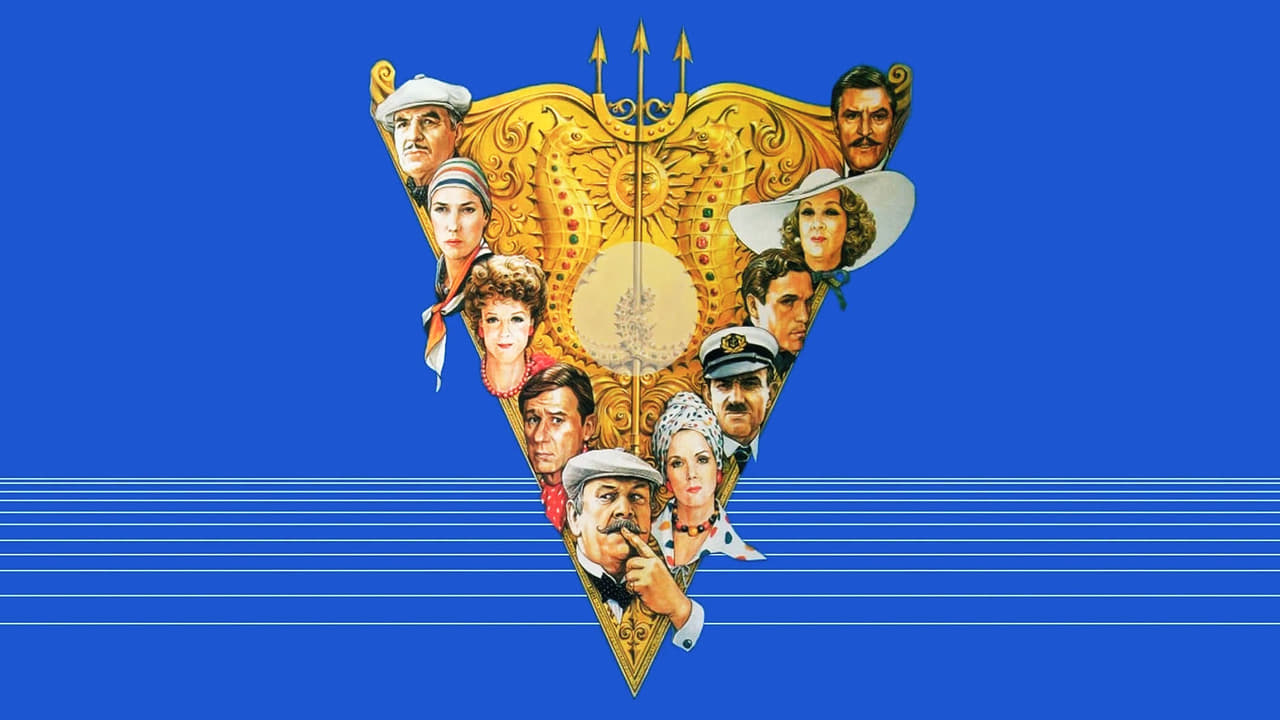
Following the success of Death on the Nile (1978), producer John Brabourne reassembled much of the key creative team for another Christie adaptation, wisely bringing back screenwriter Anthony Shaffer (whose genius also gave us the twisty masterpiece Sleuth (1972)) and director Guy Hamilton, perhaps best known for helming iconic Bond outings like Goldfinger (1964) and Live and Let Die (1973). The setting shifts from the Nile to a secluded Adriatic isle (beautifully realized, mostly, by filming on location in Majorca, Spain), where Hercule Poirot, played with characteristic relish by Peter Ustinov, finds his holiday rudely interrupted by murder. The victim? Arlena Stuart Marshall (a perfectly provocative Diana Rigg), a glamorous, narcissistic former actress universally despised by the other guests – a veritable buffet of suspects for our Belgian detective.
Shaffer's script is a masterclass in adaptation, streamlining Christie's narrative while retaining its core puzzle and enhancing the witty, often barbed, dialogue. Hamilton, drawing on his Bond experience, keeps the pacing brisk and the visuals appealing, making the most of the stunning locations and the exquisite period detail. There’s a confidence to the filmmaking here, a sense that everyone involved knows exactly what kind of enjoyable, sophisticated entertainment they are crafting.
A Parade of Stars Under Suspicion
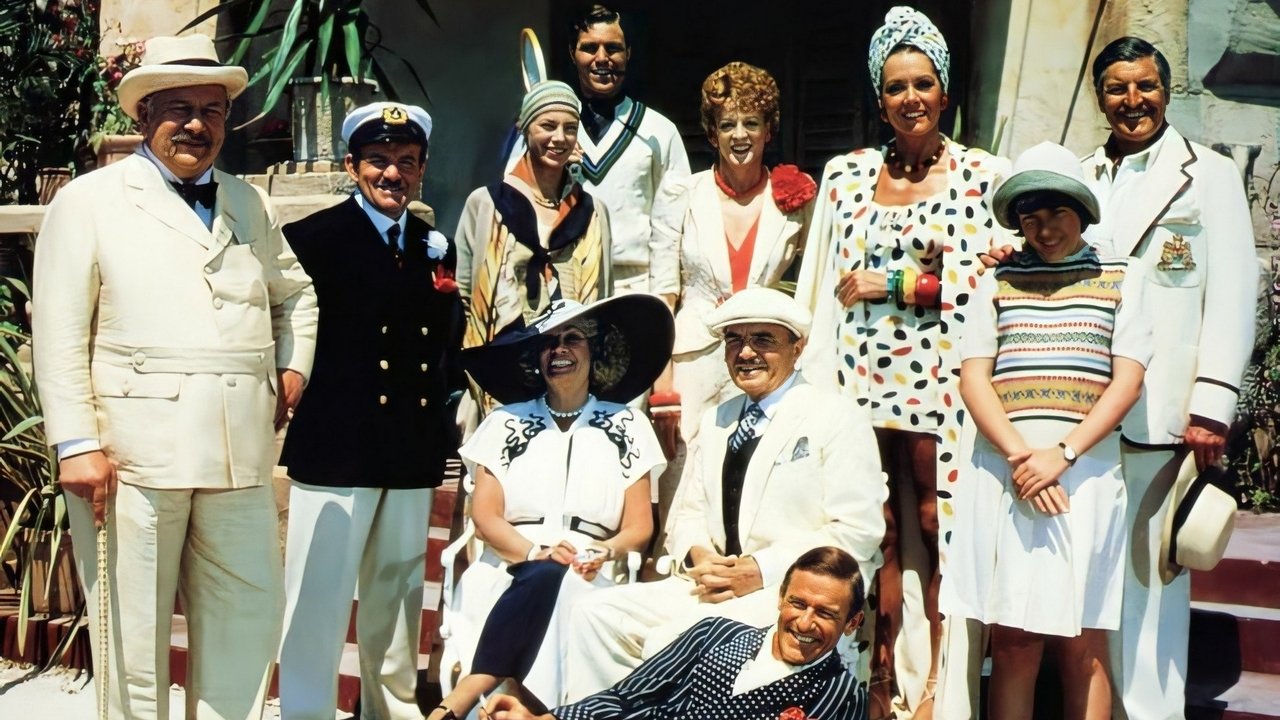
Part of the sheer joy of these grand Christie adaptations from the 70s and 80s was always the casting, and Evil Under the Sun is no exception. It’s like watching a particularly exclusive, and potentially homicidal, house party. Ustinov, in his second outing as Poirot, embodies the detective's eccentricities and sharp intellect with delightful flair. He’s less overtly mannered than some interpretations, bringing a warmth and subtle weariness that feels entirely right for a man constantly confronted by the worst of human nature, even while on vacation.
Surrounding him is pure acting royalty. Maggie Smith as Daphne Castle, the shrewd, perpetually exasperated hotel owner, trades delicious barbs with everyone, particularly Rigg’s Arlena. Their scenes together crackle with barely concealed animosity. James Mason brings his trademark gravitas to Odell Gardener, while the wonderfully expressive Sylvia Miles plays his theatrical wife, Myra. Colin Blakely is wonderfully flustered as the cuckolded Sir Horace Blatt, and Jane Birkin provides a contrasting note of brittle fragility as Christine Redfern, whose unassuming nature might just be another layer of disguise. Even Roddy McDowall appears, chewing the scenery with gusto as the gossipy columnist Rex Brewster. Each actor understands the assignment: deliver distinct characterizations, hint at hidden motives, and look absolutely fabulous doing it.
Glamour, Sunshine, and Shadow
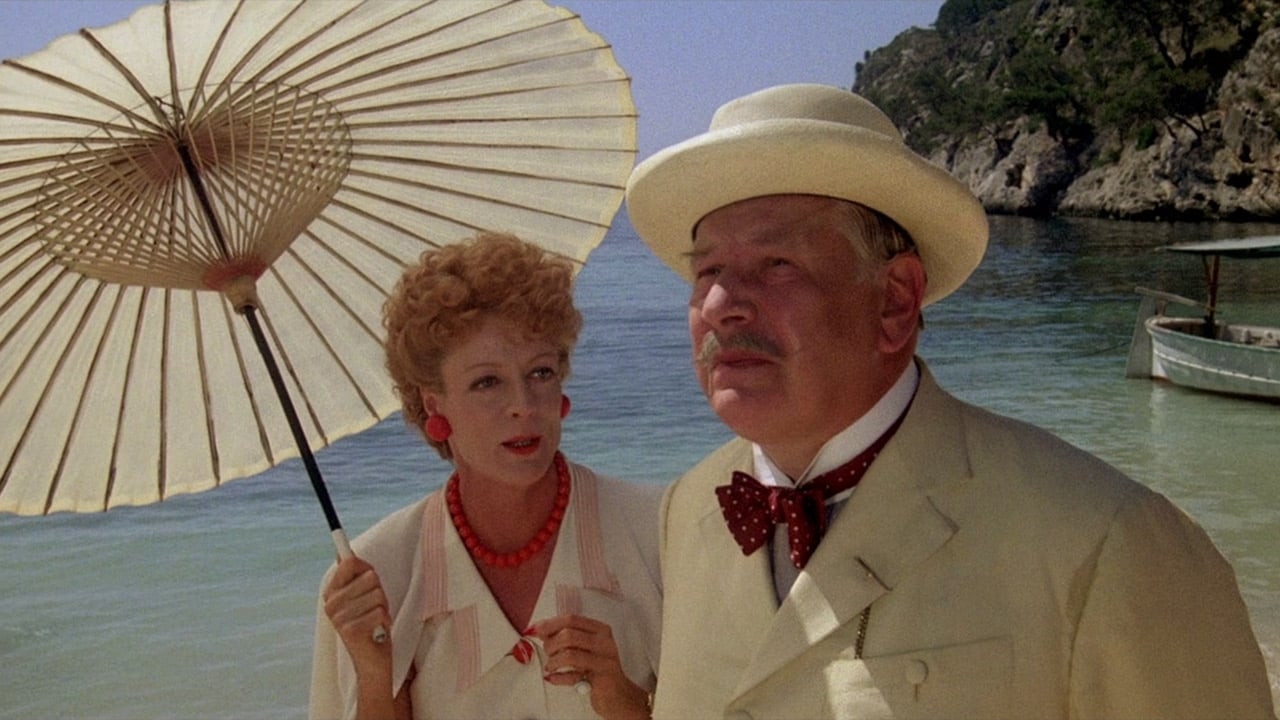
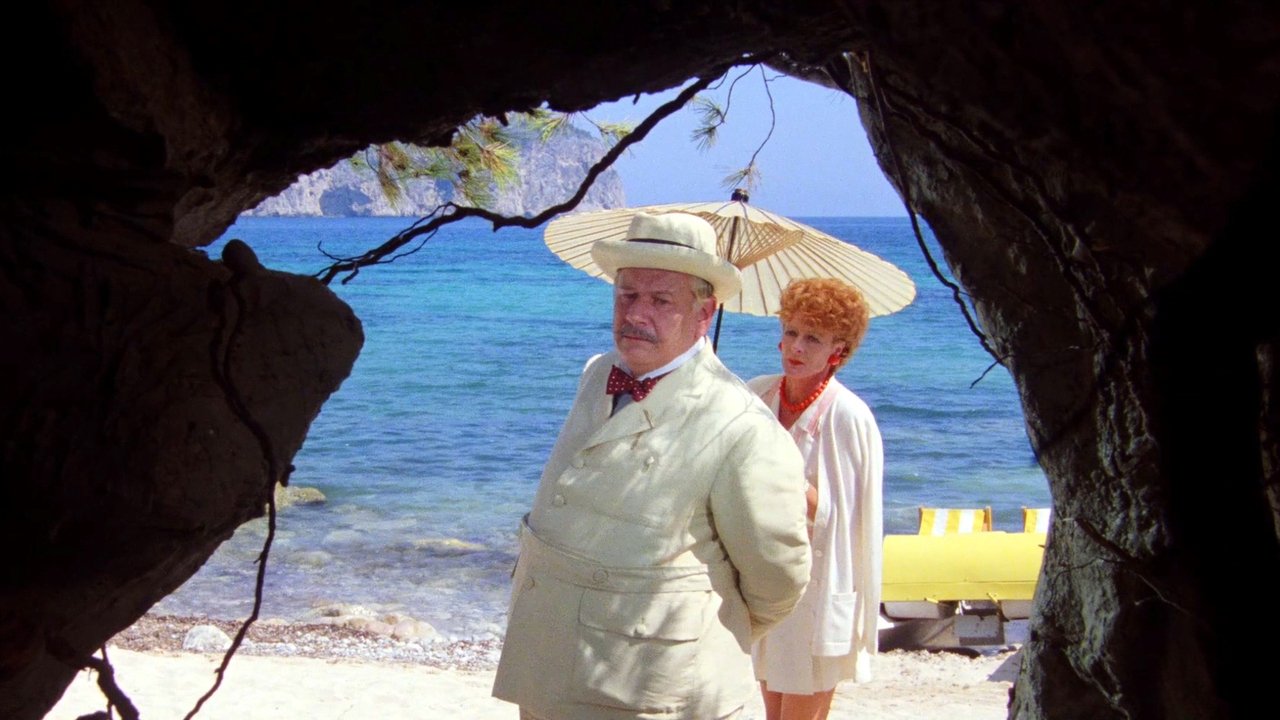
The film leans heavily into its 1930s setting, thanks in no small part to the stunning costume design by Anthony Powell, who deservedly won an Oscar for his work on Death on the Nile. The crisp linens, wide-brimmed hats, beach pyjamas, and elegant evening wear aren't just window dressing; they contribute significantly to the atmosphere of decadent leisure. It's a visual feast that complements the sun-drenched cinematography.
Yet, beneath the vibrant colours and Cole Porter tunes that punctuate the score, there's that undercurrent of malice. Hamilton skillfully uses the idyllic setting to heighten the contrast when violence strikes. The isolation of the island becomes key – no one can leave, no one can easily arrive. It’s a classic Christie setup, executed with polish and style. Watching Poirot meticulously gather his suspects for the grand reveal remains one of the great pleasures of the genre, and Ustinov handles this climactic scene with masterful control, teasing out the solution piece by piece.
Retro Fun Facts & Production Notes
Bringing this sun-soaked paradise to the screen wasn't without its challenges. Despite being set in the Adriatic, filming primarily took place in Majorca, Spain, often under less-than-ideal weather conditions that required clever scheduling and lighting to maintain the illusion of perpetual sunshine. This production constraint arguably adds to the film's slightly heightened, almost dreamlike quality at times. The budget was a respectable $10 million for the era, though its US box office take of around $6.1 million suggests it was perhaps more appreciated as a reliable piece of sophisticated entertainment than a runaway blockbuster – a perfect fit for the burgeoning home video market where many of us likely discovered it. Interestingly, Anthony Shaffer tweaked Christie's original novel significantly, changing the setting and altering some character dynamics, arguably making the plot even tighter for the screen.
The Verdict on the Veranda

Does Evil Under the Sun hold up? Absolutely. It's a wonderfully crafted, engaging mystery that perfectly captures the appeal of the classic Christie formula. The performances are uniformly excellent, the direction is assured, and the production values are top-notch for the era. It doesn't necessarily break new ground, but it delivers exactly what it promises: a witty, glamorous, and satisfying whodunit populated by fascinating characters in an exotic locale. For fans of classic mysteries, star-studded ensembles, and that specific brand of 80s does 30s style, this film remains a delightful escape. Renting this back in the day felt like a passport to a more elegant, albeit dangerous, world – a feeling that hasn't faded much with time.
Rating: 8/10
This score reflects a truly enjoyable, well-made film that excels within its genre conventions. The star power, witty script, beautiful locations, and Ustinov's charming Poirot create a classic comfort watch. While perhaps not as iconic as Murder on the Orient Express (1974) or as emotionally resonant as some darker mysteries, it’s a thoroughly entertaining and stylish entry in the Christie cinematic canon, perfectly suited for a nostalgic revisit. It leaves you with a satisfying click of puzzle pieces falling into place, and perhaps a renewed appreciation for just how much trouble can brew under the midday sun.