Here we go again, digging through the dusty stacks of memory, past the neon glow of 80s action flicks and the comforting synth scores of teen comedies, to unearth something a little different. Sometimes, nestled between the familiar Hollywood fare on the video store shelf, you'd find these European imports – quieter, perhaps, but often carrying a distinct, lingering chill. Claude Chabrol’s Cop au Vin (or Poulet au vinaigre, 1985) is precisely that kind of discovery, a film that doesn't shout but rather whispers venomous secrets from the shadows of a seemingly tranquil French town.
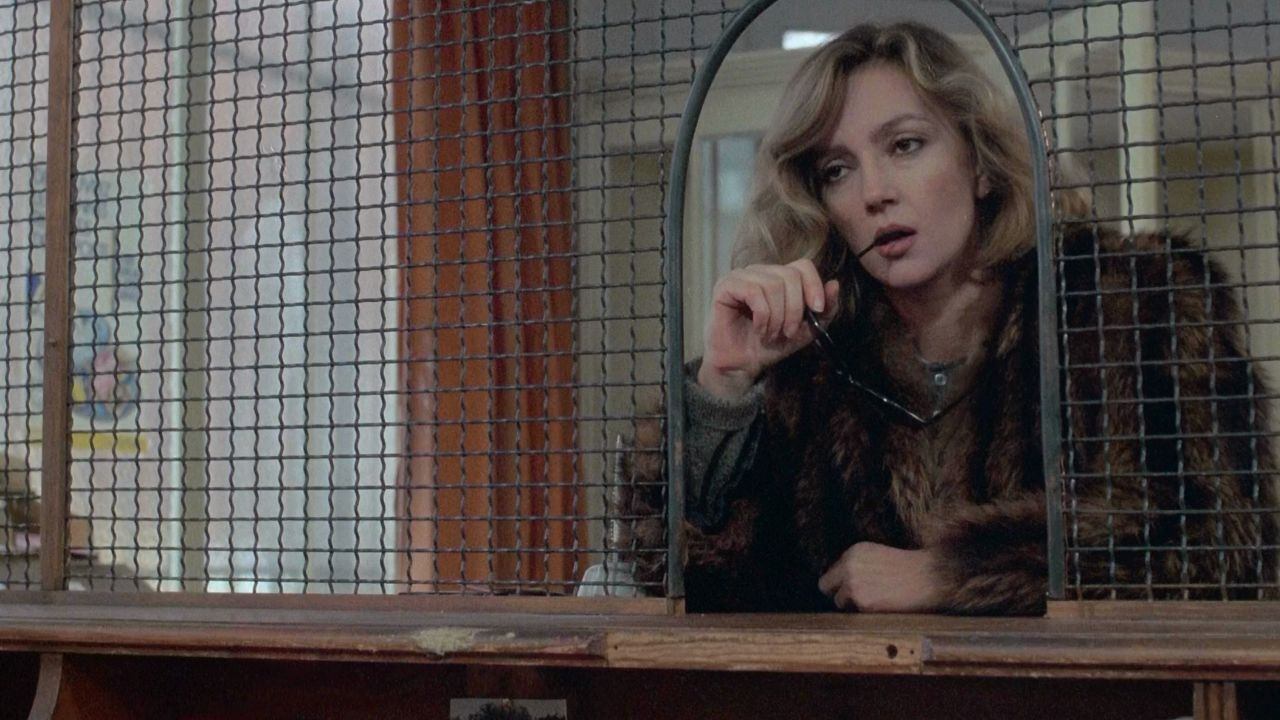
Beneath the Bourgeois Veneer
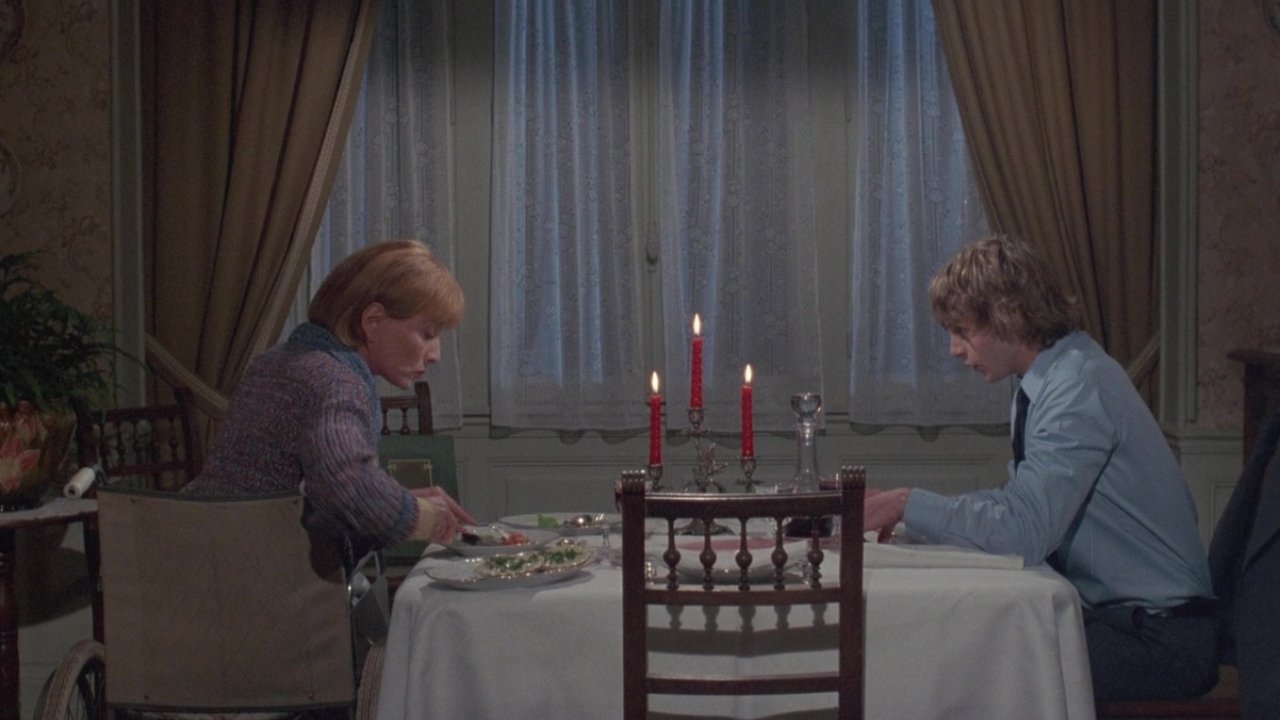
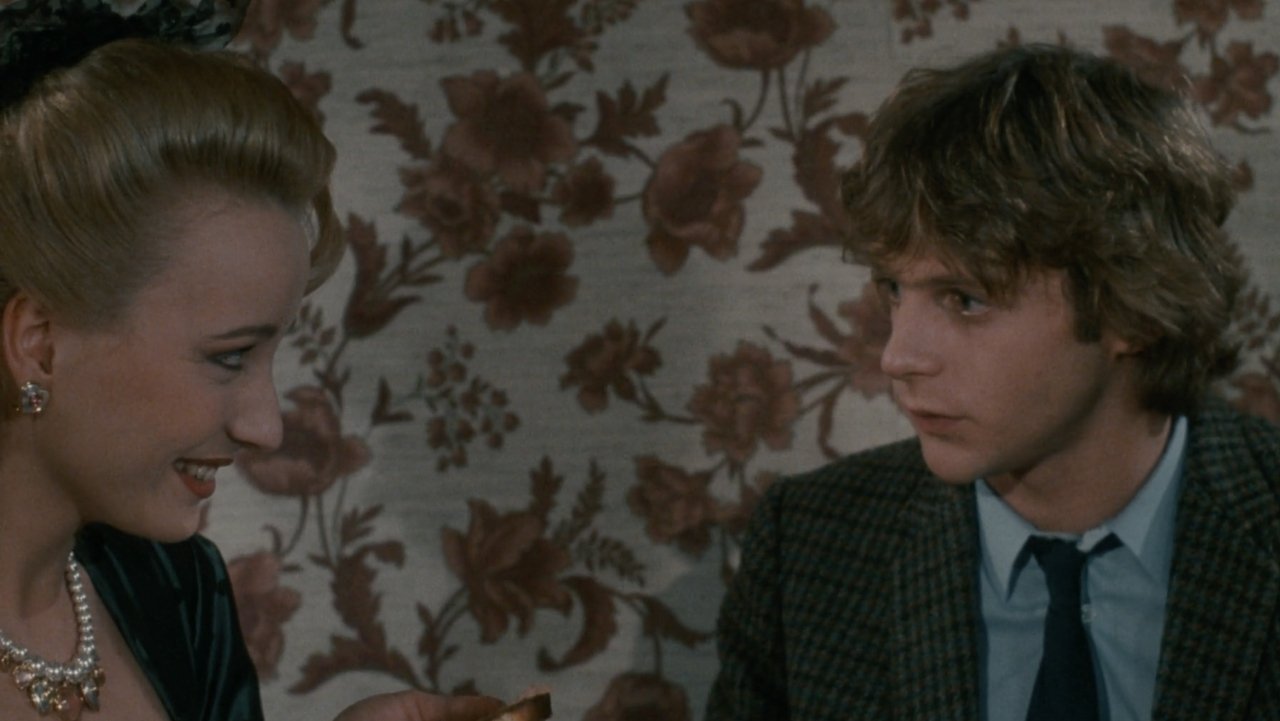
Chabrol, often dubbed the "French Hitchcock," wasn't interested in grand spectacle. His canvas was the simmering discontent and moral decay often found lurking beneath the respectable facade of the provincial middle class. Cop au Vin dives headfirst into this territory. We're introduced to a small town where a tightly-knit group of local notables – a doctor (Michel Bouquet), a lawyer, a butcher – are conspiring to force a young man, Louis (Lucas Belvaux), and his physically disabled, increasingly paranoid mother (played with unsettling fragility by Pauline Lafont's mother, Bernadette Lafont was not in this role, though a frequent Chabrol collaborator; the mother is played by Stéphane Audran) out of their dilapidated home. Their motives are pure, unadulterated greed, wanting the land for a lucrative development deal. The pressure mounts, the situation turns claustrophobic, and then… people start disappearing.
Enter the Cynical Inspector
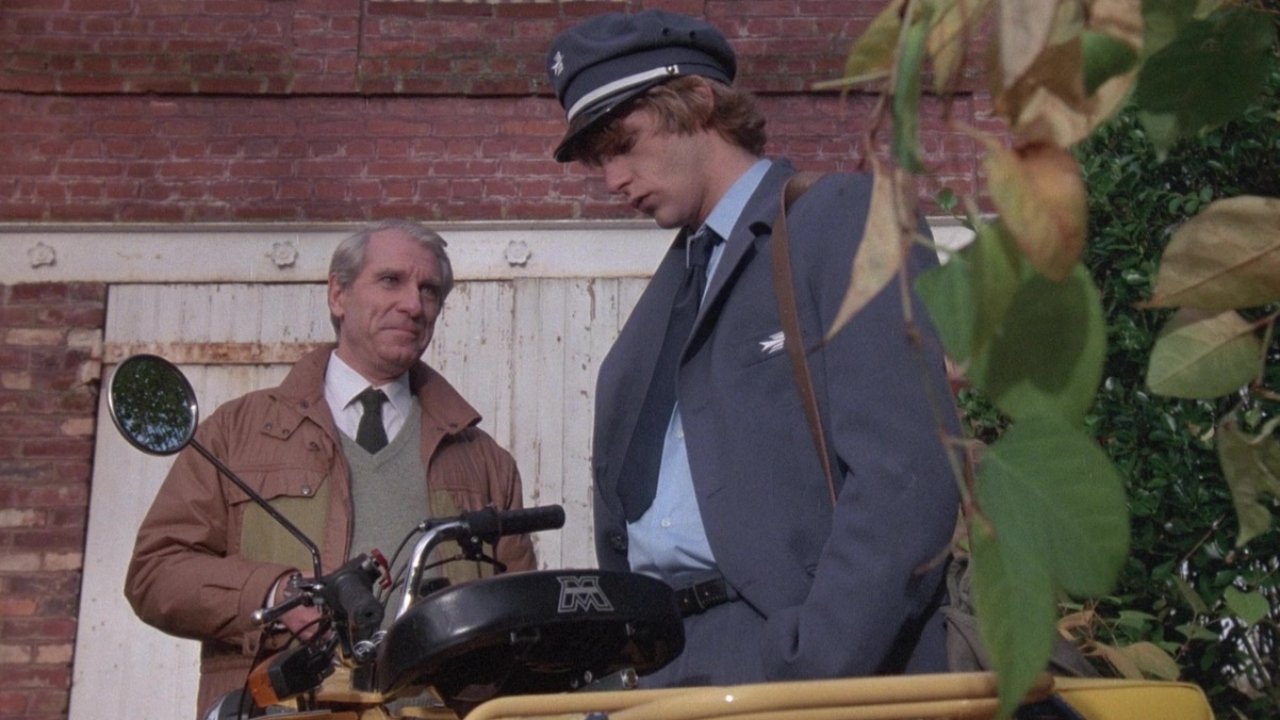
What elevates Cop au Vin beyond a standard provincial thriller is the arrival of Inspector Jean Lavardin, portrayed with a magnificent, world-weary cynicism by Jean Poiret. This wasn't Poiret's first rodeo, having been a major figure in French comedy (especially alongside Michel Serrault in La Cage aux Folles, both the play and the 1978 film), but here he crafts a character who is instantly iconic. Lavardin isn't your typical heroic detective. He's aloof, operates with questionable methods, and seems perpetually unimpressed, almost amused, by the venality and desperation surrounding him. Poiret embodies him perfectly – the slight smirk, the probing eyes that miss nothing, the calm demeanor that barely conceals a sharp, perhaps even ruthless, intellect. His investigation feels less like a pursuit of justice and more like peeling back layers of festering hypocrisy. Watching him interrogate the squirming town elites, including the wonderfully slippery characters brought to life by Michel Bouquet and Stéphane Audran (Chabrol's then-wife and frequent muse, radiating icy control), is a masterclass in understated tension.
A Taste of Vinegar
The French title, Poulet au vinaigre, translates literally to "Chicken with Vinegar." It’s a culinary reference, sure, but the sharpness, the acidity of vinegar, feels incredibly apt. There's a sourness pervading the town's relationships, a bitterness in the characters' motivations. Chabrol uses the setting masterfully; the neat houses and quiet streets feel less like idyllic havens and more like carefully constructed cages where secrets fester. The direction is precise, unfussy, letting the performances and the steadily escalating plot do the heavy lifting. There are no flashy car chases or explosive shootouts here. The violence, when it comes, feels abrupt and grimly realistic, a sudden puncture in the town’s thin skin of civility. It’s worth noting that Lavardin proved popular enough that Jean Poiret reprised the role in a sequel, Inspecteur Lavardin (1986), and even a subsequent television series, cementing his status as one of Chabrol’s memorable creations. It's fascinating how this seemingly contained thriller managed to spawn its own mini-franchise, speaking perhaps to the audience's appetite for this brand of cynical, observant detective.
Chabrol's Chilling Observations
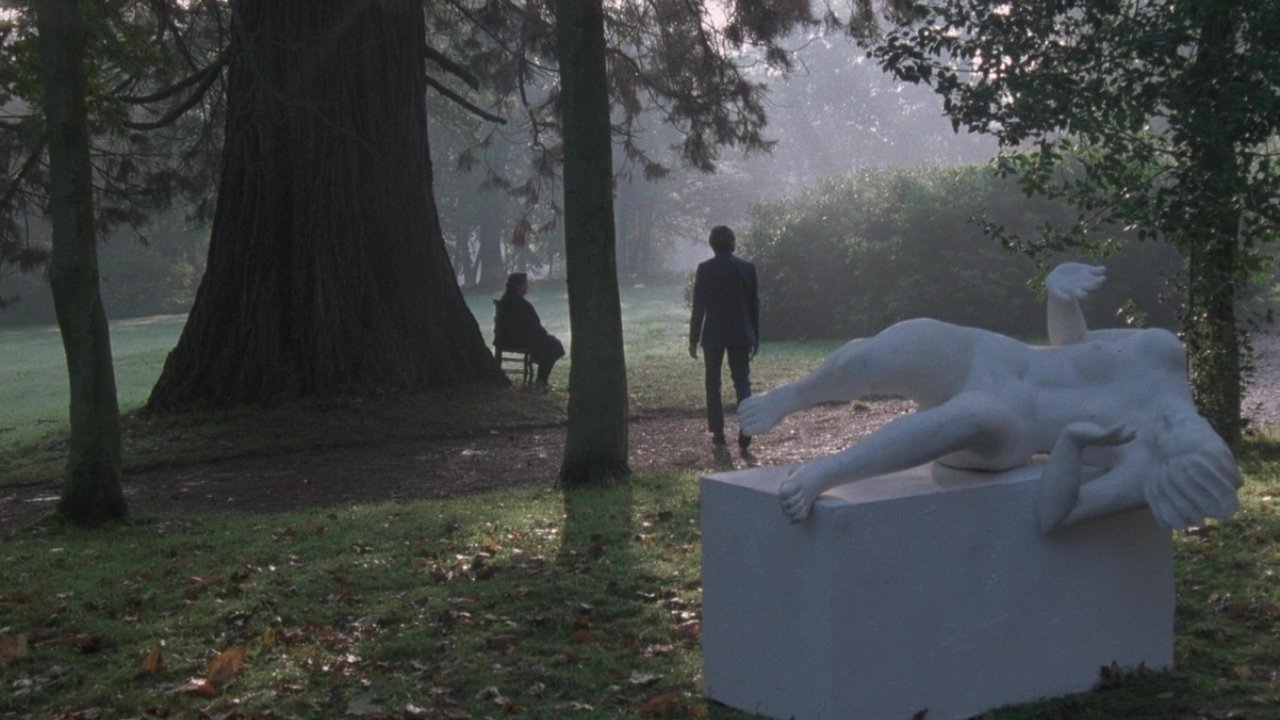
What lingers long after the VCR has whirred to a stop isn't just the cleverly constructed plot, but the film's cold, hard look at human nature. Chabrol presents a world where greed, entitlement, and casual cruelty are commonplace, particularly among those insulated by wealth and social standing. Lavardin, the outsider, acts almost as a force of nature, disrupting the town's corrupt ecosystem not necessarily out of idealism, but perhaps simply because it's his job, or maybe even out of a detached sense of curiosity. Does his presence ultimately cleanse the town, or merely expose the rot that was always there? Chabrol leaves us pondering that uncomfortable question. This wasn't a film you rented for easy answers or comforting resolutions; it was a sharp, intelligent thriller for grown-ups, a reminder that some of the most compelling mysteries unfold not in shadowy alleyways, but behind lace curtains.
Rating: 8/10
Cop au Vin earns its score through sheer craft and intelligence. Claude Chabrol's direction is masterful in its restraint, Jean Poiret delivers an unforgettable performance as the cynical Inspector Lavardin, and the supporting cast, particularly stalwarts like Michel Bouquet and Stéphane Audran, perfectly embody the film's themes of bourgeois decay. While perhaps lacking the immediate visceral punch of some American thrillers of the era, its slow-burn tension, sharp social commentary, and unsettling atmosphere make it a standout example of French crime cinema, and a rewarding find for anyone seeking something more complex on those old VHS tapes.