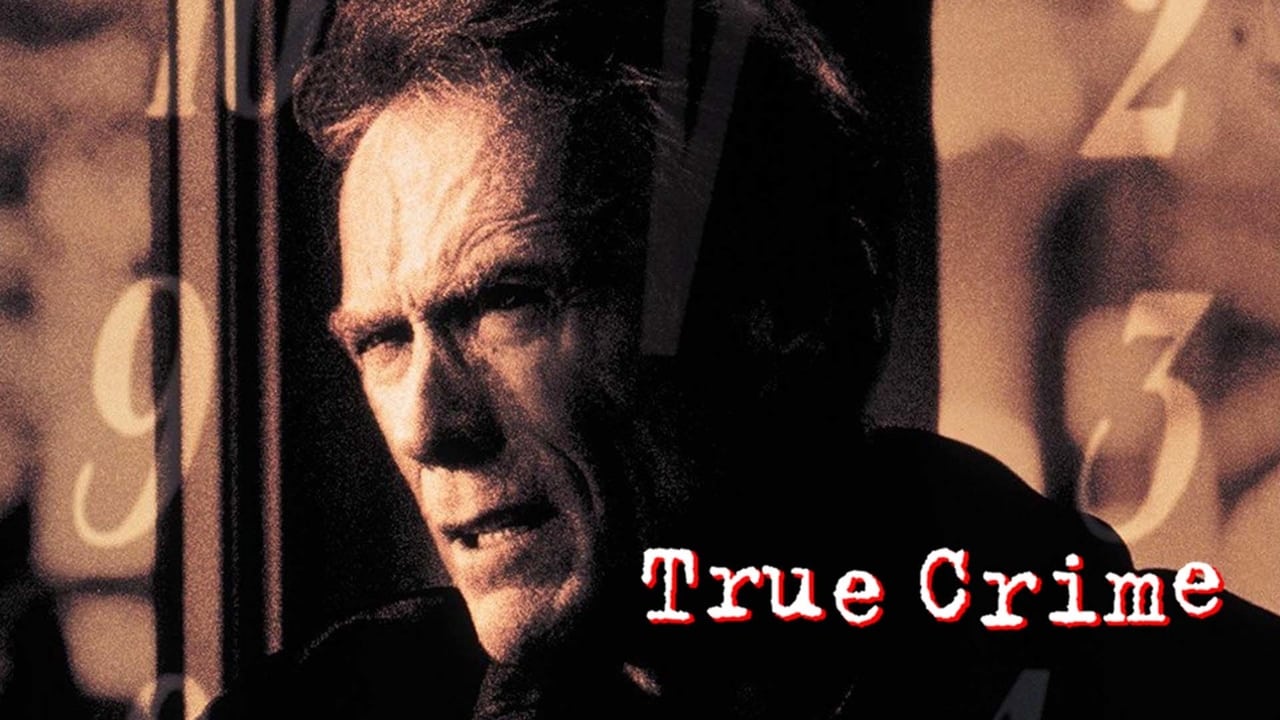
Okay, settle in, maybe grab a drink. Let's talk about a film that feels like it arrived just as the credits were starting to roll on the 90s themselves: Clint Eastwood's True Crime (1999). This isn't one that usually leaps to mind when listing Eastwood's directorial triumphs, maybe overshadowed by his earlier Westerns or later award-winners. Yet, watching it again now, pulling that metaphorical tape from its worn sleeve, there's a quiet intensity, a weary gravity to it that sticks with you, asking questions that don’t fade easily after the screen goes dark. It forces us to confront the chilling possibility of fatal error, wrapped in the guise of a gripping procedural thriller.
The Eleventh Hour Journalist
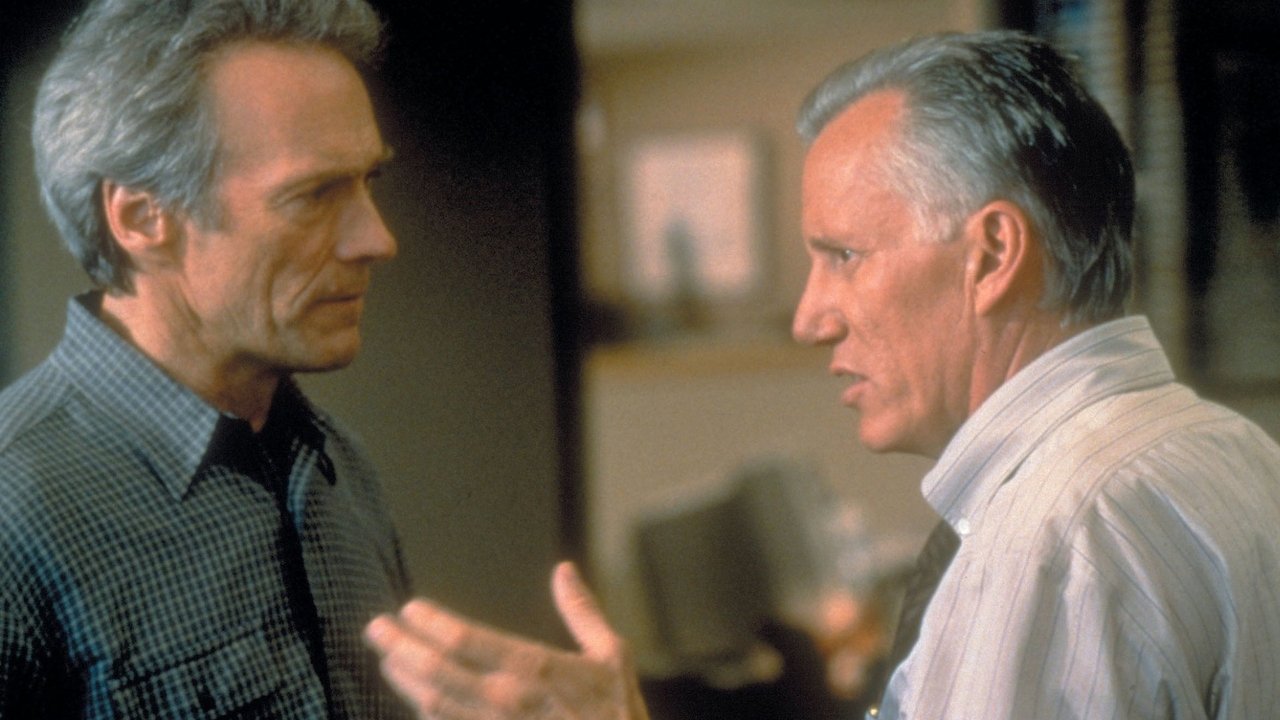
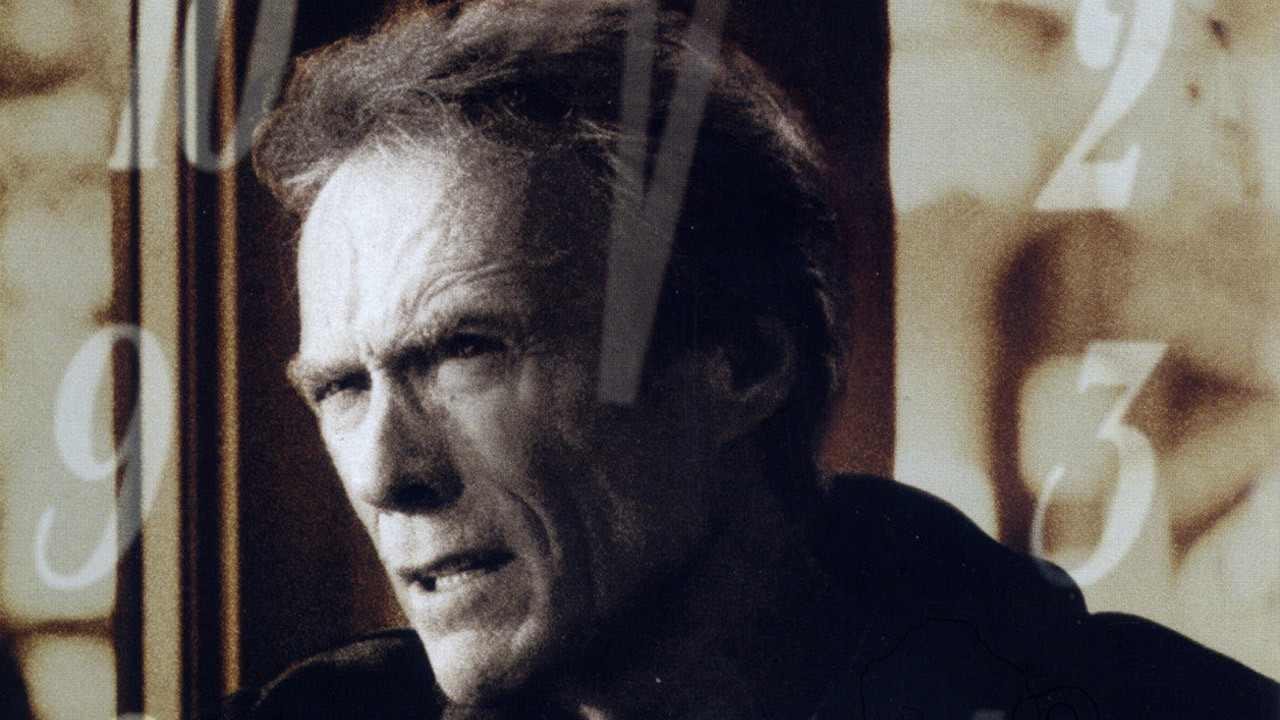
The film drops us right into the messy life of Steve Everett (Clint Eastwood), an Oakland Tribune reporter whose best days seem firmly behind him. He’s a recovering alcoholic (mostly), a notorious womanizer, and perpetually skating on thin ice with his editor, Alan Mann (James Woods, delivering his trademark rapid-fire exasperation). Everett isn't exactly hero material; he’s deeply flawed, cynical, almost broken. There's a tangible weariness in Eastwood's portrayal, lines etched deep, mirroring the character's past mistakes. It feels authentic, earned. This isn't the invincible Man with No Name; this is a man acutely aware of his failings, handed one last, improbable shot at redemption.
That shot arrives when a colleague dies unexpectedly, leaving Everett to cover the final hours of Frank Beachum (Isaiah Washington), a man scheduled for execution at midnight for the murder of a pregnant store clerk. It's meant to be a simple human-interest piece, a final statement. But Everett, sniffing around with the instincts he hasn't quite managed to drink away, starts to feel something is wrong. Really wrong.
Racing Against the Inevitable
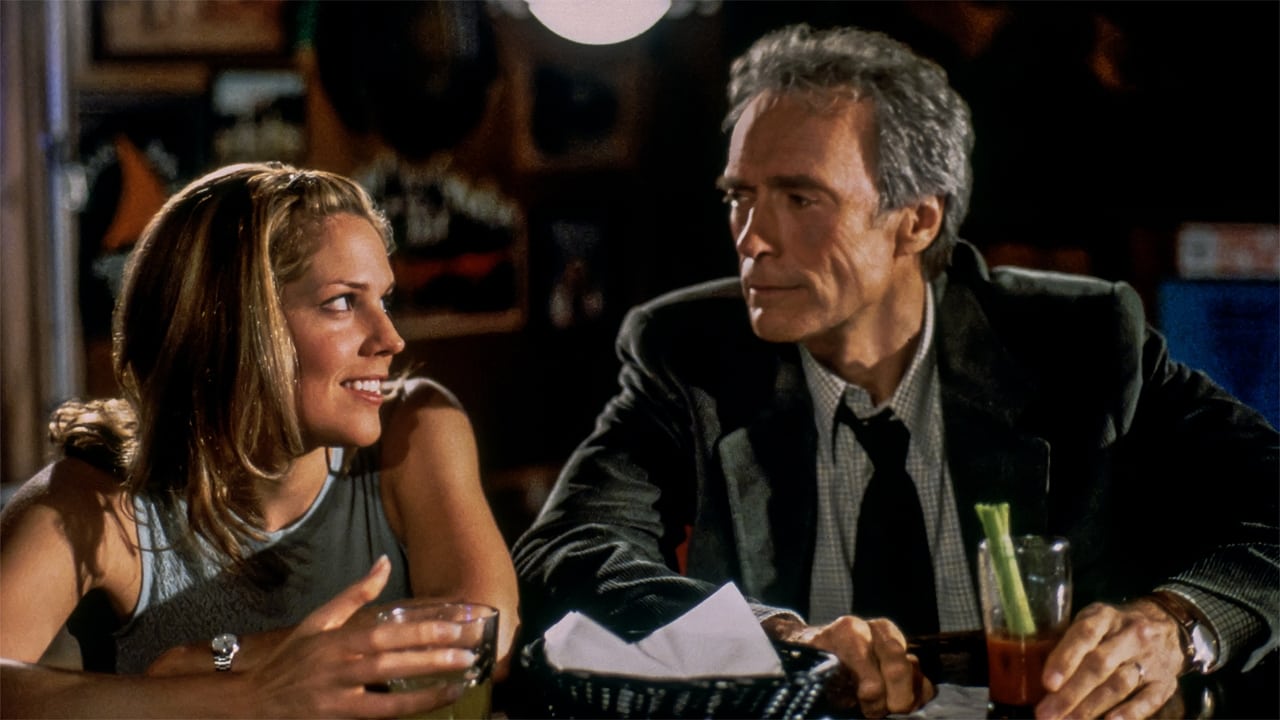
What unfolds is less a whodunit and more a "can-he-prove-it-in-time?" thriller. The ticking clock is literal, marked by onscreen updates as midnight approaches San Quentin. Eastwood, as director, masterfully uses this device not just for cheap suspense, but to amplify the immense pressure and the crushing weight of the stakes. Every stalled car, every missed connection, every bureaucratic obstacle feels monumental. You feel the minutes slipping away. Remember that feeling, watching a film where the protagonist genuinely might not make it? True Crime taps into that vein of anxiety effectively.
The investigation itself is gritty, grounded. No high-tech wizardry here, just shoe-leather reporting, chasing down reluctant witnesses, piecing together fragments overlooked or ignored. It feels refreshingly analogue, a reminder of journalism before the digital deluge. This procedural aspect is bolstered by strong supporting turns. LisaGay Hamilton is heartbreakingly stoic as Bonnie, Frank Beachum's wife, clinging to fragile hope. Denis Leary provides some weary newsroom camaraderie, and Bernard Hill brings gravitas as the prison warden, bound by duty but not blind to doubt.
Beneath the Surface Tension
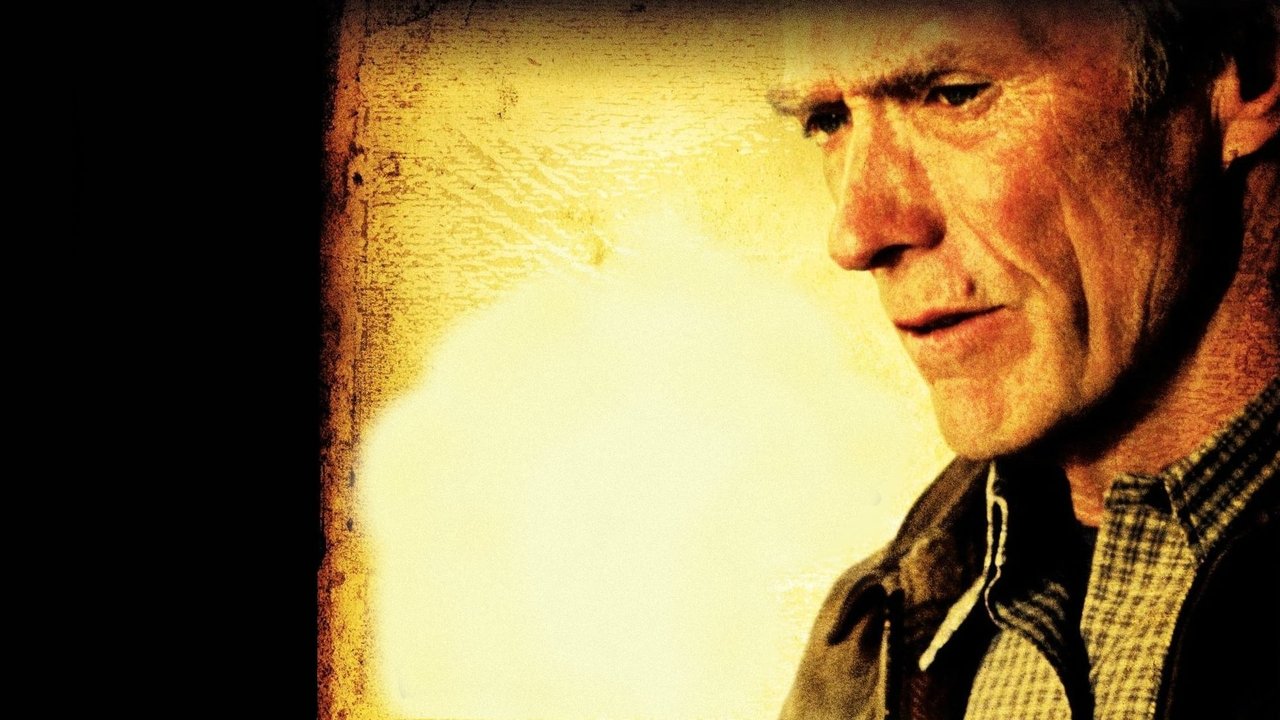
Beyond the suspense, True Crime delves into familiar Eastwood territory: justice, fallibility, the complexities of morality. It doesn't offer easy answers about capital punishment but instead focuses on the terrifying possibility of human error within the system. Everett isn't driven by idealism initially; it's more like a stubborn, almost selfish need to chase the truth, perhaps as a way to salvage something within himself. Does uncovering the truth absolve him of his personal failings? The film wisely leaves that ambiguous.
There’s a raw honesty in the portrayal of Beachum's family, their faith tested, their dignity strained under the horrific countdown. Isaiah Washington delivers a powerful performance as Frank Beachum, conveying fear, resignation, and a quiet insistence on his innocence that anchors the film's ethical core. His scenes with Eastwood are brief but crackle with unspoken tension.
Retro Fun Facts: More Than Just Headlines
Digging into the production adds another layer to appreciating True Crime. Based on Andrew Klavan's 1995 novel, the script saw contributions from several writers, including Larry Gross (48 Hrs.) and Paul Brickman (Risky Business), yet it retains that quintessential Eastwood feel – lean, focused, unhurried yet tense. Eastwood's renowned efficiency was on full display; filming was reportedly completed quickly, often using minimal takes, lending a certain immediacy to the performances. This wasn't a blockbuster budget affair (around $16.6 million), and sadly, it didn't set the box office alight either, barely recouping its costs domestically upon release in March 1999. Perhaps audiences weren't quite ready for this kind of somber, character-driven thriller amidst the flashier fare of the late decade.
Interestingly, Eastwood, who also composed some of the film's melancholic score alongside regular collaborator Lennie Niehaus, wasn't the first choice to play Everett. George Clooney was apparently considered earlier in development, which certainly paints a picture of a very different film! Eastwood stepping in lends the role that world-weary gravitas that feels essential now. Shooting on location in Oakland and around the Bay Area grounds the film firmly in reality, adding to its down-to-earth atmosphere – you can almost smell the stale coffee in the newsroom.
Does It Hold Up?
Watching True Crime today, it feels like a solid, well-crafted thriller from a master filmmaker exploring familiar themes with a mature hand. Its pacing might feel deliberate compared to modern hyper-edited films, but that allows the performances and the central dilemma room to breathe. The lack of ubiquitous mobile phones and instant information arguably heightens the tension – Everett truly has to race against time in a physical sense. It’s a film less concerned with surprising plot twists (some elements are a bit predictable) and more with the ethical weight of its scenario and the flawed humanity of its characters.
Rating: 7/10
This score reflects a thoroughly engaging, well-acted, and thematically resonant thriller that showcases Eastwood's directorial confidence and his compelling late-career screen presence. It successfully builds tension and poses significant questions. While perhaps not reaching the absolute heights of his filmography, and occasionally leaning into genre conventions, its strengths lie in its grounded approach, its moral seriousness, and the authenticity of its core performances. It avoids melodrama, delivering a satisfying, thought-provoking race against time.
True Crime might not have been a VHS blockbuster you rented every weekend, but it’s a film that lingers. It leaves you pondering the thin line between justice and error, and the unexpected ways redemption, or at least the pursuit of truth, can emerge from the most damaged corners of the human spirit. What price truth, especially when the clock is ticking towards midnight?