What truly lingers after the credits roll on Clint Eastwood's Absolute Power (1997) isn't just the slick tension of a well-crafted thriller, but a chilling question about the invisibility of truth when faced with overwhelming authority. It’s the kind of film that nestled comfortably on the “New Releases” shelf at Blockbuster, its cover promising intrigue and star power, delivering a story that feels both potently of its late-90s moment and unnervingly timeless. I remember renting this one, the weighty VHS tape feeling substantial, promising a grown-up story of shadows and secrets.
An Unseen Observer
The film hinges on a premise both audacious and skin-crawlingly intimate. Eastwood, pulling double duty as director and star, plays Luther Whitney, a master thief whose skills border on the artistic. He’s meticulous, ghost-like, treating high-security vaults like intricate puzzles. During what he intends to be his final score, burglarizing the mansion of billionaire Walter Sullivan (E.G. Marshall in a brief but resonant final film role), Luther finds himself trapped behind a two-way mirror. What unfolds on the other side is not just infidelity, but a drunken, violent encounter involving the President of the United States, Alan Richmond (Gene Hackman), Sullivan's much younger wife Christy (Melora Hardin), and his two increasingly brutal Secret Service agents (Scott Glenn and Dennis Haysbert). When the encounter turns deadly, Luther becomes the sole, unseen witness to a crime orchestrated and covered up at the highest level imaginable.
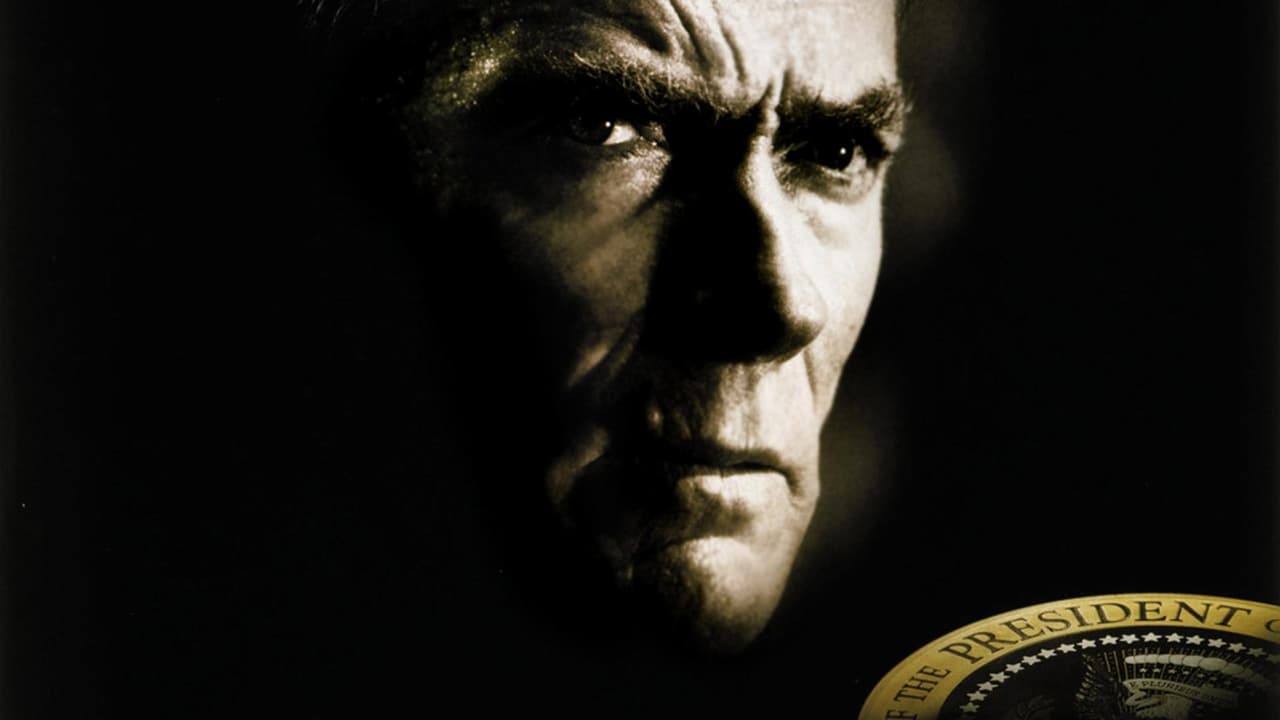
This setup is pure thriller gold, executed with Eastwood's characteristic lack of fuss. There's a palpable sense of claustrophobia and helplessness as Luther watches, powerless to intervene, his own precarious freedom suddenly entangled with a national conspiracy. The film doesn't rush; it lets the horror of the situation sink in, relying on the expressive, world-weary face of Eastwood behind that mirror.
Power That Corrupts, Absolutely
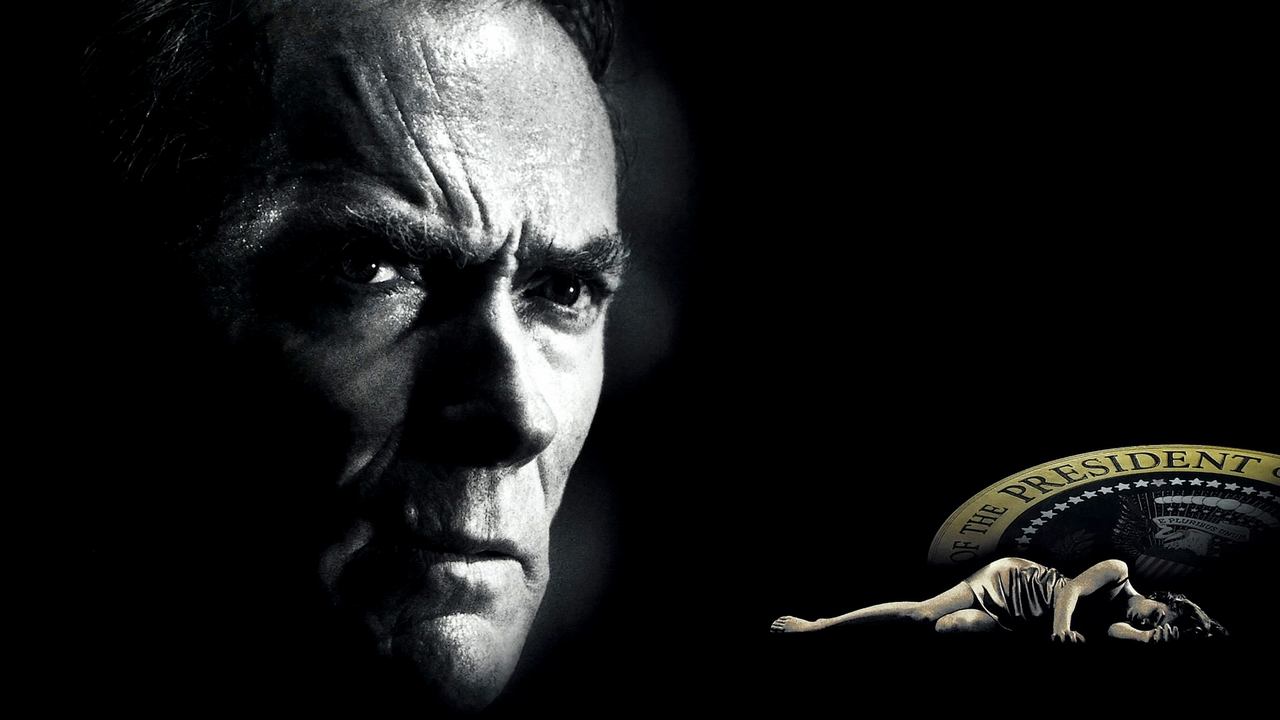
If Eastwood is the quiet, reluctant moral center, Gene Hackman provides the volatile, terrifying counterpoint. His President Richmond isn't a cartoon villain; he’s charming, magnetic, and utterly corrupted by the power he wields. Hackman portrays the casual entitlement, the flashes of violent temper followed by self-pitying justification, with unnerving believability. It’s a performance that reminds you why Hackman was simply one of the greats – capable of radiating warmth one moment and chilling menace the next. Watching him, you understand how power doesn't just enable bad behavior; it can fundamentally warp the person wielding it. Doesn't this portrayal resonate with anxieties we still harbor about unchecked authority?
Equally compelling is Judy Davis as Chief of Staff Gloria Russell. Cold, calculating, and fiercely loyal (to the office, if not the man), she embodies the ruthless pragmatism required to maintain power at all costs. Her scenes crackle with intellectual intensity, a perfect foil to both Hackman's volatile President and Eastwood's stoic thief.
A Tangled Web of Pursuit
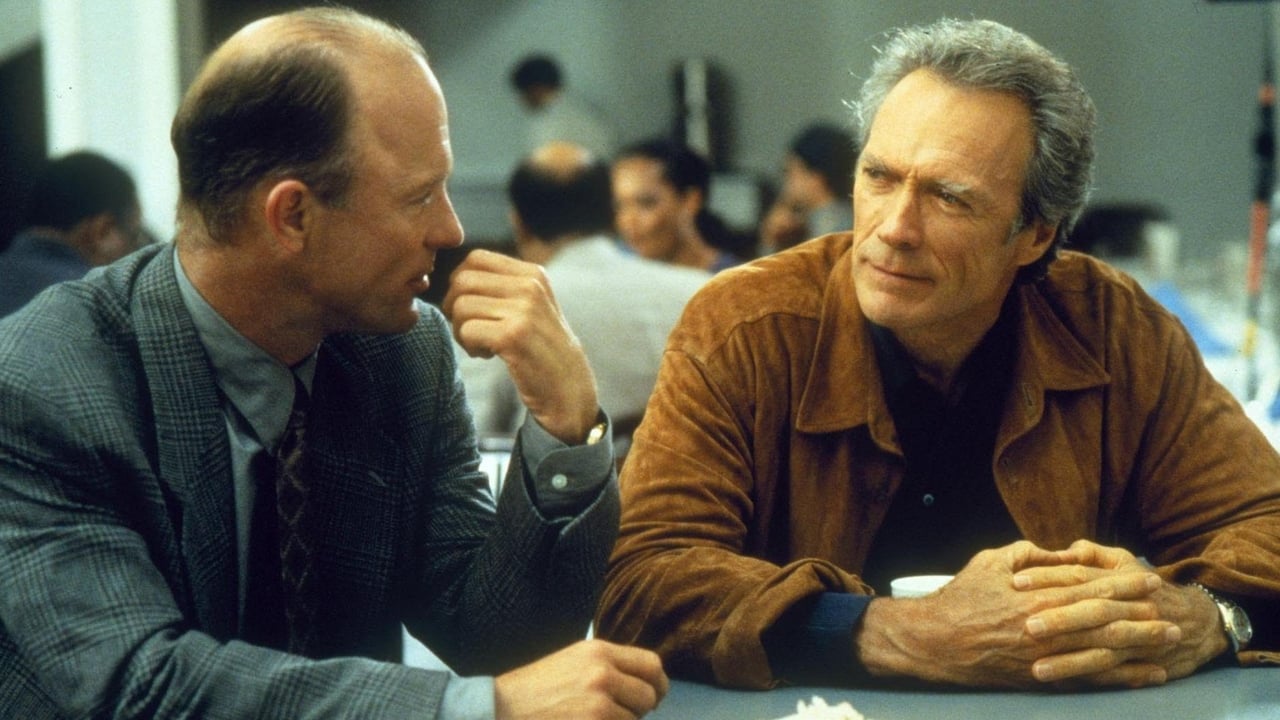
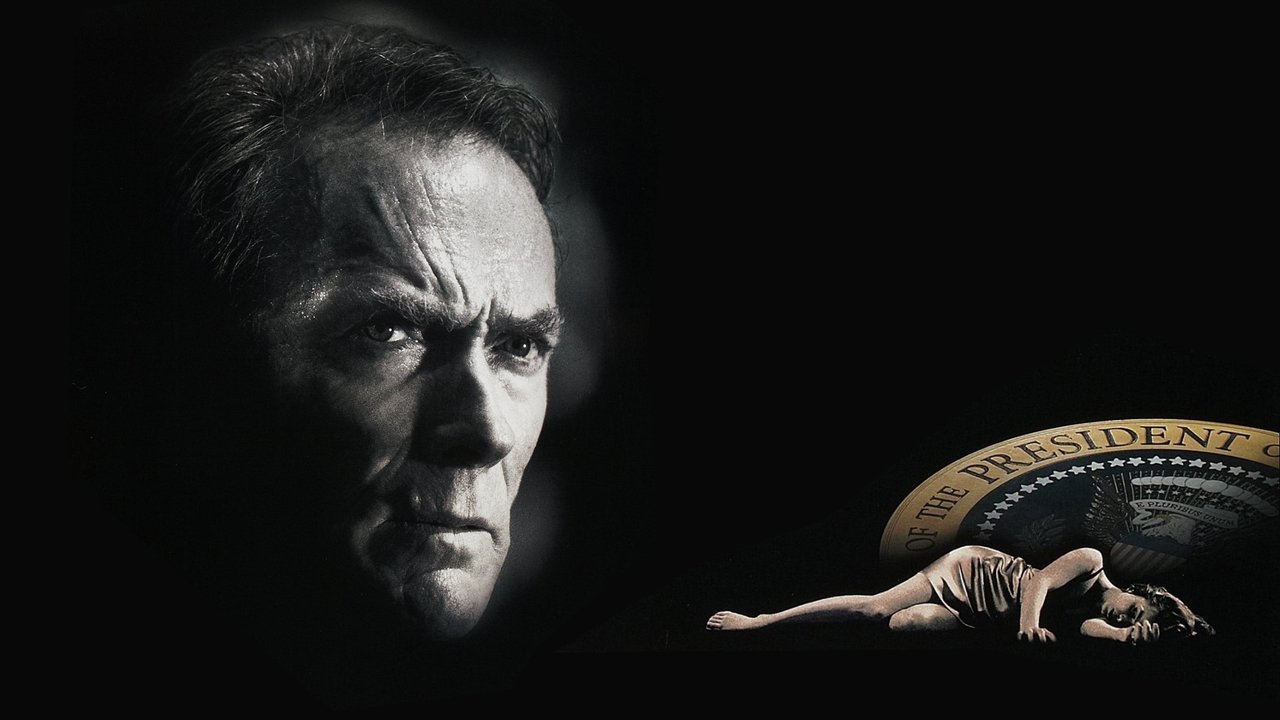
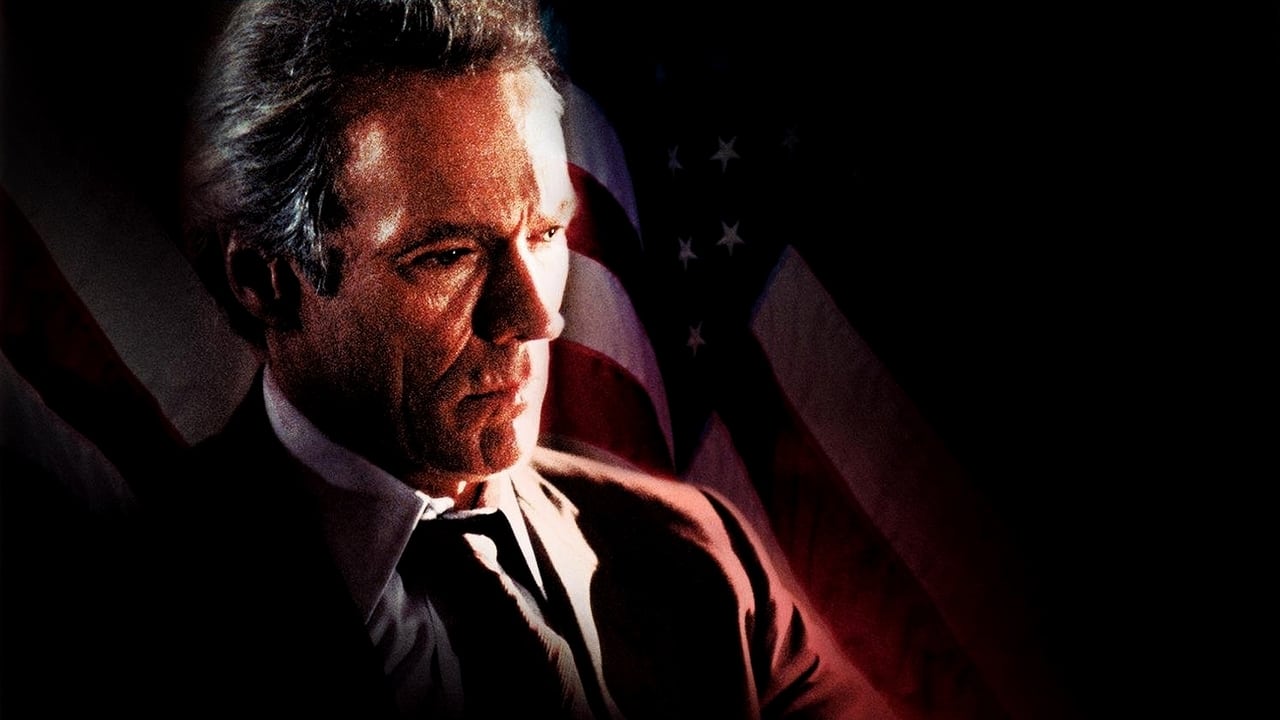
The investigation falls to Detective Seth Frank, played with trademark focused intensity by Ed Harris. Frank is sharp, dedicated, and quickly senses that the official story doesn't add up. Harris excels at portraying decent men caught in impossible situations, and his pursuit of Luther becomes complicated as he starts to suspect the truth involves forces far greater than a simple cat burglar. The dynamic between Frank and Luther – two professionals operating on different sides of the law but sharing a certain code – adds another layer to the narrative.
Eastwood's Steady Hand
Directing himself, Eastwood employs his signature economical style. There’s little wasted motion, the tension builds steadily, and the film possesses a certain melancholic gravity. He was nearly 67 when this was released, and while the idea of him scaling walls might stretch credulity slightly, his physical presence still commands the screen. He is Luther Whitney – aging, isolated, relying on decades of honed instinct. The film wisely uses his age not as a liability, but as a source of quiet wisdom and weariness.
Interestingly, the script was penned by the legendary William Goldman, adapting David Baldacci's bestselling novel. Goldman, the mind behind classics like Butch Cassidy and the Sundance Kid (1969) and All the President's Men (1976), certainly knew his way around thrillers and conspiracies. However, one notable piece of trivia often discussed among fans is the significant change made to the novel's ending for the film. The book offers a far bleaker, more cynical conclusion, while the film opts for a resolution that, while satisfying in a Hollywood sense, perhaps softens the original story's sharpest edges. This change, reportedly favored by Eastwood himself, makes for a more conventional crowd-pleaser but arguably sacrifices some thematic bite. Was this the right choice, or does the darker literary ending hold more power?
Beyond the Headlines
Supporting players like Laura Linney as Luther's estranged daughter Kate add crucial emotional stakes, grounding the high-level conspiracy in personal consequence. Her strained relationship with her father provides motivation and vulnerability for Luther beyond mere self-preservation. The film, shot largely in Washington D.C. and Baltimore, uses its locations effectively, creating a sense of place where power broods behind stately facades. With a budget around $50 million, it performed adequately at the box office (grossing roughly the same domestically), perhaps not reaching blockbuster status but solidifying its place as a reliable, intelligent thriller from a master filmmaker – the kind of movie you'd readily recommend after returning the tape to the rental store.
Absolute Power might not reinvent the political thriller, but it executes its premise with skill and features a constellation of superb actors operating at the top of their game. It captures that specific late-90s feel – polished, star-driven, and dealing with themes of corruption and disillusionment that felt potent then and perhaps even more so now.
Rating: 7.5/10
This score reflects a truly gripping premise, stellar performances (especially from Hackman and Harris), and Eastwood's assured direction. It delivers compelling suspense and raises thought-provoking questions about power. It loses a point or so for some third-act conveniences and for smoothing over the novel's harsher conclusion, feeling slightly less daring than it could have been. Still, it’s a thoroughly engaging watch, a prime example of the adult-oriented thrillers that were a welcome staple of the VHS era.
What remains most potent is that image of Luther behind the glass – the silent witness forced to confront the terrifying reality that sometimes, the monsters aren't hiding in the shadows, but standing brazenly in the spotlight.