Hollywood has always loved turning the camera on itself, but rarely has the gaze been as sharp, cynical, and yet undeniably seductive as in Robert Altman’s 1992 comeback masterpiece, The Player. Forget the rose-tinted glasses; this film plunges us directly into the shark tank of studio politics, where pitches are currency, integrity is negotiable, and sometimes, just sometimes, getting away with murder is the ultimate power move. It arrived like a splash of cold water in the early 90s, a film seemingly less interested in escapism than in dissecting the very machine that produces it.
A Postcard from the Edge
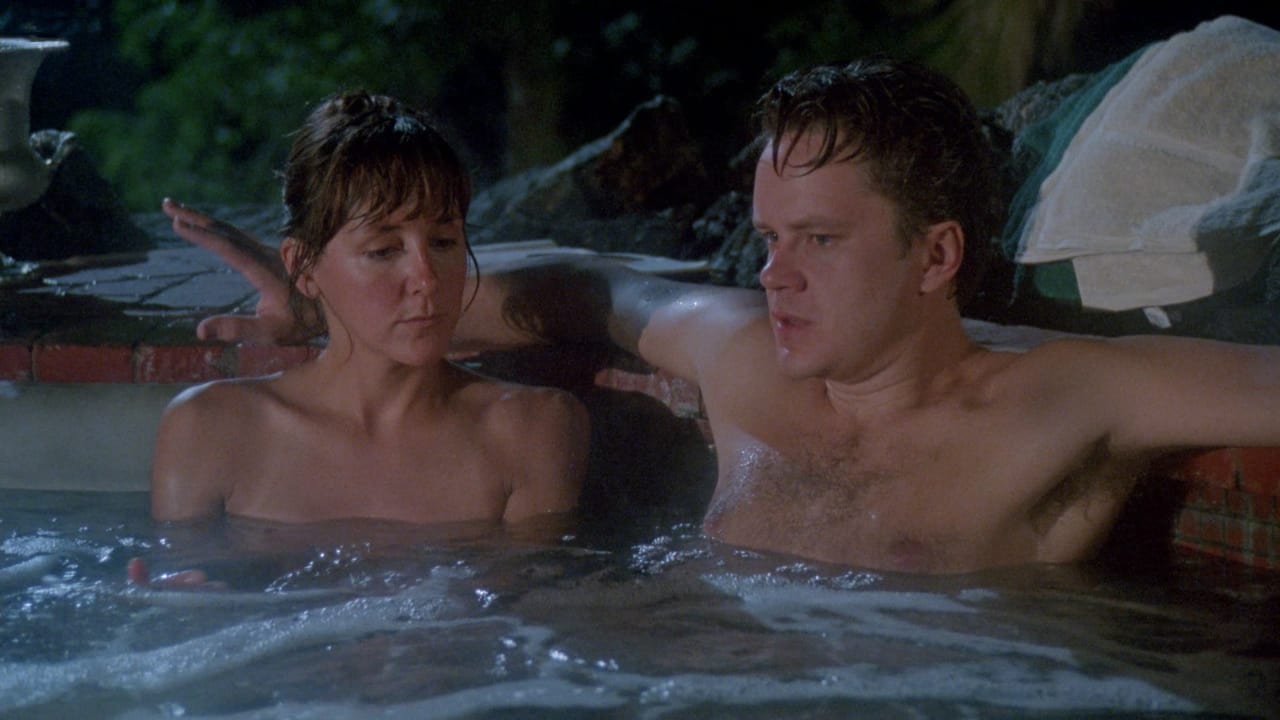
We're introduced to Griffin Mill, impeccably played by Tim Robbins, a young, ambitious studio executive whose days are a whirlwind of power lunches, frantic phone calls, and listening to increasingly desperate movie pitches. He’s the gatekeeper, the man who can greenlight dreams or crush them with a dismissive phrase. His world is one of calculated risks and carefully managed relationships, but it’s thrown into chaos by a series of menacing postcards from a disgruntled screenwriter he presumably rejected. Who is sending them? The paranoia gnaws at Griffin, leading him down a dark path that culminates in a confrontation, an accidental death, and a desperate cover-up that becomes disturbingly intertwined with the movie-making process itself.
Altman, returning to major studio filmmaking after years working on smaller, independent projects (a period that yielded gems like Secret Honor (1984) but less mainstream attention), directs with a signature blend of controlled chaos and piercing observation. Remember that legendary opening shot? Nearly eight minutes long, weaving through the studio lot, eavesdropping on conversations, picking up plot threads, introducing characters – it’s not just a technical marvel (reportedly taking 15 takes to perfect), but a statement of intent. It immediately immerses us in this world, establishing the overlapping dialogues, the constant hustle, and the feeling that everyone is performing, even when they think they're not. It’s pure Altman, reminiscent of the sprawling canvases he painted in films like Nashville (1975).
Everyone Wants to Be in Pictures
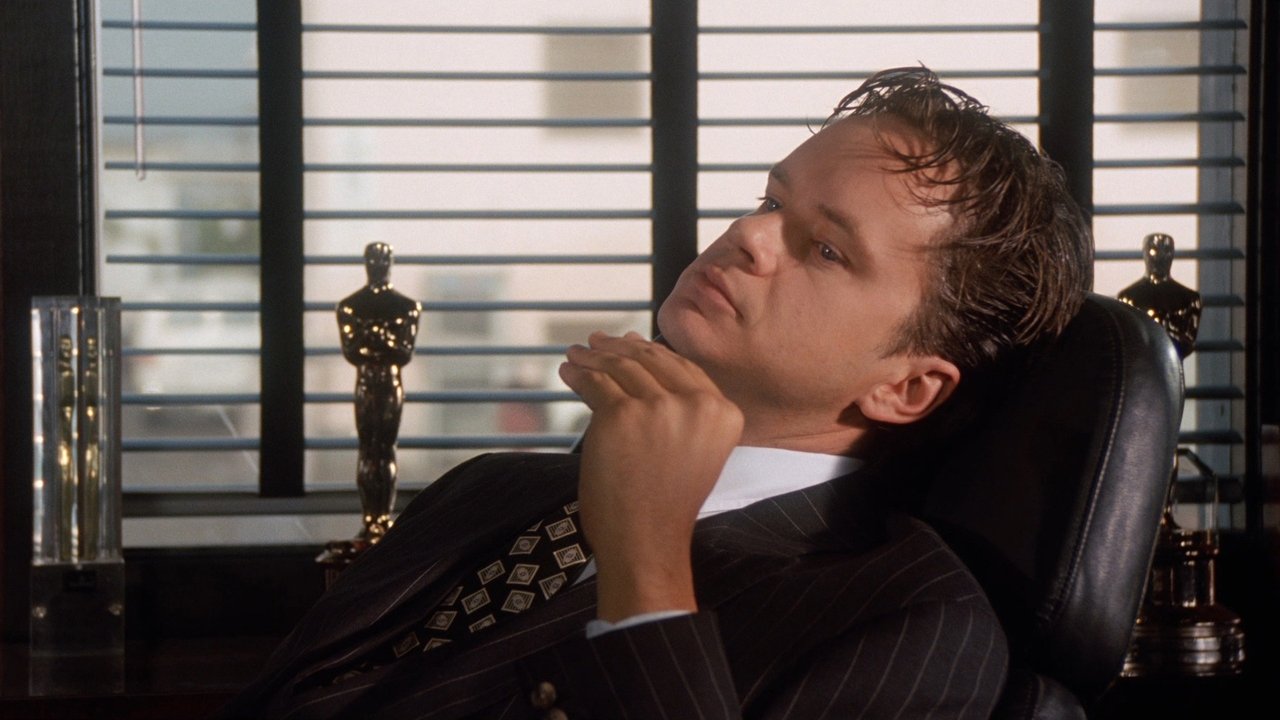
Tim Robbins anchors the film with a performance that is a masterclass in ambiguity. Griffin Mill is smug, calculating, and morally compromised, yet Robbins imbues him with a vulnerability and desperation that makes him strangely compelling. We watch his calculated façade crack under pressure, his eyes darting nervously even as he projects confidence. Is he a victim of circumstance or a monster of his own making? The film brilliantly refuses to give an easy answer.
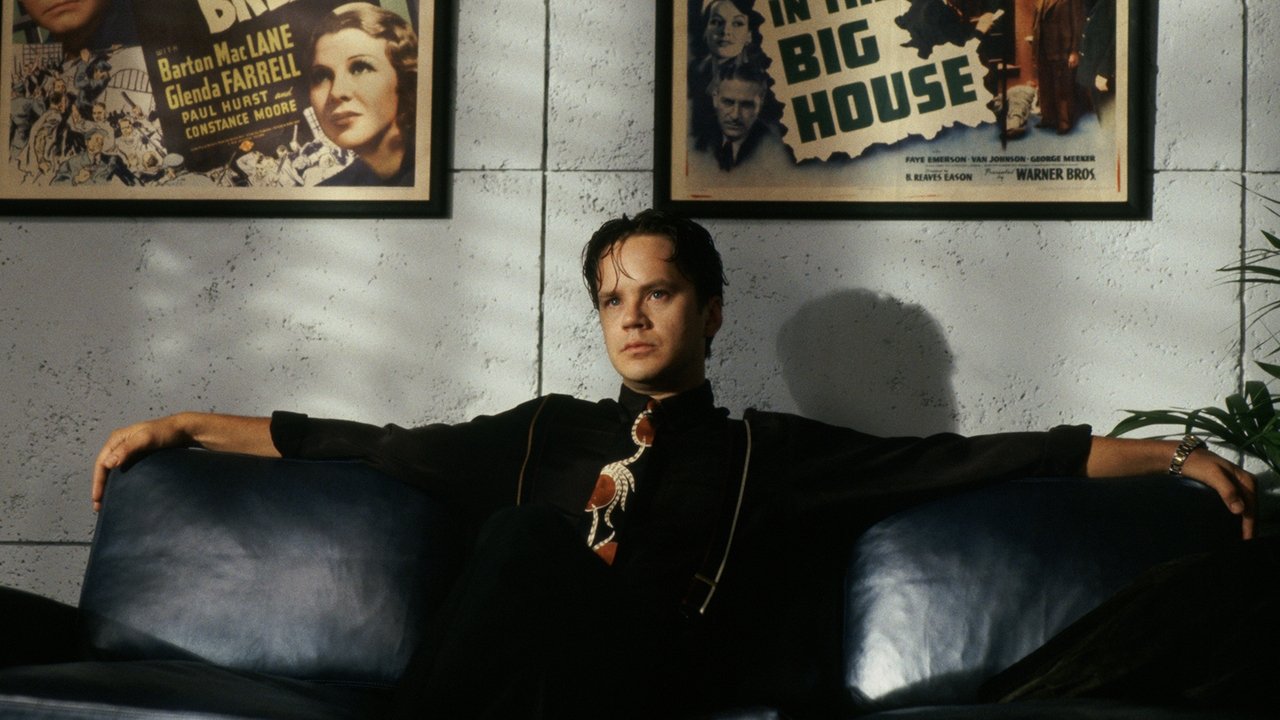
Surrounding him is a constellation of talent. Greta Scacchi is perfectly cast as June Gudmundsdottir, the enigmatic artist girlfriend of the deceased writer, whose motives remain captivatingly elusive. Fred Ward brings his reliable gravitas to Walter Stuckel, the studio's shrewd head of security. And then there are the cameos – over 65 of them! Seeing stars like Bruce Willis, Julia Roberts, Burt Reynolds, Cher, and countless others playing themselves, often popping up in the background or delivering a single line, isn't just a gimmick. It’s integral to the film’s satire, blurring the line between the fiction we’re watching and the reality of the industry it portrays. It’s fascinating to know that many of these A-listers worked for scale or even waived their fees, simply wanting to be part of an Altman film, which speaks volumes about his standing among actors. Their presence constantly reminds us: this is Hollywood, where even a murder investigation can feel like just another scene being played out.

The Ultimate Pitch
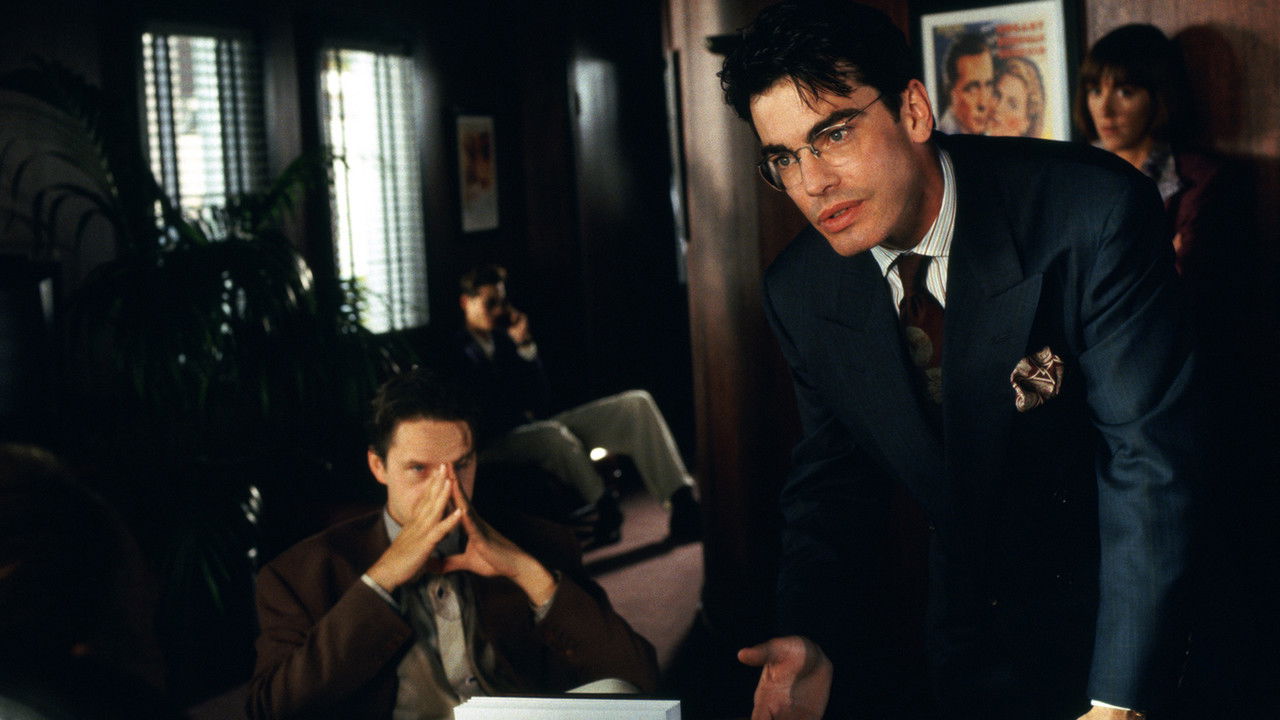
At its core, The Player is a scathing critique of the Hollywood system, adapted by Michael Tolkin from his own novel. The endless pitches Griffin endures ("It's Out of Africa meets Pretty Woman") highlight the industry's reliance on formulas and its often-cynical approach to storytelling. The film-within-a-film subplot, Habeas Corpus, serves as a darkly ironic commentary on Griffin's own predicament, complete with test audiences demanding a happier, more conventional ending – a pointed jab at artistic compromise. Remember the scene where Buck Henry pitches The Graduate: Part 2? It’s hilariously bleak, capturing the perceived creative bankruptcy perfectly.
Yet, the film isn't just pointing fingers. There's a strange allure to this world, a seductive quality to the power plays and the sun-drenched LA landscapes beautifully captured by cinematographer Jean Lépine. Altman doesn’t just condemn; he observes, finding the dark humor and the unsettling truths in the compromises people make. It forces us to ask: how much of Griffin Mill’s ruthlessness is inherent in any system built on high stakes and intense competition? Doesn't the pressure to succeed, to stay relevant, echo in corridors far beyond studio lots?
Retro Fun Facts Woven In
Thinking back to renting this on VHS, it felt different from the usual blockbuster fare lining the shelves at Blockbuster. It demanded more attention, its layers unfolding with each viewing. It wasn't just a thriller; it was a puzzle box reflecting its own construction. While not a massive box office smash in the vein of a summer tentpole (grossing a respectable $21.7 million domestic against its $8 million budget), its critical success was undeniable, earning Altman Best Director at Cannes and signaling his triumphant return to the mainstream spotlight. It was filmed on location at various studios, adding to that authentic, insider feel. You're practically walking the same ground as countless real deals were struck.
Lasting Resonance
The Player remains perhaps the definitive satire of modern Hollywood. Its observations about formulas, executive meddling, and the blurred lines between art and commerce feel, if anything, even more relevant today in an era dominated by franchises and cinematic universes. It’s a film that rewards repeat viewings, revealing new nuances in the performances and fresh layers to its cynical wit each time.
Rating: 9/10
This score reflects the film's masterful direction, razor-sharp script, stellar central performance by Tim Robbins, and its enduring power as a sophisticated, biting satire. It’s Altman operating at the peak of his powers, delivering a film that is intelligent, darkly funny, and deeply unsettling. The sheer density of detail and the effortless weaving of its complex narrative threads are remarkable. It loses a single point only because its specific industry focus, while brilliantly executed, might feel slightly less universal to some than Altman's broader ensemble pieces.
What lingers most after the credits roll is the chillingly perfect ending – a meta-commentary so audacious it feels both inevitable and utterly shocking. The Player doesn’t just critique Hollywood; it ultimately embodies its most cynical, self-serving logic, leaving you with a wry, uneasy smile. It’s a reminder that sometimes, in the land of make-believe, the most unbelievable stories are the truest.