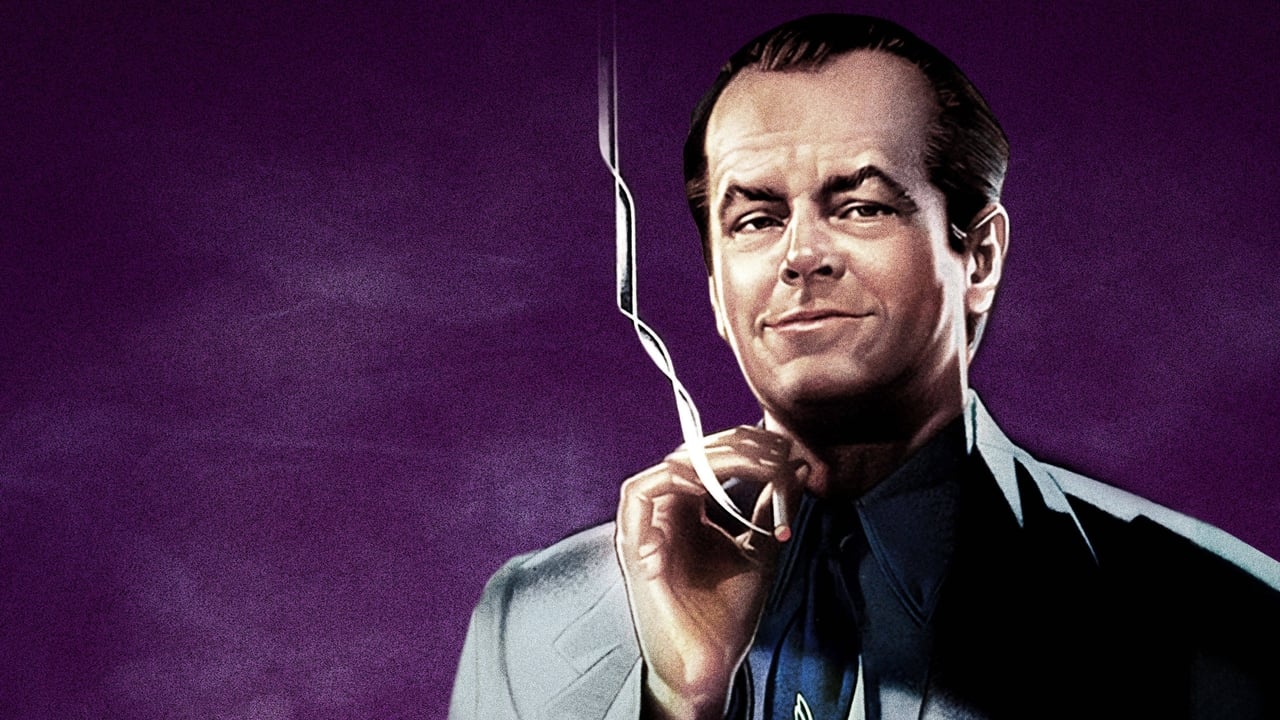
It’s a strange thing, returning to a place you thought you’d left behind. Sixteen years after J.J. Gittes walked away from the soul-crushing corruption of Chinatown (1974), leaving us gutted by one of cinema's most nihilistic endings, the prospect of his return felt both thrilling and treacherous. Could lightning strike twice? Could Robert Towne's intricate web of Los Angeles deceit hold the same power in a new decade? Stepping back into those polished shoes with The Two Jakes (1990) carried an undeniable weight, not just for the audience clutching their rental copies, but palpably for Jack Nicholson, who returned not only as the iconic private eye but also stepped behind the camera to direct.
### Post-War Shadows and Shifting Sands
The Los Angeles of 1948 presented in The Two Jakes feels different. The war is over, prosperity seems to be budding, and Gittes himself is more comfortable, ensconced in a nicer office, a member of a country club. The relentless California sun still bleaches the landscape, but the shadows seem longer, perhaps tinged with the weariness of age and experience. The inciting incident – a suspected marital infidelity case involving Julius "Jake" Berman (Harvey Keitel), a bullish property developer, and his wife Kitty (Meg Tilly) – feels initially like familiar territory for Gittes. But this is Robert Towne territory, and nothing stays simple for long. When the "other man" ends up dead during Gittes' staged confrontation, seemingly shot by Berman, Jake finds himself embroiled in a murder investigation where oil rights, suburban sprawl, and the lingering ghosts of the past swirl together into a complex, often deliberately opaque, conspiracy. The water wars of Chinatown have given way to the black gold rush, but the underlying currents of greed and power remain chillingly constant.
### The Long Echo of Evelyn Mulwray
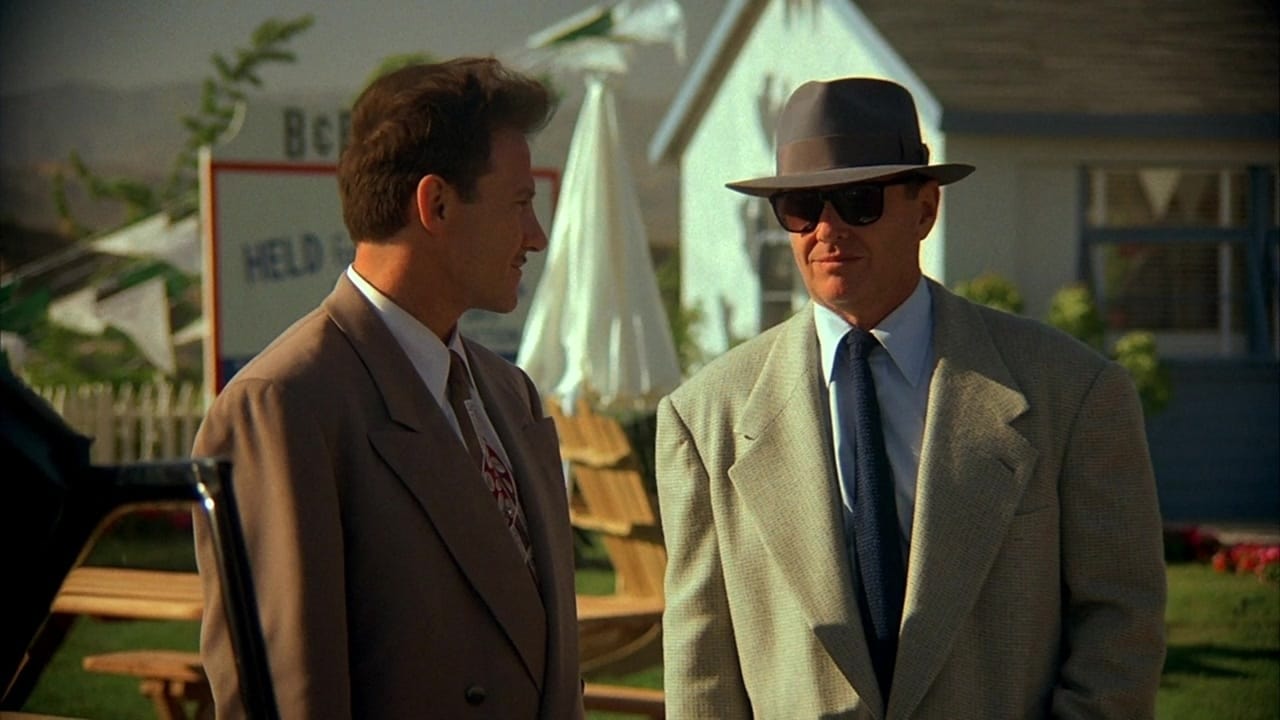
You can't talk about The Two Jakes without acknowledging its predecessor, and the film doesn't try to hide it. In fact, it leans into the legacy. Gittes is haunted by Evelyn Mulwray, her name and fate woven into the fabric of the new mystery. Wire recordings from the original case become crucial evidence, forcing Gittes (and us) to confront the unresolved trauma. It's a bold move, directly tethering the sequel's plot mechanics to the emotional core of the first film. Robert Towne, who penned this script years earlier as part of a planned trilogy (the third installment was rumoured to involve Howard Hughes and the dawn of the freeway system), masterfully connects the thematic dots. It asks: can we ever truly escape the consequences of the past? Does knowing more necessarily lead to understanding, or just deeper entanglement? Watching it now, there’s a certain melancholy beauty in seeing Gittes grapple with these questions, a man whose cynicism was forged in fire now finding the embers still glowing dangerously hot.
### Nicholson's Dual Burden
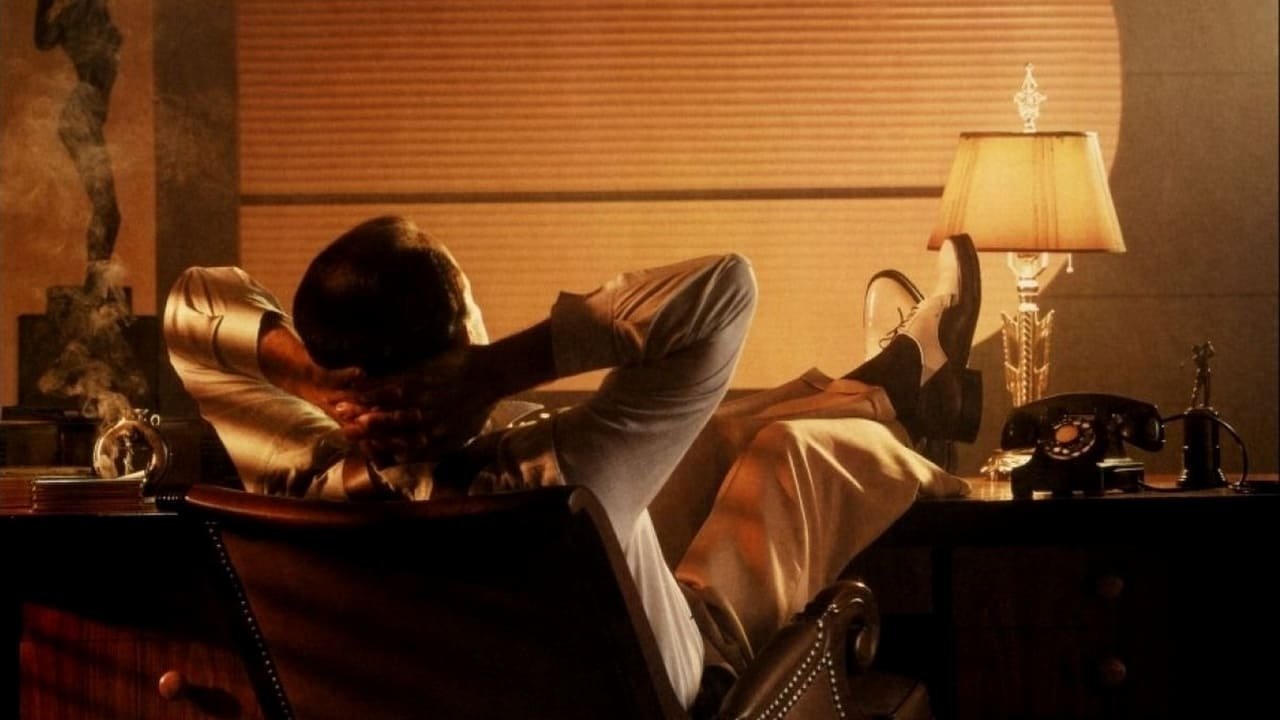
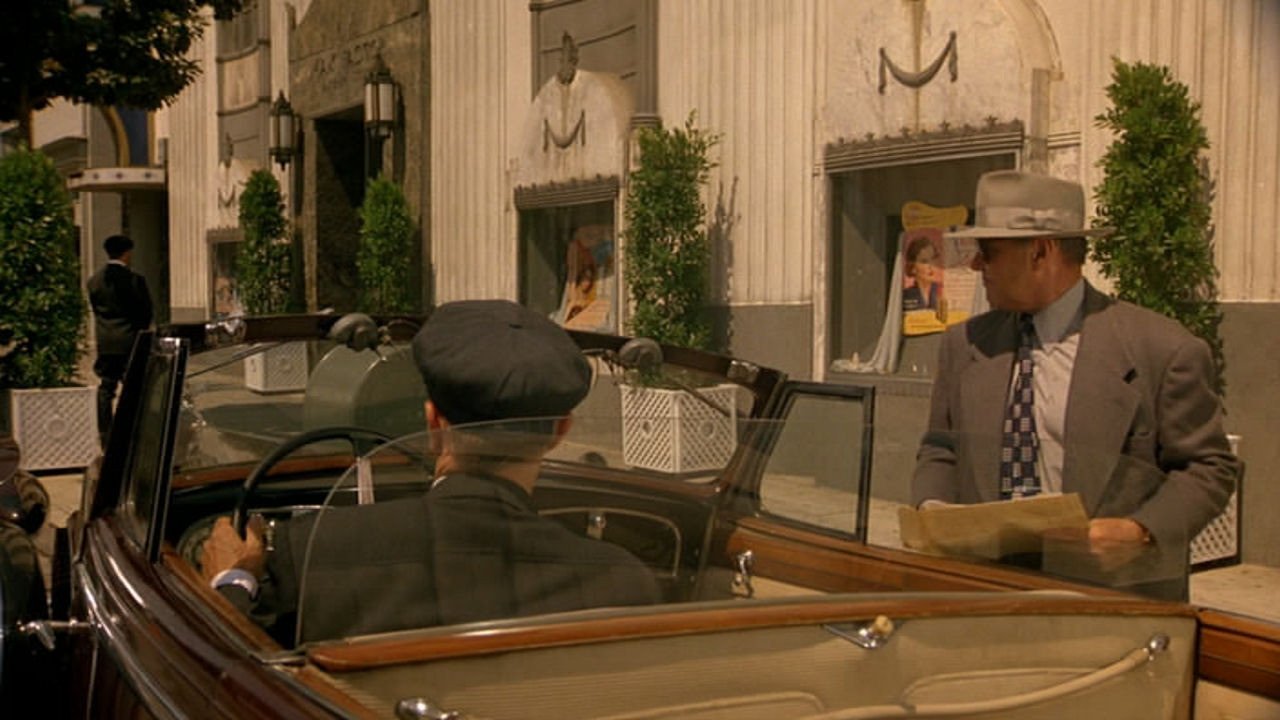
Pulling double duty as lead actor and director on such a complex project was a Herculean task for Jack Nicholson. His directorial hand is assured, capturing the specific textures of post-war LA with the help of legendary cinematographer Vilmos Zsigmond (Close Encounters of the Third Kind (1977), The Deer Hunter (1978)). The film looks gorgeous, bathed in golden light and noirish shadows, feeling both expansive in its depiction of a growing city and claustrophobic in its tightly wound plot. As Gittes, Nicholson embodies the passage of time. The swagger is still there, but it’s tempered by a palpable weariness, a sense of caution born from bitter experience. He's less impulsive, more prone to listening, yet still capable of that familiar flash of anger when pushed. It's a more internalised performance than in Chinatown, reflecting a man carrying burdens we intimately understand. Does it reach the searing heights of his original portrayal? Perhaps not, but it feels truthful to the character's journey.
### Murky Waters: Behind the Scenes
The journey to the screen for The Two Jakes was almost as convoluted as its plot. Originally intended to be filmed much earlier, with Towne potentially directing and producer Robert Evans (who famously greenlit Chinatown) co-starring alongside Nicholson, the project languished in development hell for years. Budget disputes, script revisions (Towne's original draft was reportedly massive), and casting shuffles plagued its history. Kelly McGillis was initially set to play Kitty Berman before Meg Tilly stepped in. Knowing this tumultuous background perhaps explains some of the film's perceived density and occasional narrative unevenness. It feels, at times, like a film wrestling with its own history and ambition. The final product, despite arriving sixteen years late with a budget around $25 million and unfortunately underperforming at the box office (grossing only about $10 million), stands as a testament to Nicholson's and Towne's persistence. It's a fascinating "what if" that actually got made.
### A Tangled Web of Performances
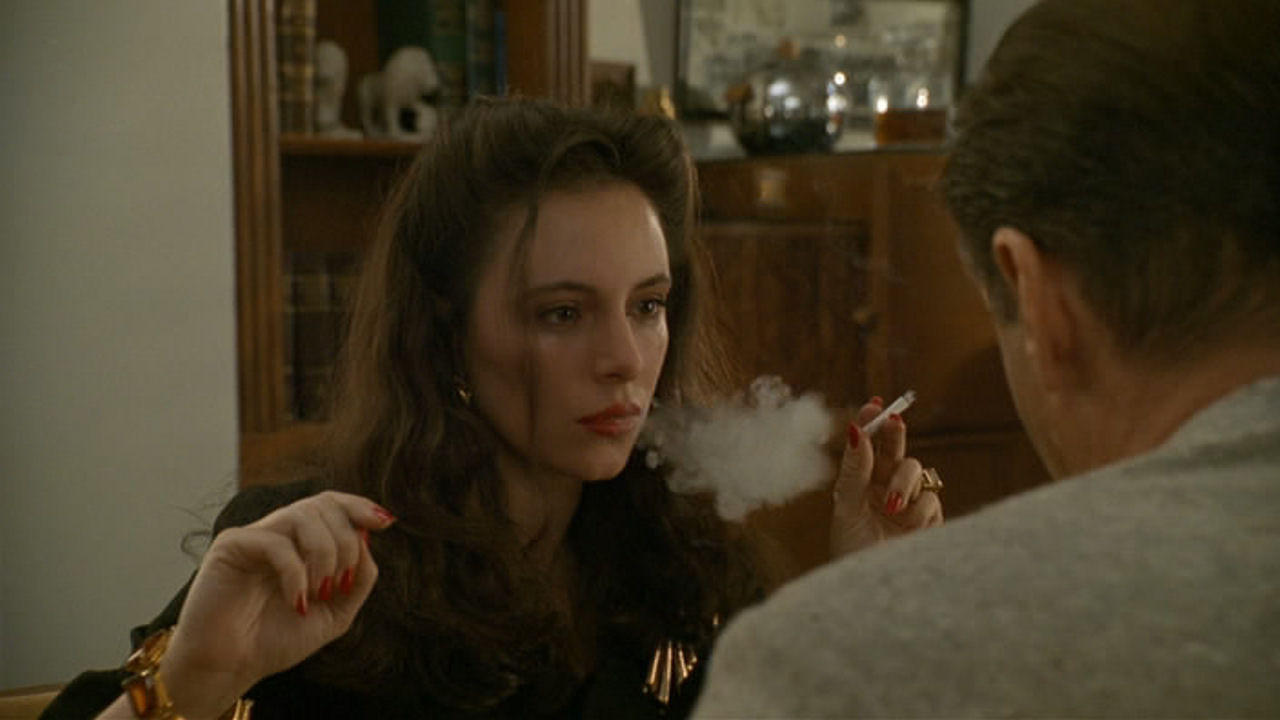
Beyond Nicholson, the cast delivers. Harvey Keitel, ever the coiled spring of intensity, is perfectly cast as Jake Berman, a man whose explosive temper hides layers of desperation and secrets. Meg Tilly brings an ethereal, almost spectral quality to Kitty, a woman trapped between powerful men and haunted pasts, echoing Faye Dunaway's tragic vulnerability. Madeleine Stowe also makes a strong impression as the calculating widow Lillian Bodine. The ensemble effectively navigates Towne's knotty dialogue and the shifting allegiances that define the plot. Do their interactions crackle with quite the same iconic energy as Gittes sparring with Noah Cross? Maybe not consistently, but the performances feel grounded in the film's specific, morally ambiguous world.
### Overlooked Heir or Forgotten Relic?
Why didn't The Two Jakes resonate like its predecessor? Perhaps the sixteen-year gap was too long. Perhaps the plot, delving into seismic geology, oil leases, and intricate family histories, felt less immediate and more demanding than the stark, elemental power struggle of Chinatown. It certainly requires more patience from the viewer, rewarding close attention but risking confusion for the casual observer. I remember renting the VHS, the anticipation palpable, and feeling... impressed, but also slightly overwhelmed. It lacked the knockout punch of the original's ending, opting instead for a more ambiguous, weary resolution.
Yet, revisiting it now, The Two Jakes reveals itself as a remarkably crafted, intelligent, and atmospheric piece of 90s neo-noir. It respects its lineage while forging its own identity. It's a film about the weight of consequences, the complexities that time layers onto old wounds, and the impossibility of truly clean slates in a city built on ambition and buried secrets. It might not be the perfect sequel, but its ambition, moody elegance, and Nicholson's committed performance make it far more than just a footnote.
Rating: 7.5/10
Justification: While it doesn't capture the lightning-in-a-bottle perfection of Chinatown, The Two Jakes is a deeply atmospheric, intelligently written, and superbly acted neo-noir. Nicholson's direction is confident, the period detail is immaculate, and its complex narrative, though occasionally dense, offers significant rewards for attentive viewers. The film's troubled production history might show in subtle ways, and it lacks the raw gut-punch of the original, preventing a higher score. However, its thematic depth, nuanced performances (especially Nicholson's aged Gittes and Keitel's intensity), and brave continuation of a beloved story make it a fascinating and worthwhile film, arguably underrated in the landscape of 90s cinema.
Final Thought: It may live in the shadow of a giant, but The Two Jakes casts its own long, intriguing shadow, reminding us that sometimes the most compelling mysteries aren't just about who did what, but about how the past never truly stays buried. A complex pleasure well worth digging out of the archives.