Okay, settle in. Sometimes, amidst the explosion-fests and creature features lining the shelves back at the old video store, you’d stumble upon something different. A tape, often with quieter cover art, maybe in the ‘World Cinema’ section if your local store was fancy enough, that promised not spectacle, but story. Central Station (Central do Brasil), Walter Salles’ 1998 masterpiece, was precisely that kind of discovery – a film that unfolds not with bangs and crashes, but with the quiet, profound rhythm of a human heart slowly opening.
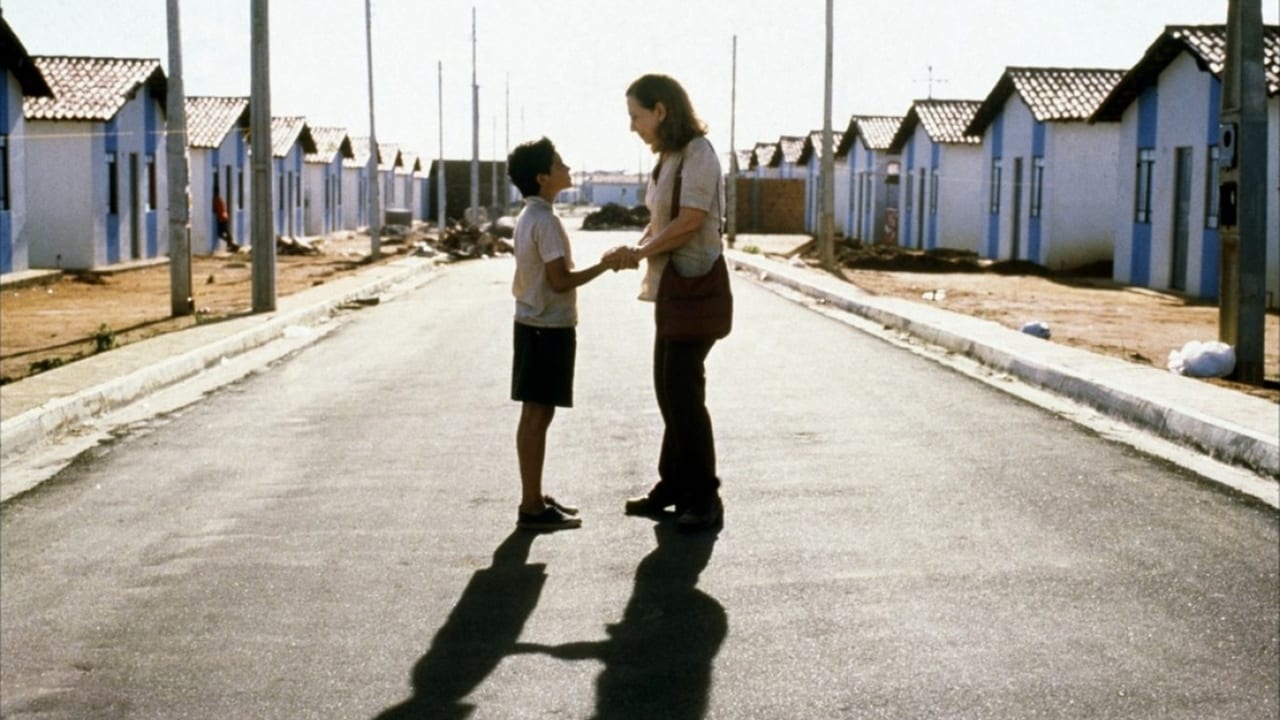
It begins with a face, etched with weariness and cynicism: Fernanda Montenegro as Dora, a retired schoolteacher making ends meet by writing letters for the illiterate masses flooding Rio de Janeiro’s bustling Central Station. She’s a conduit for their hopes, fears, and declarations of love, yet she treats it purely as a transaction, often discarding the letters unposted, judging the senders unworthy or their messages futile. It's a stark, almost brutal introduction to a character walled off from empathy. Remember that feeling? Finding a film that wasn't afraid to show us characters who were initially unlikeable, forcing us to look closer?
Letters Never Sent, Lives Intertwined
Dora’s carefully constructed apathy cracks when Ana (Sóia Lira) and her young son, Josué (Vinícius de Oliveira), approach her booth. Ana wants to send a letter to the boy’s estranged father, a man he’s never met, living somewhere in the remote vastness of Brazil’s Northeast. Tragedy strikes swiftly, brutally, leaving Josué orphaned and adrift in the chaotic station. Dora’s initial impulse is pure self-preservation, even dipping into morally reprehensible territory. Yet, something shifts. Is it guilt? A flicker of long-dormant maternal instinct? Or perhaps the sheer, unwavering gaze of the boy, who sees something in her she doesn’t see in herself? This catalyst sets them off on an improbable journey, a road trip far removed from any Hollywood buddy comedy, into the heart of Brazil and, ultimately, into the recesses of their own souls.
An Unforgettable Pairing
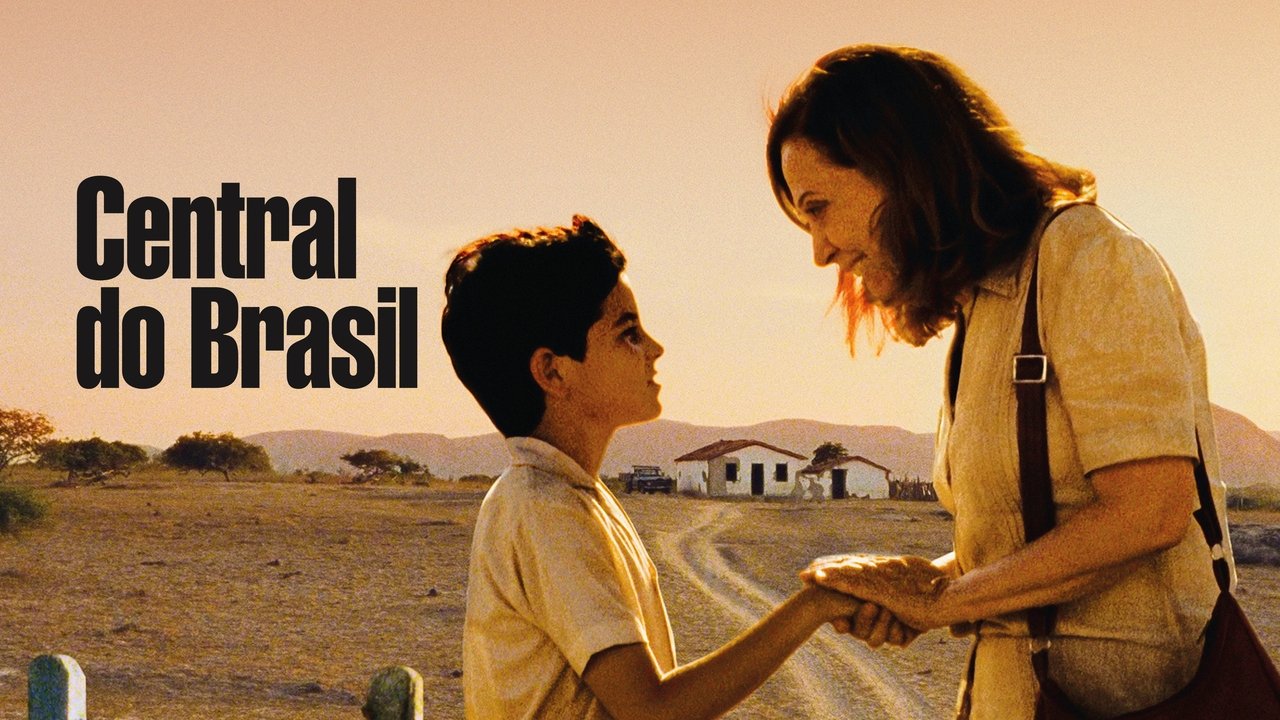
The film rests squarely on the shoulders of its two leads, and their performances are nothing short of miraculous. Fernanda Montenegro, already a legend in Brazilian theatre and television, delivers a portrayal of Dora that is simply breathtaking in its nuance. She doesn't signal Dora's transformation; she inhabits it. You see the gradual thawing not in grand gestures, but in the softening of her eyes, the slight hesitation before a harsh word, the reluctant acceptance of connection. It's a masterclass in conveying complex internal shifts with minimal fuss, earning her a thoroughly deserved Academy Award nomination for Best Actress – a rare feat for a non-English language performance. It’s fascinating to recall the buzz around her nomination back then; she faced off against giants like Gwyneth Paltrow (who won for Shakespeare in Love), Cate Blanchett, Meryl Streep, and Emily Watson.
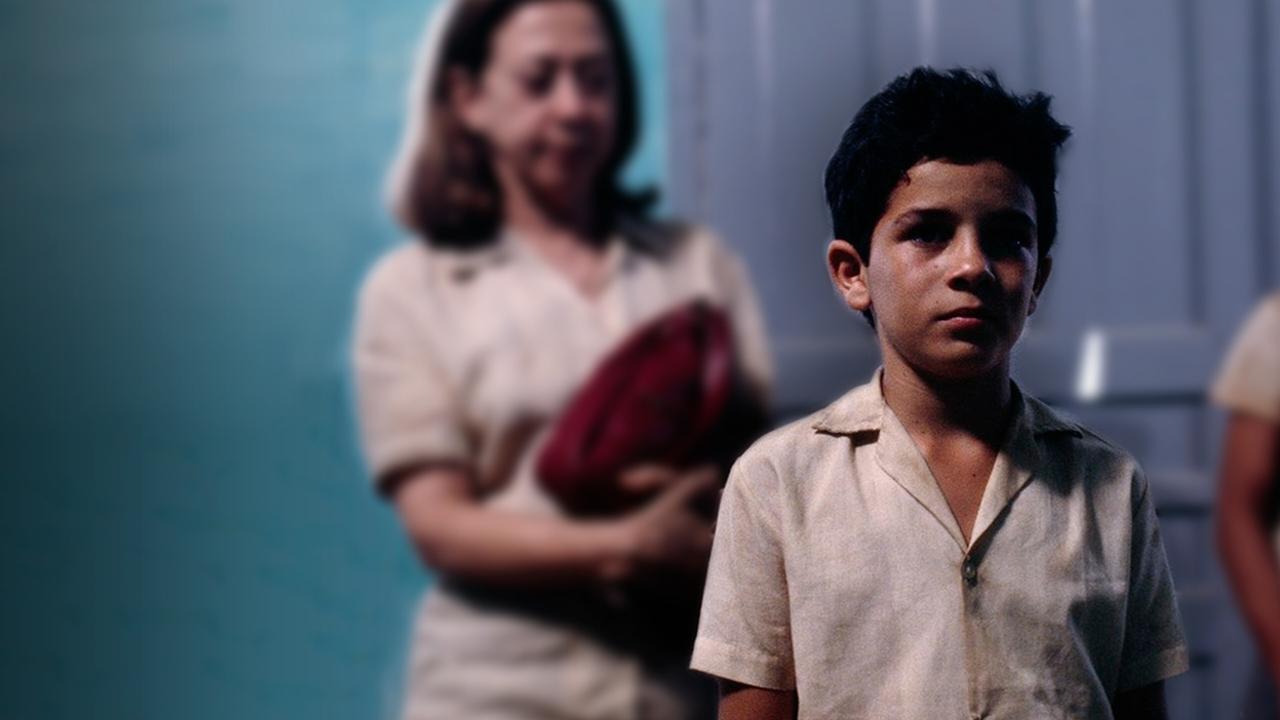
Equally captivating is Vinícius de Oliveira as Josué. His story is the kind of behind-the-scenes tale that warms a cinephile’s heart. Salles, seeking authenticity, famously discovered the then-11-year-old Oliveira shining shoes at Rio’s Santos Dumont Airport, initially approaching him to ask about football. Oliveira had never acted before, yet he possesses an innate screen presence and an emotional honesty that anchors the film. His Josué is not merely a symbol of innocence; he’s resilient, observant, and fiercely determined, providing the moral compass that Dora has long since lost. The chemistry between the seasoned veteran Montenegro and the raw newcomer Oliveira feels utterly genuine, evolving from wary antagonism to a deep, unspoken bond that forms the film’s emotional core.
Beyond the Station: A Journey Through Brazil
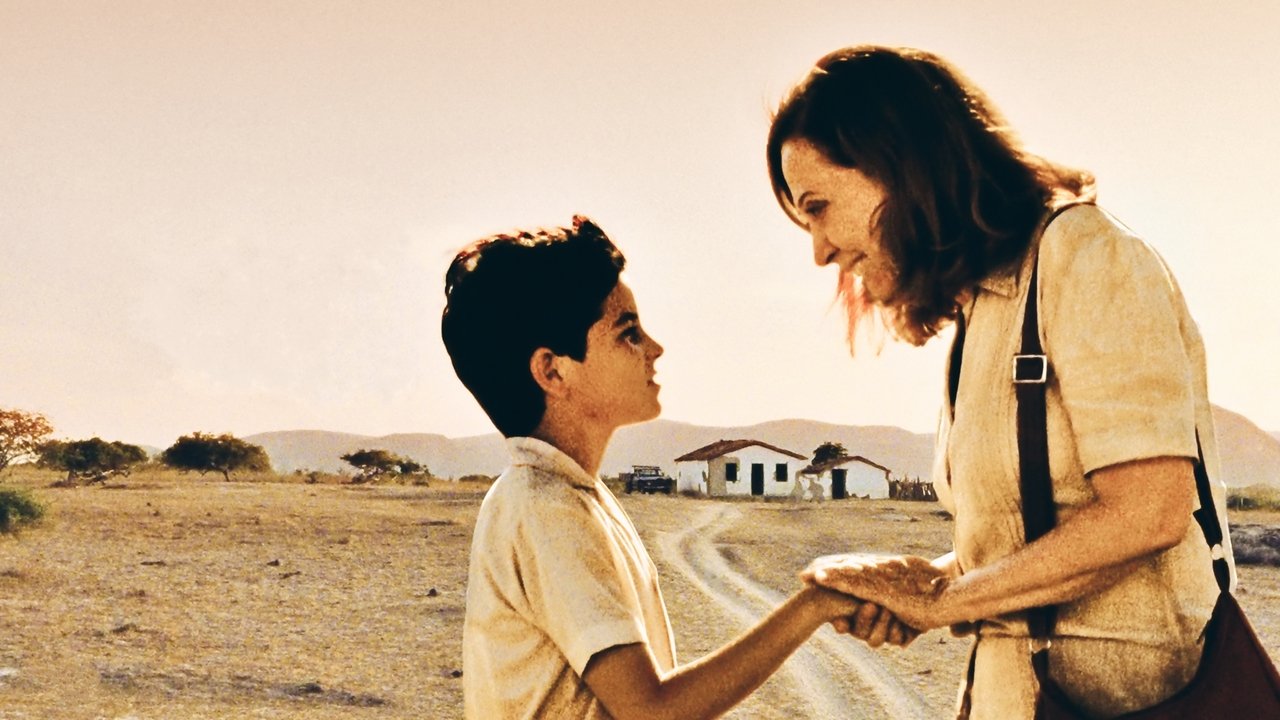
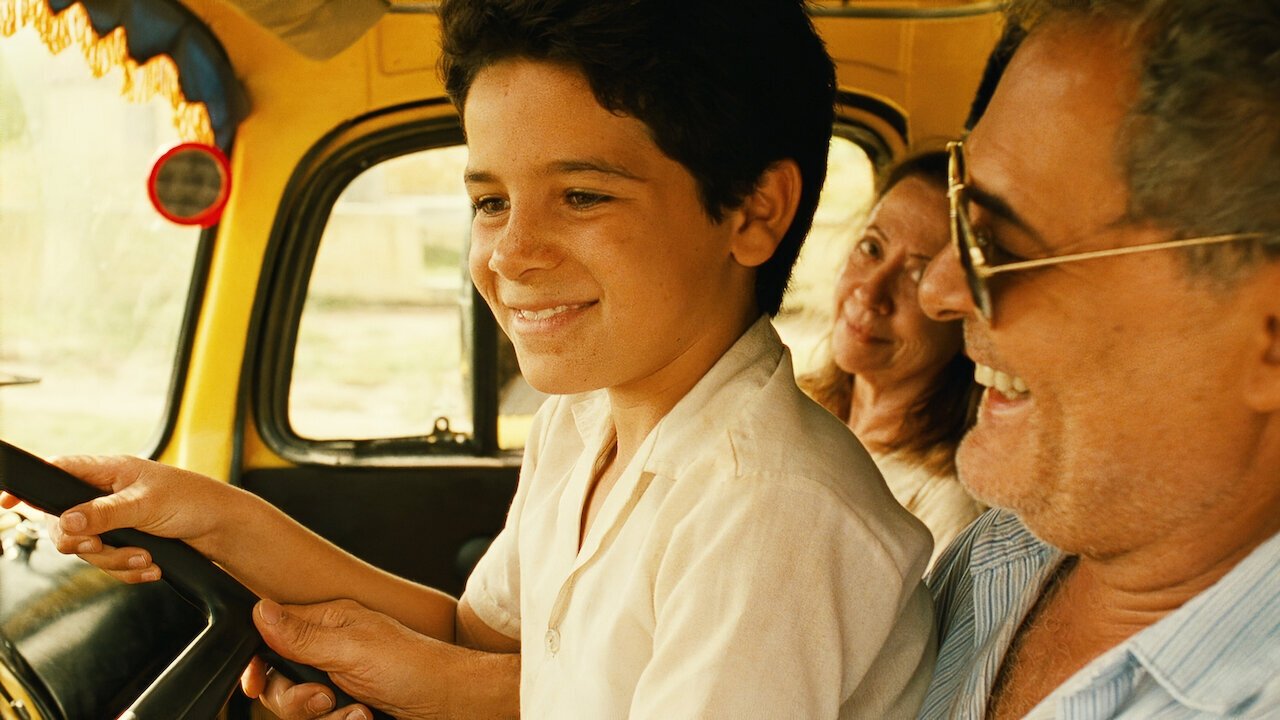
Walter Salles, who would later direct films like The Motorcycle Diaries, uses the journey itself as a character. Working with cinematographer Walter Carvalho, he contrasts the overwhelming, impersonal chaos of Rio with the stark, sun-baked beauty and profound poverty of the rural Sertão. The transition isn't just geographical; it's spiritual. The landscapes reflect the internal shifts in Dora and Josué. Filming wasn't easy; capturing the raw energy of the real Central Station required careful maneuvering, while the remote locations presented their own logistical hurdles. Yet, this commitment to authenticity pays off, immersing the viewer completely in their world. Salles employs a style often reminiscent of Italian neorealism, focusing on everyday struggles and finding moments of grace amidst hardship, letting the environment and the actors’ faces tell much of the story. The film reportedly cost around $2.9 million USD – a modest sum even then – but grossed over $22 million worldwide, a testament to its universal appeal.
Finding Hope in Unexpected Places
What lingers long after the credits roll on Central Station? It’s not just the stunning performances or the evocative portrayal of Brazil. It’s the film’s profound meditation on human connection, redemption, and the enduring power of hope, even when circumstances seem bleakest. How often does cynicism truly shield us, and how often does it merely imprison us? Dora begins as someone who has given up on faith, both literal and figurative, only to find herself undertaking a pilgrimage of sorts, guided by a child’s unwavering belief. The film doesn't offer easy answers or a perfectly neat resolution, which makes its emotional impact all the more resonant. It acknowledges the pain and hardship but ultimately chooses to emphasize the possibility of change and the importance of reaching out. It’s a reminder that sometimes the most significant journeys are the ones we’re forced to take, leading us to destinations within ourselves we never knew existed.
Rating: 9.5/10
The score reflects the film's near-perfect execution: Montenegro's towering performance, Oliveira's remarkable debut, Salles' sensitive direction, and a story that resonates with universal truths about loss, connection, and the difficult, necessary path towards empathy. It avoids sentimentality while delivering extraordinary emotional power.
Central Station wasn't the typical Friday night VHS grab, but discovering it felt like unearthing treasure. It’s a film that stays with you, a quiet hum beneath the noise, reminding you of the stories waiting to be told, and the connections waiting to be forged, if only we take the time to listen – or, in Dora’s case, to finally write them down and send them.