Some films don't just tell a story; they carry the weight of history on their celluloid shoulders, demanding a reckoning from the viewer. Jonathan Demme's Beloved (1998) is such a film. I remember seeing the substantial, double-VHS clamshell case on the rental shelf back in the day, its cover art hinting at something far deeper and more unsettling than the usual blockbuster fare. It wasn't a casual Friday night pick; it felt like a commitment, an understanding that you were about to engage with something significant, something that would linger long after the tape rewound with that familiar mechanical whir.
A Haunting at 124
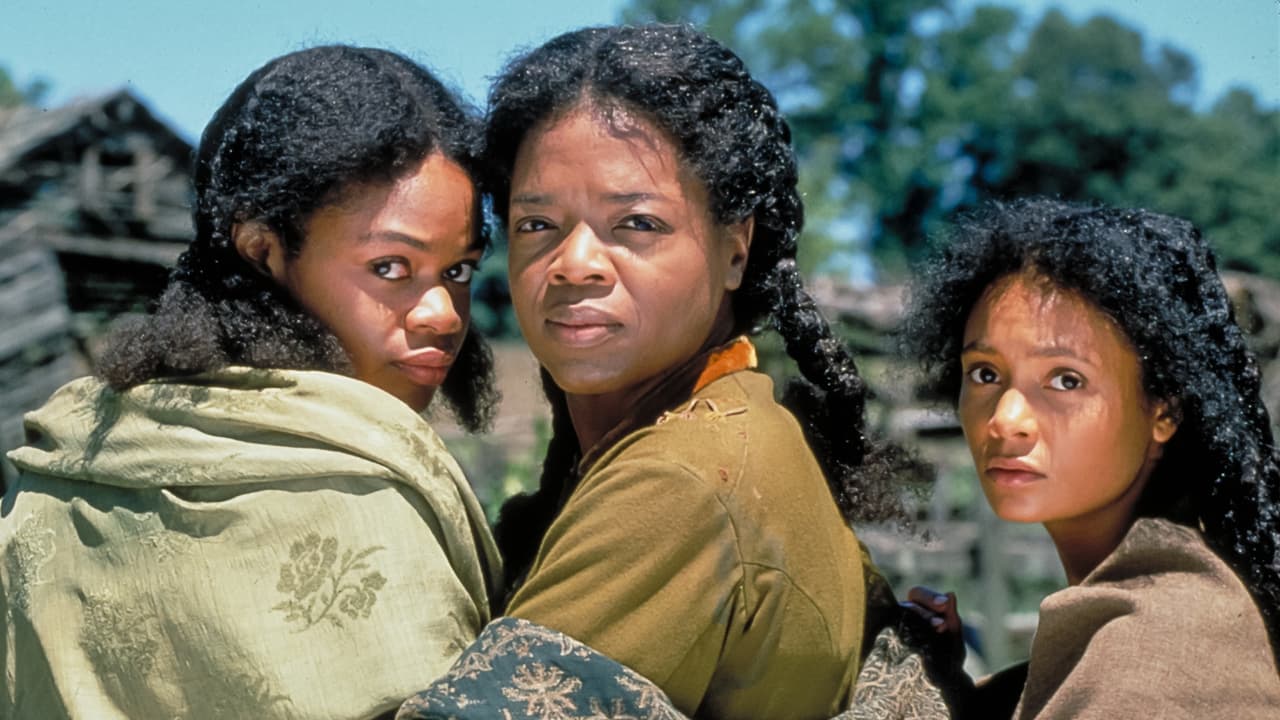
Set in rural Ohio shortly after the American Civil War, Beloved centers on Sethe (Oprah Winfrey), a former slave living with her daughter Denver (Kimberly Elise) in a house haunted by the furious spirit of the infant daughter Sethe killed years earlier to prevent her return to slavery. The spectral presence is initially disruptive, a poltergeist rattling the foundations of their fragile peace. But the arrival of Paul D (Danny Glover), a fellow former slave from Sweet Home plantation where Sethe endured unspeakable horrors, seems to temporarily exorcise the ghost, offering a glimpse of a possible future free from the past. This fragile hope is shattered, however, by the mysterious appearance of a young woman calling herself Beloved (Thandie Newton), who emerges from the water, disoriented and possessing only fragmented memories – memories that seem inextricably linked to Sethe's tragic past.
Wrestling with Ghosts, Literal and Figurative
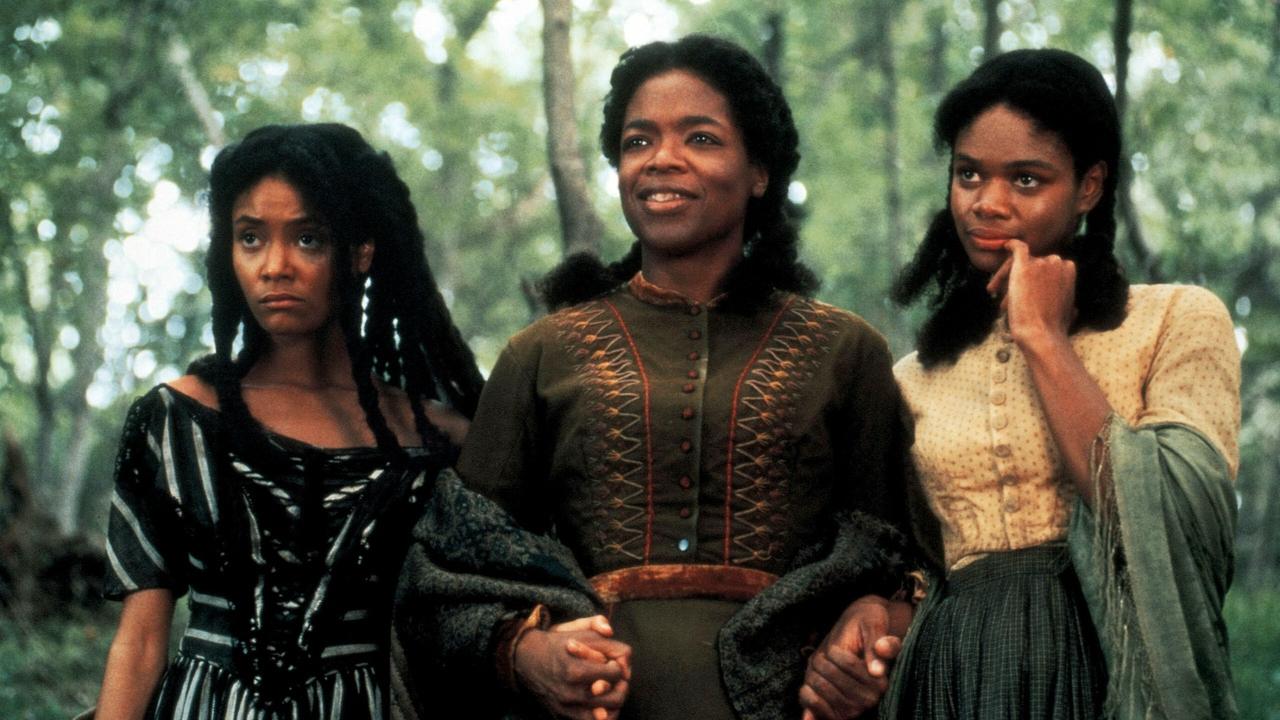
Adapting Toni Morrison's Pulitzer Prize-winning novel was always going to be an immense challenge. The book is a dense tapestry of memory, trauma, and lyrical prose, delving into the psychological wounds of slavery in ways few narratives had dared. Jonathan Demme, known then for the taut suspense of The Silence of the Lambs (1991) and the moving drama of Philadelphia (1993), might have seemed an unexpected choice, yet he approached the material with a crucial sensitivity and a willingness to embrace its more challenging, spectral elements. The screenplay, credited to Akosua Busia, Richard LaGravenese, and Adam Brooks, attempts the near-impossible task of translating Morrison's interiority and non-linear structure into a visual medium. Does it always succeed? Perhaps not entirely – the sheer weight of the source material is formidable. Yet, the film’s power lies in its refusal to flinch, its commitment to visualizing the enduring trauma.
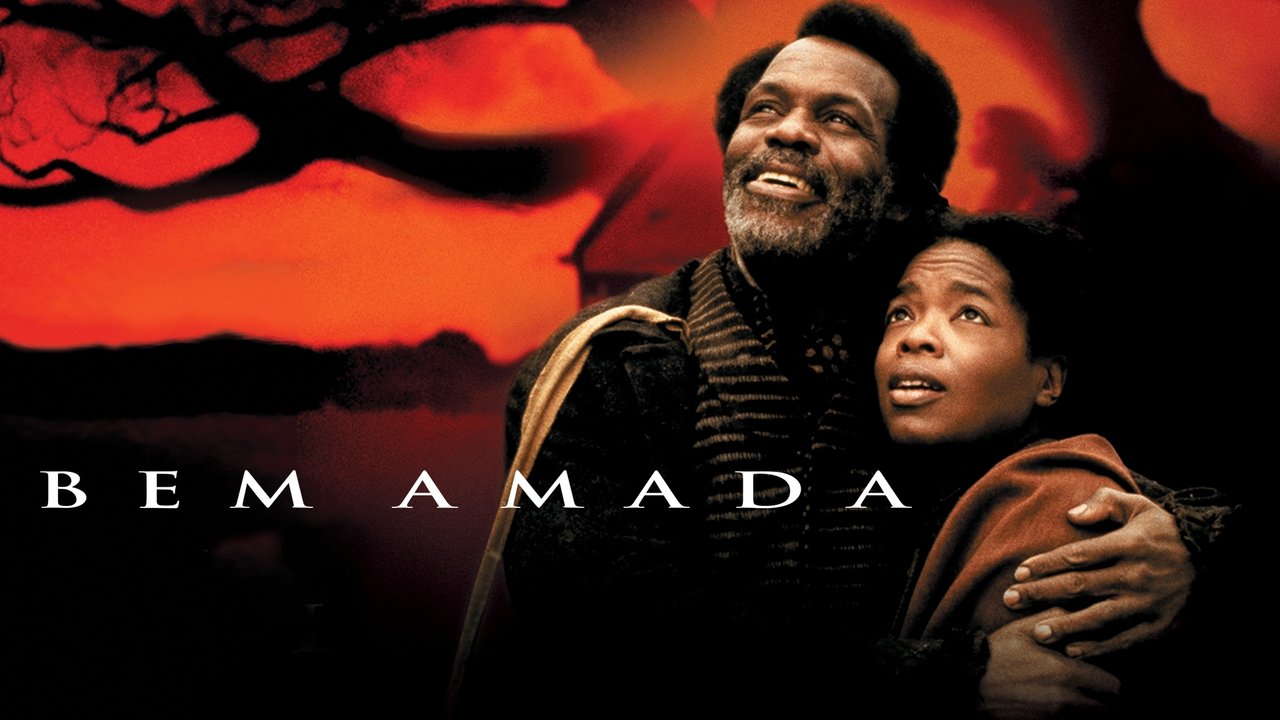
One fascinating piece of context is Oprah Winfrey's deep personal connection to the project. She famously championed the book after reading it in 1987 and spent a decade working to bring it to the screen, ultimately co-producing and starring. Her passion is palpable in her portrayal of Sethe. It's a performance of immense restraint and buried anguish. Winfrey embodies the exhaustion of carrying an impossible burden, the quiet dignity masking unimaginable pain, and the terrifying ferocity of a mother pushed to the absolute limit. Her interactions with Danny Glover's Paul D are imbued with a weary tenderness; Paul D, himself scarred by his experiences (that chilling description of the bit), represents both a potential solace and a reminder of the shared nightmare they survived.
An Incarnation of Trauma
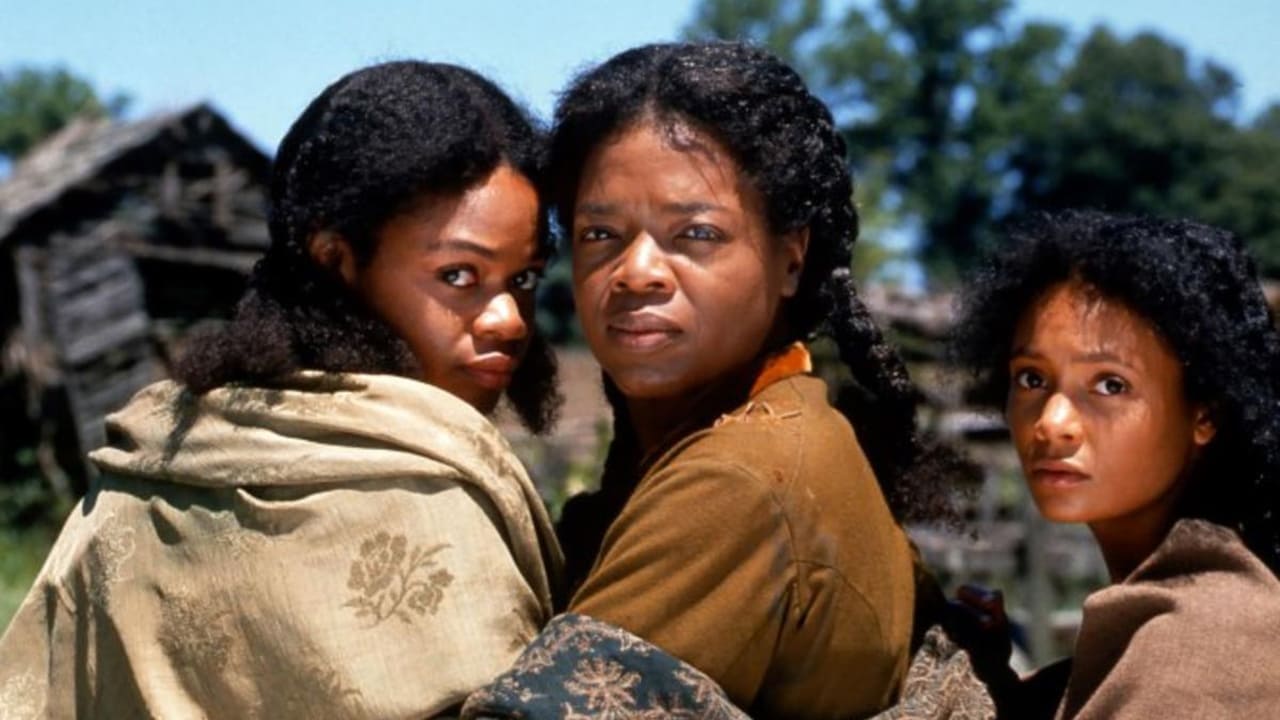

But it's Thandie Newton's portrayal of Beloved that truly sears itself into memory. It is, frankly, one of the most audacious and physically committed performances of the era. Newton embodies not just a character, but a concept – the hungry ghost of the past, the insatiable need of the traumatized, the raw embodiment of suffering demanding recognition. Her movements are unnatural, her voice cracks with an unnerving blend of childlike need and ancient knowing. Demme reportedly worked closely with Newton, encouraging an almost animalistic physicality, having her work with a movement coach to capture Beloved's disjointed, newly-corporeal state after seemingly crawling out of the water (and the grave). It’s a performance that courts the grotesque but achieves something profound about the way trauma consumes and distorts. Watching her on screen, especially on those old CRT TVs where the shadows seemed deeper, felt genuinely unsettling.
Ambitious Vision, Difficult Truths
Demme uses unsettling imagery – flashbacks rendered in stark, almost hallucinatory flashes, the oppressive atmosphere of 124, the moments where the supernatural bleeds into the mundane – to convey the psychological landscape of his characters. Tak Fujimoto's cinematography captures both the pastoral beauty of the Ohio landscape and the claustrophobic darkness within the house. The film doesn't shy away from the brutality of the past, nor does it offer easy answers or comfortable resolutions. It asks us to sit with the discomfort, to confront the legacy of an institution that sought to break the human spirit.
This uncompromising vision perhaps contributed to the film's struggle at the box office. Made for a substantial $80 million (a huge budget for a historical drama in 1998), it only grossed around $23 million worldwide. Was it too demanding? Too raw? Too overtly spectral for audiences expecting a more straightforward historical drama? Perhaps. Watching it on VHS, often rented rather than bought, might have reflected that initial hesitation from the broader audience. It required emotional investment, a willingness to grapple with its difficult themes, something not always sought in home video entertainment.
The Lingering Echo
Beloved isn't an easy film. It's emotionally taxing, sometimes oblique, and relentlessly focused on the painful weight of memory. Yet, its ambition is undeniable, and the central performances, particularly from Winfrey and Newton, are unforgettable. It stands as a powerful, if flawed, attempt to translate a literary masterpiece, retaining the source's devastating core message about the ghosts that history creates and the enduring strength required to face them. It’s a film that doesn’t just fade after the credits; it haunts, probes, and demands reflection.
Rating: 8/10
Justification: While the adaptation occasionally struggles under the weight of its source material and its demanding nature might limit casual rewatches, Beloved is a significant, courageous piece of filmmaking. Its unflinching portrayal of trauma, anchored by extraordinary performances (especially Newton's astonishing turn) and Demme's sensitive direction, makes it a vital, if difficult, viewing experience. The sheer ambition and emotional power earn it a high mark, acknowledging its challenging nature prevents a perfect score.
Final Thought: More than just a ghost story, Beloved forces us to ask: how do we live with the specters of an unforgivable past, and what price is paid for remembrance and survival? Its echoes linger, much like the presence at 124.