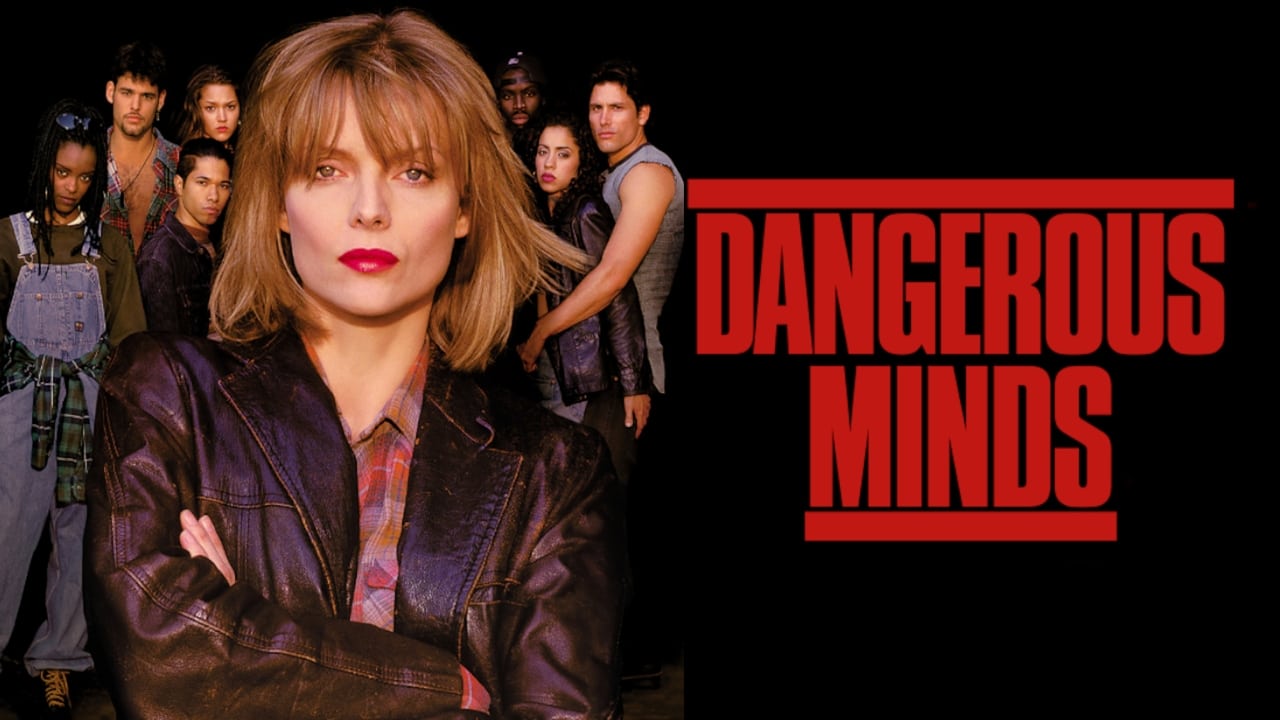
Okay, let's dim the lights, maybe crack open a can of something fizzy, and slide this tape into the VCR. Remember that distinctive whirr and clunk? Some movie soundtracks become so intertwined with the film itself, they practically are the film in our collective memory. Mention 1995's Dangerous Minds, and before you even picture Michelle Pfeiffer staring down a classroom of wary teenagers, chances are you hear it: the haunting G-funk beat and Stevie Wonder sample underpinning Coolio's "Gangsta's Paradise." It wasn't just a song; it was an anthem that dominated the airwaves and rocketed this inner-city teacher drama into the stratosphere.
### Beyond the Hit Single
But peel back the layers of that chart-topping phenomenon, and what do we find? Dangerous Minds drops us, alongside Pfeiffer's LouAnne Johnson, into the deep end at Parkmont High School. A former Marine, she takes on a pilot program teaching English to supposedly "unteachable" kids from the roughest side of the tracks. They're defiant, suspicious, and seemingly destined for failure by a system that's already written them off. It’s a setup we’ve seen variations of before and since – the idealistic teacher versus the hardened students – but there’s an earnestness here, largely carried by Pfeiffer, that resonated with audiences back in the day.
Remember grabbing this one from the 'New Releases' wall at Blockbuster? It felt important, somehow. Based on the real LouAnne Johnson's memoir, My Posse Don't Do Homework, the film aimed to shine a light on overlooked potential. Pfeiffer, fresh off complex roles in films like Batman Returns and The Age of Innocence, brings a compelling blend of naivete, vulnerability, and eventual steeliness to LouAnne. You see the initial fear in her eyes, the awkward attempts to connect (that infamous first day!), and then the gradual dawning of understanding and unorthodox methods. Her performance is the anchor; she sells the character's commitment, even when the script occasionally leans into predictable beats.
### Finding the Connection
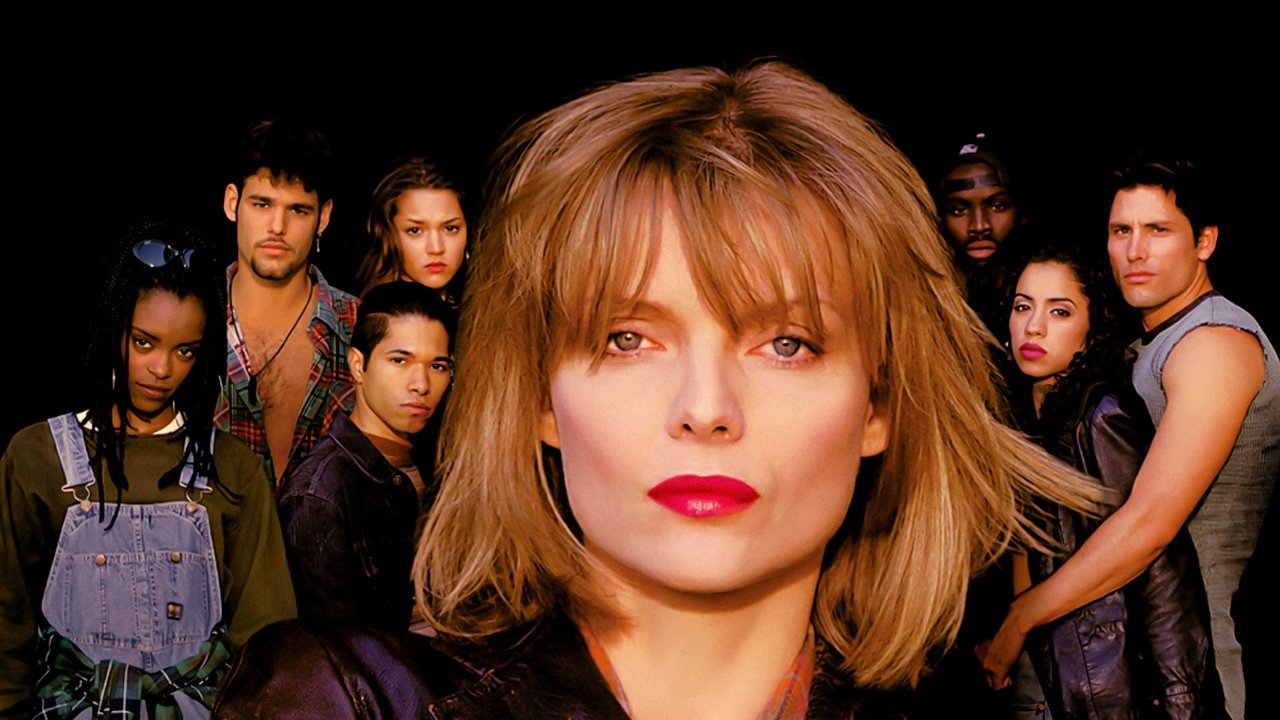
The film, directed by John N. Smith (who had previously helmed the gritty IRA drama In the Name of the Father – quite a shift!), focuses squarely on the emotional journey. LouAnne throws out the standard curriculum, using Bob Dylan lyrics ("Mr. Tambourine Man" decoding!), karate, and candy bars to break through the walls these kids have built. It’s here the film finds its heart. We see glimpses into the students' difficult lives – poverty, violence, broken homes. While some characterizations might feel a touch thin now, relying on familiar archetypes, there was a genuine attempt to portray their struggles. The interactions between LouAnne and key students like Emilio (Wade Dominguez), Raul (Renoly Santiago), and Callie (Bruklin Harris) provide the film's most affecting moments.
It’s interesting to note that the screenplay adaptation was handled by Ronald Bass, who certainly knew his way around character-driven drama, having co-written the Oscar-winning Rain Man. Perhaps that pedigree helped elevate Dangerous Minds beyond a standard "issue-of-the-week" movie feel, giving it a cinematic weight that connected with audiences.

### Retro Fun Facts
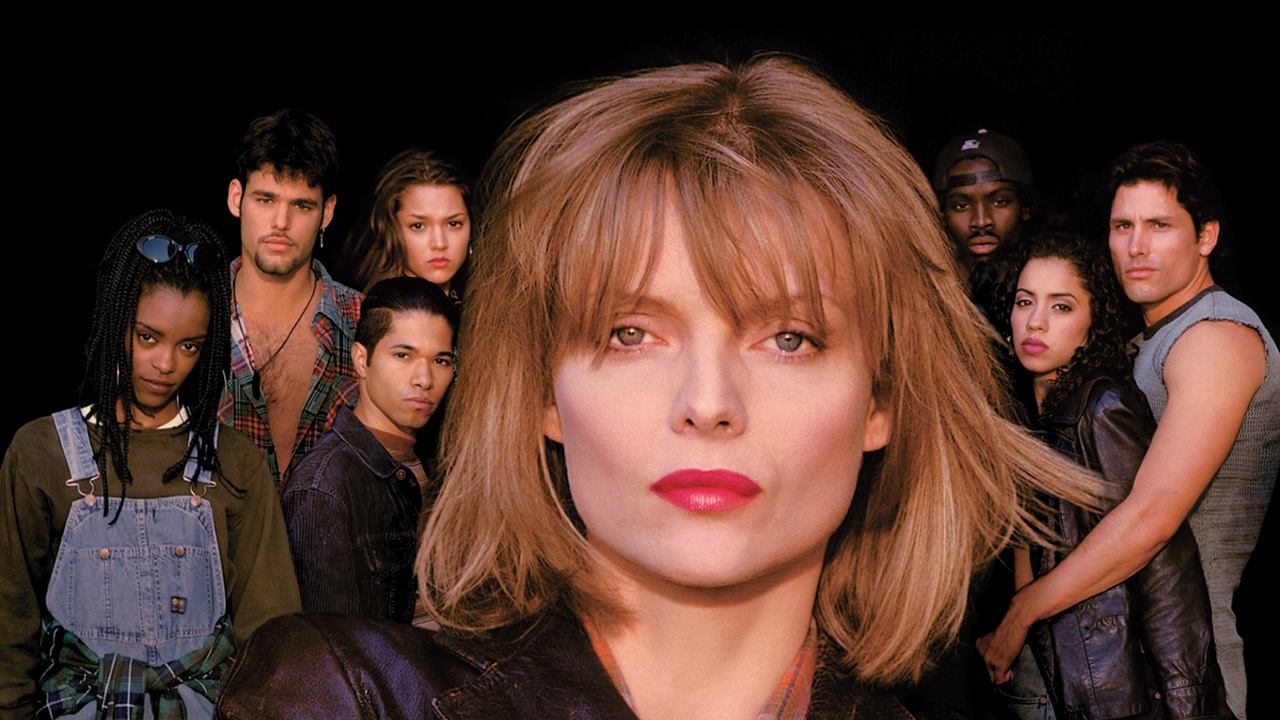
Pulling back the curtain a bit, it's fascinating how Dangerous Minds became such a cultural moment. Against a fairly modest production budget of around $23 million, it became a sleeper hit, eventually grossing nearly $180 million worldwide. That's roughly $350 million in today's money – a massive success fueled by Pfeiffer's star power and, undeniably, that killer soundtrack. The real LouAnne Johnson even has a brief cameo as the woman who receives the "Teacher of the Year" award near the end. Filming primarily took place not in a rough urban core, but at Burlingame High School in a more suburban part of California, using clever angles and set dressing to create the necessary atmosphere. And that soundtrack? It wasn't just Coolio; it was packed with 90s R&B and hip-hop royalty like Sista, Rappin' 4-Tay, and Tre Black, creating a perfect time capsule of the era's sound.
### Does It Still Teach Us Something?
Watching Dangerous Minds today evokes a powerful wave of mid-90s nostalgia, certainly. The fashion, the slang, that soundtrack... it’s all potent. But does the film itself hold up? Yes and no. The "inspirational teacher" genre has its tropes, and Dangerous Minds doesn't entirely avoid them. Criticisms about simplifying complex social issues or leaning into the "white savior" narrative are valid points for discussion, reflecting conversations we still have about representation in film. The solutions presented sometimes feel a bit too neat, the breakthroughs a touch too convenient for the constraints of a Hollywood narrative.
Yet, there's an undeniable sincerity at its core. Pfeiffer's performance remains compelling, capturing the dedication and emotional toll of teaching under challenging circumstances. The film's central message – that every student deserves a chance, that potential can be found in unexpected places, and that connection is key – still resonates. It asks us, implicitly, are we too quick to judge? Do we see the individual behind the label? These aren't questions that have faded with time.
### The Final Grade
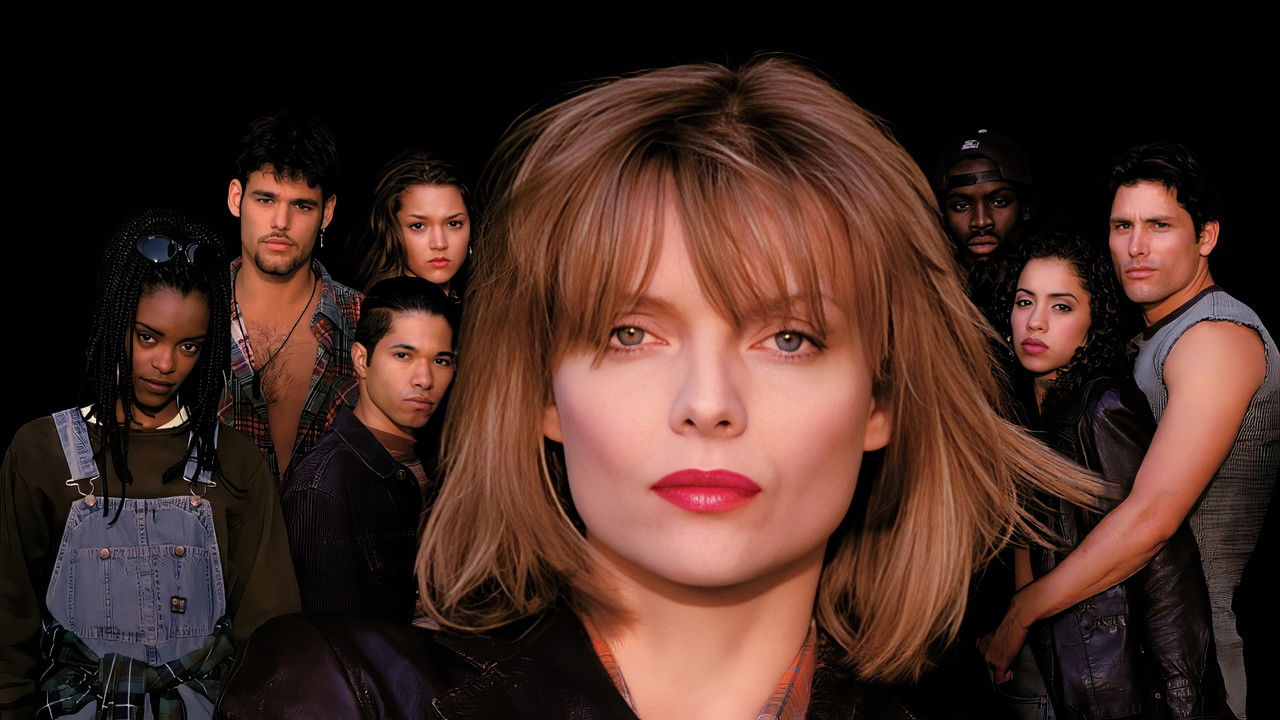
Dangerous Minds isn't a gritty, cinéma vérité portrayal of inner-city education like, say, The Wire would later offer on television. It’s a Hollywood drama, complete with emotional swells and a star-powered center. But it's an effective one, anchored by a strong lead performance and elevated by a truly iconic soundtrack that defined a moment. It wears its heart on its sleeve, sometimes to a fault, but its earnest belief in the power of one person to make a difference struck a chord in 1995, and that emotional core still flickers through the tracking lines today.
Rating: 7/10
Final Thought: More than just a vehicle for a monster hit song, Dangerous Minds remains a potent slice of 90s cinematic optimism, reminding us, flaws and all, of the enduring power found in a teacher who simply refuses to give up. Did it change the world? Maybe not. But did it make us feel like it could? Absolutely. And sometimes, that's exactly what you wanted from a night with a rented VHS tape.