Alright, settle back into that worn armchair, maybe imagine the satisfying clunk of a VHS tape slotting into the VCR. Today, we're dusting off a mid-90s French offering that might have caught your eye nestled between the familiar Hollywood blockbusters on the rental shelf: Gérard Lauzier's 1996 film, The Best Job in the World (or, in its native tongue, the slightly more poetic Le Plus Beau Métier du monde). It's a film that asks a question many wrestle with: what happens when your comfortable world collapses, forcing you headfirst into a reality you’d only glimpsed from a safe distance?
From Ivory Tower to Concrete Jungle
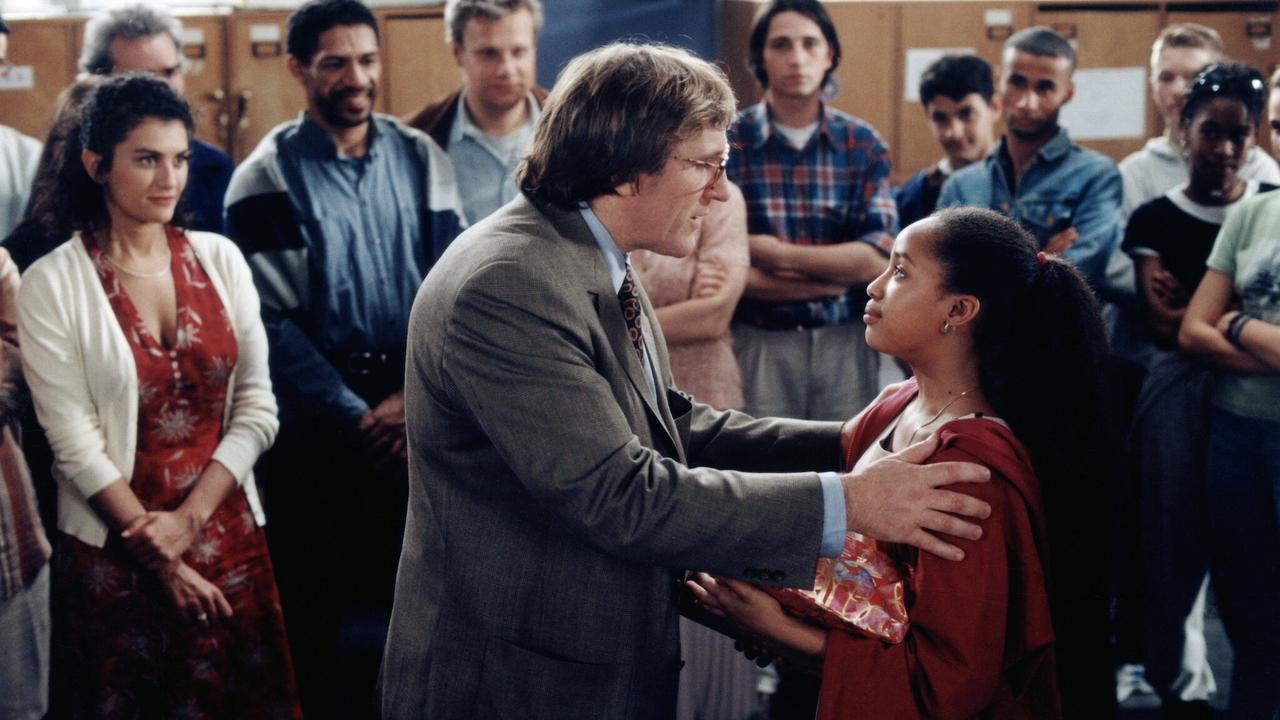
The setup feels almost like a classic fish-out-of-water scenario, but with a distinctly French social consciousness simmering beneath the surface. We meet Laurent Monier, played by the titan of French cinema, Gérard Depardieu. He’s a history professor enjoying a seemingly placid life in an affluent suburb, complete with a respectable school post and a well-appointed home. That is, until his wife Hélène (Michèle Laroque, sharp and convincingly brittle) leaves him for a wealthier man, plunging Laurent into financial and emotional turmoil. Facing ruin, the only lifeline offered is a teaching position far removed from his previous comfort zone: a state school in a tough, ethnically diverse banlieue on the outskirts of Paris.
It's here the film finds its heart and its friction. The contrast is immediate and stark. Lauzier, who also directed Depardieu in the much lighter father-daughter comedy Mon père, ce héros (1990) – later remade in the US as My Father the Hero (1994), again with Depardieu – doesn't paint a romanticized picture. The school is under-resourced, the administration is weary, and the students are a whirlwind of adolescent energy, simmering resentment, and challenging home lives. We see graffiti-scarred hallways, overcrowded classrooms, and teachers struggling to maintain order, let alone impart knowledge. It felt authentic then, a snapshot of the social tensions and systemic issues facing these marginalized communities in mid-90s France, a theme that resonates perhaps even more strongly today.
Depardieu: The Weary Heart of the Matter
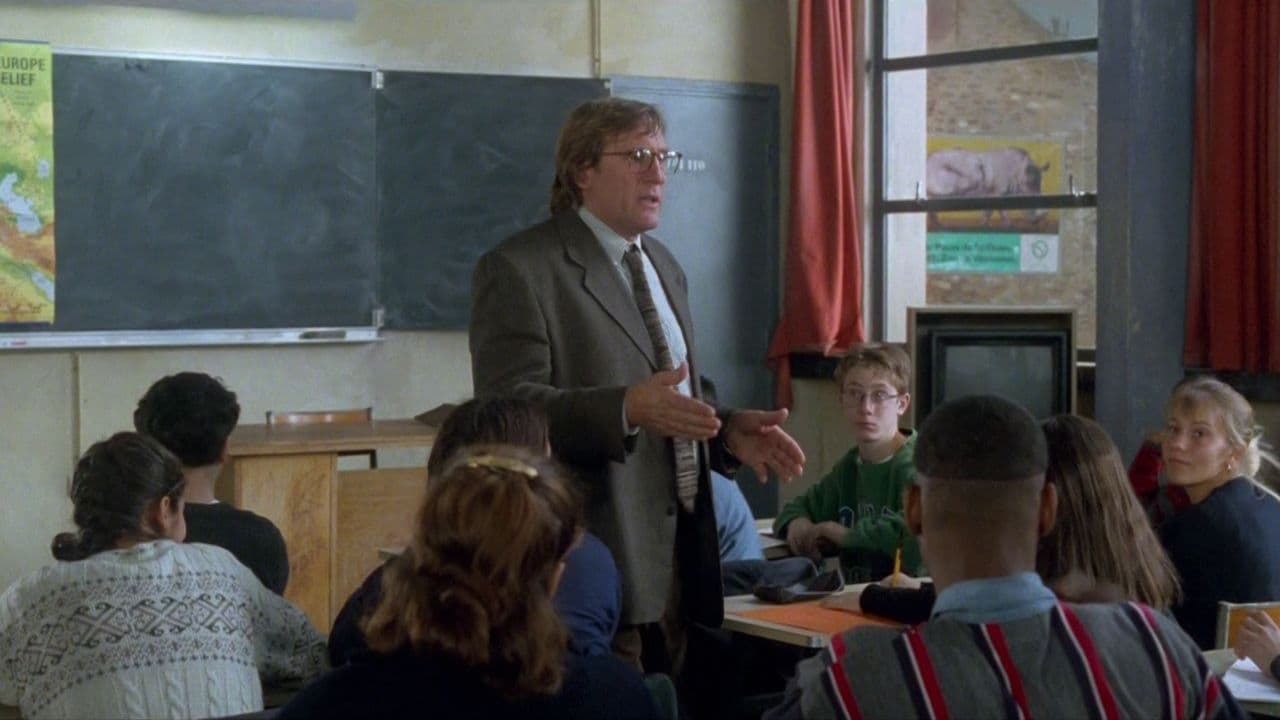
At the centre of this storm stands Gérard Depardieu. Fresh off international recognition for films like Cyrano de Bergerac (1990) and Green Card (1990), his performance here is a masterclass in understated weariness gradually giving way to resilience. He doesn't arrive as a conquering hero teacher ready to instantly transform lives, a trope common in similar American films like Dangerous Minds (1995) which hit screens just the year before. Instead, Depardieu portrays Laurent's initial shock, his frustration, his moments of despair, and crucially, his slow, unglamorous journey towards connecting with these kids. There's a weight to his presence, a vulnerability beneath the imposing frame, that makes Laurent utterly believable. He feels like a real person thrown into an impossible situation, trying desperately to stay afloat. It’s this grounded portrayal that elevates the film beyond simple caricature. He finds allies, notably in fellow teacher Radia, played with warmth and pragmatism by Souad Amidou, offering a glimpse of the camaraderie needed to survive such demanding work.
Beyond the Chalkboard: Laughs and Truths
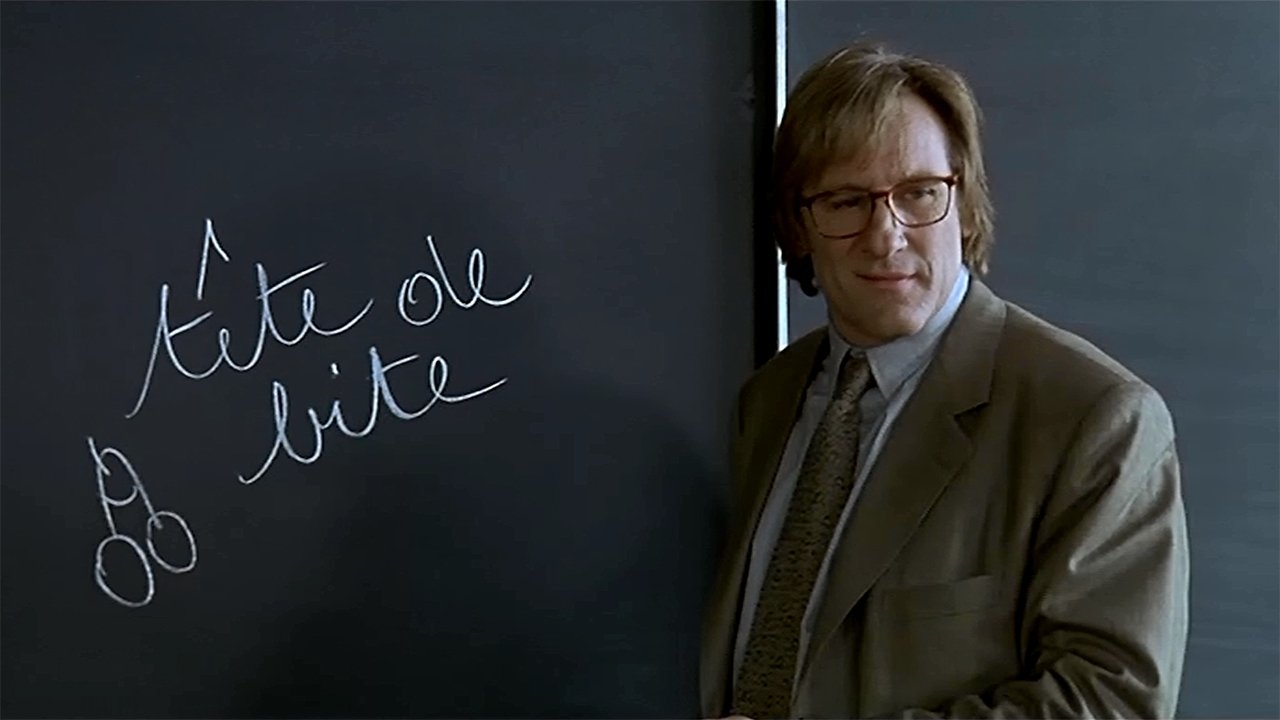

While touching on serious social issues, The Best Job in the World is still fundamentally a comedy-drama. The humor often arises from the cultural clashes, Laurent's awkward attempts to navigate unfamiliar territory, and the sheer absurdity of some situations he faces. It’s not laugh-out-loud farce, but rather a more gentle, observational humor that coexists with the drama. Lauzier manages this tonal balancing act skillfully for the most part, allowing moments of levity without undermining the genuine struggles depicted.
Interestingly, the original French title, translating to "The Most Beautiful Job in the World," carries a layer of poignant irony that the more functional English title slightly loses. Is teaching, especially under these conditions, truly the most beautiful job? The film suggests that amidst the chaos and heartbreak, moments of genuine connection and the spark of understanding in a student's eyes can make it profoundly meaningful, perhaps even beautiful in its own defiant way.
Digging into the film's context reveals it struck a significant chord back home. Made for a budget equivalent to roughly €11 million (a fair sum for a French film then), Le Plus Beau Métier du monde became a substantial box office success in France, pulling in nearly 5 million viewers and earning close to triple its production cost. This suggests its blend of star power, humor, and social commentary resonated deeply with French audiences grappling with these very real societal divisions. It wasn't just escapism; it felt like a reflection, albeit a commercially packaged one, of their own contemporary reality.
Was it Worth the Rental Fee?
Revisiting The Best Job in the World now, perhaps on a format far removed from the slightly fuzzy charm of VHS, its strengths endure. Depardieu's central performance remains compelling, anchoring the film with genuine heart. The willingness to blend comedy with a fairly unvarnished look at the challenges within the French education system and the banlieues gives it a substance that prevents it from feeling entirely dated. Sure, some classroom scenes might lean into familiar tropes, and the resolution might feel a touch optimistic given the complexities raised, but the film’s sincerity shines through. It doesn't offer easy solutions but instead focuses on the human element – the struggle, the small victories, the enduring hope found in connection. I remember finding films like this at the local video store, often dubbed, offering a window into a different kind of filmmaking than the Hollywood norm. It felt like discovering something a little more grounded, a little less polished, but often with a compelling story to tell.
Rating: 7/10
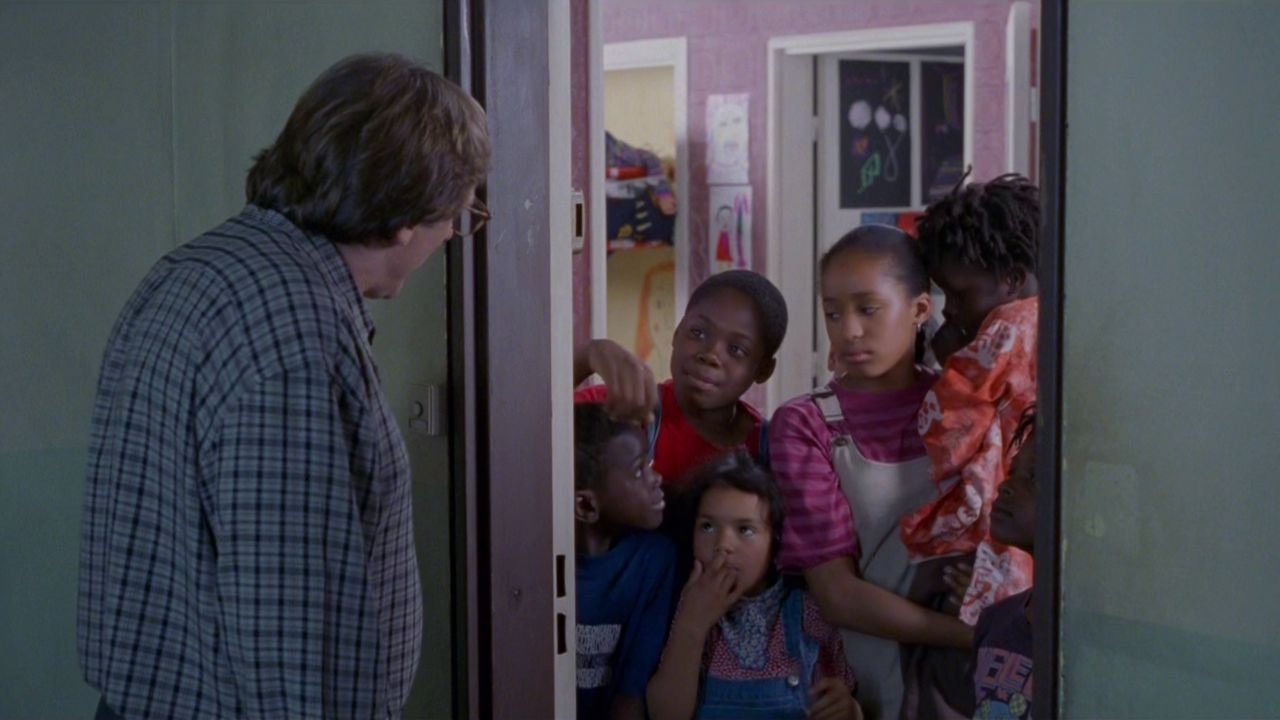
This score reflects a film anchored by a superb lead performance from Depardieu and a thoughtful, if sometimes conventional, blend of social commentary and human drama. It successfully navigates its tricky tone, offering both chuckles and moments of genuine pathos. While perhaps not a forgotten masterpiece, it's a strong example of mainstream French cinema tackling relevant issues with heart and humor, capturing a specific time and place effectively.
It leaves you pondering, doesn't it? The immense weight carried by teachers in challenging environments, and the quiet, often uncelebrated, impact they can have. What truly constitutes the "best job" in a complex world?