There's a certain magic to the world after dark, isn't there? A shared quiet, a sense of lives unfolding in parallel universes separated only by walls or miles. Jim Jarmusch captures this feeling perhaps better than anyone in his 1991 anthology film, Night on Earth. It wasn’t the kind of tape you grabbed for explosions or jump scares from the New Releases wall at Blockbuster; this was often tucked away, maybe in the ‘Indie’ or ‘World Cinema’ section, promising something different, something more… intimate. Watching it again now, it feels like rediscovering a series of whispered conversations overheard in the hushed solitude of a late-night cab ride.
Five Cities, One Night
The premise is beautifully simple, yet rich with possibility: five taxi journeys unfold simultaneously in five different cities across the globe – Los Angeles, New York, Paris, Rome, and Helsinki. Each segment presents a fleeting connection between driver and passenger(s), a miniature play performed within the confines of a moving vehicle against the backdrop of a specific urban nightscape. Jarmusch, ever the master of capturing the rhythms of the mundane and finding poetry within them, uses this structure not for intricate plot twists, but to explore universal threads of communication, misunderstanding, life, death, faith, and loneliness.
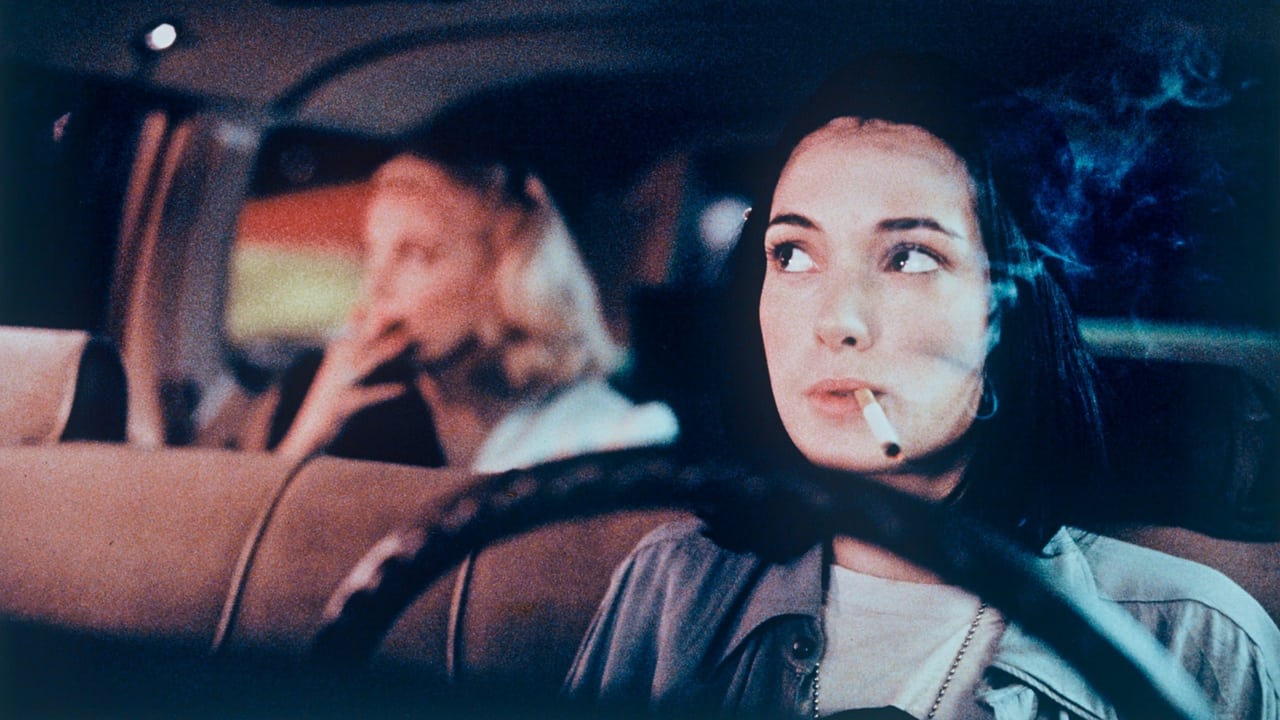
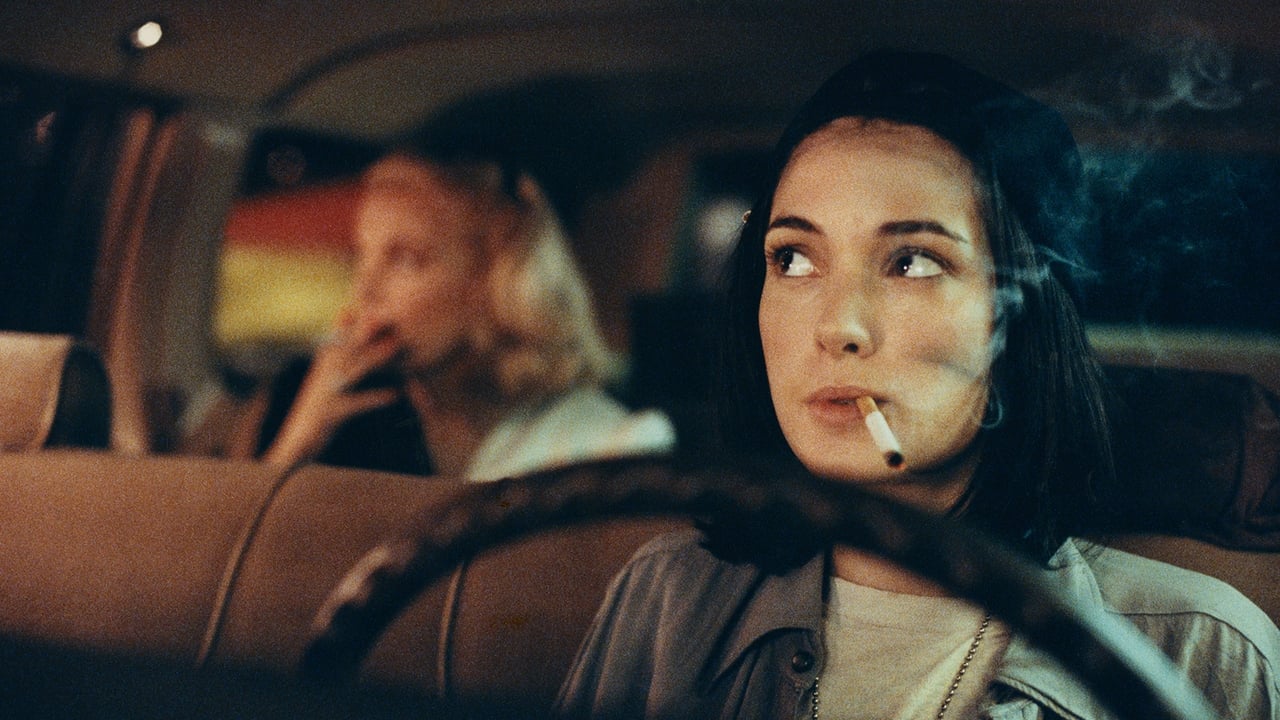
It all kicks off under the hazy glow of Los Angeles, where a brash young cabbie, Corky (Winona Ryder, perfectly cast against her more ethereal roles, chewing gum and dreaming of becoming a mechanic), picks up elegant casting agent Victoria Snelling (Gena Rowlands, radiating weary Hollywood glamour). Their interaction crackles with class difference and unexpected common ground. Ryder, fresh off hits like Edward Scissorhands (1990), fully embodies the working-class ambition, while Rowlands, a legend herself, delivers a performance of subtle vulnerability beneath the polished exterior. It’s a perfect Jarmusch setup: two disparate souls briefly orbiting each other. I remember hearing that Jarmusch specifically wrote these parts with Ryder and Rowlands in mind, a practice he employed for much of the film, tailoring the vignettes to actors he admired. It shows – the dialogue feels lived-in, the chemistry specific and believable.
Worlds Within Wheels
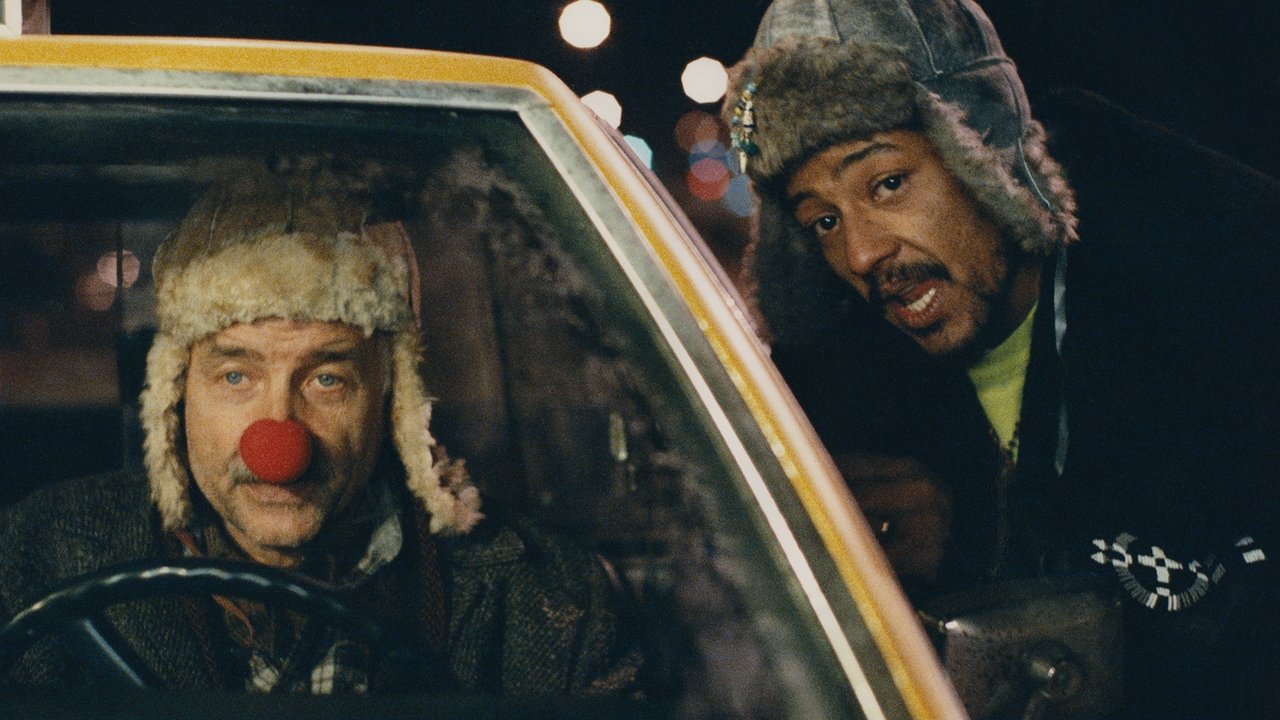
From LA, we jump to the stark winter streets of New York. Here, an immigrant cab driver from East Germany, Helmut (Armin Mueller-Stahl, wonderful), who barely knows how to drive an automatic and used to be a clown, picks up the boisterous YoYo (Giancarlo Esposito, years before his iconic turn in Breaking Bad) and his sharp-tongued sister-in-law Angela (Rosie Perez). The culture clash and language barrier provide gentle comedy, but there's also a poignant undertone about displacement and finding one's way in a new, overwhelming world. Helmut’s gentle confusion contrasts beautifully with YoYo’s streetwise energy, creating a dynamic that’s both funny and surprisingly touching.
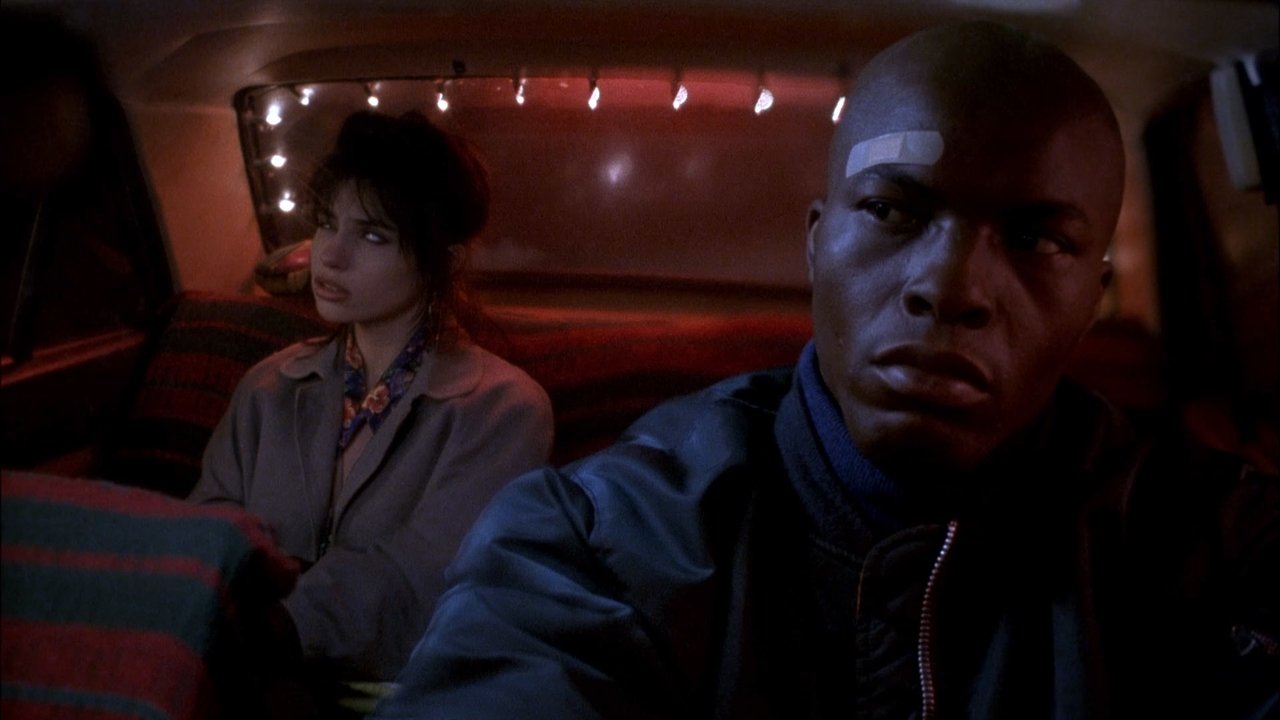
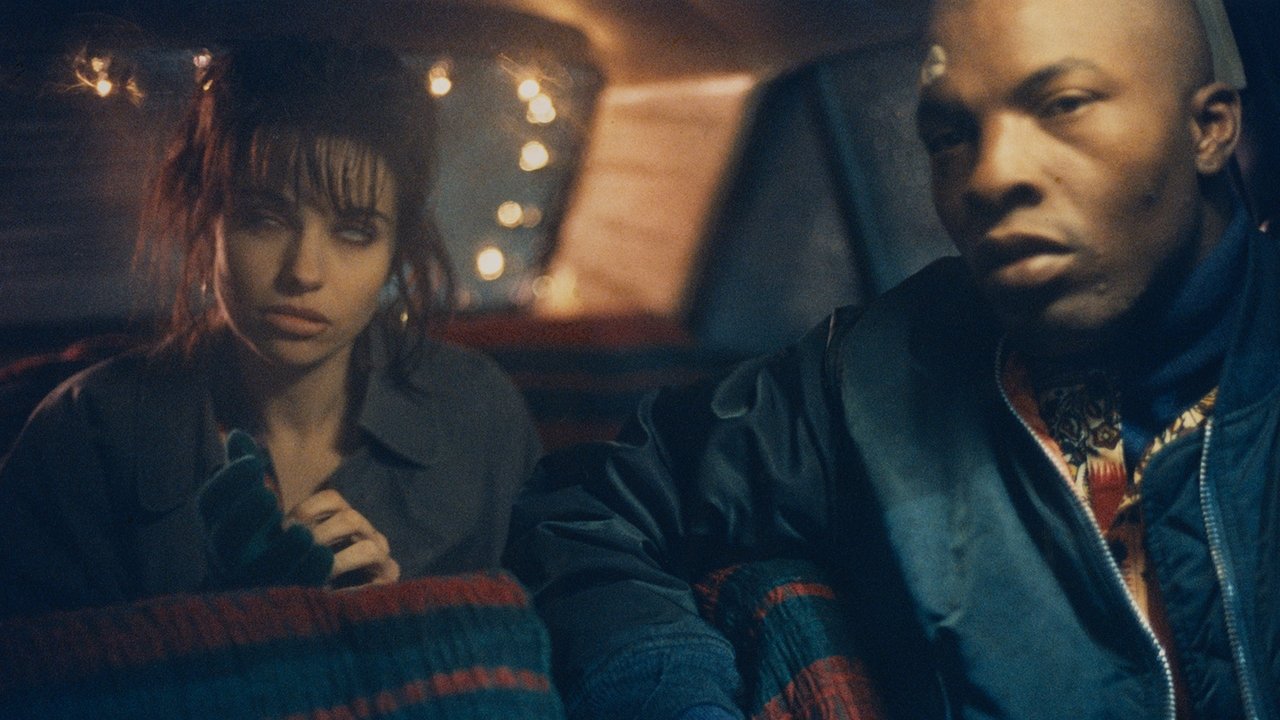
The film’s structure allows Jarmusch to shift tones effortlessly. The Paris segment, featuring a driver from the Ivory Coast (Isaach De Bankolé, a Jarmusch regular) and his encounter with a group of quarrelsome African diplomats and then a fiercely independent blind woman (Béatrice Dalle), delves into perception, prejudice, and connection beyond sight. It’s perhaps the most contemplative of the segments, asking us to consider how we truly ‘see’ each other. Then, buckle up for Rome, where the irrepressible Roberto Benigni delivers a hilariously inappropriate, stream-of-consciousness confession (mostly about his peculiar sexual exploits, involving sheep and pumpkins) to a priest he's driving, with increasingly shocking results. Benigni is a force of nature here; his segment is pure comedic chaos, yet still fits within the film's nocturnal tapestry. It’s a testament to Jarmusch’s control that this wild tonal shift doesn't derail the film but instead highlights the sheer unpredictability of human interaction.
The Jarmusch Aesthetic
Throughout these journeys, Jarmusch maintains a distinct aesthetic. The cinematography captures the unique textures of each city at night – the neon blur of LA, the stark shadows of Helsinki. And underpinning it all is the smoky, melancholic soundtrack by Tom Waits. His gravelly voice and evocative score are practically another character in the film, perfectly complementing the late-night mood, the sense of weary souls adrift in the urban sprawl. Waits reportedly composed the score after seeing a rough cut, letting the images and moods guide his music, which likely contributes to the perfect symbiosis.
The film itself came together remarkably quickly for Jarmusch, with the script penned in about eight days. This rapid creation perhaps contributes to its feeling of spontaneity, of capturing lightning in a bottle – or, in this case, conversation in a cab. It wasn’t a massive box office smash ($2 million domestic gross on a roughly $4 million budget), but its influence rippled through the independent film scene. Finding Night on Earth on VHS felt like being let in on a cool secret, a reminder that compelling cinema didn't always need a massive budget or a traditional three-act structure.
Lasting Impressions
What truly resonates after the final, melancholic Helsinki segment concludes is the profound sense of shared humanity. Despite the cultural and linguistic divides, the anxieties, joys, griefs, and absurdities encountered in these cabs feel universally recognizable. The performances across the board are authentic, grounded moments snatched from the flow of life. Jarmusch doesn't offer easy answers or neat resolutions; like many real-life encounters, these are brief intersections, leaving driver and passenger, and us the viewers, subtly altered. Doesn't that reflect so much of life itself – these fleeting connections that somehow stick with us?
Night on Earth remains a unique and rewarding watch, a film that uses its simple concept to explore complex emotional territory. It’s a reminder of Jarmusch's singular vision and his ability to find beauty and meaning in the quiet spaces between destinations.
Rating: 9/10
The film is a masterful execution of its anthology concept, driven by impeccable performances, a perfectly curated atmosphere, and Jarmusch's signature blend of deadpan humor and poignant observation. The episodic nature means some segments inevitably land stronger than others depending on personal taste, but the overall effect is cumulative and deeply affecting. It’s a quintessential early 90s indie classic that feels just as relevant and resonant today. It leaves you pondering the countless stories unfolding, unheard, just outside your own window each night.