You slide the tape into the VCR, the familiar clunk and whir a comforting sound. But some tapes didn't offer comfort, did they? Some offered a jolt, a dose of reality so sharp it felt like a slap in the face, waking you from the neon-drenched dreams of the late 80s and early 90s. Ken Loach's Riff-Raff (1991) was one such tape. Forget the high-octane blockbusters lining the shelves; this was something else entirely – raw, vital, and stubbornly grounded in a world often ignored by mainstream cinema. What sticks with you isn't explosive action, but the quiet desperation and unexpected humour found amongst those living on the margins.
Concrete Jungle, Human Stories
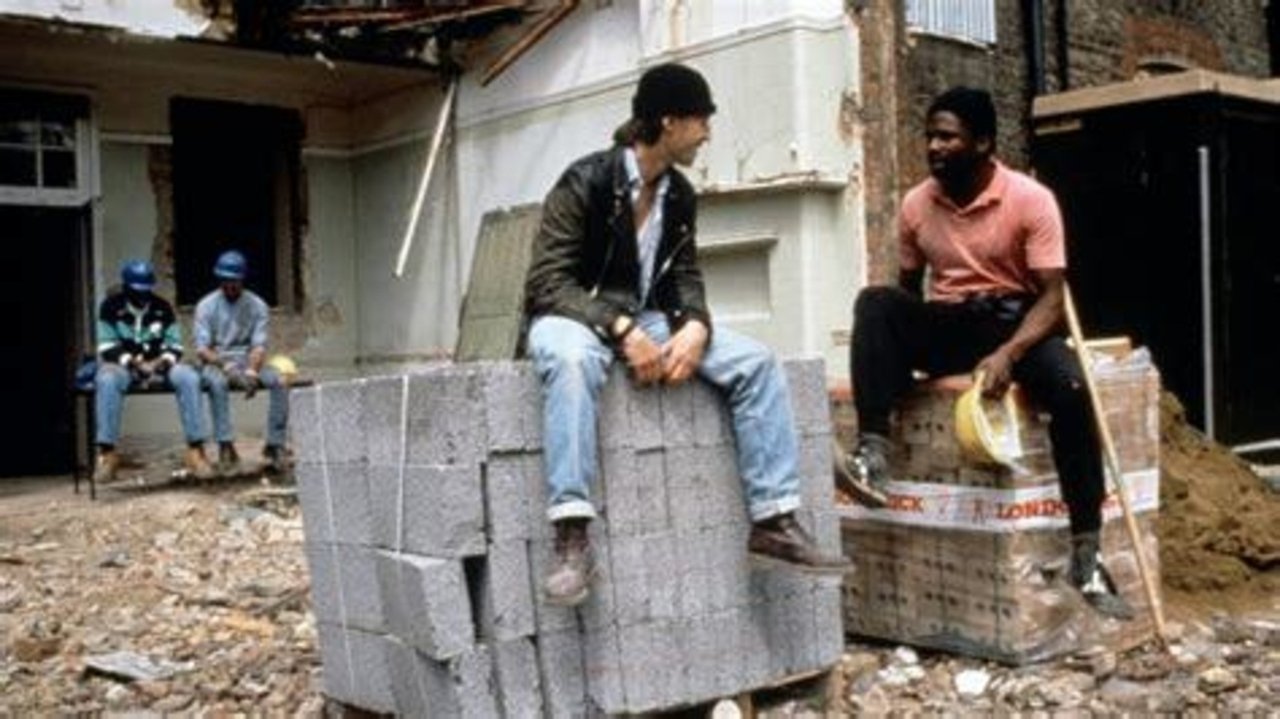
The film drops us onto a London building site, a landscape of scaffolding, half-finished walls, and precarious employment. We follow Stevie (Robert Carlyle in a magnetic, star-making performance), newly released from prison and seeking work, any work. He lands a job labouring alongside a motley crew, converting a derelict hospital into luxury flats – an irony that Loach doesn't hammer, but lets hang in the damp London air. The site is a microcosm of Thatcher's Britain: non-unionised, cash-in-hand, safety regulations viewed as optional luxuries. It’s a world away from the slick city traders depicted elsewhere in the era's media, isn't it?
What makes Riff-Raff resonate so deeply, decades later, is its unvarnished authenticity. This stems directly from the source: the screenplay was penned by Bill Jesse, himself a construction worker for many years. Tragically, Jesse passed away before the film's release, but his lived experience bleeds through every line of dialogue, every observed interaction. It feels less written, more overheard. There's a natural rhythm to the banter, the grievances, the shared moments of dark humour that bond the workers – men like the pragmatic, politically conscious Larry (Ricky Tomlinson, years before The Royle Family, already mastering that blend of warmth and weariness) and the jovial Shem (Jimmy Coleman).
Loach's Lens: Finding Humanity in Hardship
Ken Loach, already a master of British social realism with films like Kes (1969) under his belt, directs with his trademark unobtrusive style. The camera often feels like another worker on site, capturing the casual dangers, the physical toll, and the fleeting moments of camaraderie. There’s no glossy cinematography here; the visuals are as gritty and functional as the environment itself. This isn't poverty tourism; it's an empathetic, yet unflinching, look at the realities faced by those trying to survive day-to-day.
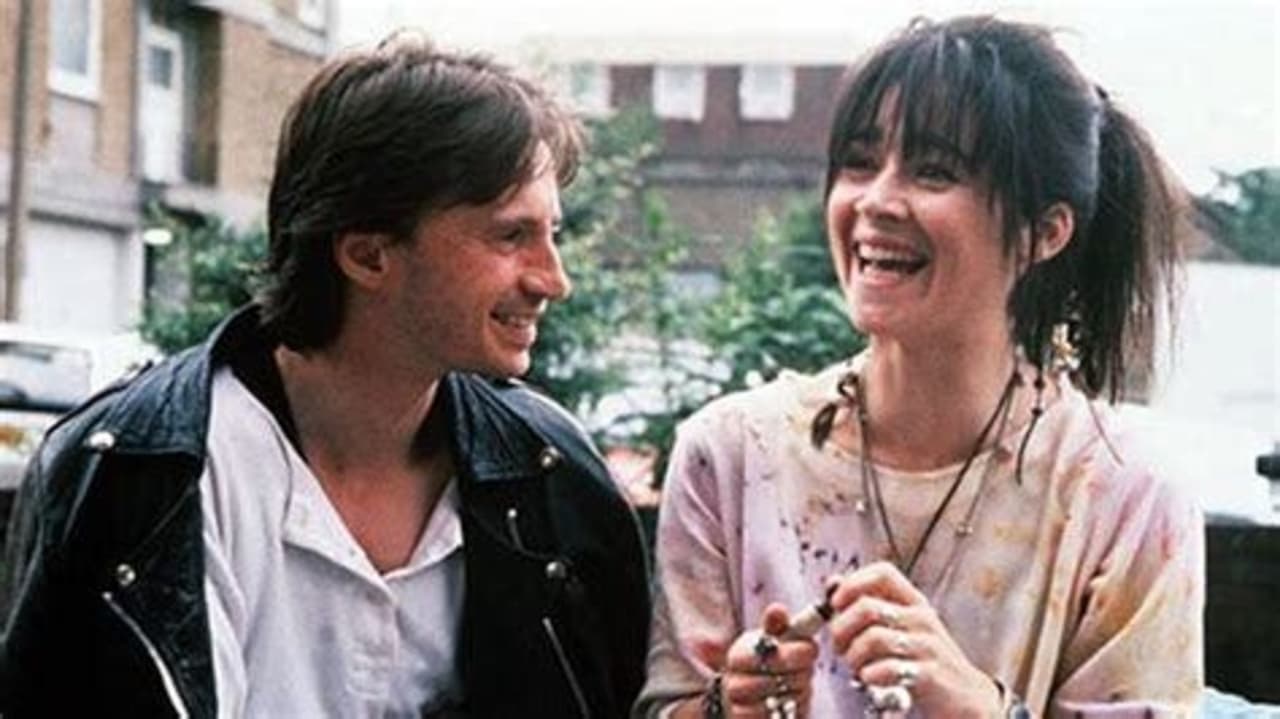
The narrative isn't driven by complex plot twists, but by the accumulation of daily struggles and small triumphs. Stevie finds shelter in a squatted flat and begins a tentative relationship with Susan (Emer McCourt), an aspiring singer whose dreams provide a fragile counterpoint to the grim reality surrounding them. Their relationship, like everything else in the film, feels touchingly real – awkward, hopeful, yet constantly under threat from the instability of their lives. McCourt brings a vulnerability to Susan that is quietly heartbreaking.
The Power of Performance
It’s impossible to discuss Riff-Raff without dwelling on Robert Carlyle. This was the role that truly announced his arrival. His Stevie is wiry, watchful, capable of both charm and sudden flashes of anger born from frustration. Carlyle embodies the character's resilience, but also the underlying vulnerability of someone constantly fighting to keep their head above water. You see the weight of the world in his eyes, the desperate hope for something better clashing with the harshness of his circumstances. It's a performance devoid of vanity, utterly lived-in. Does any actor today convey that same raw-nerve intensity quite like early Carlyle?
The supporting cast, many non-professional or drawn from the world Loach depicts, further enhances the film's realism. Tomlinson, in particular, provides much of the film's humour, but it's always tinged with the bitterness of experience. His character, Larry, represents the fading voice of organised labour, a stark reminder of the changing political landscape.
More Than Just a Job: Retro Reflections
Watching Riff-Raff back in the day, perhaps rented from a shelf tucked away from the New Releases, felt like discovering a secret truth. It didn't offer easy answers or escapism. Instead, it asked uncomfortable questions about the society we lived in, questions that, depressingly, still resonate. The precariousness of the gig economy, the housing crisis, the erosion of workers' rights – it's all there, laid bare nearly three decades ago.
One fascinating insight into the production highlights Loach's commitment to realism: much of the dialogue amongst the builders was improvised, stemming from workshops where the actors, guided by Jesse's script and their own research, developed their characters and interactions. This collaborative approach is surely why the on-site banter feels so effortlessly genuine. It wasn't just actors reciting lines; it felt like eavesdropping on real workers. The film reportedly cost under £1 million to make, a testament to Loach's resourceful filmmaking, yet it packs an emotional punch far exceeding its budget, eventually winning the prestigious FIPRESCI Prize at the 1991 Cannes Film Festival.
This wasn't a film you watched for dazzling special effects or intricate plots. You watched it because it felt true. It captured a specific time and place with unflinching honesty, finding the humanity – the humour, the love, the dreams, the anger – amidst the dust and decay. It’s a reminder that the most compelling stories are often found not in fantasy, but in the everyday struggles of ordinary people.
Rating: 9/10
This rating reflects the film's near-perfect execution of its aims. Riff-Raff is a masterclass in social realist filmmaking, anchored by outstanding, authentic performances (especially Carlyle's) and a script born from genuine experience. Its power lies in its unflinching honesty, its refusal to sentimentalise poverty, and its ability to find humour and humanity in the bleakest of circumstances. It's a vital piece of early 90s British cinema that feels perhaps even more relevant today.