### A Most Unconventional Courtship
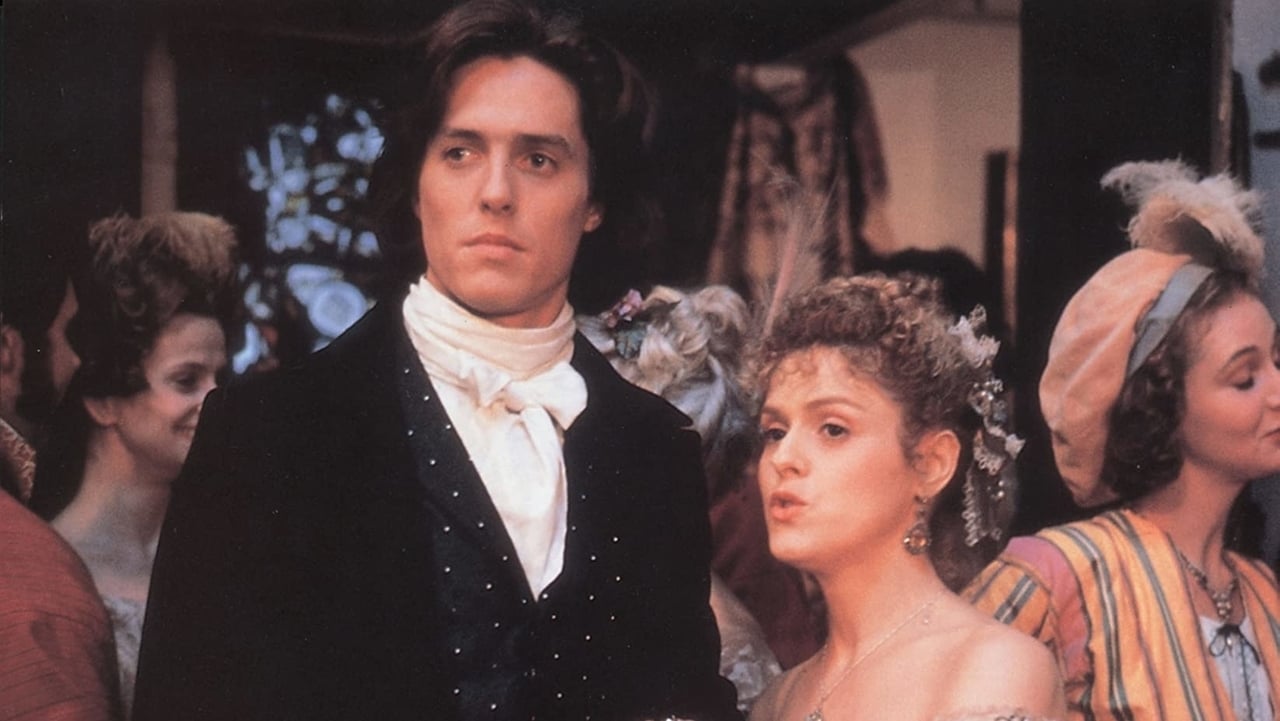
What strikes you first about Impromptu (1991) isn't the period setting, the frock coats, or the sprawling French estates. It's the sheer, untamed energy radiating from its center, a force of nature named George Sand, embodied with breathtaking audacity by Judy Davis. This isn't your typical, staid literary biopic or a polite costume drama we often stuffed into our VCRs hoping for gentle escapism. No, Impromptu crashes the 19th-century salon with anarchic wit and a surprisingly modern sensibility, feeling less like a history lesson and more like observing a particularly chaotic, brilliant, and emotionally charged house party amongst artistic giants. I remember pulling this tape off the shelf, maybe from the ‘New Releases’ wall or perhaps tucked away in ‘Drama,’ intrigued by the cover but utterly unprepared for the vibrant, funny, and strangely moving film contained within.
A Writer in Pursuit
The premise, penned with sparkling intelligence by Sarah Kernochan (who, fun fact, snagged an Oscar for her documentary short Marjoe back in '72 and wrote this script much earlier, letting it percolate), follows the notorious novelist Amantine Lucile Aurore Dupin, Baroness Dudevant – better known by her male pseudonym, George Sand. Divorced, cross-dressing, and utterly unapologetic, Sand sets her sights on the delicate, brilliant, and chronically unwell composer Frédéric Chopin, played with a fascinatingly reserved fragility by a pre-superstardom Hugh Grant. Her pursuit is anything but subtle, leading her to infiltrate a country gathering hosted by the slightly dotty Duchess d'Antan (Emma Thompson, utterly charming in an early role). What unfolds is a collision of egos, passions, and artistic temperaments, all swirling around Sand's determined, almost feral focus on capturing Chopin's attention, and perhaps his heart.
A Cast for the Ages
While the Sand-Chopin dynamic forms the core, Impromptu truly sings because of its astonishing ensemble cast, inhabiting their roles with such conviction and flair it feels like eavesdropping. Judy Davis is simply sensational. She doesn’t just play George Sand; she inhabits her restless spirit, her fierce intellect, her vulnerability masked by bravado. It’s a performance crackling with intensity – sharp, funny, difficult, and deeply human. You understand instantly why this woman both scandalized and captivated Parisian society. It’s a performance that feels thrillingly alive, a world away from polite period portrayals, and frankly, should have garnered far more awards attention at the time.
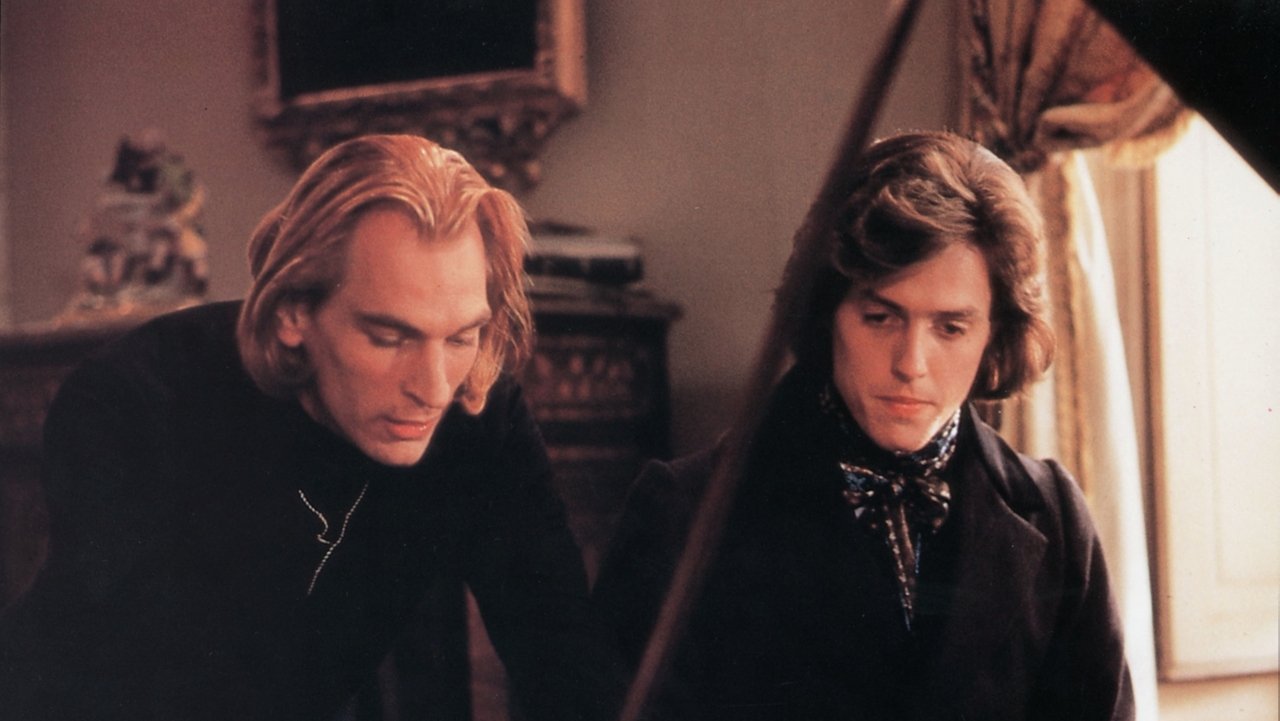
Opposite her, Hugh Grant delivers one of the most intriguing performances of his early career. Before he became the go-to for charmingly flustered romantic leads (Four Weddings and a Funeral wouldn't arrive for another three years), here he embodies Chopin's frail genius, his tubercular pallor, and his deep-seated reticence. It’s a quiet, nuanced performance, creating a perfect counterpoint to Davis's whirlwind energy. Their scenes together possess a strange, compelling chemistry – the moth and the flame, perhaps, but who is which?
And the supporting players! Mandy Patinkin practically bursts off the screen as Alfred de Musset, Sand’s flamboyant and wounded former lover, delivering lines with operatic relish. Bernadette Peters is deliciously calculating as Marie d'Agoult, mistress to Franz Liszt (Julian Sands, striking the right note of virtuoso arrogance). Each actor commits fully, creating a believable, if heightened, ecosystem of artists navigating love, rivalry, and their own monumental talents. It’s a testament to director James Lapine – renowned for his collaborations with Stephen Sondheim on Broadway giants like Sunday in the Park with George and Into the Woods – who orchestrates this complex interplay of characters with a deft hand, likely honed by his stage experience. He allows the actors room to breathe and spar, making the dialogue-heavy scenes feel dynamic and engaging.
Wit, Music, and Mud
Shot entirely on location in France for a relatively modest $6 million, Impromptu looks gorgeous, capturing both the elegance of the chateaus and the rustic charm (and mud!) of the countryside. The integration of Chopin's actual music is, naturally, sublime, serving not just as background score but as an emotional character in itself. Kernochan's script is the film's other great strength. It's literate without being pretentious, funny without being farcical, and manages to explore complex ideas about artistic creation, societal expectations (especially for women challenging the norm), and the messy realities of romantic entanglement. It takes liberties with strict historical fact, of course – this isn't a documentary – but it captures a truth about the passionate, often chaotic lives of these Romantic-era figures. It refuses to venerate them, instead presenting them as brilliant, flawed, and recognizably human.
Finding this film back in the day felt like uncovering a hidden gem. It wasn't a box office smash, earning maybe $5.6 million back, but it garnered strong reviews and found its audience on home video. It was the kind of film you'd recommend enthusiastically to friends, telling them, "You have to see this performance by Judy Davis!" It stood out precisely because it wasn't trying to be Masterpiece Theatre; it had a pulse, a rebellious heart, and a refreshing lack of reverence.
The Enduring Resonance
What lingers after watching Impromptu again, decades later? It’s the vibrancy, the intelligence, and above all, Judy Davis’s force-of-nature performance. The film asks us to consider the price of genius, the constraints of society, and the unpredictable nature of love among brilliant but difficult people. Doesn't Sand's struggle against convention still echo today? The film's blend of sophisticated wit and genuine emotion feels remarkably fresh. It’s a reminder that period films don’t have to be dusty museum pieces; they can be alive, funny, and profoundly moving.
Rating: 9/10
This near-perfect score is earned primarily by the absolutely stellar, career-highlight performance from Judy Davis, bolstered by an exceptional ensemble cast, a whip-smart script by Sarah Kernochan, and James Lapine's assured direction. Its witty, unconventional approach to the period drama makes it stand out, and its exploration of artistic temperament and romantic complexities remains engaging. It might take slight historical liberties, but its emotional truth and sheer entertainment value are undeniable.
Impromptu remains a treasure – a sophisticated, funny, and passionate film that felt like a delightful secret whispered between film lovers in the aisles of the video store. It’s a movie that reminds you how electrifying screen acting can be.