Here's a review for Slacker (1991), crafted for "VHS Heaven":
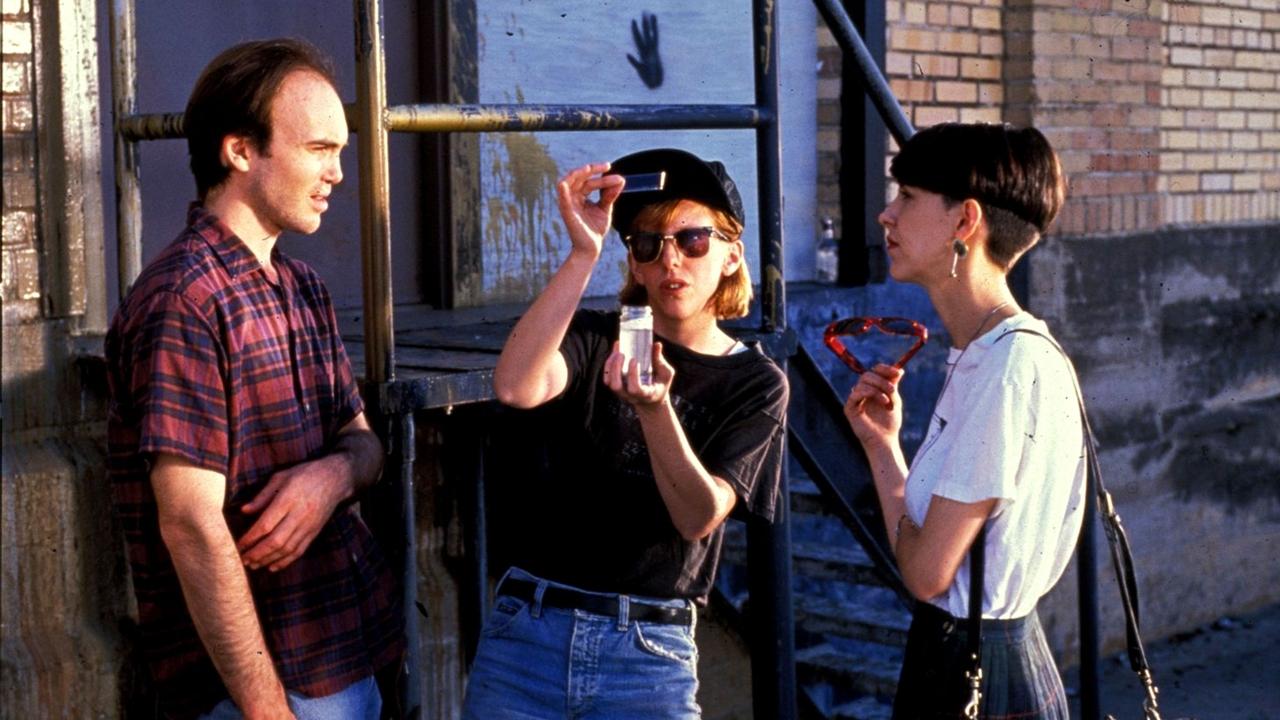
It begins, almost unassumingly, with a young man arriving in Austin, Texas. He hops in a cab, rambles about alternate realities spawned by every decision not taken, and then... the film simply drifts away from him. It attaches itself to the cab driver, then to someone the driver encounters, and so on. This is the strange, hypnotic rhythm of Richard Linklater's Slacker (1991), a film less watched than overheard, like tuning into the ambient frequency of a city waking, dreaming, and philosophizing its way through a single, sun-drenched day.
Austin Eavesdropping
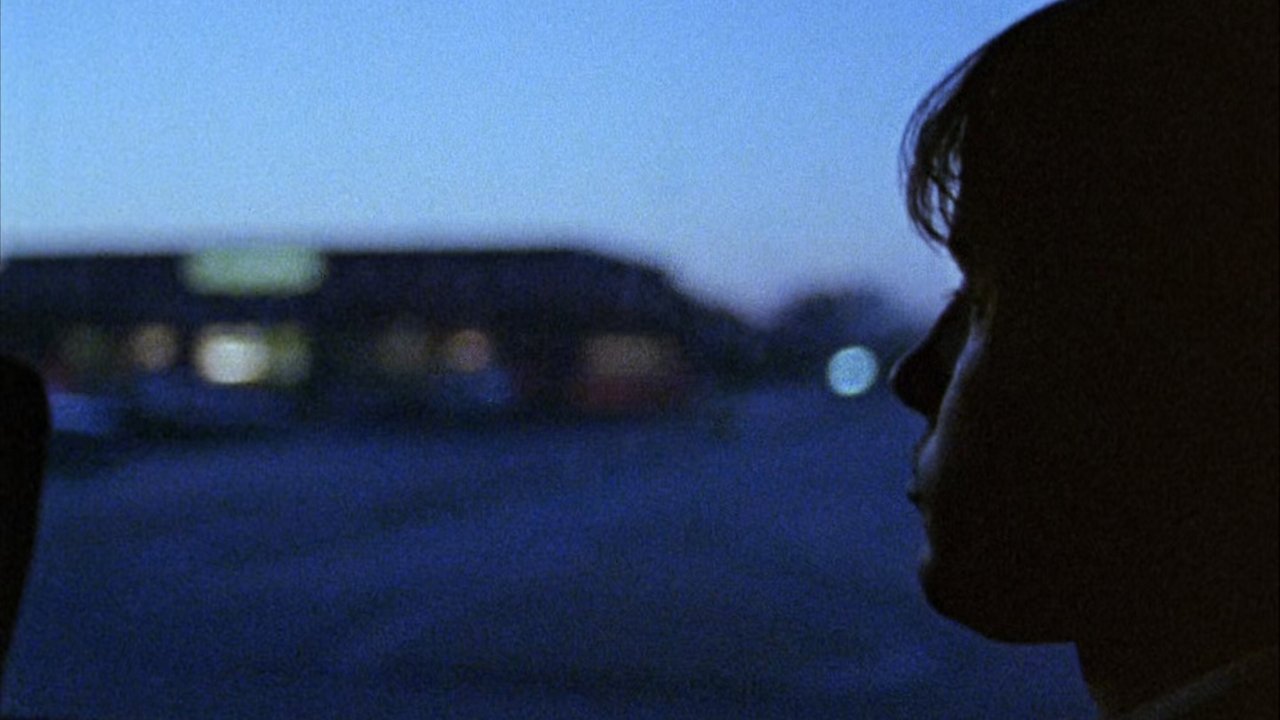
Forget plot. Forget character arcs in the traditional sense. Slacker offers something radically different: a free-floating tour through the lives, thoughts, and often bizarre preoccupations of dozens of Austin residents in the early 90s. Linklater's camera acts like a curious passerby, lingering just long enough to catch a snippet of intense conversation, a strange personal ritual, or a moment of profound aimlessness before drifting on to the next encounter. The city itself – pre-boom Austin, still radiating a certain laid-back, slightly weird energy – becomes the true protagonist. Watching it now feels like finding a time capsule, preserving not just the look of the place (captured beautifully on grainy 16mm film), but its very soul.
The Unfolding Tapestry
The structure, or deliberate lack thereof, is the film's defining feature and perhaps its most audacious gamble. We meet conspiracy theorists convinced JFK's assassination connects to The Smurfs, disgruntled anarchists planning... well, not much, musicians lamenting obscurity, students pontificating on everything and nothing, a woman trying to sell a Madonna Pap smear (!). Each vignette flows seamlessly into the next, often linked by the briefest of physical crossovers. It mimics the feeling of wandering through a crowded party or exploring a new neighborhood, catching fragments that hint at larger, unseen lives. Does this unconventional approach work? For those seeking narrative closure, perhaps not. But as an exercise in capturing a specific mood, a generational sensibility, it's remarkably effective. It forces you to lean in, to listen, to find the patterns and connections yourself.
Voices of a Generation (Maybe)
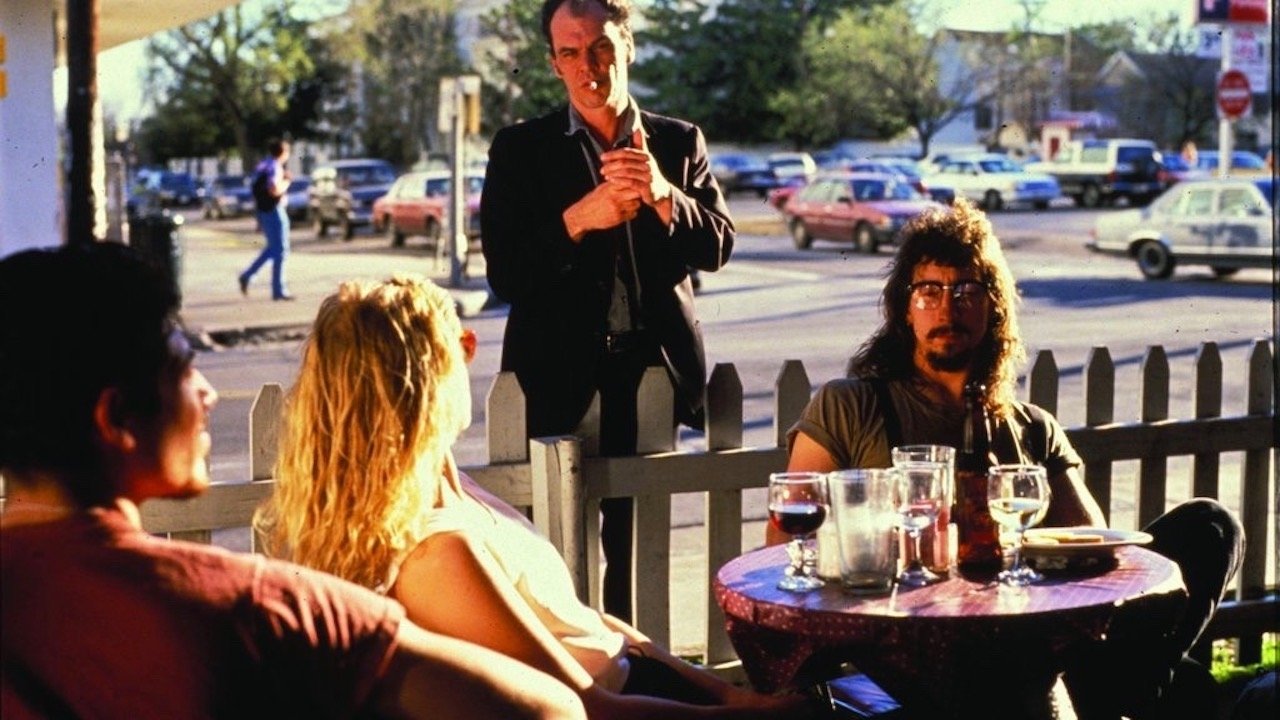
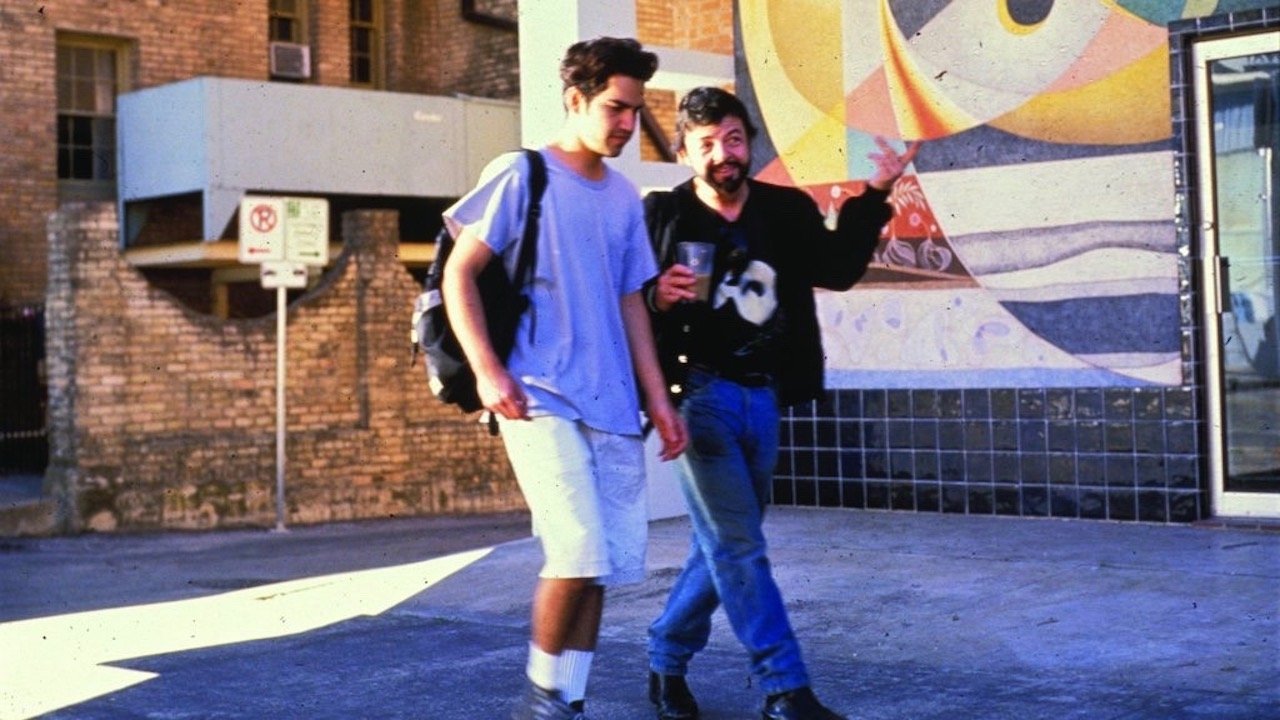
Much ink has been spilled connecting Slacker to "Generation X," a label Linklater himself reportedly wasn't thrilled with. Yet, watching it today, it’s hard not to see echoes of that era's perceived listlessness, intellectual restlessness, and skepticism towards established norms. The conversations, often rambling and filled with half-baked theories or earnest philosophical searching, feel authentic precisely because they don’t always lead anywhere profound. They are the sounds of people figuring things out, or perhaps deliberately avoiding figuring things out. The performances, many delivered by non-professional actors drawn from Austin's local scene, contribute significantly to this feeling. There's an unvarnished quality, a lack of polish that grounds the film in a specific reality. It’s not always "good" acting in the conventional sense, but it feels undeniably real.
Indie Spirit, Born of Necessity
This authenticity wasn't just an artistic choice; it was partly born from necessity. Slacker was famously produced on a shoestring budget – reportedly around $23,000. That kind of constraint often breeds creativity, and you see it here. The raw 16mm look, the reliance on natural light and real locations (many still recognizable to Austin natives), the casting of locals – these elements contribute massively to the film's unique charm and documentary-like feel. You sense Linklater, who makes a brief appearance himself as "Should Have Stayed at Bus Station," simply turning his camera on the world around him, finding extraordinary texture in the ordinary. It's a testament to his emerging vision, one clearly fascinated by the passage of time and the power of conversation – themes he would explore further in later beloved films like Dazed and Confused (1993) and the Before trilogy.
The film's journey mirrored its subject matter – a slow burn success. It gained traction at the Sundance Film Festival and eventually grossed over $1.2 million, a remarkable return on investment that helped galvanize the burgeoning American independent film movement of the early 90s. Finding this tape in the video store, perhaps tucked away in the 'Independent' or 'Cult' section, felt like discovering a secret handshake, a portal into a different kind of cinema.
Lingering Thoughts After the Drift
Does Slacker hold up? Absolutely, though perhaps not as straightforward entertainment. It’s more of an experience, an immersion. It’s a film that rewards patience and invites reflection. What does it mean to simply be in a place, at a certain time? How do our fleeting interactions ripple outwards? The film doesn't offer easy answers, but the questions it implicitly asks linger long after the credits roll and the VCR clicks off. It captures a specific moment, a specific attitude, with uncanny accuracy and surprising warmth.
Rating: 8/10
This rating reflects Slacker's groundbreaking influence, its unique and daring structure, and its powerful evocation of a specific time and place. It's not a film for everyone – its deliberate aimlessness can test patience – but its authenticity, its commitment to its unconventional vision, and its role in defining 90s indie cinema make it essential viewing. It remains a fascinating cinematic experiment, a time capsule whose contents still feel strangely relevant.
What lingers most isn't any single character or conversation, but the overall feeling – the gentle, observational current carrying you through a day filled with possibilities, missed connections, and the quiet hum of ordinary life made momentarily extraordinary.