There's a certain kind of quiet devastation that unfolds in perfectly manicured suburbs, behind brightly painted front doors. It's the landscape of My Life in Pink (Ma vie en rose), a film that arrived with startling gentleness and profound weight in 1997. Watching it again now, decades removed from its initial, somewhat unexpected success on the arthouse circuit (and yes, its eventual arrival on well-worn VHS tapes often tucked away in the 'Foreign Films' section), its core questions about identity, acceptance, and the crushing weight of societal expectation feel more resonant than ever. It doesn't shout; it observes, often through the wide, certain eyes of its young protagonist, forcing us to confront uncomfortable truths about conformity.
### A World Painted Pink and Blue
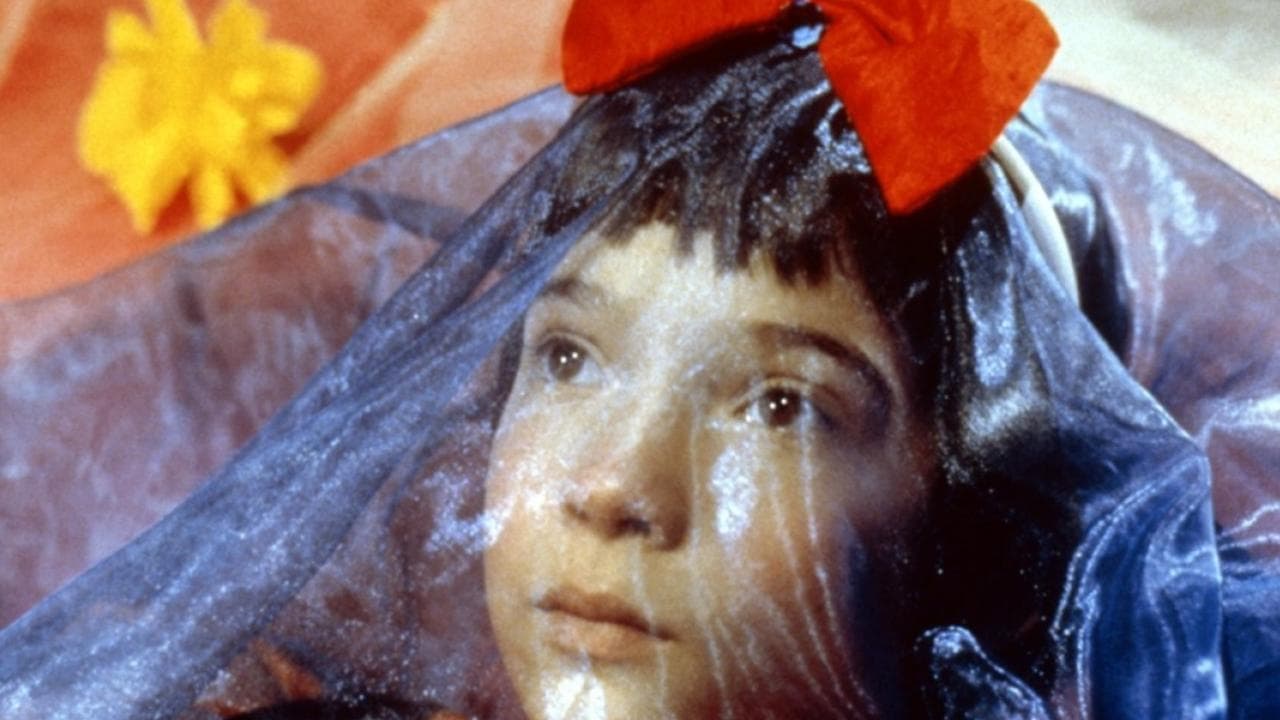
The premise is deceptively simple: young Ludovic Fabre, played with astonishing naturalism by Georges Du Fresne, is absolutely convinced he's a girl. Not that he wants to be a girl, but that a mistake was made, a chromosome misplaced by a God who, he believes, will eventually sort it out. He dreams of marrying Jérôme, the boy next door, and idolizes a bubbly, Barbie-esque TV character named Pam. His family – loving but increasingly bewildered parents Hanna (Michèle Laroque) and Pierre (Jean-Philippe Écoffey) – initially treats his preferences as a quirky phase. But as Ludovic's conviction remains unwavering, presenting himself in dresses and embracing traditionally feminine interests, their middle-class Belgian neighbourhood reacts with escalating discomfort, hostility, and eventually, outright rejection. Director Alain Berliner, who also co-wrote the screenplay with Chris Vander Stappen, masterfully contrasts the mundane reality of suburban life – the neighbourhood barbecues, the office politics, the keeping-up-appearances – with Ludovic's vibrant, almost magical inner world, where his identity is simple, true, and unquestioned.
### An Anchor of Authenticity
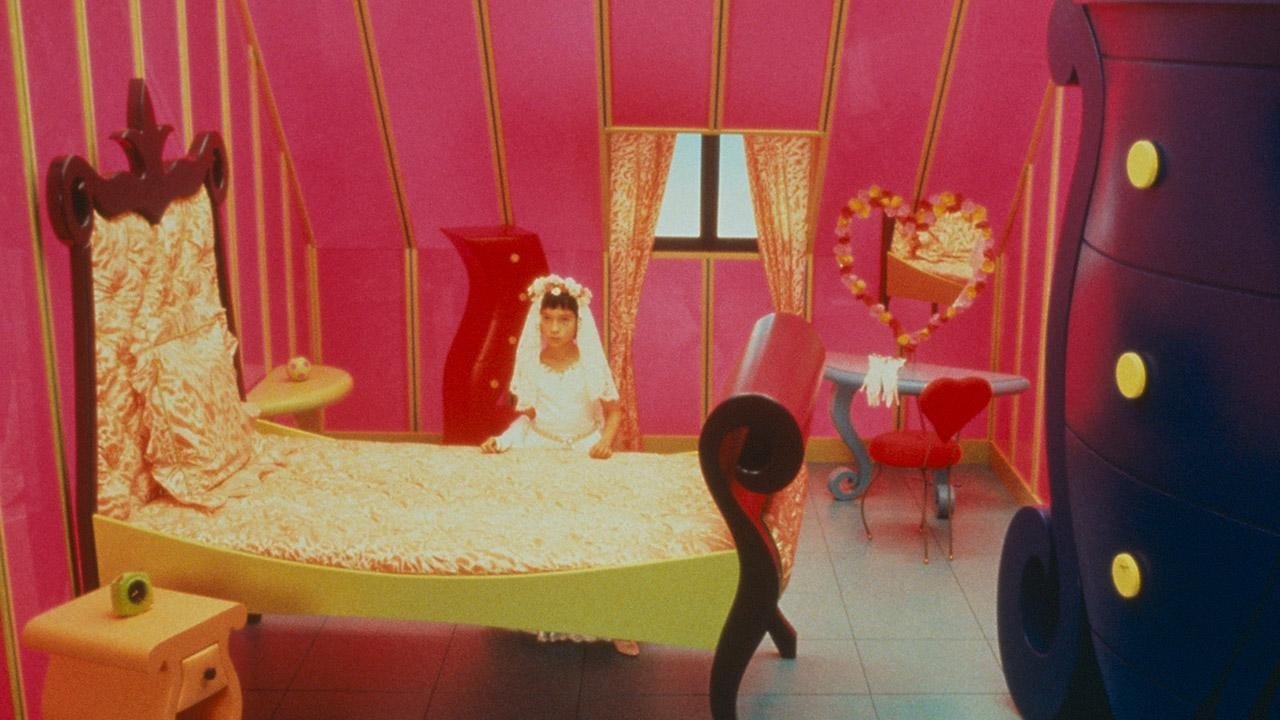
So much of the film’s enduring power rests on the small shoulders of Georges Du Fresne. It's a performance devoid of affectation, utterly believable in its innocence and certainty. Ludovic isn't defiant in a typically rebellious way; he simply is. He doesn't understand why his truth causes such chaos and pain. Du Fresne conveys this with subtle expressions, unwavering gazes, and a vulnerability that never dips into sentimentality. It’s through his eyes that we witness the confusion and gradual hardening of the world around him. You watch him and believe completely in his reality, making the reactions of the adults feel all the more jarring and, frankly, heartbreaking. Finding the right child actor was obviously crucial, and Berliner found someone truly special in Du Fresne.
Equally compelling, though in a different register, are the performances of Michèle Laroque and Jean-Philippe Écoffey as Ludovic's parents. Laroque, particularly, captures the agonizing conflict of a mother trying to protect her child while simultaneously grappling with her own confusion, societal shame, and the desire for a 'normal' life. Her journey from bemused tolerance to desperate attempts to 'fix' Ludovic, and eventually towards a different kind of understanding, is deeply moving. Écoffey portrays the father figure struggling with perceived masculinity, workplace pressures tied to his son's identity, and the slow erosion of his initial easygoing nature. Their struggles feel painfully real – they aren't villains, but ordinary people caught in an extraordinary situation they are utterly unprepared for.
### Whispers and Fantasies
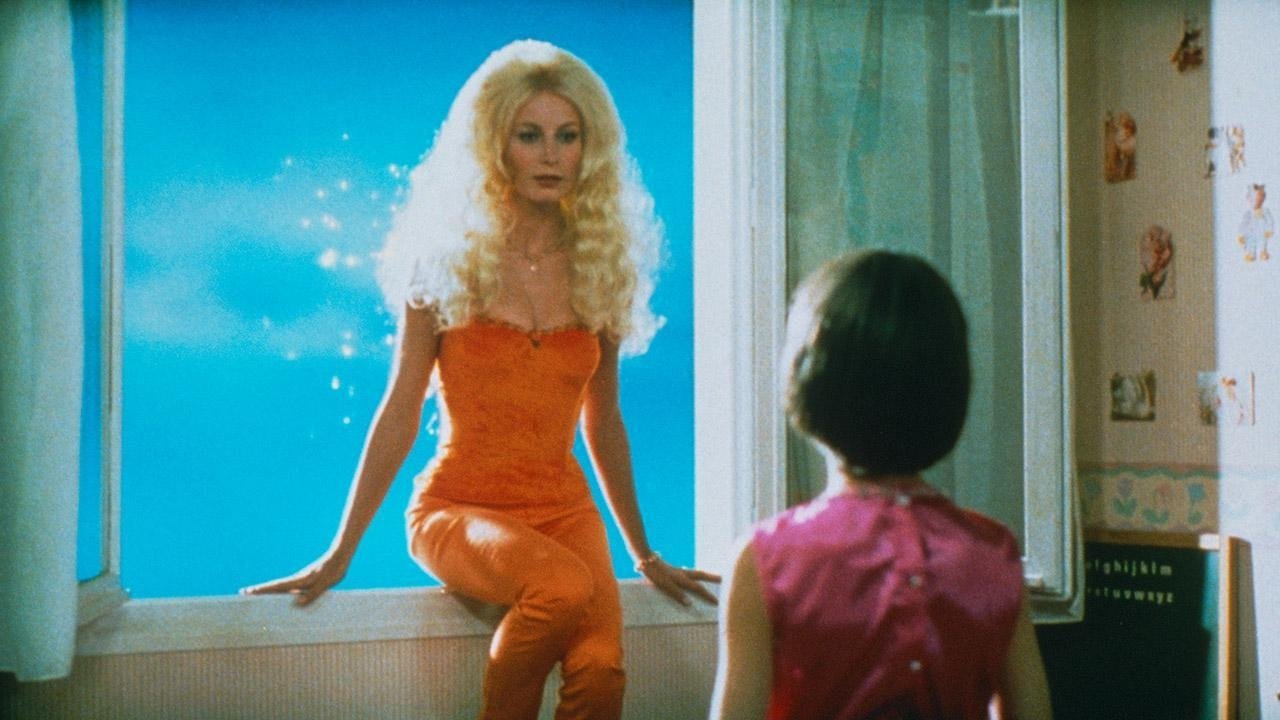
Alain Berliner’s direction delicately balances this grounded family drama with whimsical fantasy sequences reflecting Ludovic's inner life. These moments, often featuring the kitschy icon Pam, could have felt jarring, but instead, they serve to highlight the disconnect between Ludovic's self-perception and the often-dreary reality he inhabits. They offer a glimpse into the colourful, accepting world he knows should exist. The film doesn't shy away from the cruelty Ludovic faces – ostracization at school, the neighbours' vicious gossip, the palpable fear of difference – but it filters these moments through a lens that retains empathy for its central character. This wasn't a loud film; it was a quiet story that demanded attention. I remember finding the VHS nestled between bigger, louder releases, a splash of unexpected colour and emotion.
It's worth remembering the context of 1997. While not the first film to touch on gender identity, My Life in Pink brought the perspective of a child grappling with these feelings to a relatively mainstream international audience with unprecedented sensitivity. Its win for Best Foreign Language Film at the Golden Globes in 1998 wasn't just an award; it felt like a validation, a sign that this intimate, challenging story from Belgium (made on a modest budget, eventually grossing over $6 million worldwide - a solid return) had struck a universal chord. It navigated complex territory with a grace that was quite remarkable for its time, paving the way for more nuanced discussions that continue today.
### A Gentle Film with Lasting Resonance
My Life in Pink isn't always an easy watch. It forces a confrontation with prejudice, the pressure to conform, and the deep pain that arises when a child's fundamental sense of self is denied. Yet, it does so with immense heart and a refusal to paint anyone as a simple caricature. It asks profound questions: How much do we truly accept difference? What does unconditional love look like when faced with societal condemnation? What damage do we inflict when we demand conformity over authenticity?
Rating: 9/10
This rating reflects the film's powerful and authentic central performance, its sensitive direction, its groundbreaking thematic exploration for its time, and its lasting emotional impact. It handles complex issues with grace and empathy, anchored by Georges Du Fresne's unforgettable portrayal. While the pacing is deliberate and the subject matter inherently challenging, the film earns its emotional weight through honesty rather than manipulation.
My Life in Pink remains a poignant, important film. It’s a quiet gem from the late VHS era that reminds us, with gentle insistence, of the courage it takes to simply be oneself, and the profound responsibility we have to let others do the same. What lingers most, perhaps, is Ludovic's unwavering gaze – a silent plea for understanding in a world determined to look away.