It often starts with a story, doesn't it? A voice reaching across time, weaving a narrative that somehow lodges itself deep within you. Watching Jon Avnet's Fried Green Tomatoes (1991) again after all these years feels much like that initial encounter Evelyn Couch has with Ninny Threadgoode in that Alabama nursing home. You sit down expecting one thing – perhaps a simple, charming Southern tale – and find yourself drawn into something far richer, more poignant, and surprisingly fierce. It's a film that understands the profound power of shared history, especially women's history, passed down not in grand pronouncements, but in intimate conversations, over coffee, or, indeed, over a plate of those titular tomatoes.
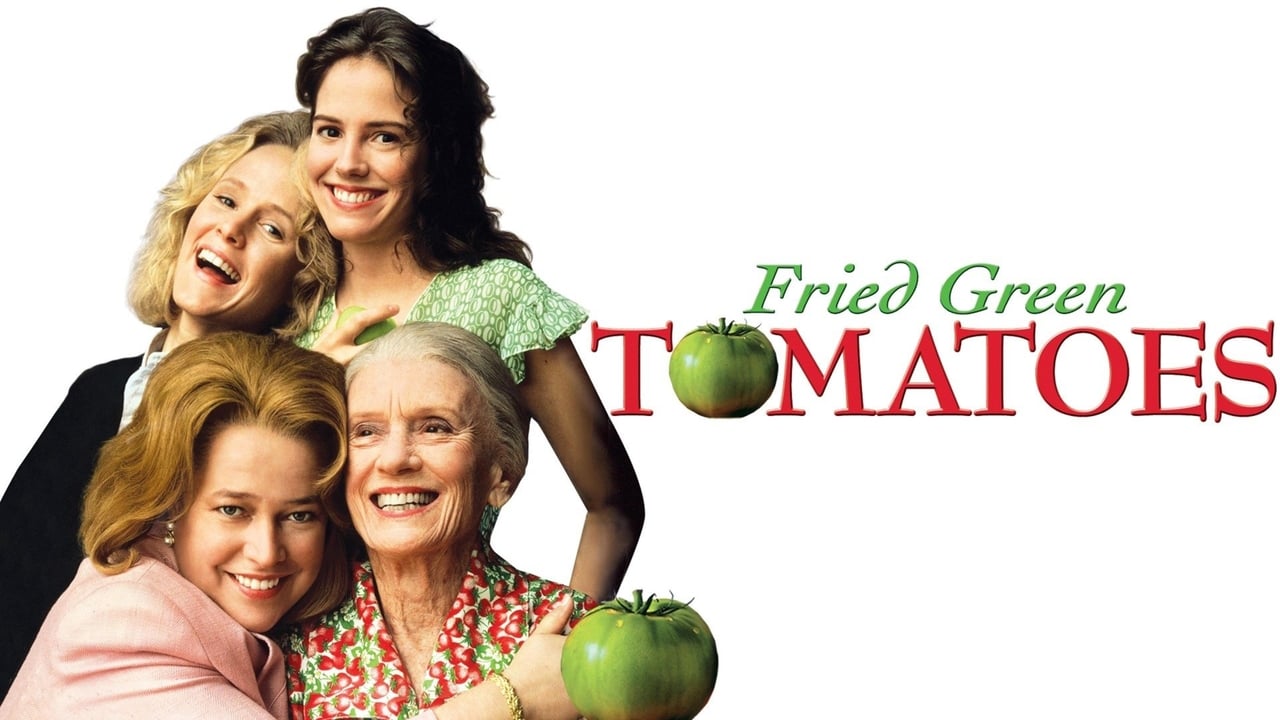
Whispers from the Whistle Stop
The magic of Fried Green Tomatoes lies in its elegant intertwining of two distinct timelines. We have the contemporary (well, late 80s/early 90s) story of Evelyn Couch, played with heartbreaking vulnerability and eventual roaring triumph by Kathy Bates. She’s a woman adrift in middle age, feeling invisible in her marriage and lost in the shuffle of life. Her chance meeting with the elderly, effervescent Ninny Threadgoode (Jessica Tandy, radiating warmth and mischief) becomes her lifeline. Ninny’s stories transport us back decades to the Depression-era South, to the Whistle Stop Cafe, and the lives of two unforgettable women: the fiercely independent Idgie Threadgoode (Mary Stuart Masterson) and the gentle, resilient Ruth Jamison (Mary-Louise Parker).
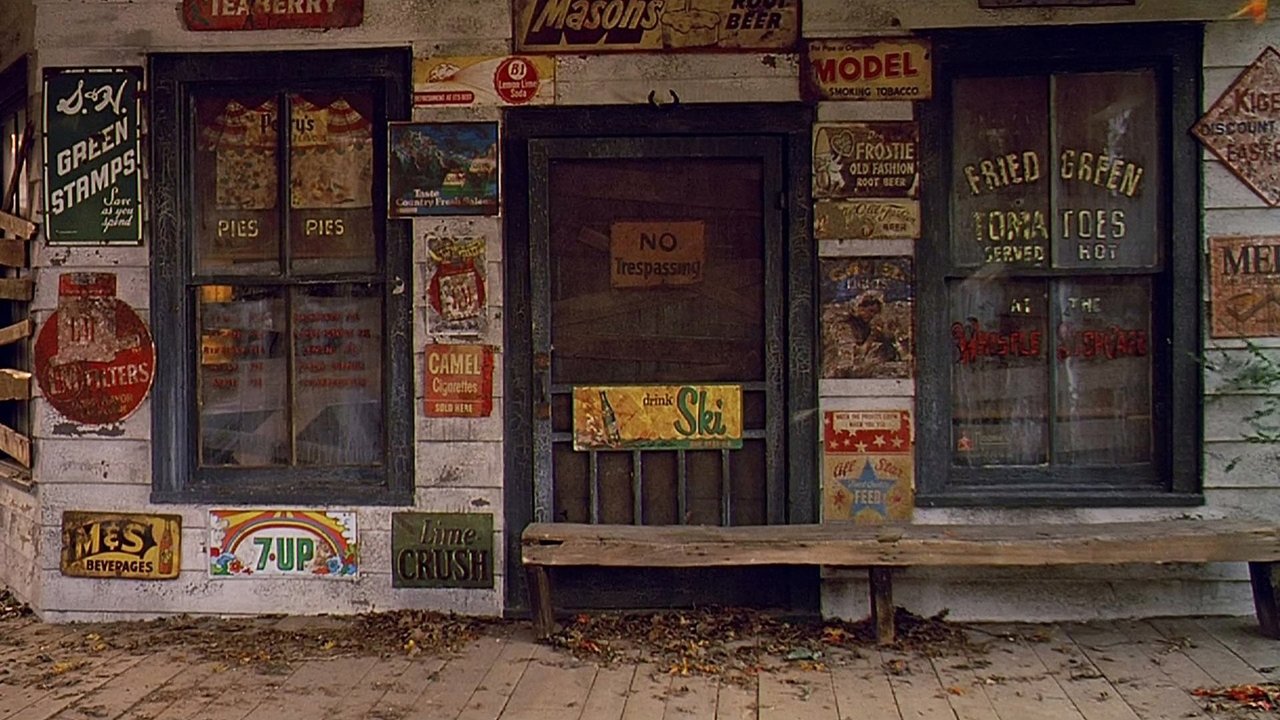
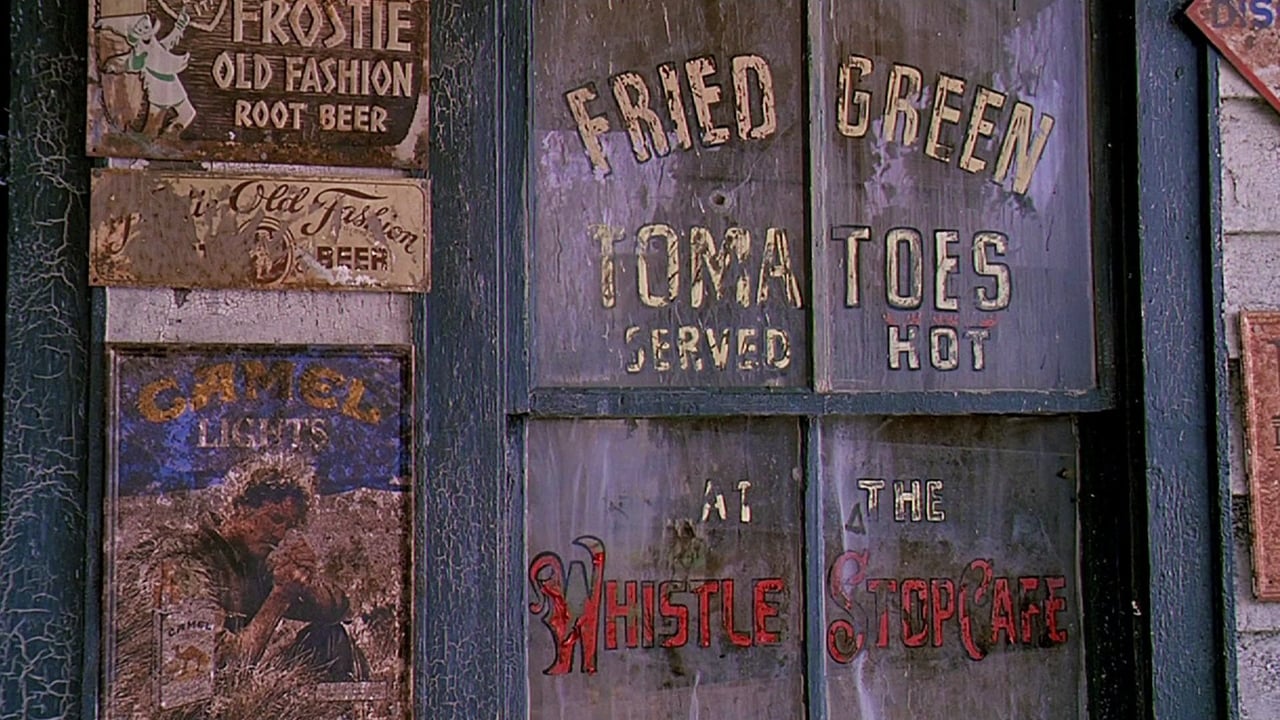
The contrast is beautifully handled. Evelyn’s world initially feels muted, almost sterile, reflecting her own sense of stagnation. Then, Ninny opens the door to the past, and suddenly the screen bursts with the vibrant, sometimes dangerous, energy of Whistle Stop. The cafe itself becomes a character – a haven of tolerance and good food in a world marked by prejudice and hardship. You can almost smell the coffee brewing and hear the sizzle of the frying pan, a sensory immersion that feels incredibly welcoming, even now.
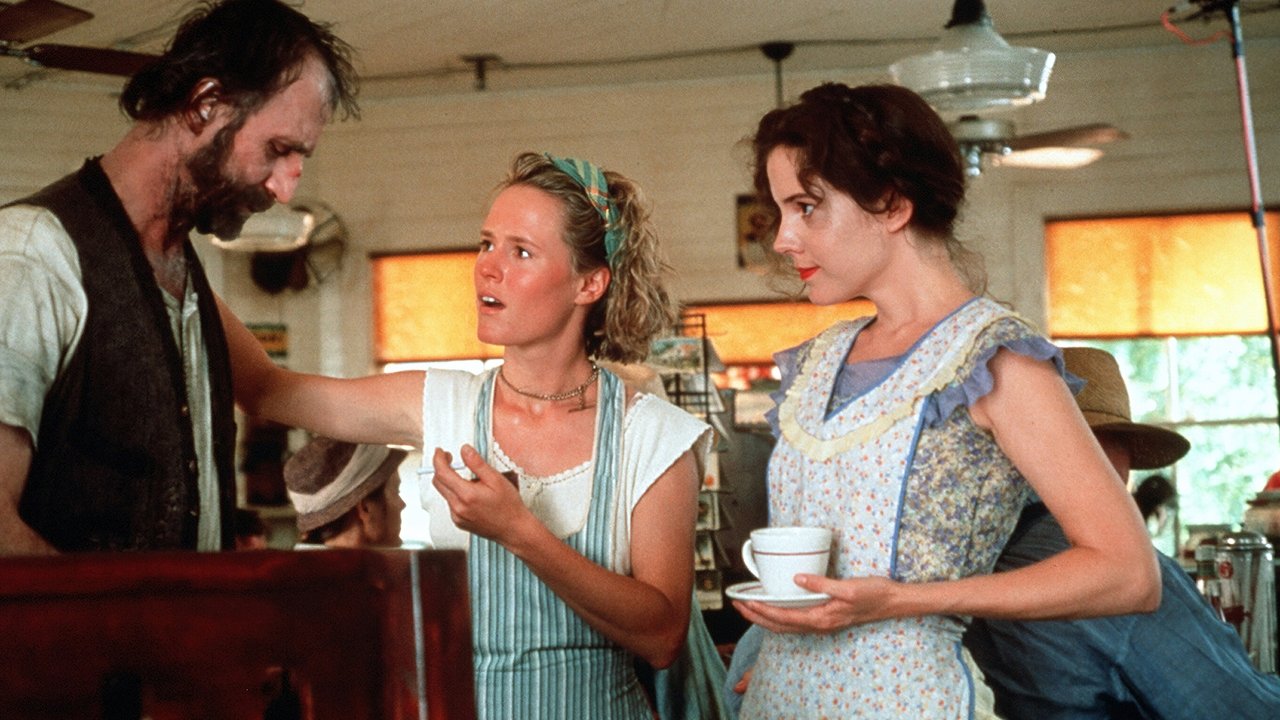
Four Pillars of Strength
What truly anchors the film, giving it its enduring emotional weight, are the phenomenal performances. Kathy Bates, fresh off her intense, Oscar-winning role in Misery (1990), showcases incredible range. Her Evelyn isn't just comedic frustration; it's a deeply felt portrayal of a woman rediscovering her self-worth, her anger, and her joy. Her transformation, punctuated by cries of "Towanda!", feels earned and incredibly cathartic. Opposite her, Jessica Tandy, already a legend and recently celebrated for Driving Miss Daisy (1989), is simply luminous as Ninny. She delivers her tales with a twinkle in her eye, embodying wisdom, resilience, and the vital importance of keeping memories alive. The chemistry between Bates and Tandy is the film's gentle, beating heart.
In the past timeline, Mary Stuart Masterson is Idgie – impulsive, loyal to a fault, rejecting societal norms with a swagger that feels both brave and protective. She’s the charismatic force pulling others into her orbit. And Mary-Louise Parker brings such quiet grace and steely resolve to Ruth. Her journey, escaping an abusive marriage to find safety and love (in its various forms) with Idgie, is profoundly moving. The bond between Idgie and Ruth is the film’s fiery core, a testament to female friendship that transcends easy definition.
More Than Just Southern Comfort
While the film offers warmth and nostalgia, it doesn’t shy away from the harsher realities of the Jim Crow South. The storyline involving Big George (Stan Shaw) and the ever-present threat of racism adds a necessary layer of grit and social commentary. It explores themes of loyalty, justice, and the courage it takes to stand against prejudice, even when the odds are stacked against you.
It also delves into grief, loss, and the different ways people cope. The shadow of Buddy Threadgoode's death hangs over Idgie, shaping her rebellious spirit. Ruth's struggle and eventual liberation carry their own emotional weight. These moments of sorrow are handled with sensitivity, reminding us that strength often grows from adversity. And underneath it all lies that powerful current of female empowerment – women finding strength in each other, forging their own paths, and refusing to be silenced or defined by the men or the society around them.
From Page to Screen: A Touch of Trivia
Adapting Fannie Flagg's beloved novel, "Fried Green Tomatoes at the Whistle Stop Cafe," was no small feat. Flagg herself co-wrote the screenplay (and even makes a delightful cameo appearance!), ensuring much of the book's spirit remained. One notable point of discussion, even back in '91, was the film's handling of Idgie and Ruth's relationship. While the deep love and devotion are undeniable on screen, the explicit lesbian relationship from the novel was significantly toned down for the film – a decision reflective, perhaps, of mainstream Hollywood sensibilities at the time. Does this diminish the power of their bond? For many viewers, the intensity of their connection speaks volumes, regardless of labels.
Filmed primarily in Juliette, Georgia, the production beautifully captured that specific Southern atmosphere. The Whistle Stop Cafe set became so iconic, it actually remains a functioning restaurant today! And let's not forget the food – it’s practically a supporting character, symbolising community, comfort, and defiance (especially where Frank Bennett is concerned!). It’s fascinating that this character-driven drama, made for a modest $11 million, became such a sleeper hit, earning over $119 million worldwide and netting Oscar nominations for Tandy (Supporting Actress) and the screenplay. It clearly struck a chord. I vividly remember renting this tape, perhaps expecting something lighter, and being completely captivated by its depth and heart. It was one of those VHS experiences that stayed with you long after the VCR clicked off.
The Enduring Taste
Fried Green Tomatoes is more than just a charming trip down memory lane. It’s a film with a soul, carried by exceptional performances and a story that celebrates the resilience of the human spirit, particularly the bonds between women. It reminds us that our stories matter, that connection can be found in unexpected places, and that sometimes, finding your voice means shouting "Towanda!" at the top of your lungs. It’s a film that feels both specific to its time and remarkably timeless in its emotional truths.
Rating: 9/10
This score reflects the film's masterful blend of humor, heart, and drama, anchored by powerhouse performances across the board. While subtly softening some edges of the source material, it retains immense emotional power and thematic depth, creating a truly memorable and affecting cinematic experience. It earns its place as a beloved early 90s classic, the kind of film that feels like revisiting an old, dear friend.
What lingers most, perhaps, is the quiet understanding that passes between Evelyn and Ninny – the recognition that within every seemingly ordinary life, there are extraordinary stories waiting to be told, and heard.