Alright, fellow tapeheads, let's rewind to 1991. Flickering CRT, the satisfying clunk of the VHS going in, maybe some late-night pizza grease on the remote. You hit play, and the grainy picture resolves into the unmistakable grit of Bensonhurst, Brooklyn. The film? Steven Seagal's brutal, bare-knuckle beatdown, Out for Justice. This wasn't just another action flick; it felt raw, unfiltered, and dangerously close to the streets it depicted.

### Brooklyn's Mean Streets Beckon
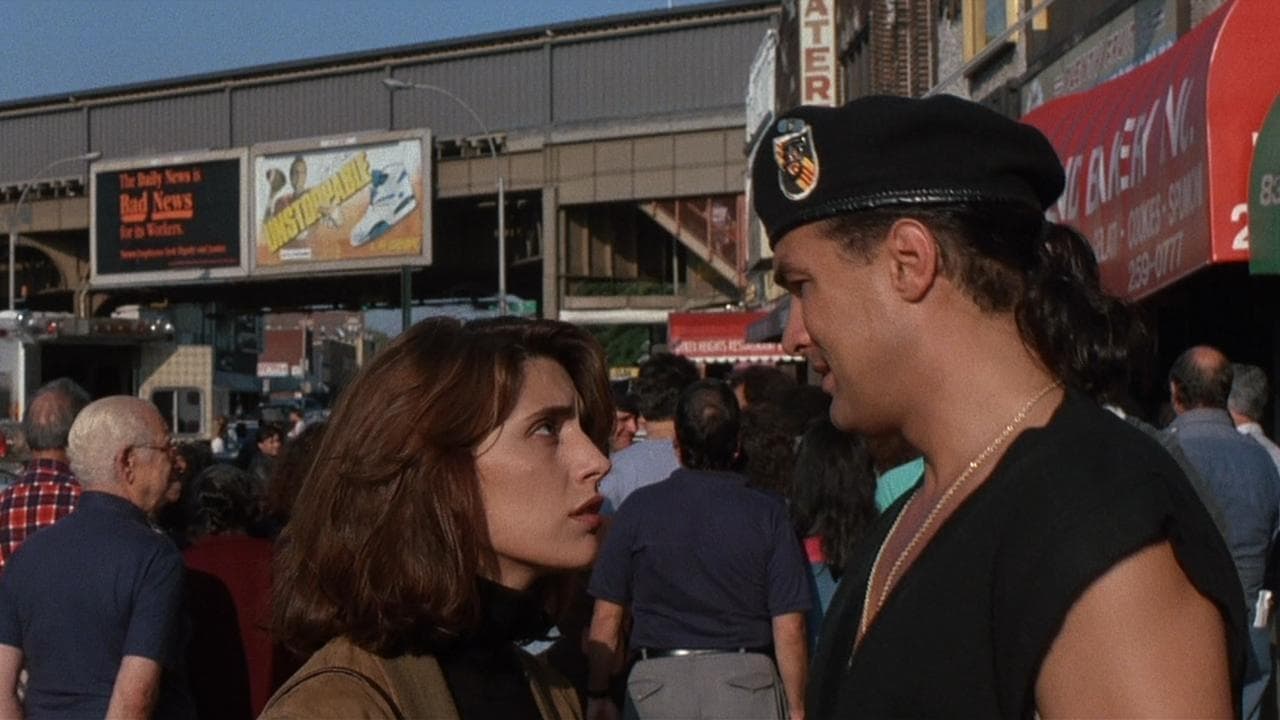
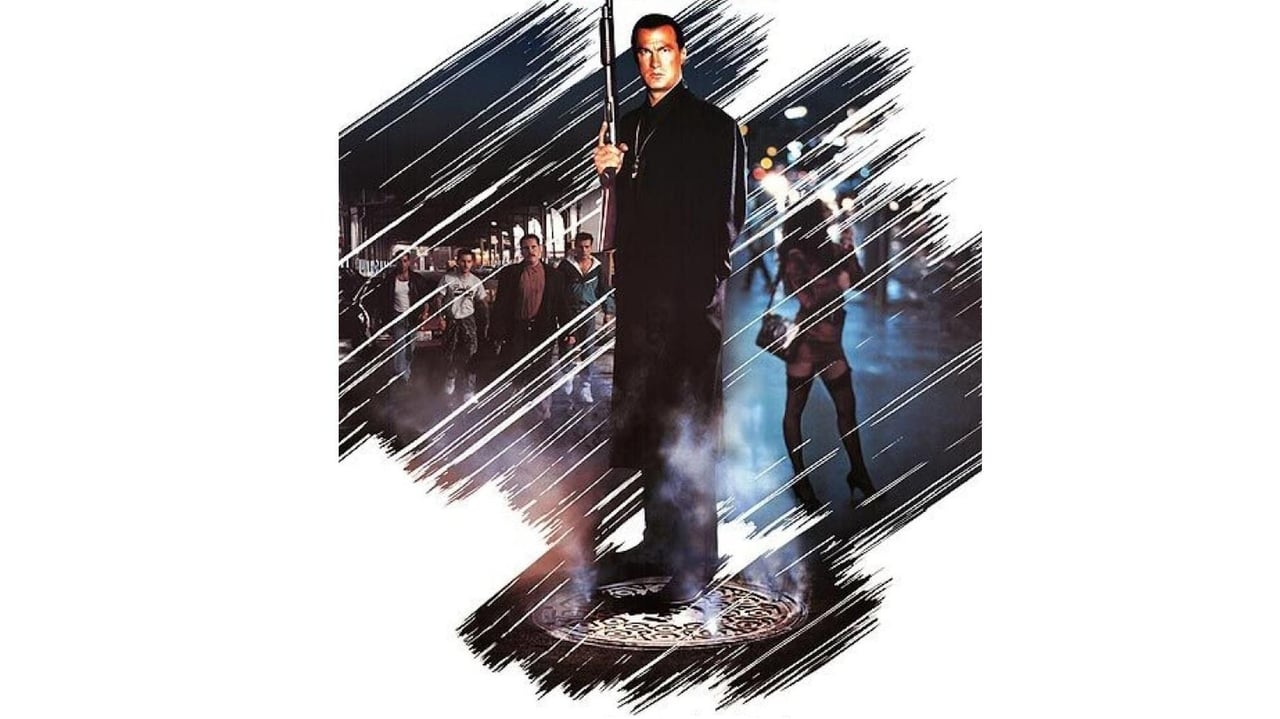
From the opening frames, director John Flynn – a guy who knew his way around gritty thrillers, just check out his cult classic Rolling Thunder – plunges us into a specific, working-class Italian-American neighborhood. This isn't the glossy action landscape of LA; it's cramped bars, butcher shops dripping with atmosphere (and maybe other things), and brownstones that feel lived-in and territorial. Seagal plays NYPD Detective Gino Felino, a cop with deep roots in the community, who learns his childhood friend and partner, Bobby Lupo, has been gunned down in broad daylight. The killer? Richie Madano, played with terrifying, unhinged glee by the legendary William Forsythe. Richie's not just a killer; he's a crack-addicted psychopath cutting a bloody swathe through his old stomping grounds, and Gino is pissed.
### Seagal Unleashed (Aikido Style)
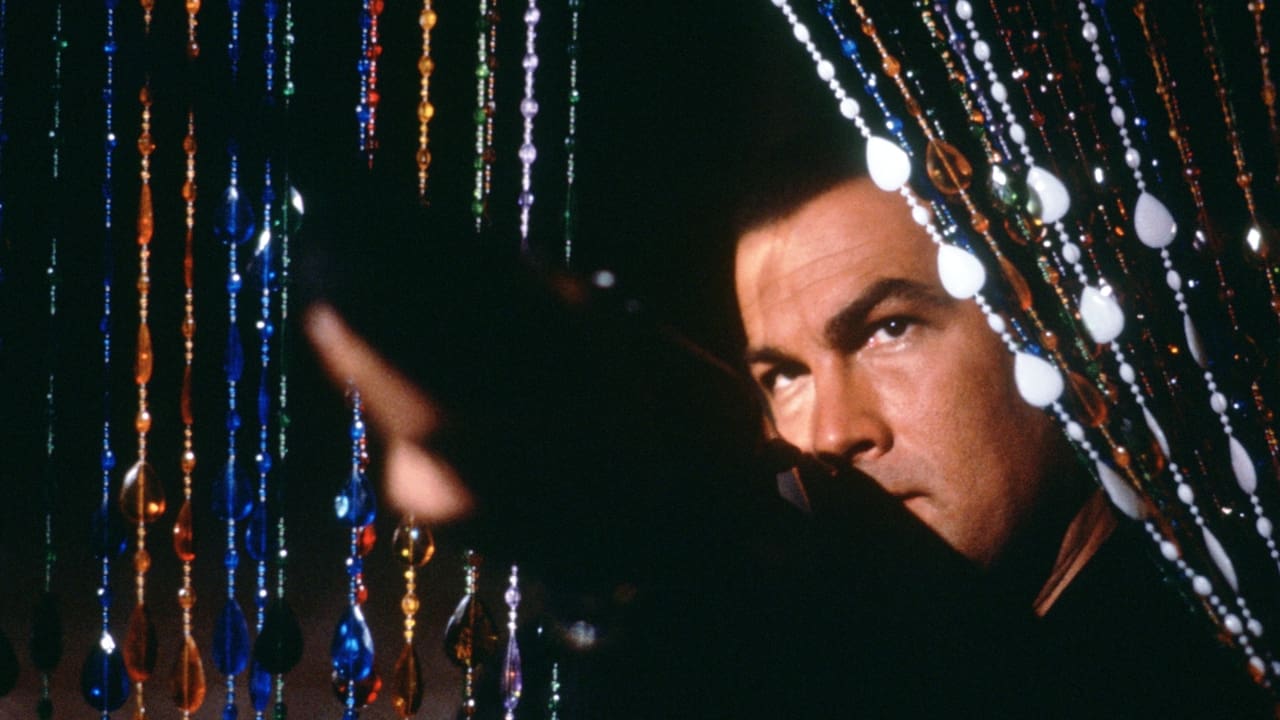
This is peak early Seagal. Forget the later, more bloated direct-to-video efforts. Here, he's lean, mean, and his Aikido skills are front and centre, presented with a kind of brutal efficiency that felt genuinely shocking back then. Remember how real those arm snaps and throws looked? That's the beauty of practical stunt work – you feel the impact. Seagal, who apparently did significant uncredited rewrites on David Lee Henry's script (the film's original title was the much pulper The Price of Our Blood), crafts Gino as a local legend, feared and respected, capable of switching from neighbourhood banter to chilling threats in a heartbeat. His infamous "Anybody seen Richie?" monologue in the bar is pure, undiluted 90s tough-guy talk, delivered with that signature Seagal whisper-threat. It’s almost theatrical in its intensity. Watching this now definitely brings back memories of quoting those lines with friends, trying (and failing) to capture that same level of quiet menace.
### Forsythe's Mad Dog Energy
While Seagal is the stoic force of vengeance, William Forsythe absolutely steals the show as Richie. He’s not just a villain; he’s a force of nature, a rabid dog off the leash. High on crack, paranoid, and murderously unpredictable, Forsythe injects the film with a frantic energy that perfectly contrasts Seagal’s calm deadliness. His performance is sweaty, desperate, and genuinely frightening. You believe this guy is capable of anything, and it elevates the stakes considerably. It's a performance that burns itself into your memory, far more than your average action movie bad guy. Fun fact: Forsythe reportedly stayed in character quite a bit, adding to that manic edge we see on screen. Supporting players like the great Jerry Orbach (just before he became everyone's favourite TV detective Lennie Briscoe on Law & Order) as Gino's Captain, and brief but memorable appearances by Gina Gershon and Jo Champa, add to the authentic neighbourhood feel.
### That Pool Hall Scene and Practical Mayhem
Let's talk action. Flynn stages the fights in cramped, realistic locations, making them feel claustrophobic and messy. The violence is graphic for its time – squibs erupt realistically, bones crunch audibly. Forget elegant choreography; this is about brutal take-downs. And then there's that pool hall scene. Gino walks in, armed with a cue ball wrapped in a towel, and proceeds to dismantle an entire room of wiseguys. It’s a masterclass in Seagal's style – efficient, painful-looking, and utterly dominant. Wasn't that sequence just jaw-dropping back in the day? The sheer confidence and brutality, captured with straightforward camera work, felt incredibly visceral compared to the often more stylized action of the 80s. This commitment to practical effects – real impacts, real stunt performers taking bumps – gives the action a weight and immediacy that much modern, CGI-smoothed action struggles to replicate. The film cost around $14 million to make and pulled in nearly $40 million domestically – a solid hit that proved audiences were hungry for this kind of R-rated, grounded action.
### A Raw Slice of 90s Action
Out for Justice isn't high art. The plot is simple vengeance, the dialogue is often pure macho posturing ("I'm gonna grab his dick and skull-fuck him!"), and Seagal's dramatic range is... well, Seagal. But that’s missing the point. It captures a specific moment in action cinema – gritty, violent, and starring an actor whose unique martial arts background offered something different. It’s less polished than Die Hard, less fantastical than Terminator 2, but its street-level intensity and Forsythe’s incredible performance make it stand out. Critics at the time were mixed, often pointing out the excessive violence and thin plot, but audiences responded to its raw energy.

Rating: 7.5/10
Justification: The score reflects the film's undeniable strengths in delivering brutal, practical action, Forsythe's career-highlight performance, and Flynn's gritty direction creating a palpable sense of place. It captures the early 90s action vibe perfectly. Points are deducted for the simplistic plot, occasionally clunky dialogue, and Seagal's limited range outside of kicking butt.
Final Thought: Out for Justice is like finding that favourite worn leather jacket in the back of the closet – undeniably dated in some ways, but still tough, authentic, and carrying the visceral punch of an era when action heroes bled, bruised, and broke bones for real. Still a damn entertaining watch when you're in the mood for some old-school vengeance.