Okay, settle back into that comfy armchair, maybe grab a cup of chai if you have it handy. Let's talk about a film that absolutely dominated the airwaves – and our VCRs – back in the mid-90s. Cast your mind back to 1996. You couldn't escape the music. Whether it was blasting from a neighbour's window, playing in a shop, or echoing from a passing auto-rickshaw, the soundtrack to Raja Hindustani was everywhere. Those instantly recognizable Nadeem-Shravan melodies weren't just songs; they were the heartbeat of a cinematic phenomenon, promising grand romance and high drama. And boy, did the film deliver on that promise.
A Tale as Old as Time (in Bollywood)
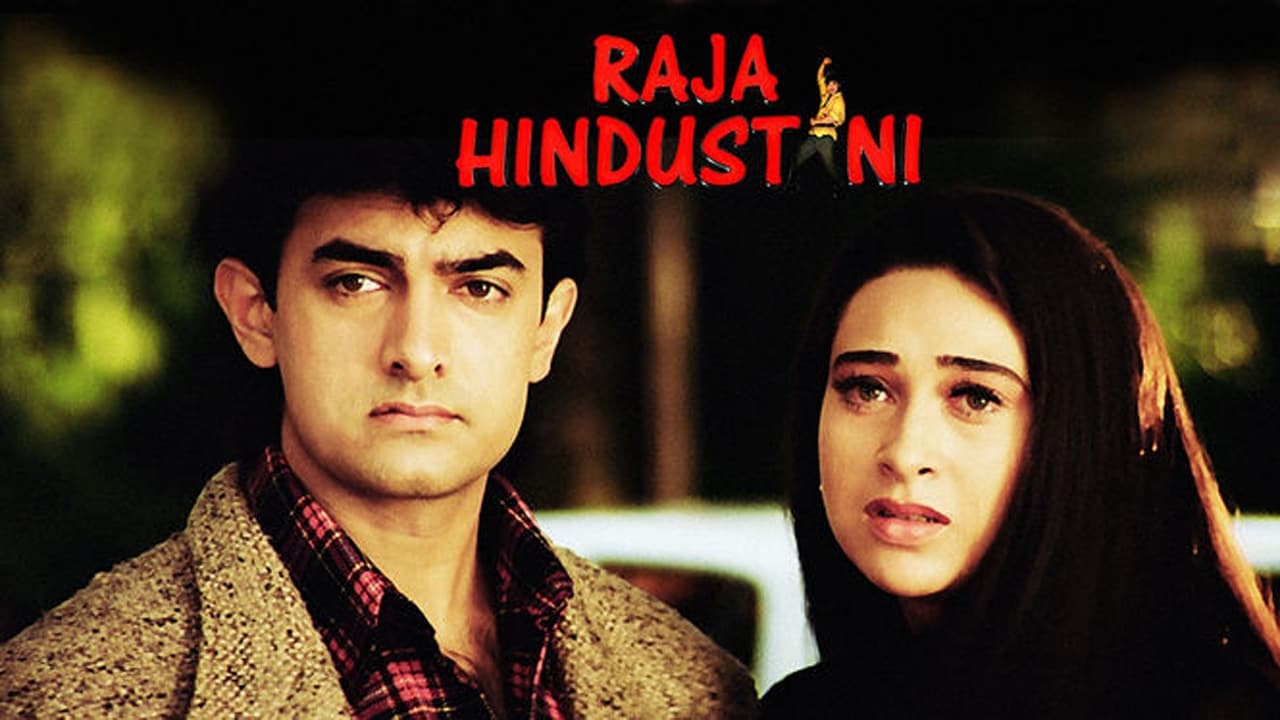
At its core, Raja Hindustani spins a yarn familiar to any fan of classic Hindi cinema: the passionate, almost elemental clash of classes wrapped in a love story. We have Aarti Sehgal (Karisma Kapoor), the sophisticated, gentle heiress from the city, visiting the small hill station of Palankhet to connect with memories of her deceased mother. And then there's Raja (Aamir Khan), the titular 'Hindustani' – an honest, slightly rough-around-the-edges, but fiercely proud taxi driver. He’s initially her guide, but inevitably, sparks fly. Directed by Dharmesh Darshan, who had already shown a flair for intense romance with Lootere (1993), the film doesn't shy away from its influences; it leans right into the rich-girl-loves-poor-boy trope, drawing clear inspiration from the 1965 classic Jab Jab Phool Khile. But does acknowledging its lineage diminish its impact? Not one bit, especially when you consider the conviction brought by its leads.
Star Power and Transformation
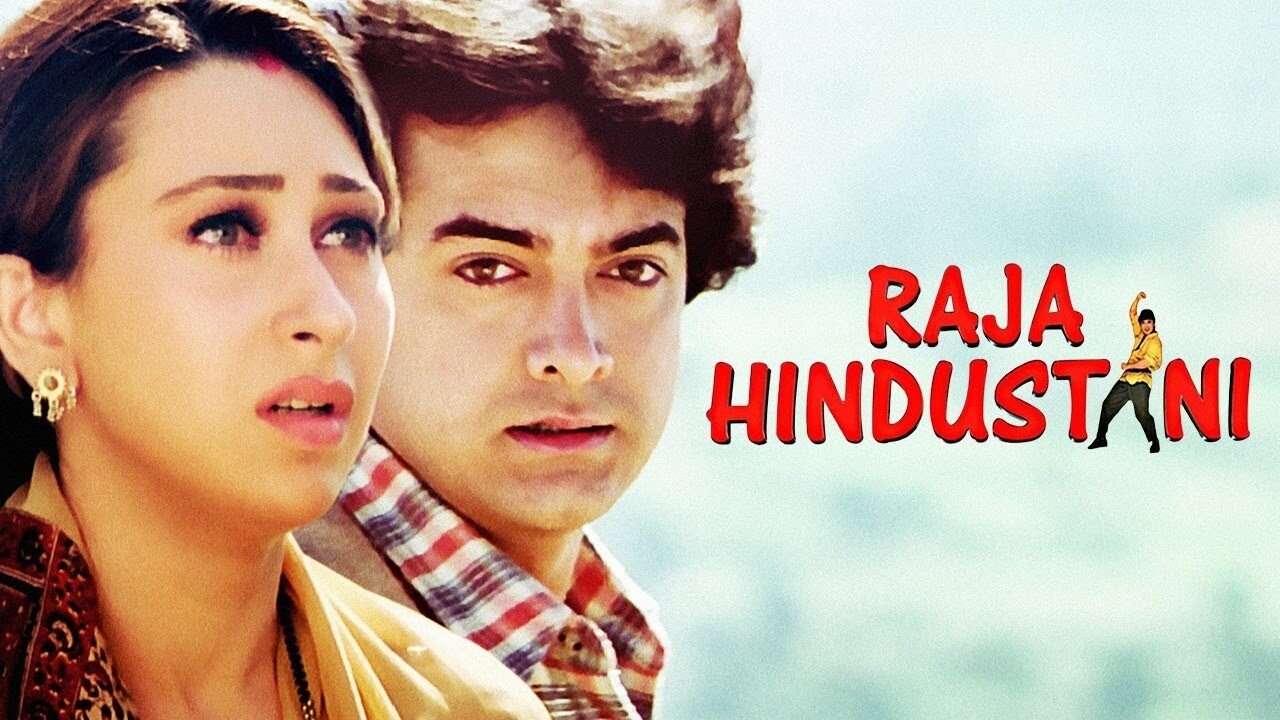
This film was a defining moment for its stars. Aamir Khan, already a respected actor, shed some of his boy-next-door image to embody the earnest, sometimes awkward, but deeply loving Raja. There's a sincerity in his portrayal – the slight impediment in his speech (a character choice), the intensity in his eyes – that makes Raja believable, even when the plot mechanics around him stretch credulity. You feel his pride, his insecurity when faced with Aarti's world, and his unwavering devotion.
But perhaps the more striking transformation belonged to Karisma Kapoor. Shedding the more garish costumes and louder performance styles that marked some of her earlier work, Kapoor emerged here with a newfound grace and vulnerability. Her look in the film – the simpler sarees, the straightened hair – became iconic, signaling a major image makeover that paid dividends. It wasn't just cosmetic; her performance as Aarti felt grounded and emotionally resonant, earning her a well-deserved Filmfare Award for Best Actress. It’s fascinating to think that Juhi Chawla was apparently the first choice for the role; it’s hard now to imagine anyone but Karisma navigating Aarti's journey from sheltered innocence to determined love with such poise. Their chemistry, oscillating between tentative sweetness and fiery passion, truly anchors the film. We shouldn't forget Suresh Oberoi as Aarti's stern but ultimately loving father, or the cadre of scheming relatives led by Archana Puran Singh and Mohnish Bahl, who provide the necessary (if sometimes cartoonish) villainy to drive the conflict.
Embracing the Melodrama
Let's be honest: subtlety is not Raja Hindustani's primary mode. Dharmesh Darshan crafts a world of heightened emotions, where misunderstandings spiral into dramatic confrontations, and reconciliation feels like a seismic event. The film wears its heart proudly on its sleeve, embracing melodrama with an earnestness that feels distinctly '90s. Does it sometimes feel overwrought? Absolutely. The near three-hour runtime allows ample space for tears, declarations, and dramatic pauses. Yet, there's something compelling in its refusal to be cynical. It believes in the power of love to conquer all, even seemingly insurmountable social barriers and nefarious relatives.
And the music! Oh, the music. Nadeem-Shravan's score isn't just background dressing; it's woven into the narrative fabric. Songs like "Pardesi Pardesi" (which became a national anthem of sorts) and the soulful "Aaye Ho Meri Zindagi Mein" aren't just interludes; they are emotional high points, expressing the characters' inner turmoil and joy more profoundly than dialogue sometimes could. They are integral to why the film resonated so deeply.
Behind the Grandeur: Snippets of History
It's easy to forget just how massive Raja Hindustani was. Reportedly made on a budget of around ₹5.75 crore, it went on to become the highest-grossing Indian film of 1996, raking in multiples of its cost and cementing its place in Bollywood history. Its success wasn't just domestic; the film found a huge audience internationally, particularly within the South Asian diaspora who perhaps connected with its themes of identity and belonging.
One much-discussed element at the time was that kiss scene between Aamir and Karisma. In an era where on-screen intimacy was still relatively restrained in mainstream Hindi cinema, this extended moment felt bold and generated considerable buzz (and perhaps a little controversy). Rumour has it the scene took multiple takes over several days to get right, highlighting the director's commitment to capturing the intensity of their relationship. Filmed amidst the scenic beauty of locations like Ooty and Palankhet, the picturesque backdrop only amplified the romanticism, contrasting the natural purity of their love with the artificial obstacles created by society and family.
Nostalgia's Embrace
Watching Raja Hindustani today is like opening a time capsule. Yes, some elements feel dated – the pacing, the specific brand of comedy side-plots (looking at you, Johnny Lever), the heightened melodrama. But there's an undeniable warmth to it. I remember renting the hefty double VHS cassette from the local video shop, a weekend treat for the whole family. It transports you back to a different era of filmmaking, one less concerned with gritty realism and more invested in delivering a powerful emotional experience, complete with soaring songs and star-crossed lovers.
Does the film hold up purely on its artistic merits, detached from nostalgia? Perhaps not perfectly. The plot relies heavily on contrived misunderstandings that could be solved with a single honest conversation. But judging it solely by today's standards misses the point. Its power lies in its earnestness, its fantastic music, the committed performances of its leads, and its status as a cultural touchstone of 90s Bollywood.
Rating: 7.5/10
This rating reflects the film's undeniable impact, iconic status, stellar lead performances, and unforgettable soundtrack, balanced against its sometimes excessive melodrama and dated plot devices. It's a film that delivered exactly what audiences craved at the time – a grand, emotional, musical love story. It fully earns its 7.5 not just for what it is, but for what it represented and the sheer joy it brought (and continues to bring) to so many.
Raja Hindustani remains a potent dose of 90s Bollywood nostalgia – a reminder of a time when mainstream cinema embraced big emotions and grand romance without apology. What lingers most isn't the plot's twists, but the feeling – the soaring music, the intensity of the central performances, and that specific brand of heartfelt drama that defined an era.