It arrives not like a story demanding to be told, but like a memory surfacing, hazy at the edges yet potent at its core. Watching Julie Dash's Daughters of the Dust (1991) today feels less like revisiting a film and more like stepping into a half-remembered dream – a humid, sun-drenched afternoon heavy with unspoken history and the bittersweet weight of impending change. Forget the frantic pace of most early 90s cinema; this is something else entirely, a visual poem whispered from a time and place rarely glimpsed on screen.
Whispers on the Sea Islands
Set in 1902 on Ibo Landing, off the coast of South Carolina, the film centers on the Peazant family, descendants of enslaved West Africans who have preserved a unique Gullah Geechee culture rich with African traditions, beliefs, and language. We join them on the cusp of a monumental decision: a large portion of the family is preparing to migrate North, seeking opportunities and assimilation, while others, particularly the matriarch Nana Peazant (Cora Lee Day), cling fiercely to the island, the soil that holds their ancestors and identity. There isn't a conventional plot driving forward, but rather a tapestry of moments, conversations, rituals, and reflections woven together. It’s a film that asks you to feel, to absorb, rather than simply follow A to B.
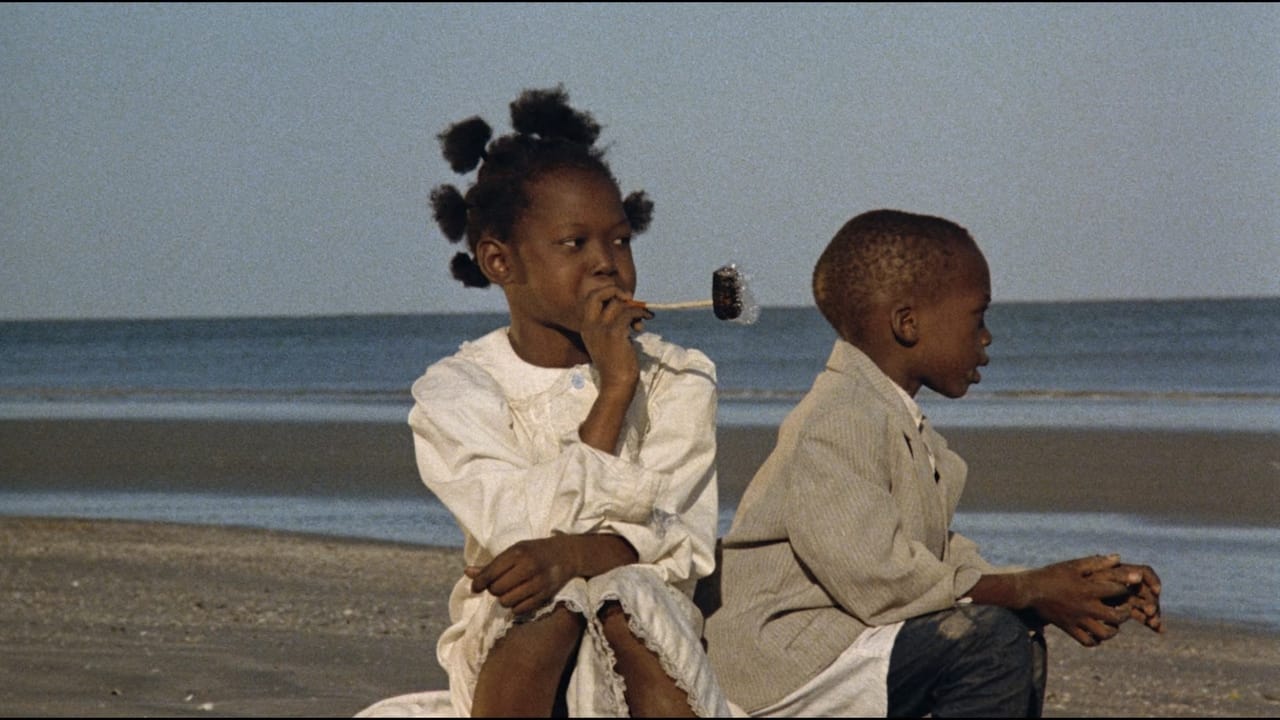
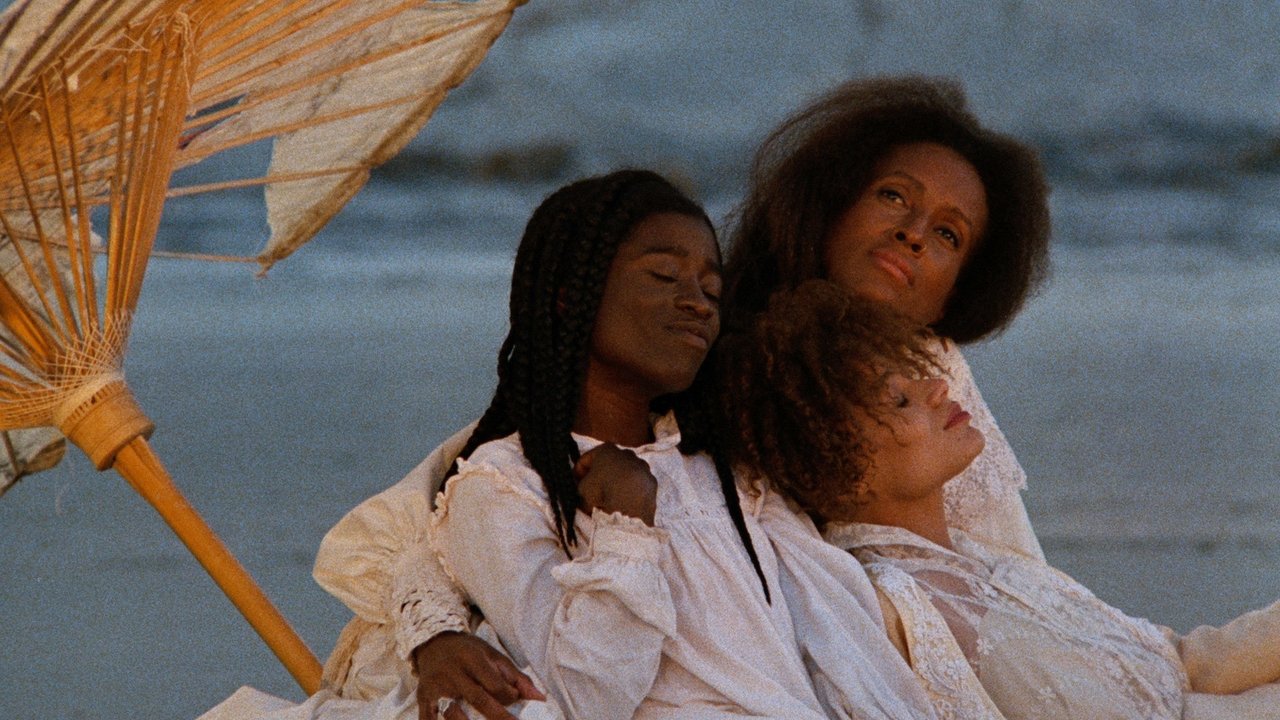
The atmosphere is everything here. Cinematographer Arthur Jafa, in his feature debut, crafts images of breathtaking beauty. Sun bleaches the white dresses of the women against the lush greens and sandy shores, slow-motion sequences lend a mythic quality to everyday gestures, and the light itself seems thick with memory and meaning. Jafa deservedly won the Cinematography Award at the 1991 Sundance Film Festival for this stunning work. The visual richness is even more astounding when you learn the film was produced for a mere $800,000 – a testament to Julie Dash's visionary direction and resourcefulness.
A Tapestry of Voices
The performances feel less like acting and more like being. Cora Lee Day as Nana Peazant is the film's spiritual anchor, her presence radiating ancient wisdom and quiet defiance. She embodies the resistance to severing ties with the past, her belief in the enduring power of ancestors palpable. Characters like the conflicted Eula (Alva Rogers), bearing the trauma of assault but carrying the family's future, and the worldly Yellow Mary (Barbarao), returning from the mainland with her lover, represent different facets of the crossroads the family faces. There’s a deliberate lack of a single protagonist; the community itself, the collective family experience, is the central character. Dash encourages a languid, naturalistic style from her ensemble, capturing the cadences of Gullah dialect and the complex web of relationships with remarkable authenticity.
Forging a New Path
Getting Daughters of the Dust made was an odyssey in itself. Julie Dash spent over a decade developing the project, navigating funding hurdles and the resistance of a system unused to Black women telling their own stories on such an ambitious, artful scale. Initial funding came via PBS's American Playhouse, but securing the rest was a long haul. Its eventual release by Kino International marked a watershed moment: the first feature film directed by an African American woman to receive wide theatrical distribution in the United States. It wasn't a box office smash initially, but its cultural significance far outstripped its earnings.
Dash’s commitment to authenticity shines through. Extensive research into Gullah Geechee history and culture informs every frame, from the dialogue to the spiritual practices depicted. Filming on location on St. Helena Island, South Carolina, lends an undeniable sense of place. The non-linear structure, drawing inspiration from West African oral traditions rather than Western three-act structures, was radical for its time and remains distinctive. It demands patience, inviting the viewer to piece together meanings and connections, much like assembling fragmented memories.
Echoes Through Time
Watching it now, perhaps on a worn VHS copy dug out from the back of a shelf, or maybe streaming it after hearing about its profound influence (most notably acknowledged by Beyoncé for Lemonade), the film feels both timeless and deeply rooted in its specific historical moment. It speaks to universal themes: the tension between tradition and progress, the pain and necessity of migration, the ways history lives within us, shaping our present and future. Doesn't the struggle of the Peazant family – choosing between the familiar ground of heritage and the uncertain promise of the future – echo dilemmas still faced by communities navigating change today?
Daughters of the Dust wasn't the typical flick you'd grab for a Friday night pizza party back in the day. It likely sat in the 'Drama' or 'Independent' section of the video store, a quiet outlier. But for those who took a chance on it, it offered something rare: a deeply immersive, visually stunning, and emotionally resonant experience that lingered long after the tape ended. It challenged what narrative could be, centered voices often marginalized, and created a work of enduring artistry. Its preservation in the Library of Congress's National Film Registry in 2004 cemented its status as a landmark achievement.
Rating: 9/10
This near-masterpiece earns its high rating through its groundbreaking historical significance, its breathtaking visual poetry, its profound thematic depth, and Julie Dash's singular artistic vision. While its unconventional, meditative pacing might challenge viewers accustomed to more traditional narratives, its power lies precisely in this unique approach. It’s a film that washes over you, demanding surrender to its rhythms and rewarding patient viewing with deep emotional and intellectual resonance.
Daughters of the Dust remains a vital piece of American independent cinema, a testament to the power of telling specific stories to illuminate universal truths, and a hauntingly beautiful meditation on memory itself. What lingers most is the feeling – the sun, the sea, the weight of history, and the enduring strength of family ties, stretched but never quite broken.