Alright fellow tapeheads, let's rewind to 1995. You slide this particular cassette into the VCR, the tracking maybe needs a little tweak, and then… bam. An explosion of sound and colour hits your CRT screen unlike almost anything else coming out of Bollywood at the time. We're talking about Ram Gopal Varma's vibrant, pulsating ode to Mumbai dreams, Rangeela. This wasn't your standard melodrama; this felt slick, modern, and impossibly cool.
Mumbai Dreams, Bollywood Beats
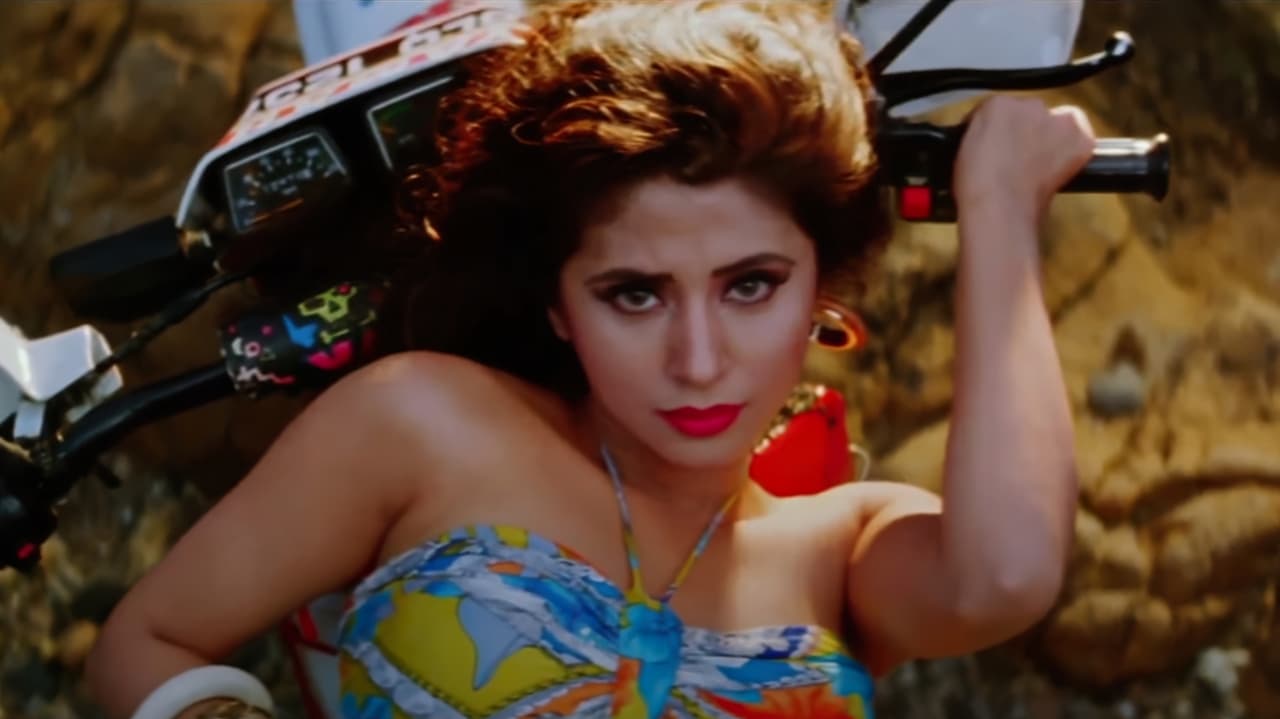
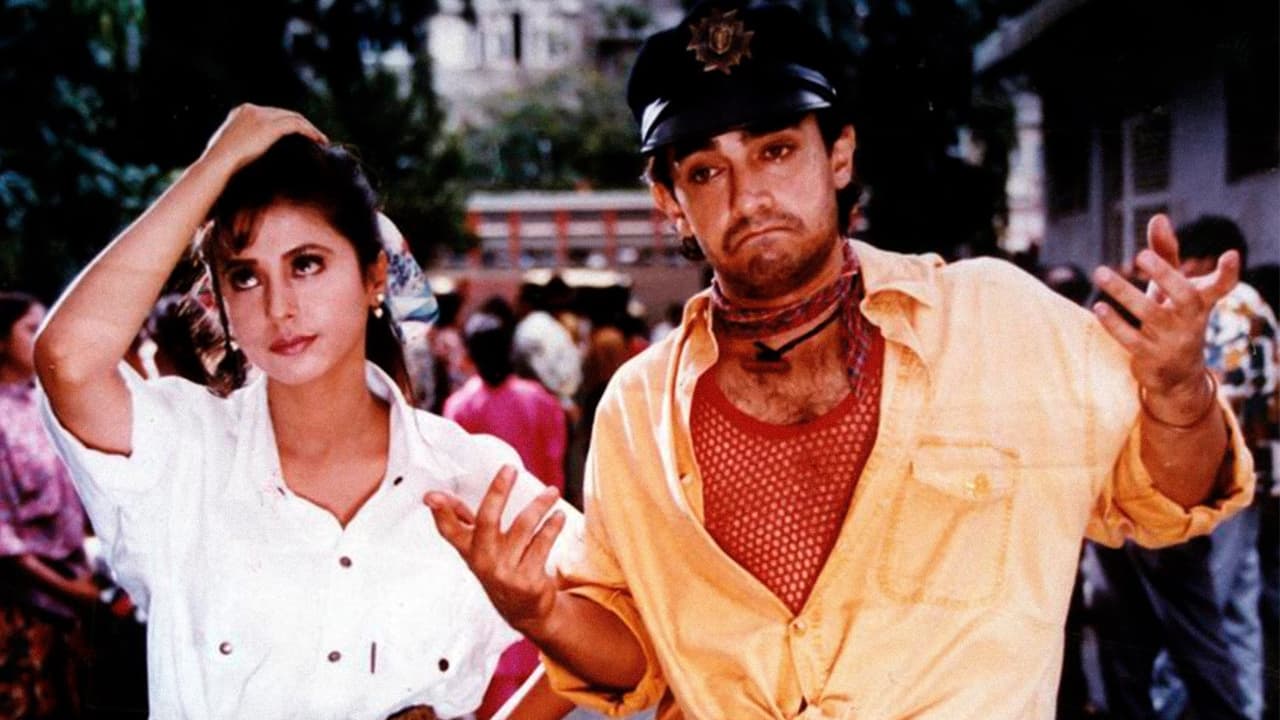
At its heart, Rangeela spins a familiar yarn: Mili (Urmila Matondkar), a vivacious backup dancer with stars in her eyes, dreams of making it big. Her best friend is Munna (Aamir Khan), a street-smart, good-hearted tapori (a Mumbai street hustler, essentially) who secretly loves her. Their world is thrown into a glitzy spin when superstar actor Raj Kamal (Jackie Shroff) spots Mili's talent and decides to make her his next leading lady. Cue the classic love triangle, but elevated by sheer style and energy. RGV, known more for his gritty crime thrillers like Shiva (1990), captured the spirit of Mumbai here – not just the dazzling film studios, but the bustling streets, the local trains, the everyday texture that made Mili and Munna feel so real amidst the fantasy.
The Rahman Revolution
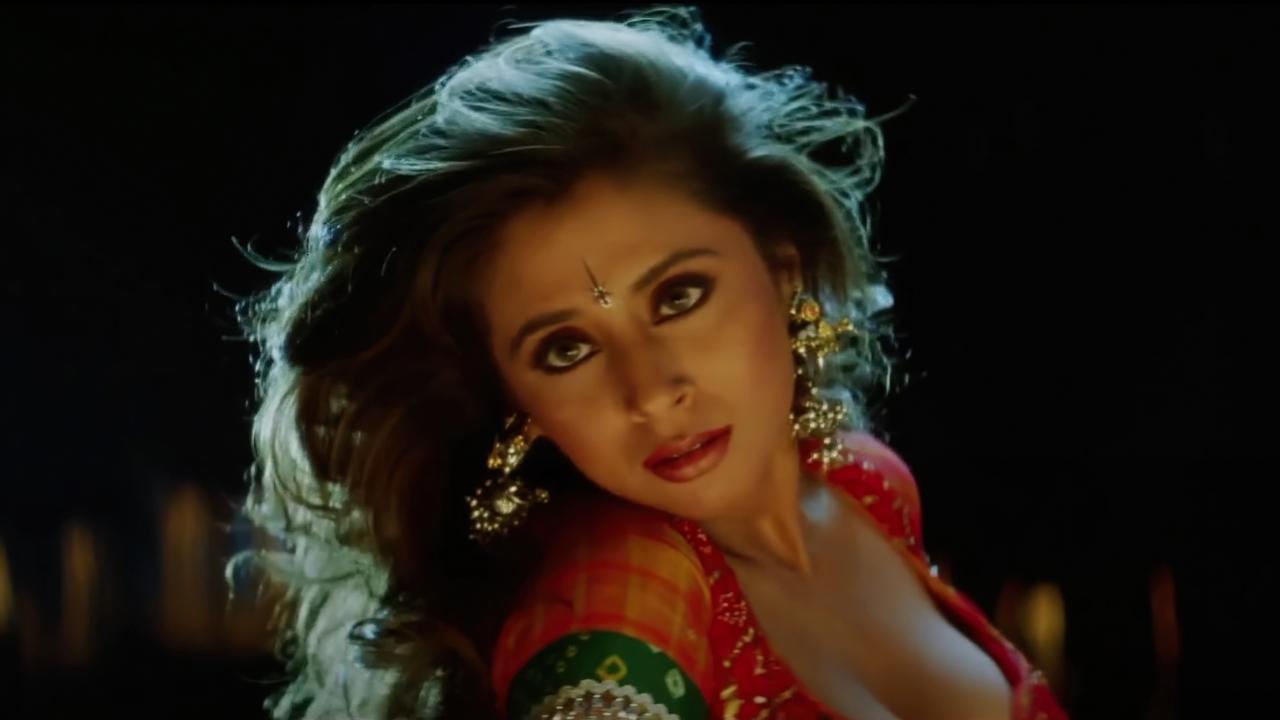
Let's be honest, the first thing that grabs you and refuses to let go is the music. This film marked the Hindi film debut of a composer who would change everything: A.R. Rahman. Remember hearing that soundtrack for the first time? It was electrifying. Tracks like "Tanha Tanha" with its breezy, beachy vibe, the title track "Rangeela Re" bursting with infectious energy, or the soulful "Hai Rama" – they weren't just songs dropped into a movie. They were the movie's pulse. Rahman blended Western pop, jazz, Indian classical, and street beats into something utterly fresh, instantly making traditional Bollywood scores feel dated. The soundtrack album flew off the shelves, becoming one of the biggest sellers of all time, and deservedly so. It wasn't just background noise; it was the narrative's driving force.
Star Turns & Transformations
While the music was groundbreaking, the film wouldn't work without its central trio. Urmila Matondkar became an overnight sensation. Rangeela wasn't just a role for her; it was a complete transformation into a confident, glamorous icon. Her dance sequences, choreographed brilliantly by the likes of Ahmed Khan and Saroj Khan, were stunning, but she also brought vulnerability and charm to Mili. A huge part of that iconic look, by the way, was down to costume designer Manish Malhotra, then really making his mark – those outfits became instantly influential.
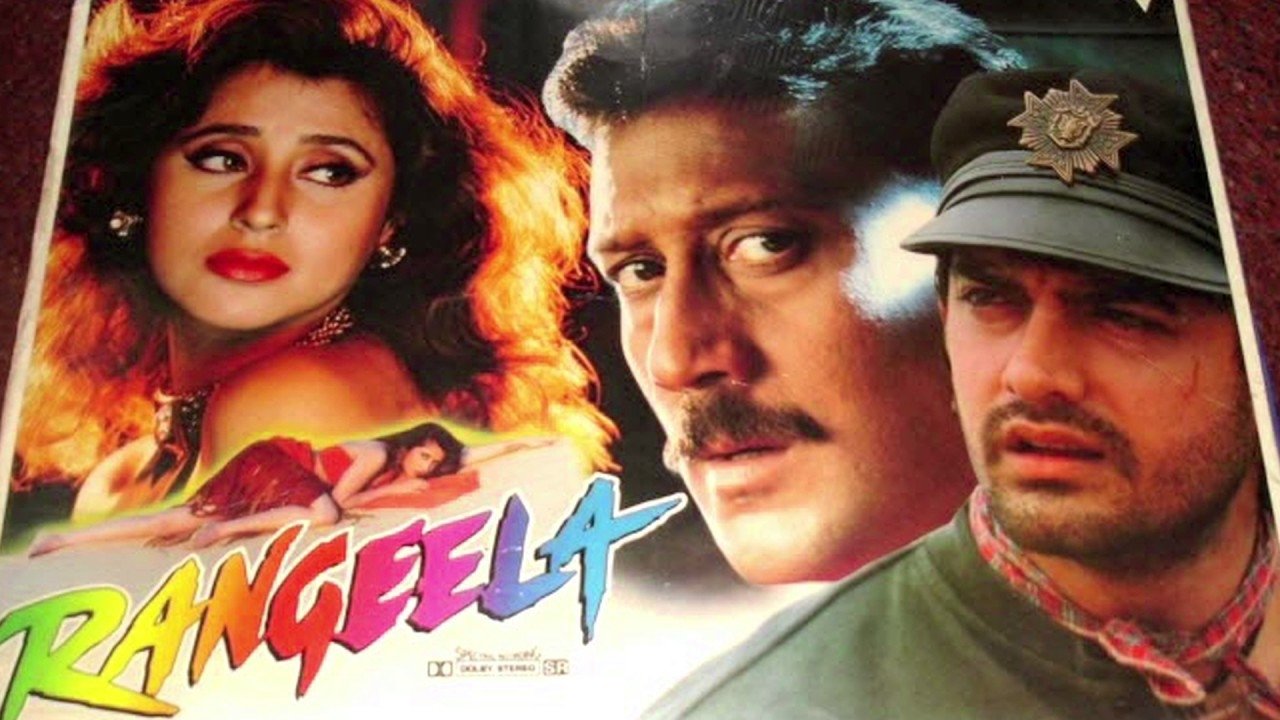
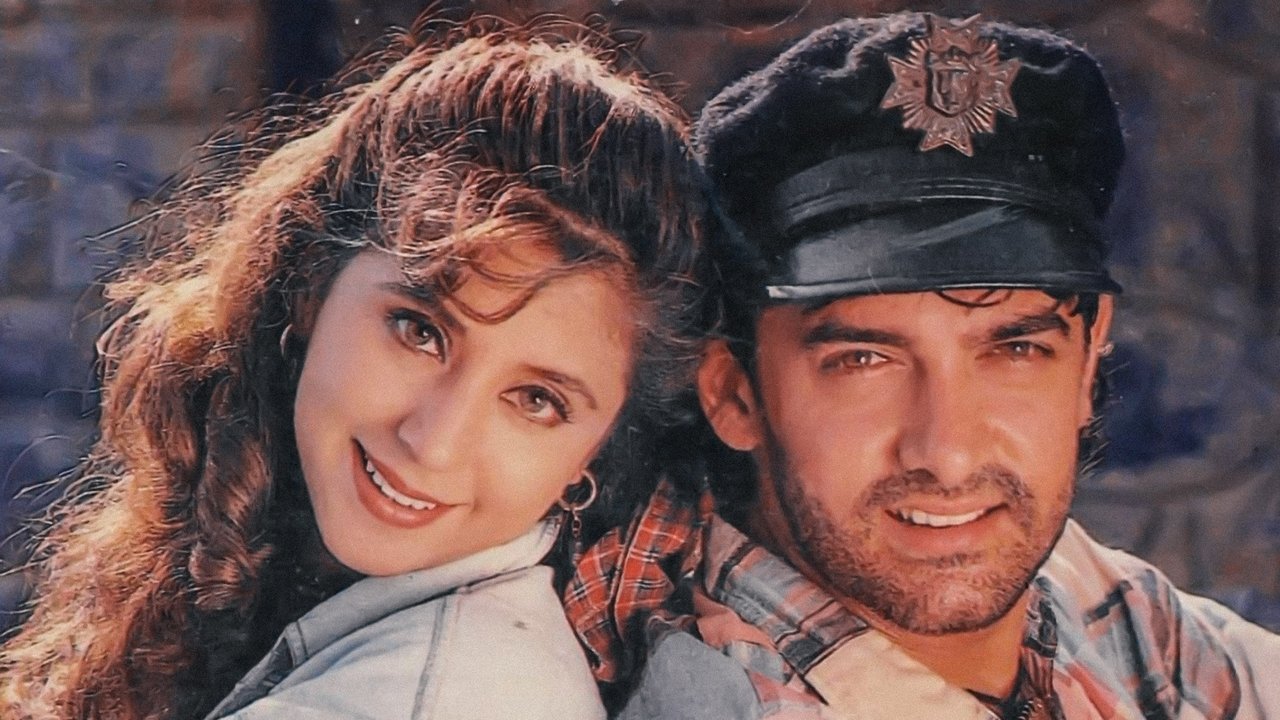
Then there's Aamir Khan as Munna. Forget the polished heroes; Munna was loud, wore garish outfits (which, fun fact, Aamir Khan reportedly designed himself to capture the character's essence!), and spoke in authentic Mumbai slang. Yet, beneath the swagger, Khan delivered a performance full of heart and humour. He made Munna utterly believable and rootable, embodying the film's connection to the city's streets. And let's not forget Jackie Shroff as Raj Kamal. In lesser hands, the superstar role could have been a caricature, but Shroff played him with a quiet dignity and understated charm, providing the perfect contrast to Munna's boisterous energy. It's a wonderfully generous performance.
RGV's Slick Vision
Ram Gopal Varma orchestrated all this with a visual flair that felt distinctly modern for 90s Bollywood. Working with cinematographer W. B. Rao, he gave Rangeela a glossy, kinetic look. The camera moves, the editing feels crisp, and the way the songs are integrated feels more like music videos woven into the narrative – a style RGV honed here. It’s less about lengthy dramatic confrontations and more about capturing mood, energy, and aspiration through visuals and sound. He took a simple story and infused it with style, making it feel aspirational and exciting. It was a gamble, moving away from his usual fare, but it paid off handsomely, proving he could handle vibrant romance just as adeptly as underworld grit.
More Than Just Gloss
Sure, the plot might follow familiar beats, but Rangeela is all about the execution. It’s about how it felt – the sheer joy bursting from the screen, the palpable chemistry between the leads, the way it captured a specific moment in time where Bollywood was starting to feel cooler, younger, more globally aware. It wasn't afraid to be fun, vibrant, and unapologetically entertaining. Watching it again now, maybe the fashion screams mid-90s, maybe some moments feel a little broad, but that energy? It’s timeless. The film swept up awards, particularly for A.R. Rahman's music and Jackie Shroff's supporting role, and cemented its place as a beloved classic. I distinctly remember the buzz around this tape at the rental store – everyone wanted to see what the fuss was about.
---
VHS Heaven Rating: 9/10
Justification: Rangeela earns this high score for being a game-changer. Its revolutionary soundtrack by A.R. Rahman, Urmila Matondkar's star-making performance, Aamir Khan's unforgettable character work, Ram Gopal Varma's slick direction, and its overall vibrant energy redefined mainstream Bollywood coolness in the 90s. While the core story is simple, the execution is near-perfect, delivering pure, unadulterated entertainment that still resonates. It loses a single point perhaps only for the inherent predictability of the love triangle trope, but compensates massively with style and substance elsewhere.
Final Take: Pop this one in for a shot of pure 90s Bollywood adrenaline – a film that proved style could be substance, powered by a soundtrack that still absolutely slaps.