Here we go, let's dim the lights and slide another tape into the VCR...

### Echoes Across Time: The Haunting Portrait of Ruan Lingyu
Some films don't just tell a story; they reach across time, blurring the lines between past and present, actor and subject. Stanley Kwan's Center Stage (1991), known in some territories as Actress (阮玲玉, Ruan Lingyu), does precisely this. It arrived not with the explosive energy of many early 90s Hong Kong hits, but with a profound melancholy and startling artistic ambition. Watching it again now, years after first encountering it perhaps on a slightly worn-out, subtitled VHS tape procured from a specialty store or the "World Cinema" shelf, its power hasn't dimmed. If anything, the layers Kwan embedded feel even richer. It’s less a straightforward biopic and more a meditation on fame, history, and the very act of representation.
The film attempts the near-impossible: portraying the life of Ruan Lingyu, the luminous, tragic superstar of Chinese silent cinema in the 1930s. But Kwan, already known for atmospheric works like Rouge (1987), avoids conventional cradle-to-grave storytelling. Instead, he interweaves several distinct threads: meticulously recreated scenes from Ruan's life and films, shot in a style evoking the era; stark, black-and-white interview segments where the film's actors (Maggie Cheung, Tony Leung Ka-fai, Carina Lau) and Kwan himself discuss Ruan Lingyu and the process of making the film; and actual surviving footage of the real Ruan Lingyu. This unconventional structure could have been jarring, but it creates a fascinating dialogue between history and interpretation. It constantly reminds us we are watching a construction, yet draws us deeper into the emotional truth Kwan and Cheung seek.
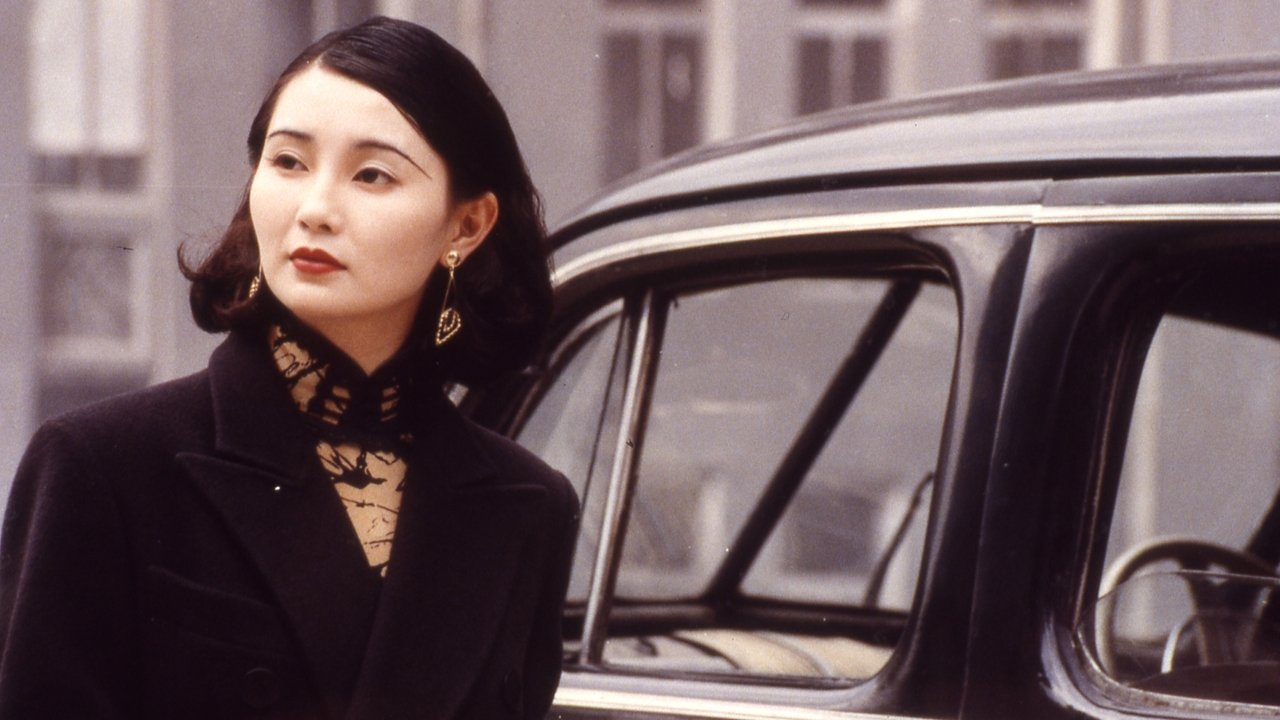
Embodying a Legend
And at the heart of it all is Maggie Cheung. This film marked a seismic shift in her career, moving her definitively from popular Hong Kong cinema star to internationally acclaimed actress (she rightfully won the Silver Bear for Best Actress at the Berlin International Film Festival for this role). Her portrayal of Ruan Lingyu is simply breathtaking. It's not mimicry; it's channeling. Cheung captures Ruan's ethereal screen presence, the vulnerability beneath the glamour, the quiet resilience, and the devastating toll of public scrutiny and toxic relationships.
There’s a scene where Cheung, as Ruan, films a silent movie sequence. We see her act, then we see the ‘director’ call cut, and Cheung relaxes slightly, but the weight of Ruan’s persona, the sadness, still lingers in her eyes. It's in these subtle shifts, these moments between 'performance' and 'reality' within the film's narrative, that Cheung’s genius shines. It’s a performance built on grace, nuanced expression, and a profound understanding of the internal life of a woman trapped by her own image. Reportedly, Cheung immersed herself in the role, studying Ruan's mannerisms and the specific physicality of silent film acting, a dedication palpable on screen.
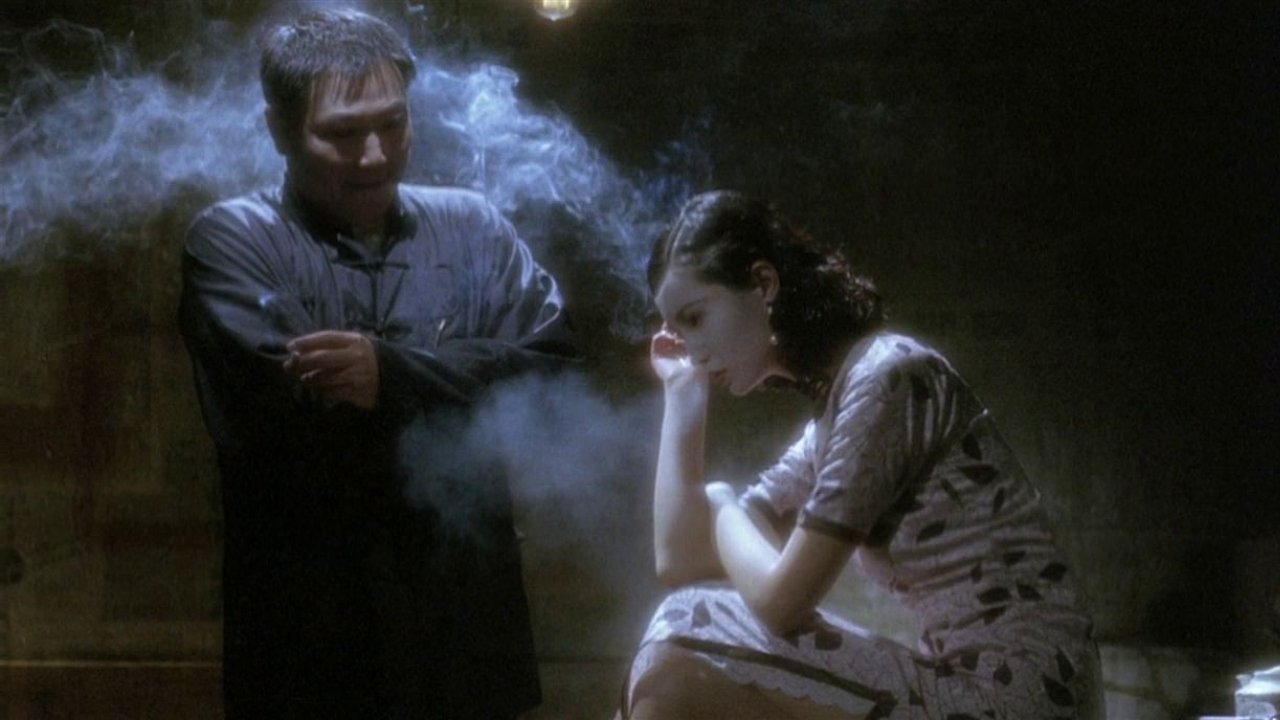
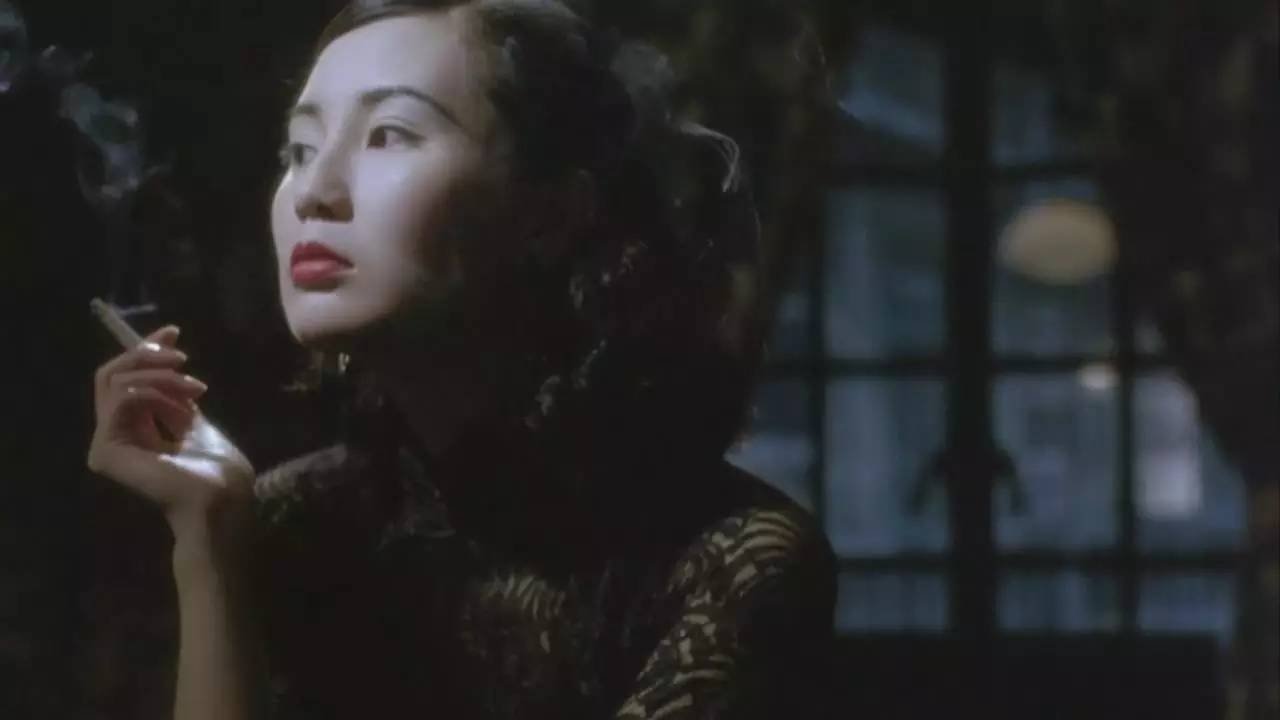
Recreating a Bygone Era with Meta Awareness
Kwan’s direction is equally masterful. He doesn’t just recreate 1930s Shanghai; he evokes its spirit – the blend of burgeoning modernity, artistic fervor, and underlying societal tensions. The cinematography beautifully contrasts the lush, period reconstructions with the raw intimacy of the black-and-white interviews. These interviews are a masterstroke. Hearing Maggie Cheung reflect on Ruan's choices, or Tony Leung Ka-fai (playing director Cai Chusheng) discuss the pressures Ruan faced, adds a layer of intellectual engagement. It forces us to consider: How do we truly know historical figures? How does the act of portraying someone change our understanding of them? It felt incredibly modern and self-aware back in '91, and still does.
One fascinating piece of trivia involves the film's meticulousness. Kwan went to great lengths to replicate shots and scenes from Ruan's actual films, integrating them seamlessly into the narrative. This required not just technical skill but a deep respect for the original source material, further blurring the line between homage and original creation. The budget, while not astronomical by Hollywood standards, was significant for a Hong Kong art film at the time, reflecting the passion behind the project. While it wasn't a massive box office smash initially, its critical acclaim cemented its place in film history.
Lingering Questions
Center Stage is not always an easy watch. It deals with complex themes: the destructive power of gossip and the tabloid press (eerily relevant today, wouldn't you agree?), the limited agency of women even at the height of fame, and the profound loneliness that can accompany stardom. Ruan Lingyu's life ended tragically in suicide at age 24, spurred by relentless public hounding over her private life. The film doesn't shy away from this darkness, but treats it with sensitivity and grace.
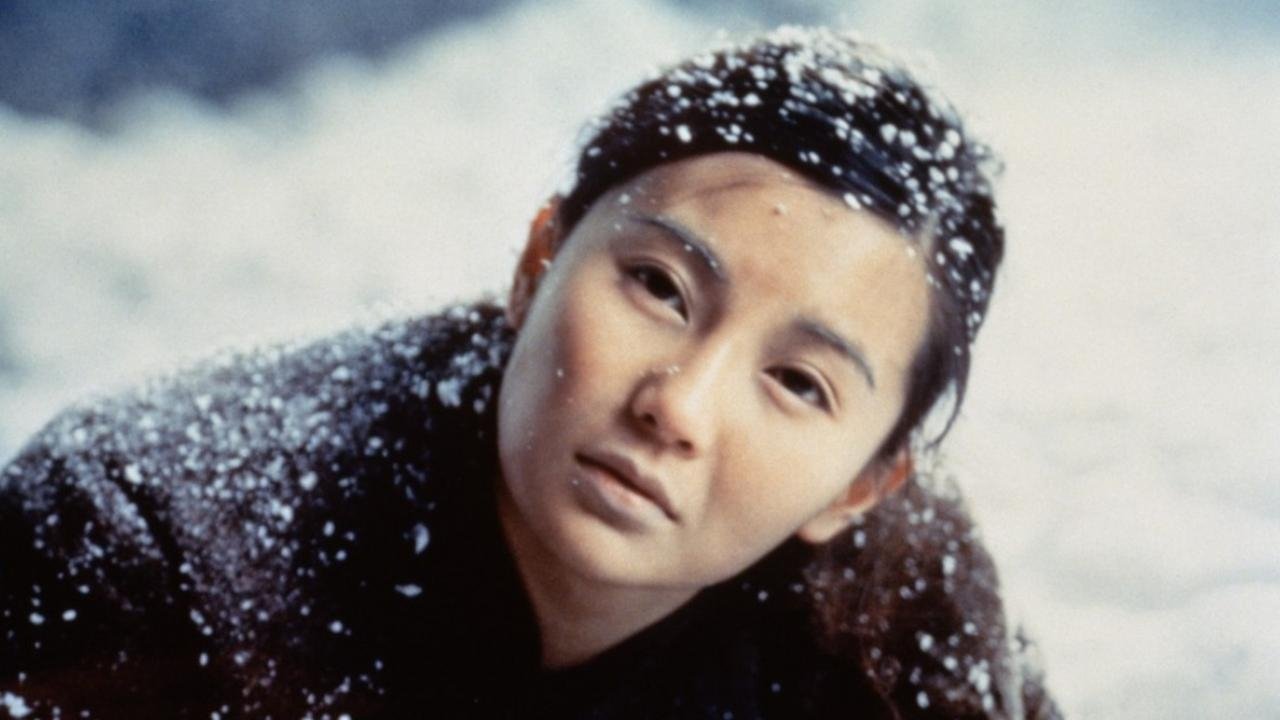
What lingers most after the credits roll? For me, it’s the haunting gaze of Maggie Cheung as Ruan Lingyu, an image that encapsulates both the allure and the burden of being a screen icon. It’s also the film’s quiet insistence on questioning how we remember and represent the past. It asks us to look beyond the surface, to consider the human being behind the legend.
Rating: 9/10
This score reflects the film's artistic bravery, its stunning central performance, and its innovative narrative structure. Maggie Cheung delivers a career-defining portrayal, Stanley Kwan directs with intelligence and sensitivity, and the film's unique blend of biopic and meta-commentary creates a rich, unforgettable experience. It might lack the instant gratification of some VHS-era staples, but its depth and artistry offer a far more enduring reward. It’s a film that truly stays with you, a poignant reminder of a lost star and a testament to the power of cinema to explore the complexities of a life. A genuine treasure from the Hong Kong New Wave, and essential viewing for anyone who appreciates cinematic artistry and powerful human stories.