Alright, fellow tapeheads, slide that worn-out cassette into the VCR, ignore the tracking lines for a second, and let's talk about a Bollywood phenomenon that likely graced many a rented (or copied!) tape back in the day: 1997's Ishq. Forget subtle character studies or gritty realism; this film burst onto screens like a confetti cannon loaded with superstars, slapstick, and surprisingly sharp turns into high drama. Finding this one on the shelf felt like hitting the jackpot – four massive stars for the price of one rental!
### All-Star Bollywood Mayhem
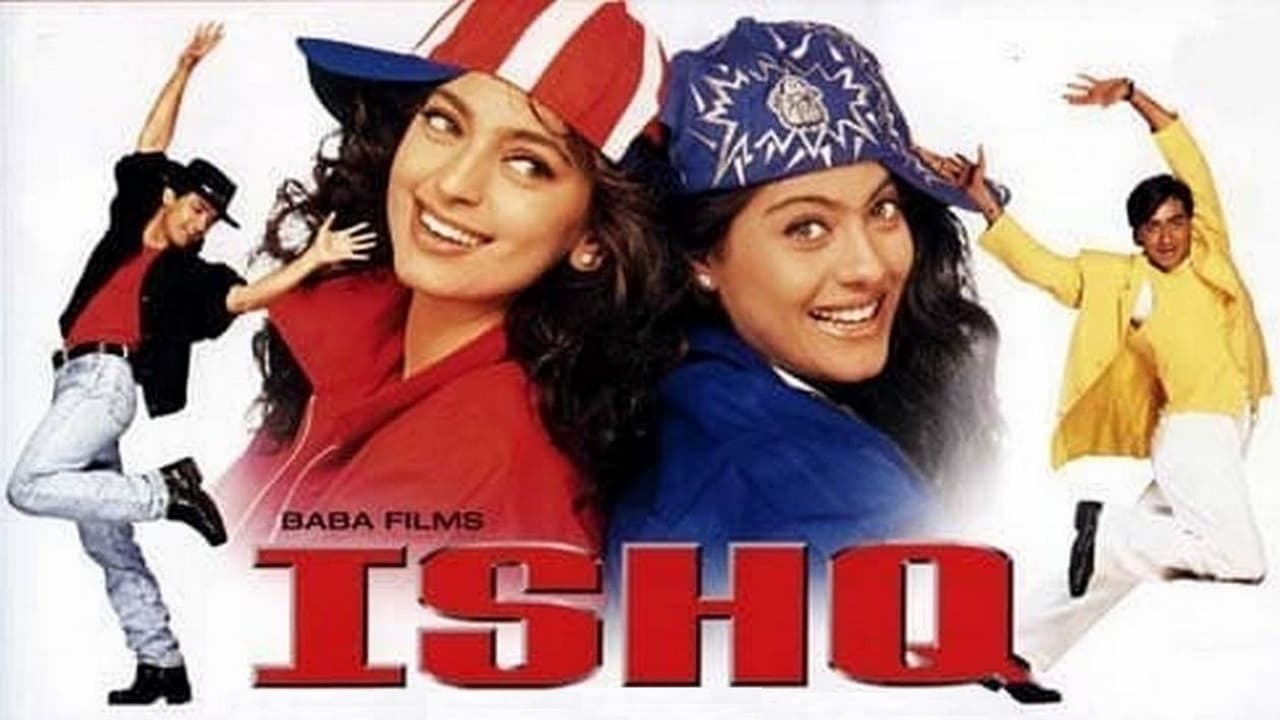
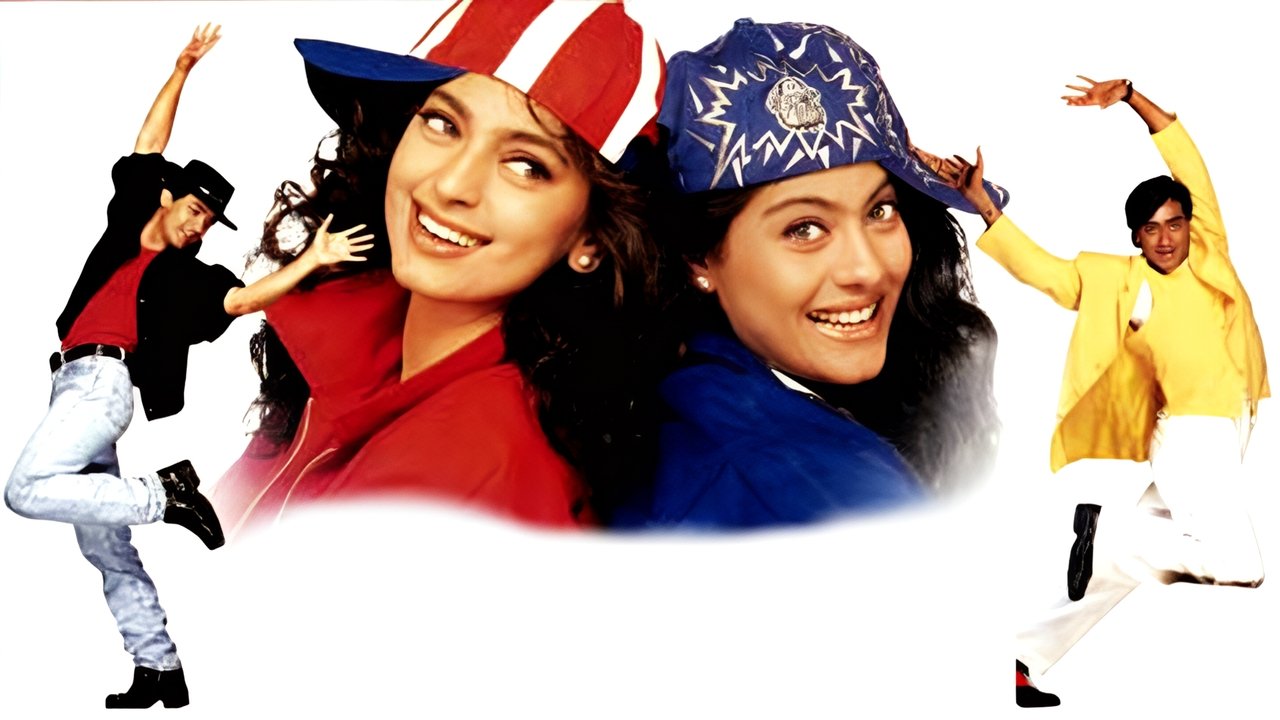
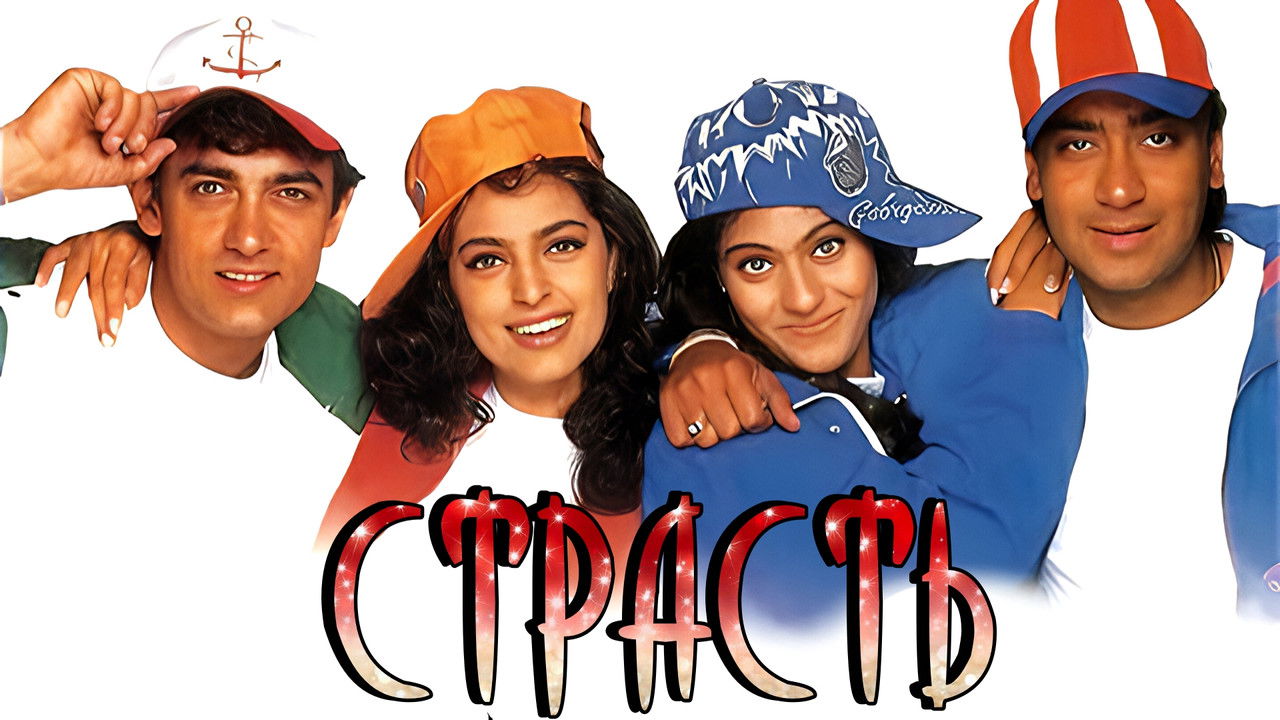
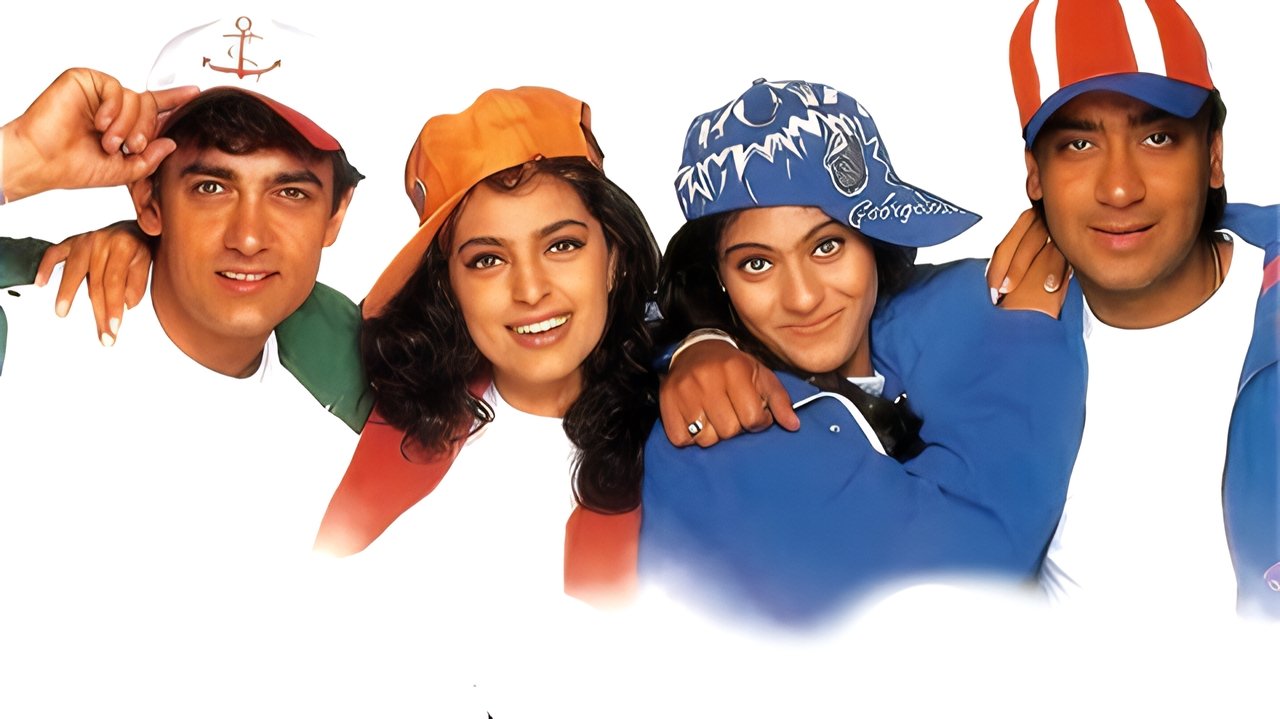
Right off the bat, Ishq throws down a power-packed cast that was pure gold in the late 90s. You've got the ever-charming Aamir Khan paired with the effervescent Juhi Chawla, reigniting a screen chemistry audiences adored in hits like Qayamat Se Qayamat Tak (1988) and Hum Hain Rahi Pyar Ke (1993). Then, add the intense Ajay Devgn alongside the fiery Kajol – a real-life couple whose on-screen sparks were undeniable. It’s a dream team lineup, promising fireworks, and boy, does Ishq deliver… just maybe not always in the ways you’d expect.
The premise is classic Bollywood: two wealthy, arrogant best friends (Ranjit and Harbans, played with gleeful menace by Dalip Tahil and Sadashiv Amrapurkar respectively) despise the poor and vow their children will only marry into equal riches. Naturally, Ranjit's son Raja (Aamir Khan) falls for the poor-but-spunky Madhu (Juhi Chawla), while Harbans' sophisticated daughter Kajal (Kajol) finds herself drawn to the earnest, working-class Ajay (Ajay Devgn). Cue the chaos.
### From Prank Wars to Serious Peril
Helmed by Indra Kumar, a director who practically built a career on blending broad comedy with tear-jerking melodrama (Dil, Beta, Raja are prime examples), Ishq spends its first half indulging in relentless, often juvenile, slapstick. We're talking elaborate pranks, comical misunderstandings, and Aamir Khan operating at peak mischievous energy, bouncing off walls like a caffeinated pinball. Remember that infamous spider sequence? Or the sheer absurdity of some of the situations these characters found themselves in? It’s loud, it’s colourful, and it features the ubiquitous comedic genius of Johnny Lever popping up to amplify the silliness. Some of the gags haven’t aged particularly well, feeling more grating than funny now, but back then, amidst the booming laughter in cinemas, it felt like pure, unadulterated fun. The energy was infectious, even through a fuzzy CRT screen.
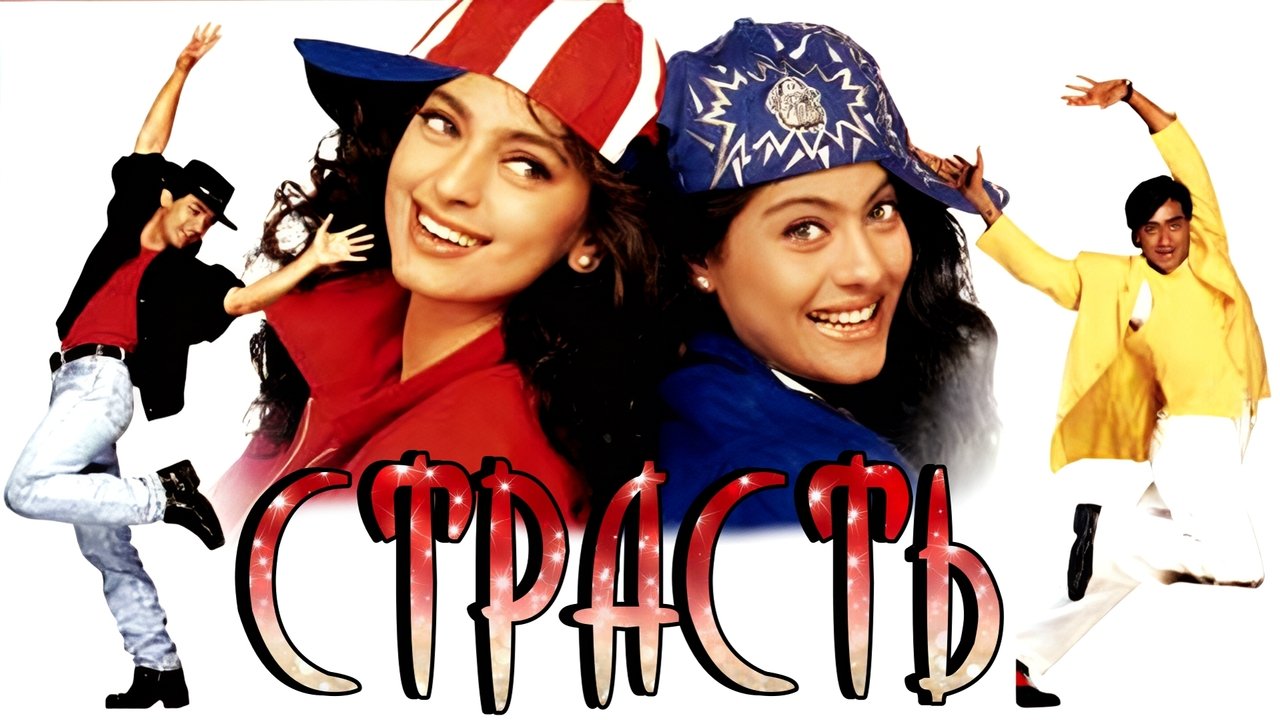
A huge part of this initial appeal was Anu Malik's blockbuster soundtrack. Tracks like "Neend Churayi Meri" (famously sampling Linear's "Sending All My Love") and the peppy "Mr. Lova Lova" were absolute chart-toppers, blasting from every radio and cassette player. These songs weren't just musical interludes; they were events, full of vibrant costumes, elaborate choreography, and the kind of joyous energy that defined 90s Bollywood pop. Finding this tape often meant fast-forwarding straight to these musical numbers first.
### The Tone Takes a Nosedive (Intentionally!)
Just when you think you're settled in for a three-hour comedy marathon... Indra Kumar flips the switch. The second half of Ishq dives headfirst into intense melodrama. The disapproving fathers shift from comical obstructionists to genuinely cruel antagonists, orchestrating devastating schemes to tear the lovers apart. The shift is notoriously abrupt, almost feeling like two different movies stitched together. One moment you're laughing at a pie fight (okay, maybe not literally, but close), the next you're dealing with betrayal, false accusations, and near-death experiences.
It’s jarring, yes, but this kind of extreme tonal shift was par for the course in many mainstream Bollywood films of the era. What makes Ishq memorable is how hard it commits to both extremes. The comedic highs are stratospheric, and the dramatic lows are cavernous. Ajay Devgn and Kajol handle the dramatic weight particularly well, bringing a raw intensity that grounds the increasingly outlandish plot twists. You felt the stakes suddenly become real, a whiplash effect that, strangely, kept you glued to the screen. It wasn't subtle, but it was undeniably effective storytelling for its target audience.
### A Time Capsule of 90s Excess
Watching Ishq today is like opening a time capsule labelled "Peak 90s Bollywood". The fashion is a glorious explosion of questionable choices, the sets are often larger-than-life, and the emotional dial is permanently cranked to eleven. It's a film that wears its heart, its humour, and its melodrama proudly on its brightly coloured sleeve. The film was a colossal success upon release, reportedly made on a budget of around ₹11 crore and raking in over ₹45 crore at the Indian box office, making it one of the biggest hits of 1997. Audiences lapped up the star power, the music, and the potent cocktail of laughter and tears.
It wasn't aiming for critical plaudits; it was aiming squarely for mass entertainment, and it hit the bullseye. The raw conviction of the performances, especially the chemistry between the two lead pairs, sells even the most ludicrous moments. There's a certain charm to its lack of restraint, a "go big or go home" philosophy that feels distinctly pre-millennium.
***
Rating: 7/10
Justification: Ishq is undeniably a product of its time, with comedy that can feel dated and a tonal shift that causes whiplash. However, the sheer star power, the infectious energy of the first half, the chart-busting music, and the surprisingly effective (if over-the-top) drama of the second half make it a quintessential 90s Bollywood entertainer. The chemistry between both pairs (Aamir/Juhi and Ajay/Kajol) is electric, and the film delivers exactly the kind of maximalist experience it promises. It loses points for the unevenness and some cringe-worthy moments, but gains them back for sheer nostalgic impact and entertainment value.
Final Take: Like finding that multi-pack of sugary cereals you weren't usually allowed – Ishq is an excessive, sometimes chaotic, but ultimately satisfying blast of 90s Bollywood nostalgia that knew exactly what its audience wanted: everything, all at once, turned up loud. Rewind required, enjoyment likely.