Sometimes, a film arrives like a sudden, sweet rain after a long drought, washing away the dust and noise of what came before. In the landscape of late 80s Bollywood, dominated by righteous anger and explosive action, Qayamat Se Qayamat Tak (1988) was exactly that – a breath of startlingly fresh, tragically romantic air. It wasn't just a hit; it felt like a shift, a return to innocence and intense feeling that resonated deeply, especially when slid into the VCR, its familiar opening notes filling the living room.
A Different Kind of Story
Forget the lone avenging heroes for a moment. Director Mansoor Khan, making his debut under the banner of his father, the legendary filmmaker Nasir Hussain (known for musicals like Yaadon Ki Baaraat (1973) and Hum Kisise Kum Naheen (1977)), pivoted sharply. Qayamat Se Qayamat Tak (often abbreviated to QSQT) embraced a timeless, almost elemental conflict: two families locked in a bitter feud, their hatred spanning generations. And caught in the middle? Two young souls, Raj and Rashmi, who dare to fall in love. The echoes of Romeo and Juliet are undeniable, yet the film roots its tragedy firmly in a distinctly Indian context of honour, family pride, and simmering rural resentments. It asks a question as old as time: can love truly conquer all, especially when faced with such deeply entrenched hate?
The Dawn of New Stars
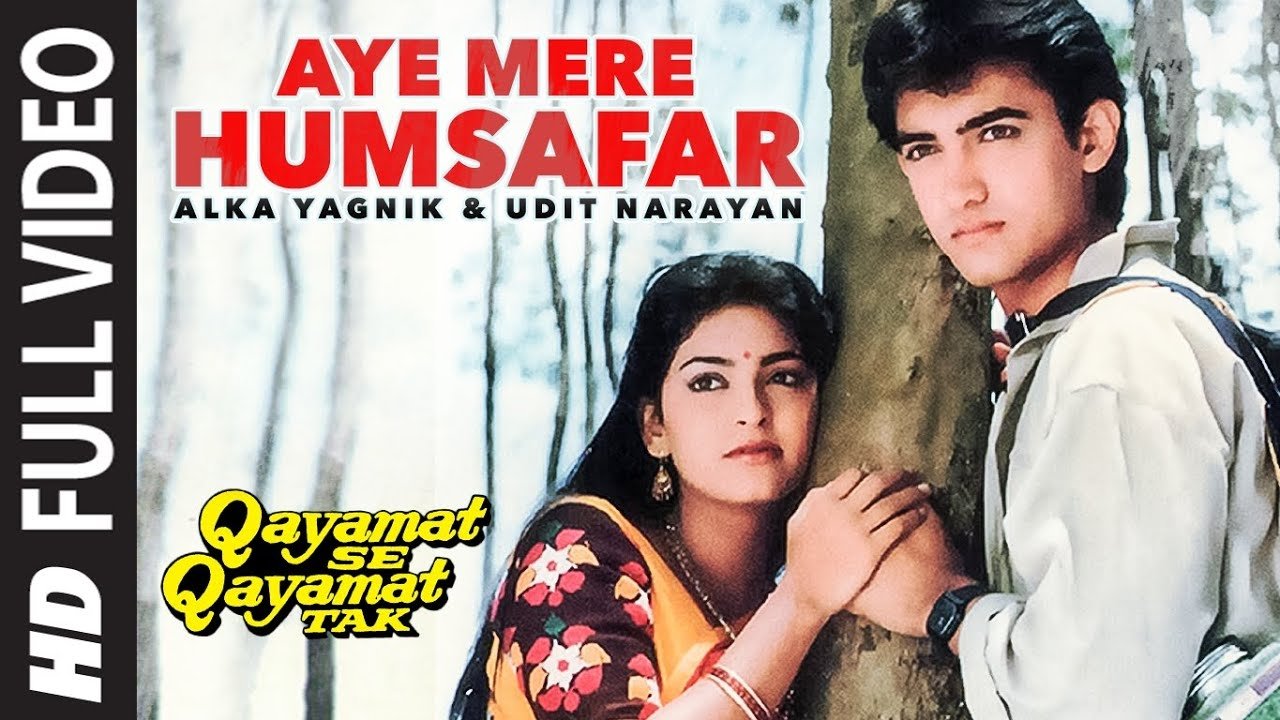
Much of QSQT's enduring magic lies in its leads. Aamir Khan, Nasir Hussain's nephew, wasn't entirely new to screens (having appeared as a child actor and in the experimental Holi (1984)), but this was his arrival as a leading man. He wasn't the muscle-bound star typical of the era; instead, Raj possessed a vulnerability, a boyish charm mixed with quiet determination that felt utterly genuine. There's a fascinating bit of trivia here: Aamir initially hesitated to take the role, having worked primarily behind the scenes as an assistant director on his uncle's films. His eventual acceptance, however, proved career-defining.
Paired opposite him was Juhi Chawla, a former Miss India (1984), as Rashmi. Her effervescence and natural beauty were instantly captivating. She brought a gentle strength to Rashmi, making her more than just a passive object of affection. Their chemistry wasn't the seasoned, perhaps slightly jaded, dynamic of established pairs; it felt new, tentative, utterly believable. You felt their stolen glances, their whispered conversations, the sheer joy and terror of their forbidden love. Supporting actors like the imposing Goga Kapoor as Rashmi's stern father provided the necessary dramatic weight, anchoring the youthful romance against a backdrop of patriarchal authority and simmering violence.
Music, Mood, and Mansoor's Touch

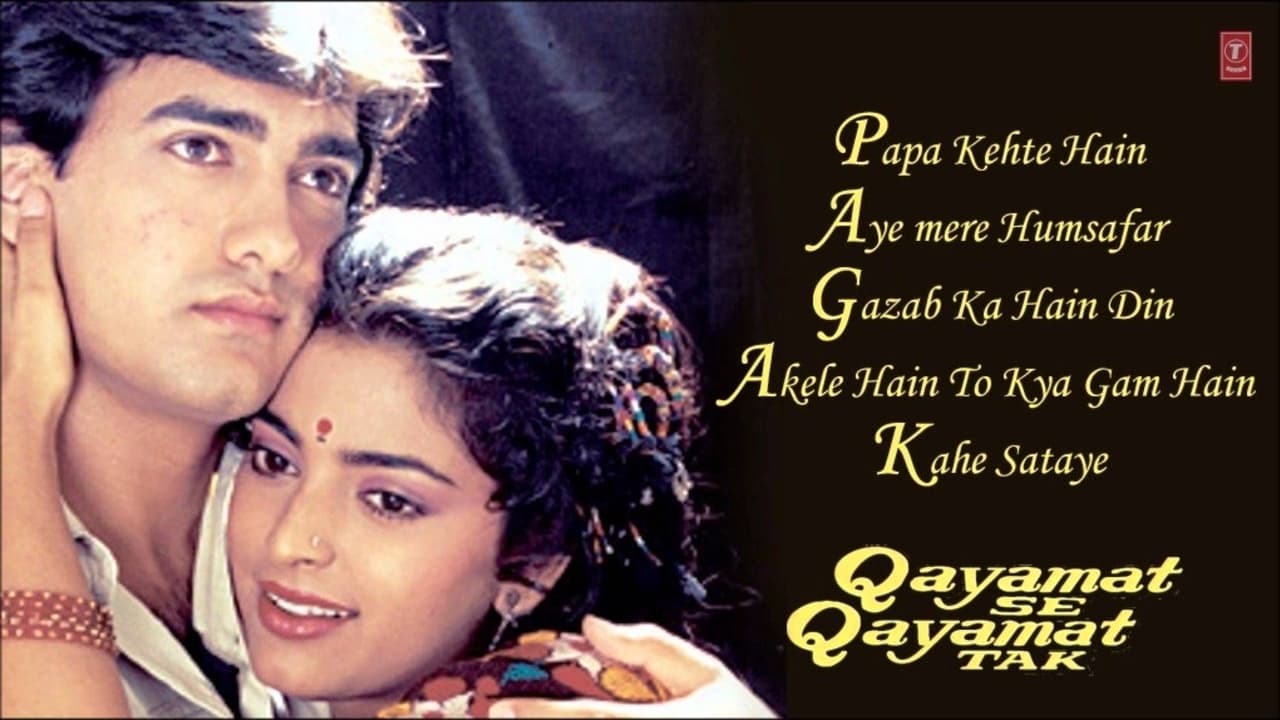
You simply cannot talk about QSQT without mentioning its soundtrack. Composers Anand-Milind delivered an album for the ages, weaving melodies that perfectly captured the film's emotional arc. From the youthful declaration of "Papa Kehte Hain" (which became an anthem for a generation) to the haunting romance of "Ae Mere Humsafar" and the playful energy of "Gazab Ka Hai Din," the music wasn't just accompaniment; it was the film's heartbeat. I distinctly remember the cassette tape being played endlessly, a ubiquitous sound in homes and on buses across India.
Mansoor Khan's direction brought a youthful perspective. He allowed moments of quiet intimacy to breathe, contrasting them effectively with the rising tension and eventual bursts of violence. The picturesque locations, primarily around Ooty and Bangalore, provided a beautiful, almost idyllic backdrop for the burgeoning romance, making the eventual tragedy feel even more jarring. The film feels less "staged" than many contemporaries, leaning into a more naturalistic style, particularly in the interactions between Raj and Rashmi.
From Low Budget Bet to Blockbuster Legend
It’s remarkable to think that this watershed film was produced on a relatively modest budget – reportedly around ₹4 million Rupees (roughly $288,000 USD in 1988). Its subsequent massive success, earning an estimated ₹50 million Rupees (approx. $3.6 million USD then – a huge return!), speaks volumes about how starved audiences were for this kind of storytelling. Aamir Khan himself has spoken about the film's grassroots promotion, including personally pasting posters onto auto-rickshaws in Mumbai due to the limited marketing funds. It was an underdog story both on and off-screen.
Perhaps the most debated aspect, both then and now, is the ending. Spoiler Alert! The tragic climax, where both lovers meet their demise, was a bold move, especially considering Nasir Hussain's track record of generally lighter, happier endings. It was Mansoor Khan who insisted on retaining the tragic conclusion, believing it essential to the story's integrity. While shocking for audiences accustomed to happily-ever-afters, this devastating finale cemented the film's impact, leaving viewers stunned and ensuring QSQT wouldn't be easily forgotten. It wasn't just entertainment; it was an emotional experience.
The Verdict
Qayamat Se Qayamat Tak remains a landmark in Hindi cinema. It didn't just launch the careers of Aamir Khan and Juhi Chawla into the stratosphere; it revitalized the romantic genre, proving that audiences craved stories grounded in genuine emotion alongside spectacle. Its influence was profound, paving the way for a wave of youthful romances in the 90s. Watching it again on tape, even now, evokes that same potent mix of youthful hope and encroaching dread. The performances feel honest, the music timeless, and the central tragedy retains its power. It captured lightning in a bottle – or perhaps, more accurately, on a spool of magnetic tape.
Rating: 9/10
The film isn't technically flawless, with some pacing moments typical of the era, but its cultural impact, stellar performances, unforgettable music, and courageous storytelling make it an undeniable classic. It’s more than just a movie; it’s a cherished memory, a reminder of first love’s intensity, and proof that sometimes, the saddest songs stay with you the longest. What lingers most? Perhaps the bittersweet ache of knowing that some loves, however pure, are tragically star-crossed from the start.