There's a certain kind of film that doesn't just flicker on the screen; it crawls under your skin, leaving a residue of unease long after the tape has rewound. Kim Ki-duk's ferocious 1996 debut, Crocodile (known in Korean as Ag-o), is precisely that kind of movie. Forget cosy nostalgia for a moment; this isn't a warm blanket from the video store shelf. Instead, it's a raw, often brutal plunge into the depths of human despair, set against the polluted banks of Seoul's Han River. Watching it again feels less like revisiting an old favourite and more like confronting a stark, challenging piece of cinema that announced a unique, uncompromising voice.
### Life on the Margins
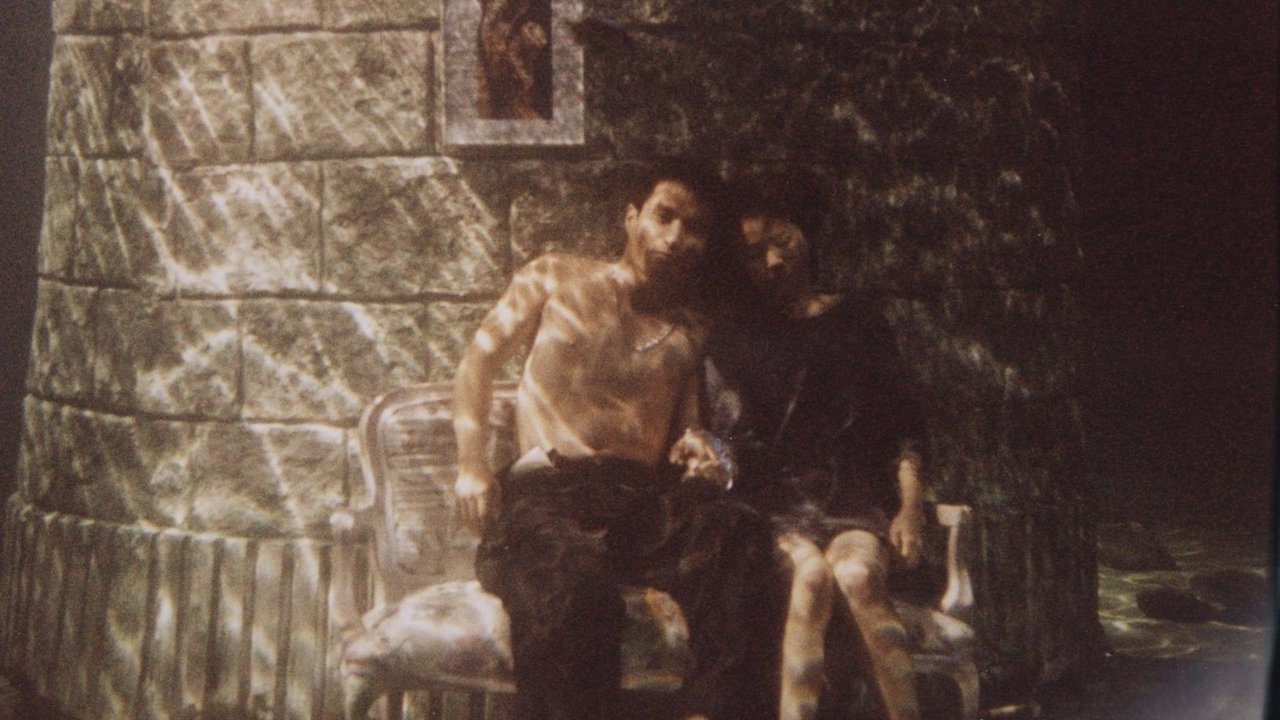
Crocodile introduces us to Yong-pae, better known as 'Crocodile' (Cho Jae-hyun in a truly visceral performance), a volatile young man living rough under a bridge by the river. His existence is predatory: he scavenges items from suicide victims he pulls from the water, sometimes even ensuring their demise to profit from their deaths or belongings. He shares this grim space with a young boy and an old man (Jeon Moo-song), forming a desperate, dysfunctional pseudo-family bound by circumstance rather than affection. Their world is violently disrupted when Crocodile saves a young woman, Hyun-jung (Woo Yun-kyung), from a suicide attempt, only to trap her in his abusive orbit. What unfolds is not a redemption story, but a harrowing exploration of desperation, cruelty, and the faintest, most twisted glimmers of connection in an environment seemingly devoid of hope.
### A Director's Raw Vision
Watching Crocodile now, knowing it was Kim Ki-duk's very first feature film, is astonishing. While it lacks the polish of his later, more internationally celebrated works like Spring, Summer, Fall, Winter... and Spring (2003) or 3-Iron (2004), his core thematic preoccupations and stark visual style are already powerfully present. There's a rawness here, an almost primal energy that feels inseparable from the film's low budget and reportedly difficult production. Kim, famously lacking formal film school training, directs with instinct, focusing on visceral imagery and the bleak poetry of his characters' marginal existence. The Han River isn't just a backdrop; it's a character in itself – a murky, indifferent repository of secrets and sorrows, mirroring the emotional landscape of those who live beside it. You can almost smell the damp concrete and polluted water.
It's fascinating to learn that Kim reportedly drew inspiration from his own experiences living rough and his time spent painting near the Han River. This personal connection perhaps fuels the film's unflinching gaze. There's no attempt to romanticize poverty or excuse Crocodile's brutality. Instead, Kim forces us to witness it, to sit with the discomfort. Does this unflinching portrayal reveal something fundamental about survival at the fringes, or does it risk merely shocking the audience? It's a question that hangs heavy over the film.
### The Unforgettable Crocodile
Central to the film's disturbing power is Cho Jae-hyun. He would become a frequent collaborator with Kim Ki-duk, and you can see why the director was drawn to him. Cho embodies Crocodile with terrifying intensity. It's not a performance built on dialogue or exposition; it's physicality, raw emotion, and moments of unpredictable violence juxtaposed with fleeting, almost childlike vulnerability. He’s repellent, yet magnetic. You watch him, appalled, but unable to look away. His actions are monstrous – the exploitation of Hyun-jung is particularly difficult to watch – yet Cho manages to hint at the damaged soul beneath the aggression. Is there humanity left in him, or has the riverbank existence corroded it entirely? The performance forces you to grapple with this, refusing easy answers. The supporting cast, particularly Jeon Moo-song as the weary old man, provide moments of quiet counterpoint to Crocodile's chaos, grounding the film in a palpable sense of lived-in despair.
### Beyond the Shock Value
It's easy to dismiss Crocodile as purely provocative, aiming only to shock. And it certainly is shocking, even by today's standards. The violence, both physical and psychological, is blunt and unsettling. Yet, beneath the surface grime, there are deeper questions being explored. What becomes of empathy in a world defined by scarcity and brutality? How do cycles of violence perpetuate themselves? Can connection form even in the most toxic circumstances? The film doesn't offer comforting answers. Its symbolism – the river as both life source and dumping ground, Crocodile's animalistic nature – is potent, if sometimes heavy-handed.
This wasn't a film you'd casually rent for a Friday night back in the day, unless you were specifically seeking out challenging world cinema. It likely sat on a more obscure shelf, perhaps recommended by a clued-in video store clerk aware of the burgeoning power of South Korean cinema. Its initial reception was muted, but it laid the groundwork for Kim Ki-duk's controversial but undeniable impact on the international film scene throughout the late 90s and 2000s. It reminds us that the VHS era wasn't just about blockbusters; it was also a gateway to discovering difficult, vital films from around the globe.
---
Rating: 7/10
Crocodile earns this score for its raw power, Cho Jae-hyun's unforgettable performance, and its significance as the uncompromising debut of a major, albeit controversial, directorial talent. It's a challenging, often unpleasant watch that deliberately pushes boundaries, exploring the darkest corners of human behavior with a singular, unflinching vision. Its lack of subtlety and relentless bleakness prevent it from reaching higher, but its visceral impact is undeniable. It’s not easily forgotten.
Final Thought: Decades later, the chill of the Han River in Crocodile lingers – a stark reminder of cinema's power to confront, disturb, and etch itself into memory, even without offering a shred of comfort.