There's a particular kind of quiet desperation that sinks into your bones while watching certain films, a feeling less dramatic than tragic, more the slow erosion of a soul against indifferent circumstances. It’s the feeling that permeates Jia Zhangke’s staggering 1997 debut, Pickpocket (original title: Xiao Wu), a film that arrived like a raw nerve exposed at the tail end of the VHS era, offering a glimpse into a China grappling with rapid change, seen through the eyes of someone being left decisively behind.
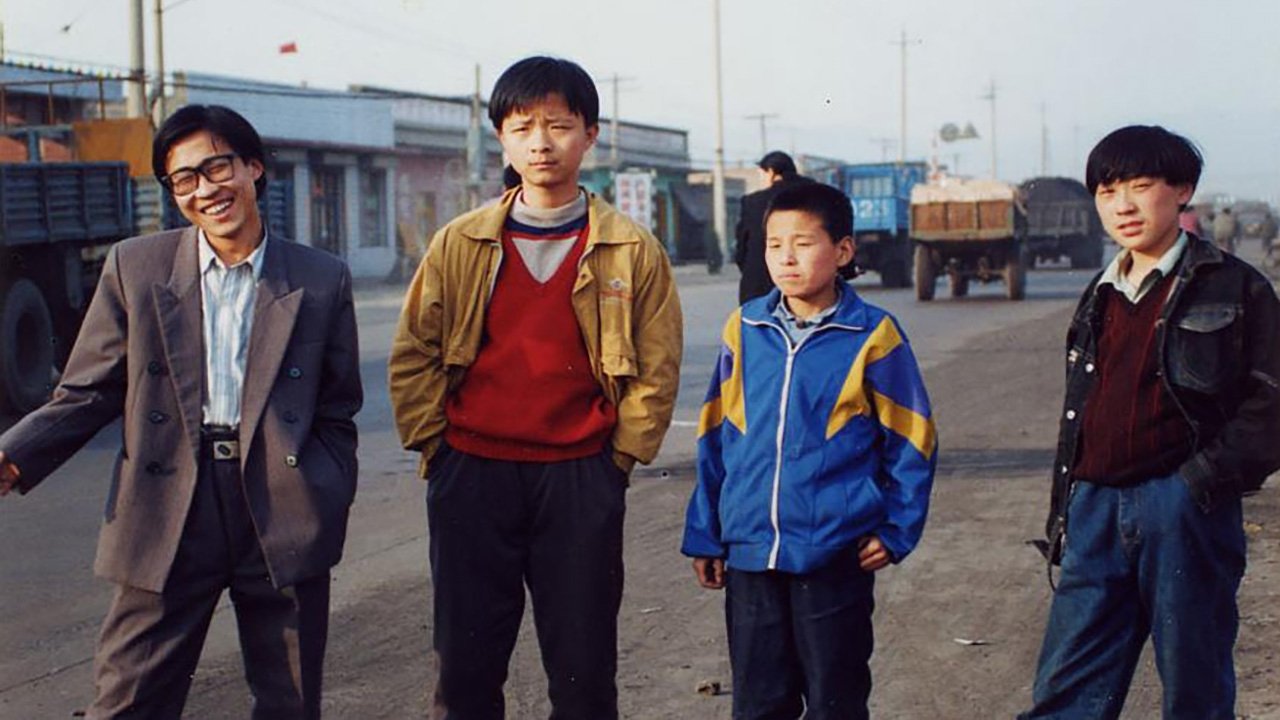
For those of us digging through the less-travelled aisles of the video store, or perhaps catching a grainy festival copy, Xiao Wu felt worlds away from the slick Canto-pop crime thrillers or historical epics that often represented Chinese cinema overseas back then. This was something else entirely: gritty, unadorned, almost documentary-like in its observation.
The Ghost of Fenyang
Our guide through this shifting landscape is Xiao Wu himself, played with an astonishingly naturalistic unease by Wang Hongwei, an actor who would become a recurring presence in Jia Zhangke’s early work. Xiao Wu isn't a master criminal or a hardened gangster; he's a small-time pickpocket clinging to an obsolete trade in his provincial hometown of Fenyang (Jia's own hometown, adding a layer of palpable authenticity). As China hurtles towards modernization in the late 90s, his former associates are going "legit," opening karaoke bars or dealing in smuggled goods, leaving Xiao Wu increasingly isolated. He's a relic, stubbornly out of step, his pager (a status symbol he clings to) connecting him to fewer and fewer people who care.
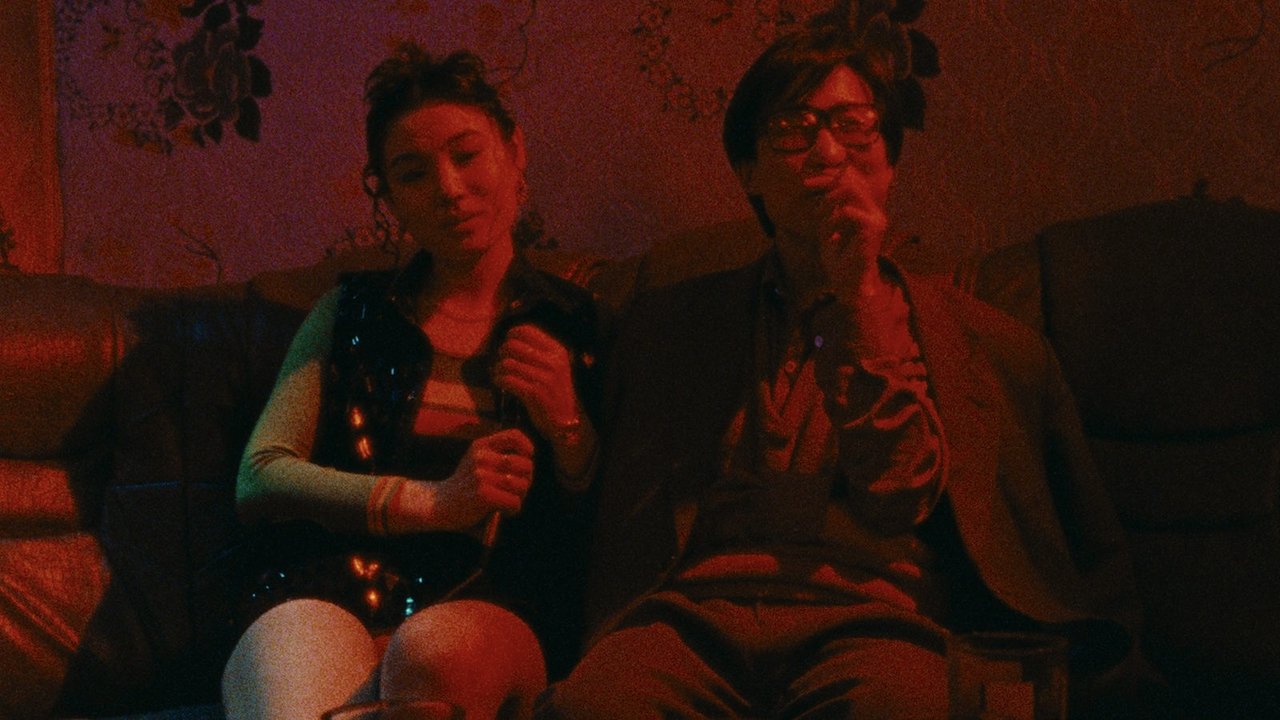
The film doesn't offer easy judgments. Xiao Wu is certainly no hero – he’s sullen, sometimes pathetic, capable of casual cruelty born of frustration. Yet, Jia Zhangke films him with such unflinching empathy. We see the flickers of humanity beneath the prickly exterior: his awkward courtship of a karaoke hostess, Mei Mei (Hao Hongjian), or his strained interactions with his family. Wang Hongwei’s performance is key here; it’s devoid of actorly ticks, feeling utterly lived-in. You believe this is a real person adrift, not a character performing alienation.
Rough Edges, Raw Truth
The film's aesthetic is inseparable from its impact. Shot on 16mm film for a reported budget of around US$20,000 (peanuts even then!), Pickpocket possesses a vérité rawness that feels utterly intentional. The handheld camerawork often feels like we’re simply observing street life, capturing the dusty, chaotic energy of Fenyang. There’s little stylistic flourish, minimal score – just the ambient sounds of the city and the often awkward silences between characters. This wasn’t a choice born solely of necessity; it was a statement. Jia Zhangke, along with figures like Zhang Yuan (Beijing Bastards, 1993), was part of the burgeoning "Sixth Generation" of Chinese filmmakers reacting against the more polished, state-approved narratives of their predecessors. They aimed for realism, often shooting independently, sometimes guerrilla-style, capturing contemporary social issues head-on.
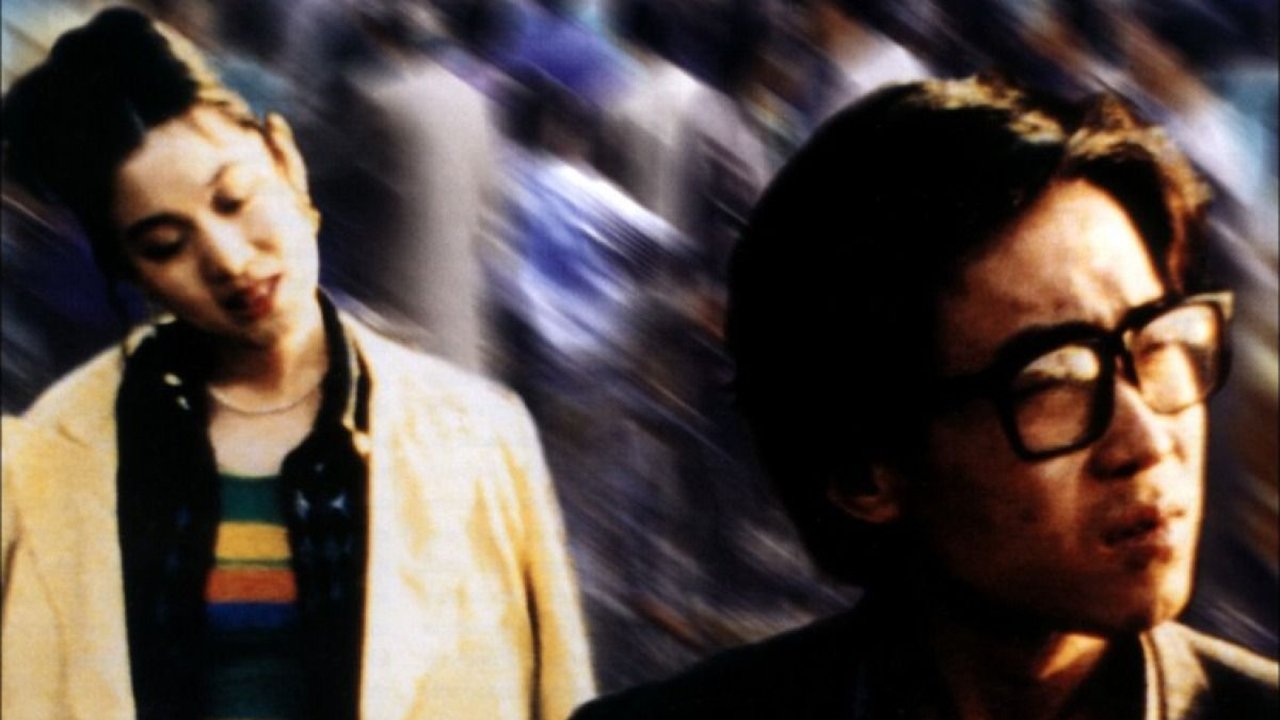
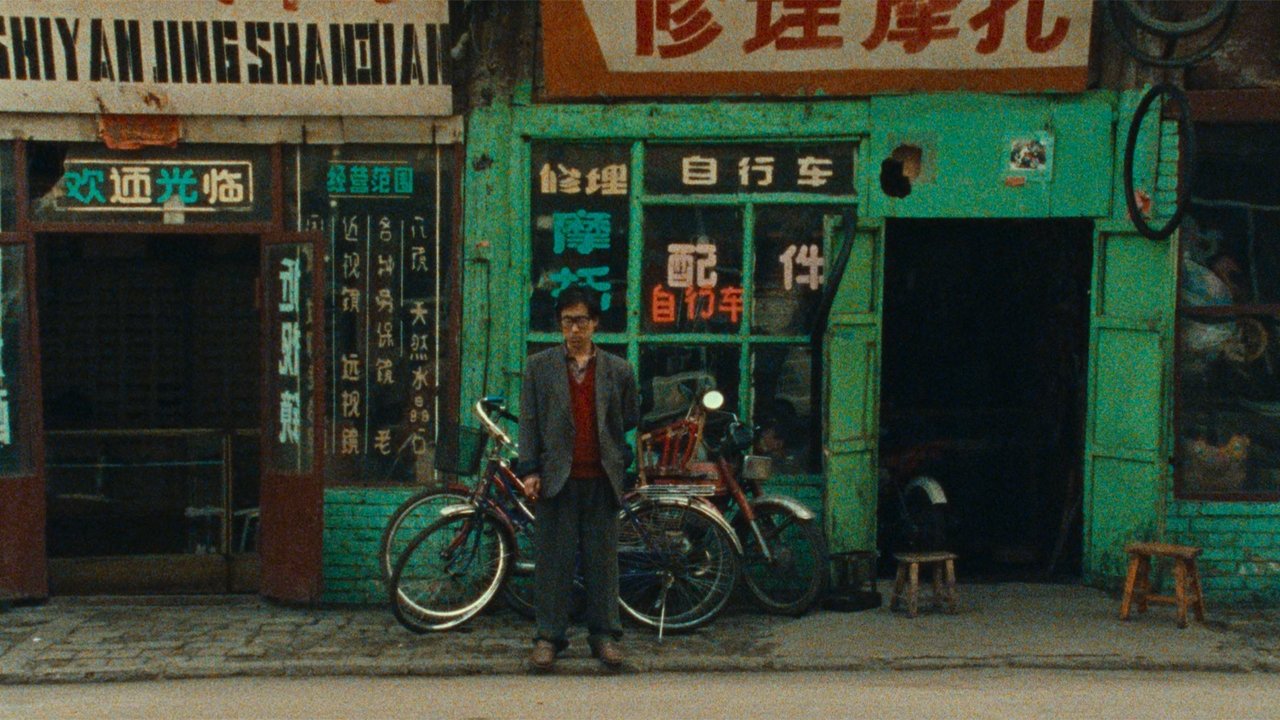
It's fascinating to learn that Pickpocket was initially banned in China, deemed too bleak and critical of the societal changes underway. Yet, it found life and acclaim on the international festival circuit, winning awards in Berlin and Vancouver, announcing Jia Zhangke as a major new voice in world cinema. He famously financed the film partly with his own money and funds borrowed from friends, highlighting the passion and risk involved in bringing this uncompromising vision to the screen. Much of the cast, including Wang Hongwei and Hao Hongjian, were non-professionals, local acquaintances of Jia, lending that crucial layer of unvarnished reality. You feel the texture of their lives, the weight of their surroundings.
A World Moving On
What stays with you long after the tape clicks off isn't necessarily the plot, which is episodic rather than driven by conventional narrative beats. It’s the profound sense of displacement. Xiao Wu’s world is literally disappearing – old buildings are being torn down, old ways of life are becoming irrelevant, old loyalties are dissolving. He represents a segment of society caught in the gears of progress, unable or unwilling to adapt. Doesn't this resonate beyond 1997 China? How many communities, how many individuals, face similar obsolescence when the economic or social tides turn?
There’s a particular scene involving a former partner’s wedding that crystallizes this perfectly. Xiao Wu tries to offer a traditional gift of money, only to be politely but firmly rebuffed – his ill-gotten gains are now an embarrassment to his friend’s new, respectable life. The gulf between them is vast and unbridgeable. It’s a quiet moment, but devastating in its implications.
Lingering Questions
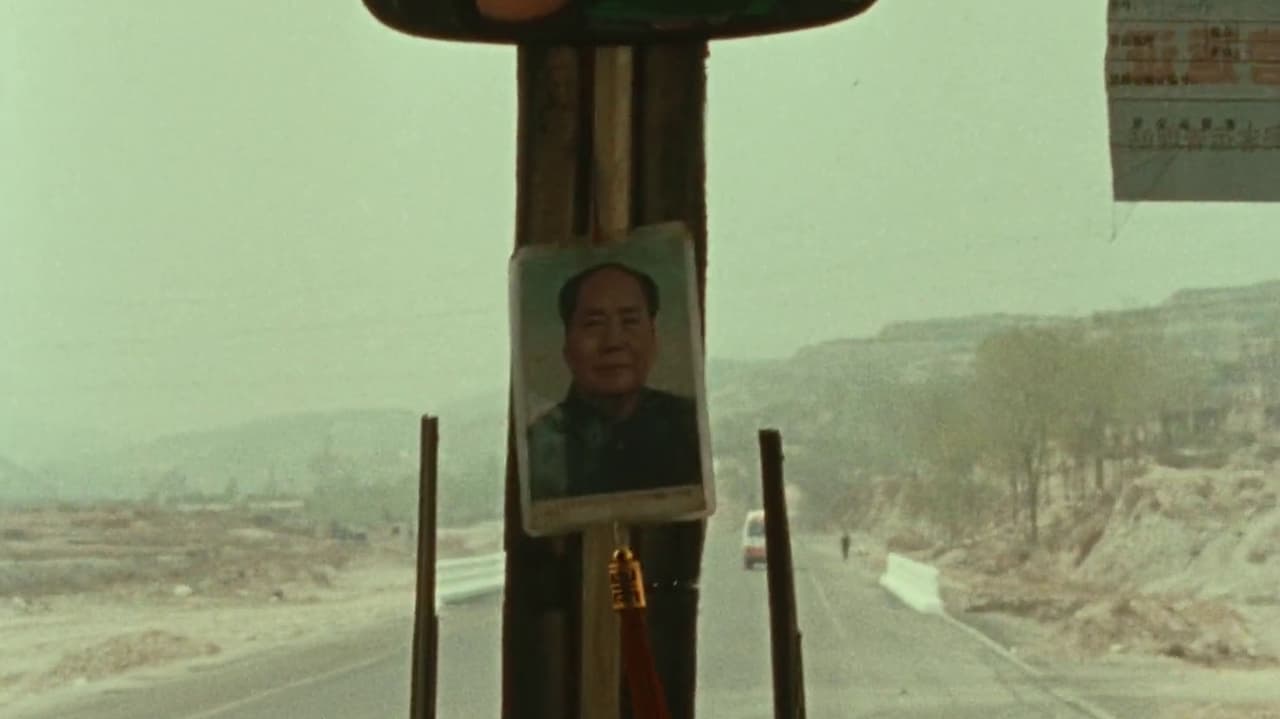
Pickpocket isn't an "easy" watch in the way a comforting 80s blockbuster might be. It doesn’t offer neat resolutions or cathartic payoffs. It presents a stark portrait of marginalization and the human cost of rapid societal transformation. Finding this on VHS felt like uncovering a secret, a powerful piece of cinema smuggled out from a reality far removed from Hollywood escapism. It demanded patience, attention, and maybe left you feeling a little melancholic, a little contemplative about the currents that sweep people along, or leave them stranded.
Rating: 9/10
The near-perfect score reflects the film's raw power, its historical significance as a landmark of independent Chinese cinema, and the haunting authenticity of its performances and direction. While its bleakness and deliberate pacing might not be for everyone expecting typical genre fare, its artistic integrity and unflinching gaze make it a crucial piece of late 90s filmmaking. Pickpocket doesn’t just show you a character; it makes you feel the chill wind of change blowing through his world, leaving you to ponder who gets left behind when the future arrives.