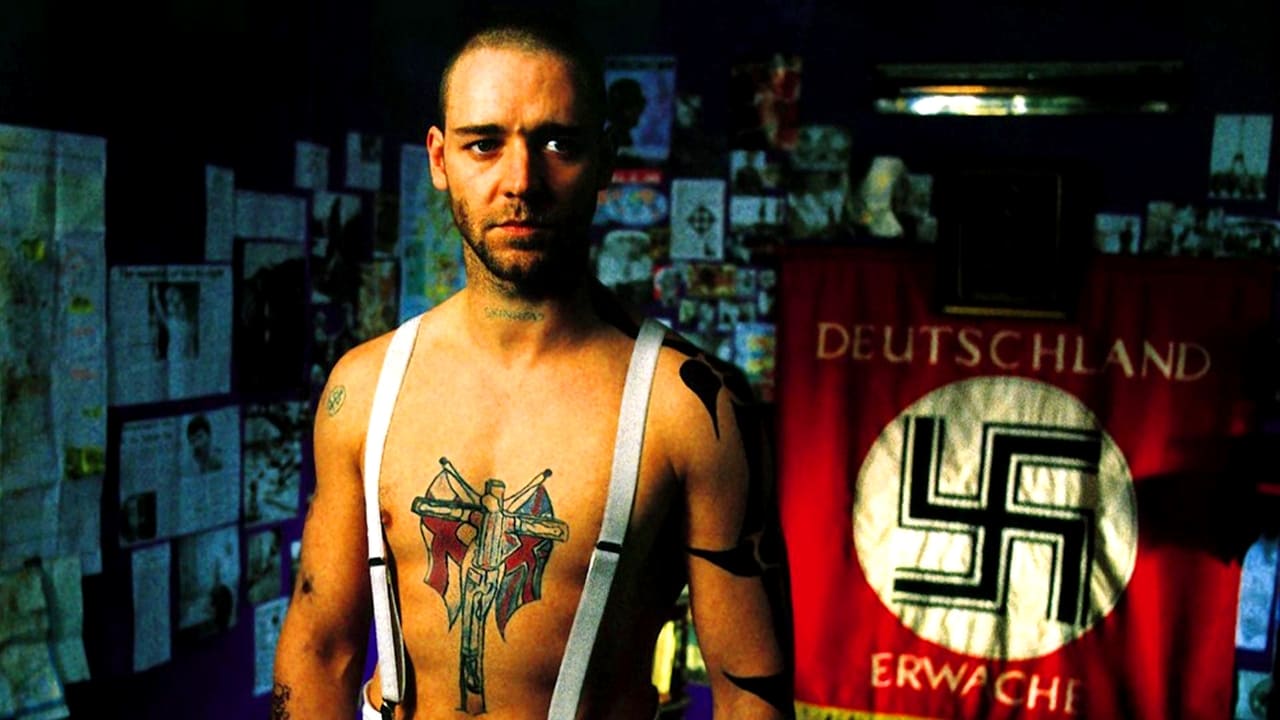
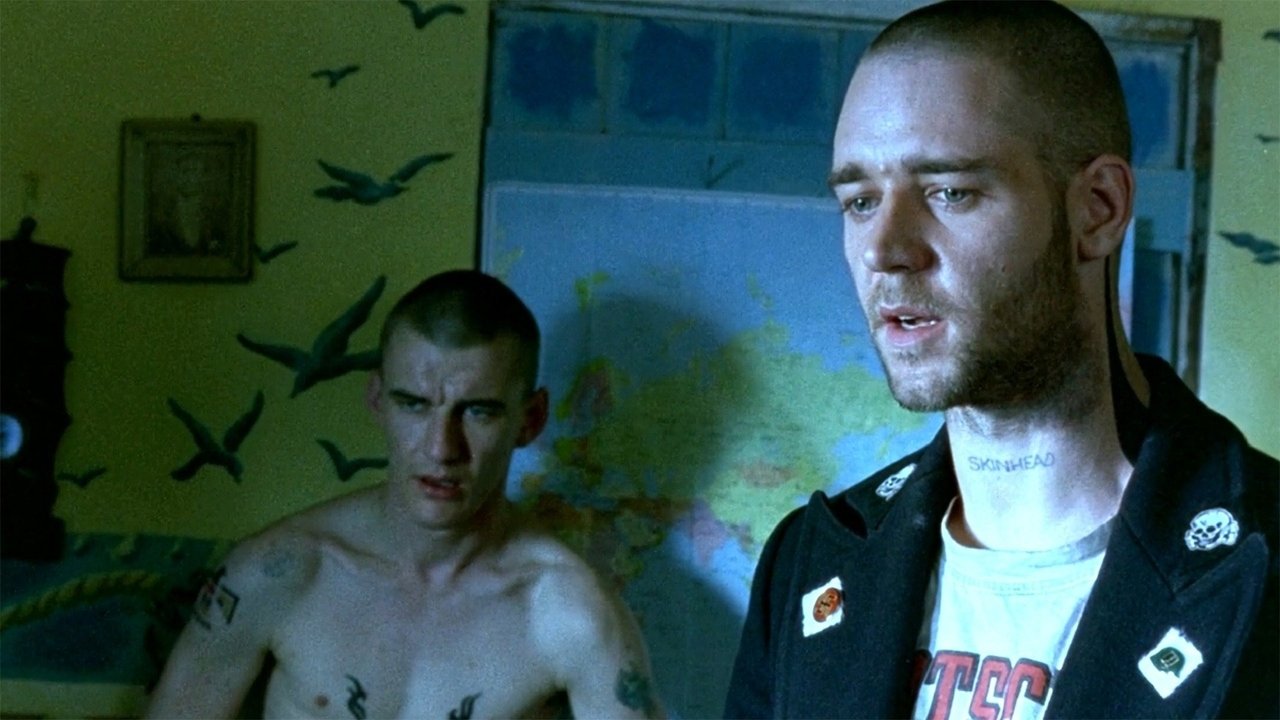
The face is barely contained fury, eyes blazing with a terrifying certainty. Before the Roman epics, before the Nobel laureate mathematician, there was Hando. And in 1992's Romper Stomper, Russell Crowe didn't just announce his arrival on the international scene; he detonated, embodying a raw, nihilistic rage that felt dangerously real pouring out of the TV screen. This wasn't just acting; it was a force of nature captured on grainy videotape, the kind of performance that leaves scorch marks. Watching it again now, decades removed from that first shocking encounter possibly sourced from the 'New Releases' wall of a local video store, the film's power to unsettle hasn't faded one bit.
Concrete Jungle Warfare
Director Geoffrey Wright, who also penned the screenplay, plunges us headfirst into the grimy underbelly of Footscray, Melbourne. We're embedded with a gang of violent neo-Nazi skinheads led by the charismatic but utterly repellent Hando (Crowe) and his volatile second-in-command, Davey (Daniel Pollock). Their world is one of squats, cheap beer, racist screeds, and brutal bashings, primarily targeting the local Vietnamese immigrant community. When the vulnerable, epileptic Gabe (Jacqueline McKenzie) flees her abusive middle-class stepfather and falls in with the gang, she becomes a catalyst, exposing the fissures and fragile loyalties within this pack of societal wolves. The plot isn't complex, but its execution is relentlessly direct, a cinéma vérité nightmare unfolding under bruised Australian skies.
A Directorial Blitzkrieg
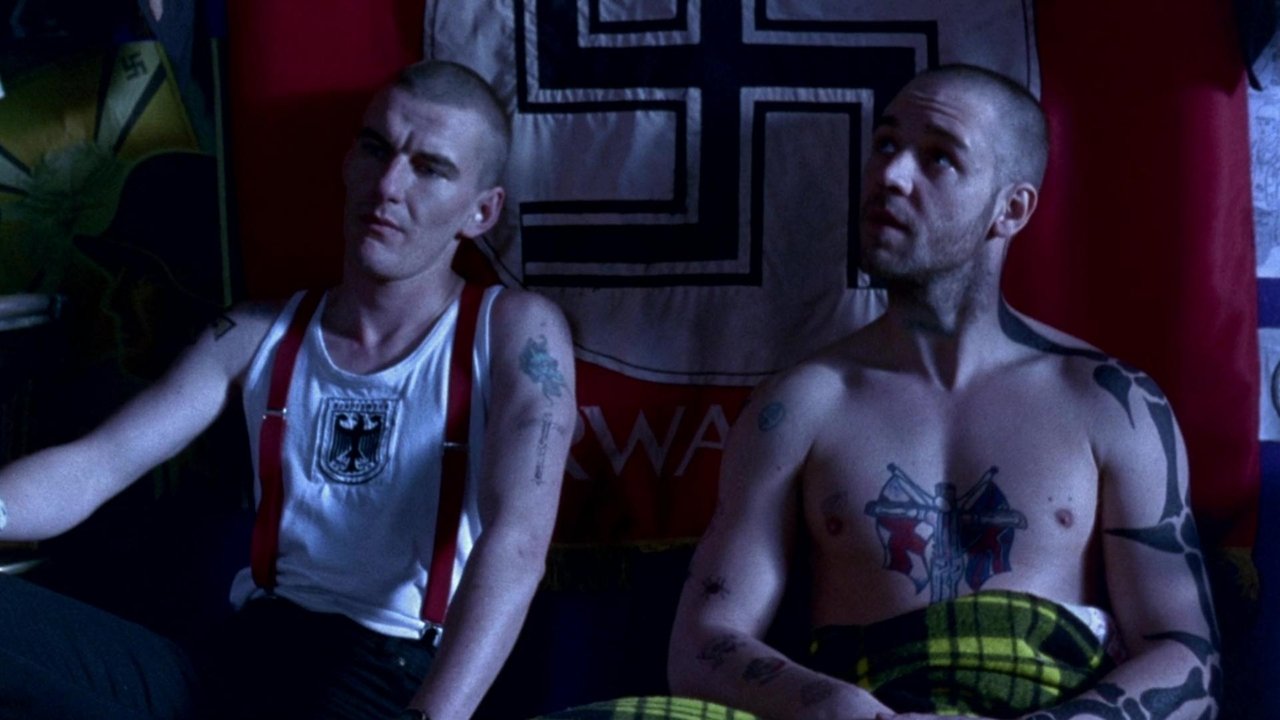
Forget subtlety. Wright employs a style as blunt and brutal as his subjects. Handheld camerawork shoves us into the chaos of street fights and cramped living spaces, making the violence feel immediate and sickeningly intimate. There's no polished Hollywood sheen here; the film looks and feels scraped raw, mirroring the characters' abrasive existence. The punk-infused score thrashes and churns, amplifying the constant state of agitation. This confrontational approach was reportedly born partly of necessity – the film was made on a relatively tight budget (around $1.6 million AUD), forcing a reliance on gritty realism over elaborate setups. It’s a choice that serves the material perfectly, immersing the viewer in an atmosphere thick with menace and decay. You can almost smell the stale beer and simmering hatred.
Faces in the Maelstrom
While Crowe is the undeniable focal point, a magnetic vortex of charisma and coiled violence (rumour has it he maintained his intimidating persona throughout the shoot, unnerving cast and crew alike), the performances around him are equally crucial. Jacqueline McKenzie brings a desperate fragility to Gabe, a damaged soul seeking belonging in the worst possible place. Her vulnerability provides a stark contrast to the gang's hyper-masculine aggression. And then there's Daniel Pollock as Davey. His portrayal of Hando’s conflicted lieutenant is hauntingly effective, hinting at a conscience buried deep beneath the swastika tattoos and Doc Martens. The knowledge of Pollock's tragic suicide before the film's release casts an inescapable shadow over his performance, adding a layer of profound sadness to the character's trajectory. Did that real-world darkness bleed onto the screen? It certainly feels that way.
Echoes of Controversy
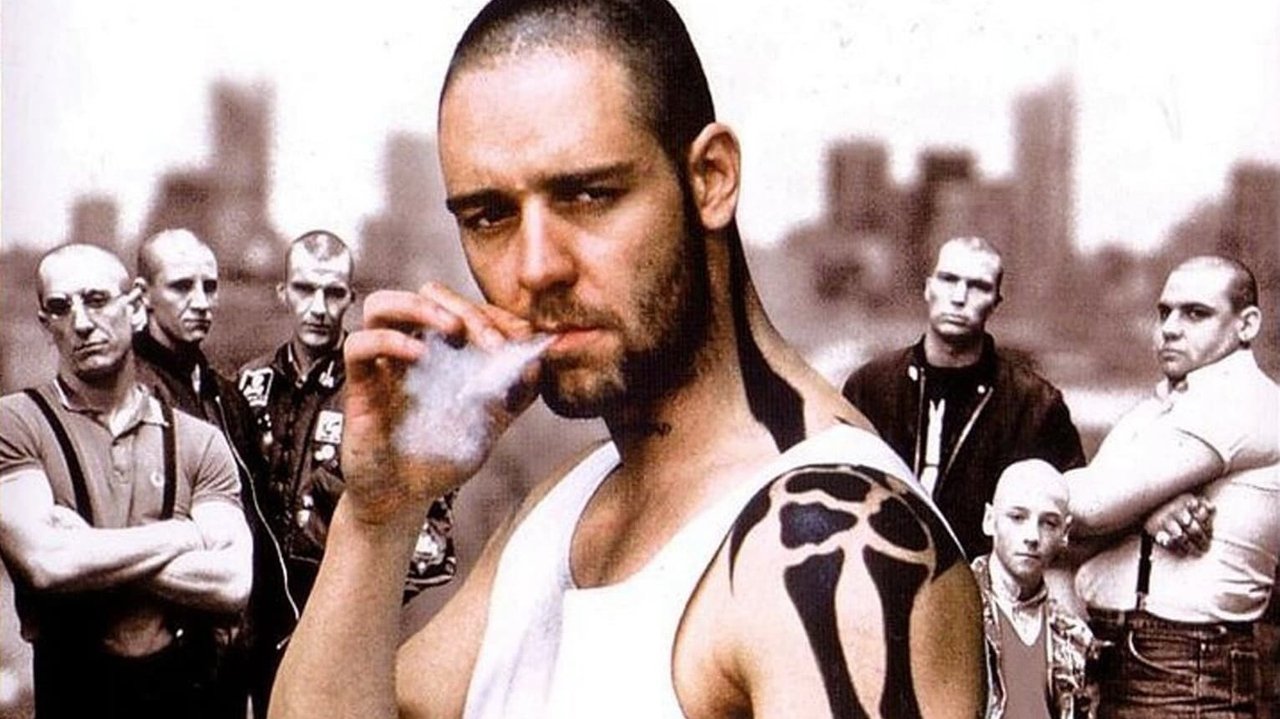
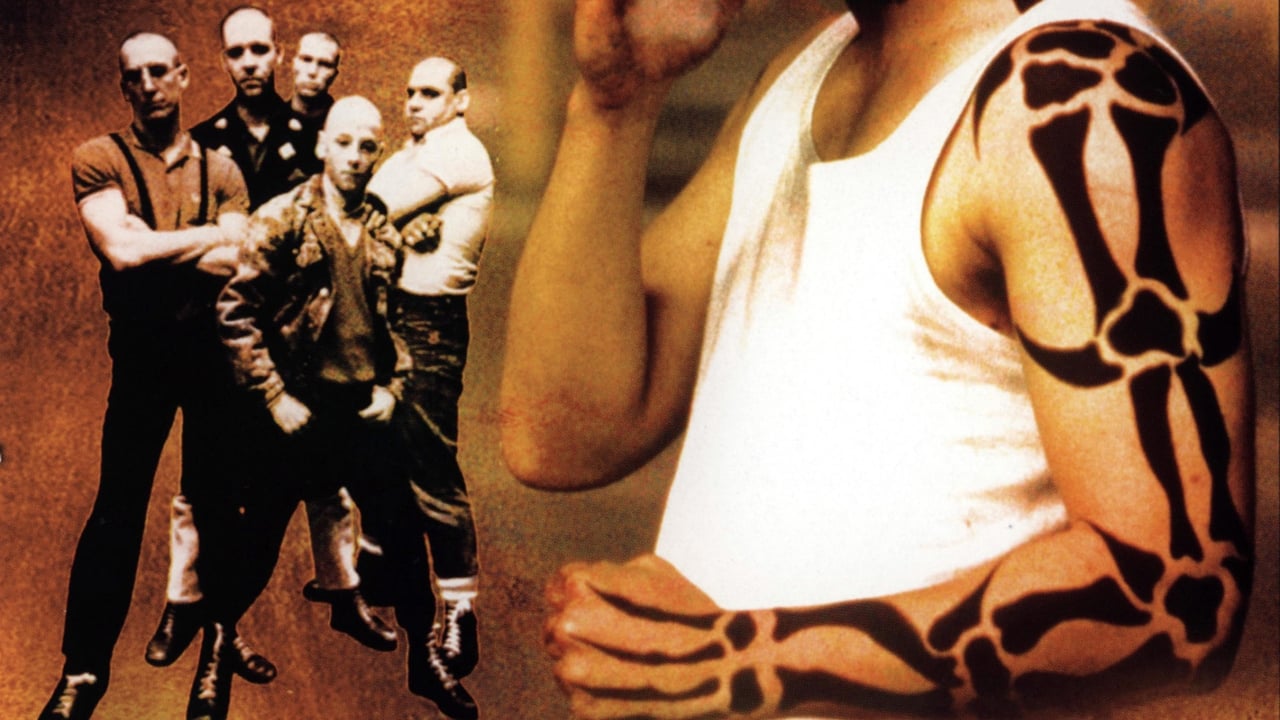
Romper Stomper hit screens like a petrol bomb. Its unflinching depiction of racist violence ignited furious debate. Was it irresponsibly glorifying its subjects, or holding up a mirror to an ugly reality? Critics were sharply divided; Roger Ebert famously refused to assign it a star rating, arguing it presented its hateful ideology without sufficient condemnation. Wright always maintained his intention was depiction, not endorsement – forcing audiences to confront the uncomfortable existence of such extremism. The film faced censorship battles and outright bans in some regions, cementing its reputation as dangerous cinema. Watching it today, the argument continues, but its power undeniably stems from its refusal to offer easy answers or comforting moral frameworks. It simply shows you the abyss.
The Lingering Bruise
More than just a launching pad for Crowe, Romper Stomper remains a landmark of gritty Australian filmmaking. Its influence can be seen in subsequent works tackling social realism with unflinching honesty. While a television sequel series emerged decades later, attempting to revisit these characters and themes, the original film stands alone as a singular, shocking statement. It doesn't ask for empathy for its characters, nor does it particularly condemn them overtly – it presents their world with a terrifying lack of judgment that is, in itself, profoundly disturbing. It’s a film that gets under your skin and stays there, a persistent, low-grade fever dream of urban warfare and ideological poison. Doesn't that final, bleak image still resonate with a chilling finality?
VHS Heaven Rating: 9/10
This score reflects the film’s undeniable technical craft, its ferocious energy, and the unforgettable, star-making performance from Crowe. The direction is visceral and impactful, perfectly capturing the intended raw aesthetic. While the subject matter is deeply uncomfortable and the violence stomach-churning, its power as a piece of confrontational cinema is immense. It loses a point only because its unrelenting bleakness and refusal to offer narrative comfort make it an incredibly difficult, though necessary, watch.
Romper Stomper isn't a film you 'enjoy' in the traditional sense. It's an experience you endure, a cinematic gut punch that leaves you reeling. It’s a brutal, necessary artifact from the fringes of 90s cinema, a reminder that sometimes the most powerful films are the ones that dare to show us the darkness without flinching.