It wasn't greeted with universal acclaim back in '83. Far from it. Brian De Palma's Scarface arrived amidst a storm of controversy, provoking walkouts at its premiere and drawing critical fire for its relentless violence, mountains of profanity, and seemingly amoral protagonist. Yet, fast-forward through the whirring gears of countless VCRs, and the story changes dramatically. This lurid tale of a Cuban refugee's blood-soaked ascent and spectacular fall in the Miami drug trade somehow transformed into a cultural touchstone, an endlessly quoted, visually iconic behemoth whose influence still ripples through film, music, and fashion. What is it about Tony Montana's savage pursuit of the American Dream, twisted into a nightmare of excess, that continues to fascinate and repel in equal measure?
The World, Chico, and Everything In It
From its opening frames, chronicling the Mariel boatlift, Scarface plunges us into a specific time and place: the sun-drenched, neon-lit, powder-fueled Miami of the early 80s. This isn't just a backdrop; it's a character in itself – seductive, dangerous, and operating under its own skewed set of rules. Oliver Stone, channeling his own research into the era's drug trade (and reportedly battling his own cocaine addiction during the writing process), penned a script that, while updating the 1932 Howard Hawks original, felt brutally contemporary. It’s a story dripping with cynicism about the pursuit of wealth and power, where "the world is yours" becomes less an affirmation and more a declaration of impending doom. The dialogue is coarse, often crude, but undeniably memorable, lodging itself in the pop culture lexicon with unforgettable lines that still echo today.
An Opera of Excess
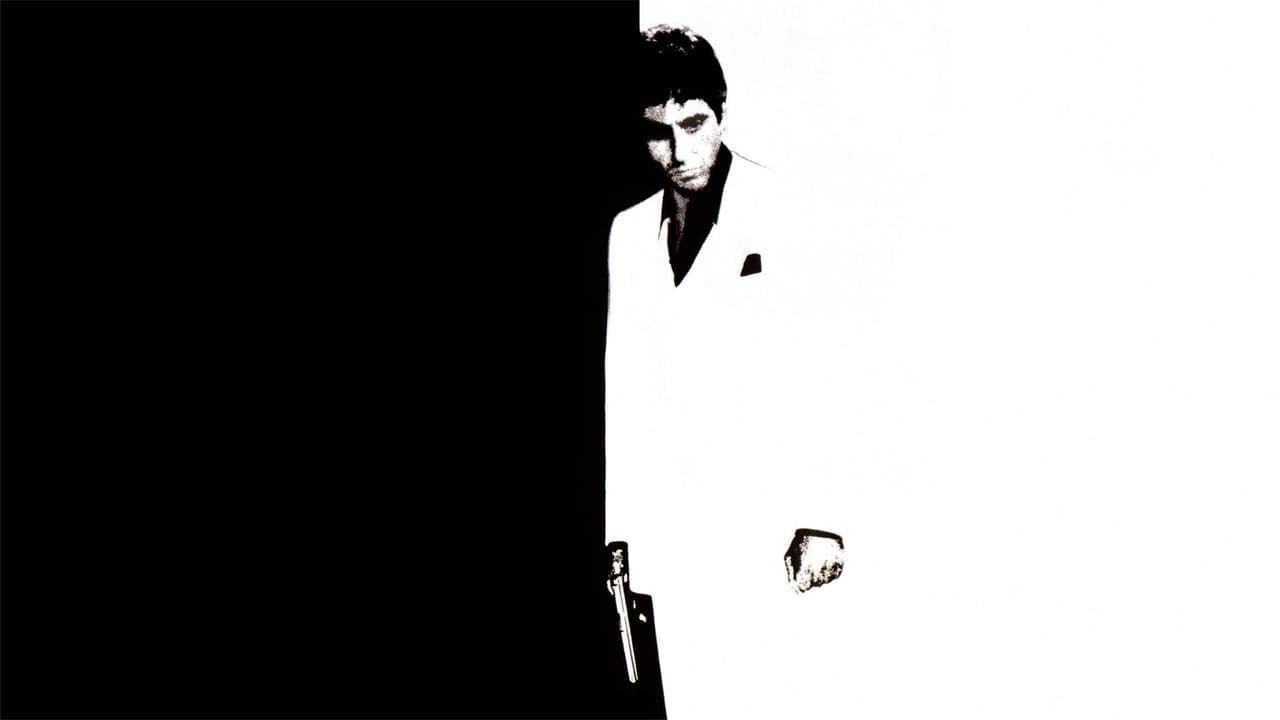
Brian De Palma, never one for subtlety and fresh off stylish thrillers like Dressed to Kill (1980), directs with a flamboyant, almost operatic grandeur. The violence is graphic, stylized, and often shocking – the infamous chainsaw scene, even partially obscured, remains a benchmark in cinematic brutality that certainly caused a stir amongst audiences huddled around their CRT TVs. De Palma’s signature long takes and sweeping camera movements amplify the sense of scale, turning Tony’s journey into a grandiose tragedy. You see the seeds of Stone’s later directorial work like Platoon (1986) in the script's unflinching gaze, but it’s De Palma’s visual flair that burns Scarface into memory. The film reportedly cost around $25 million – a significant sum then (easily over $75 million today) – and while its initial box office take of roughly $66 million worldwide was respectable, its true financial and cultural legacy was built brick by bloody brick in the home video market. It became the tape to rent if you wanted something visceral, something adult, something your parents probably wouldn't approve of.
Say Hello to My Little Friend
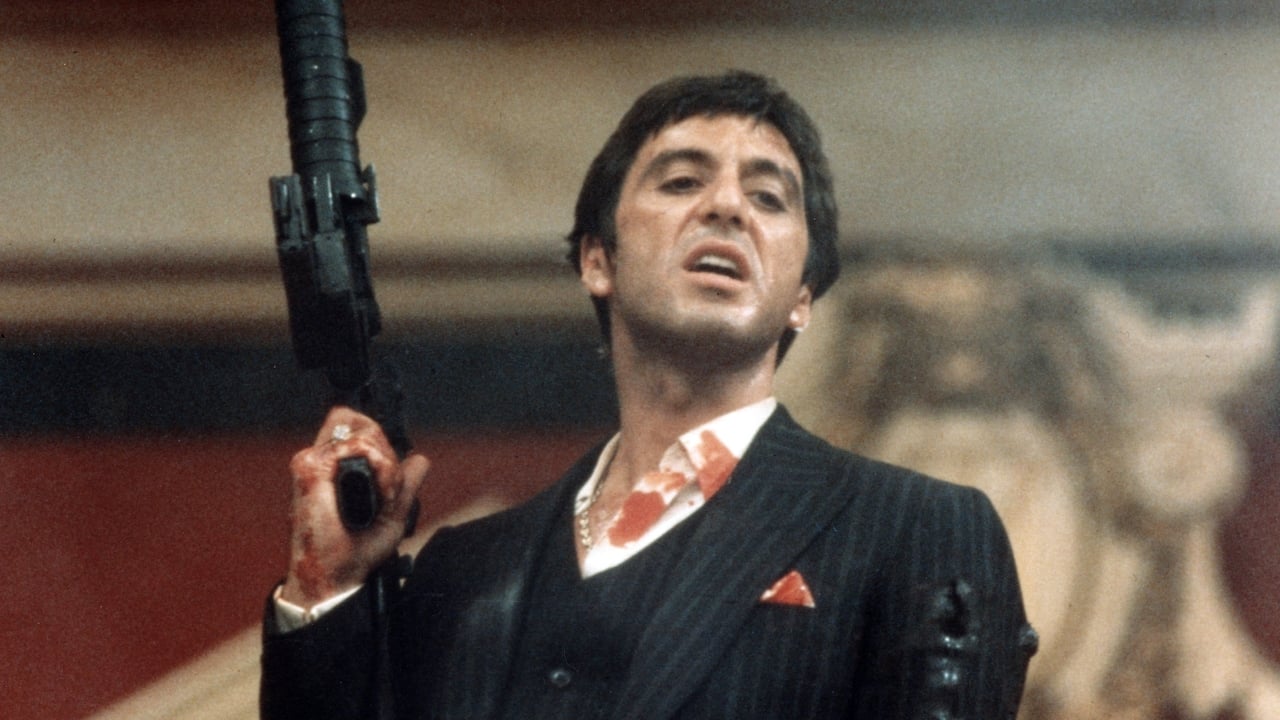
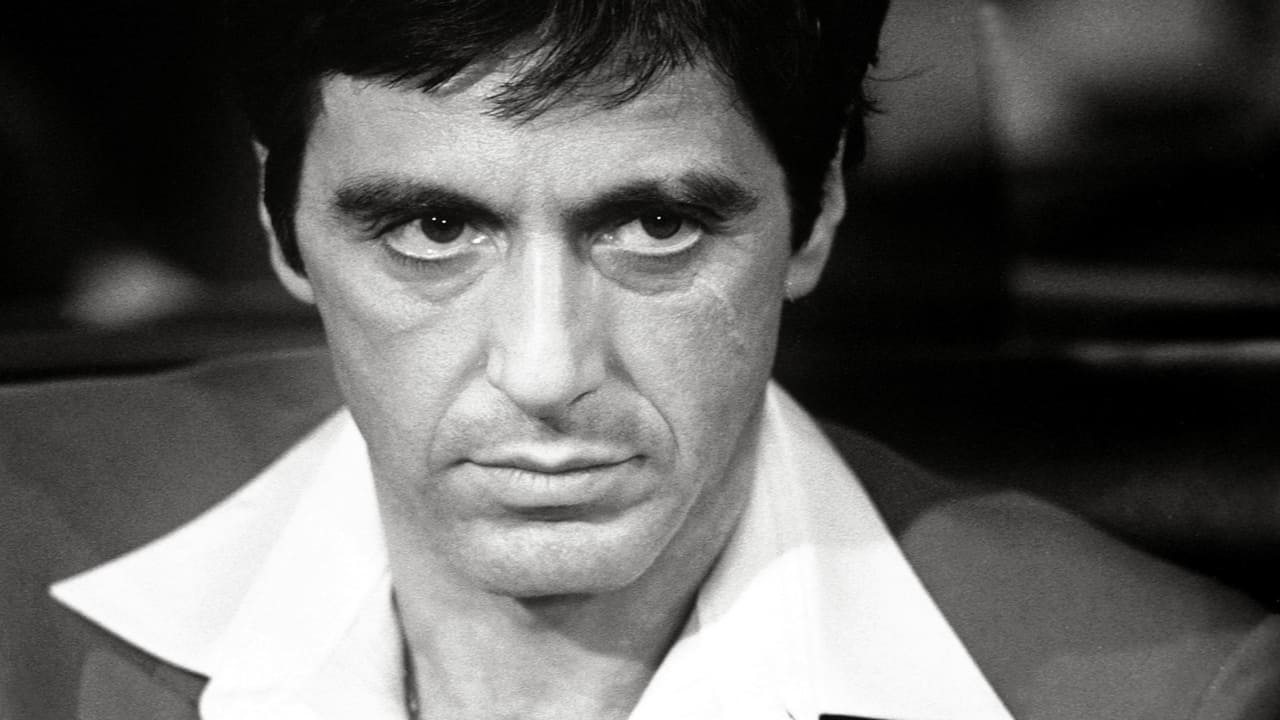
At the heart of this inferno stands Al Pacino's volcanic performance as Tony Montana. It’s a portrayal that defies easy categorization – monstrous yet magnetic, pathetic yet powerful. Forsaking the simmering intensity of his earlier roles like Michael Corleone, Pacino goes big, embracing Tony’s hunger, his paranoia, his guttural accent, and his tragically flawed ambition. It’s a performance some found (and still find) over-the-top, yet it’s impossible to look away. Pacino reportedly immersed himself deeply, even sustaining injuries, like famously burning his hand on the hot barrel of his "little friend" during the film's explosive climax. He doesn't just play Tony; he becomes this force of nature, charting a course from dishwasher to drug lord with terrifying conviction. Does his journey offer any redemption? The film leaves that starkly, chillingly open.

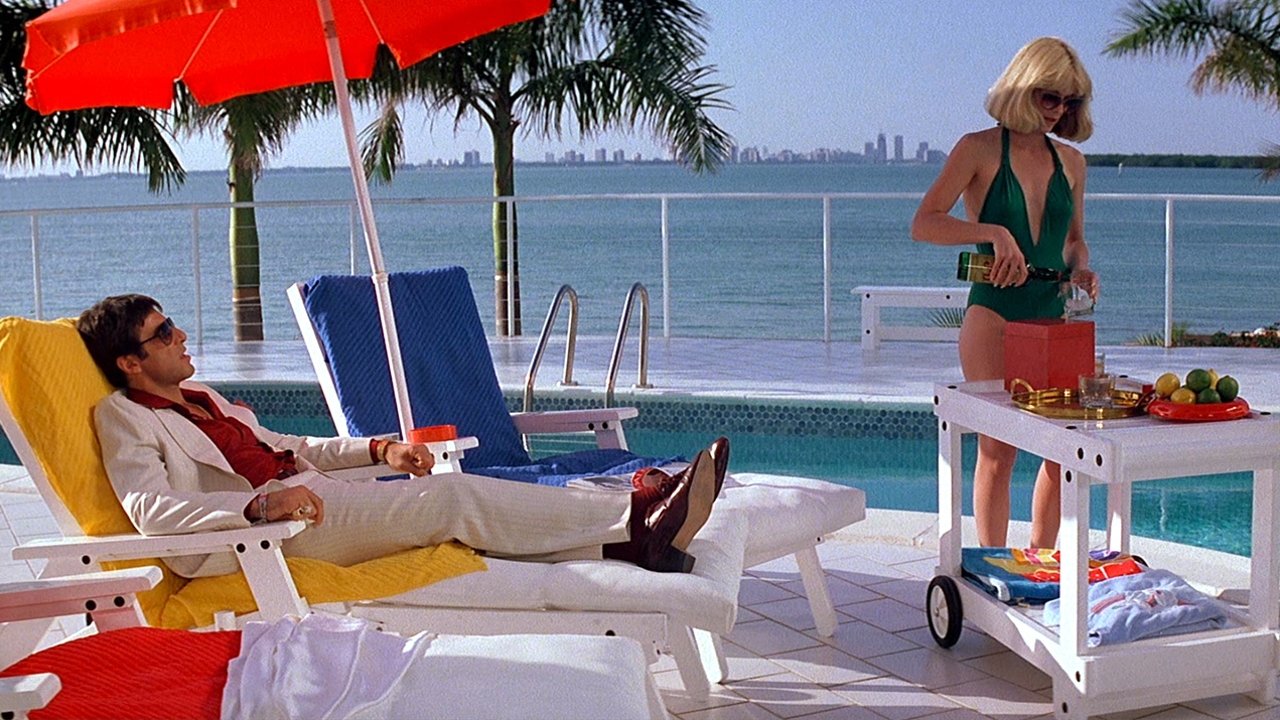
Supporting players orbit Tony's destructive star. A young Michelle Pfeiffer, in a star-making turn despite reportedly enduring a difficult shoot, embodies the cool, detached Elvira, herself consumed by the emptiness of the lifestyle Tony provides. Steven Bauer, as Tony's loyal friend Manny, offers a counterpoint, a glimpse of the humanity Tony increasingly sheds, making his eventual fate all the more tragic.
More Than Just Blood and Neon
Beyond the spectacle, Scarface works as a dark, cautionary fable. It dissects the allure and the ultimate hollowness of unchecked capitalism and greed. Tony wants it all – the money, the power, the woman – believing they equate to respect. But he achieves it through violence and betrayal, building an empire on foundations as unstable as his own psyche. The film’s visual language reinforces this: the opulent, almost garish production design of Tony’s mansion becomes a gilded cage, symbolizing his isolation as paranoia consumes him. Giorgio Moroder’s pulsating synth score, so intrinsically 80s, further underscores the film's artificial, adrenaline-fueled world. It’s a world built on illusion, destined to collapse. I still recall the weight of the double-VHS rental box, the lurid cover art promising something extreme – and De Palma delivered, pushing boundaries in a way few mainstream films dared.
Its initial mixed reception (criticized for violence, yet defended by figures like Roger Ebert for its artistry) only fueled its mystique on video store shelves. This wasn't just a movie; it felt like an event, a raw, uncensored look at the dark side of ambition. Its influence, particularly on hip-hop culture where Tony Montana became an anti-hero icon, is undeniable and perhaps unforeseen by its creators.
---
Rating: 9/10
Scarface is an exhausting, exhilarating, and often uncomfortable watch. Its excesses mirror those of its protagonist, and its violence remains potent. However, Al Pacino's monumental performance, Brian De Palma's masterful, operatic direction, Oliver Stone's sharp script, and its sheer, unapologetic audacity make it a towering achievement in gangster cinema. It’s a film that doesn't ask for your sympathy, only your attention, holding up a cracked mirror to the destructive potential of the American Dream. Its journey from controversial release to VHS phenomenon and enduring cultural artifact is a testament to its raw, undeniable power.