There are some films that don't just flicker on the screen; they seep under your skin, leaving a metallic taste in the mouth and a strange hum in the bones long after the VCR clicks off. David Cronenberg's Crash (1996) is precisely that kind of film – a cold, clinical, yet utterly hypnotic exploration of flesh, steel, and the unsettling eroticism found in their violent collision. Forget jump scares; this is a film that generates a profound, lingering unease, burrowing into the psyche with the precision of a surgeon's scalpel.
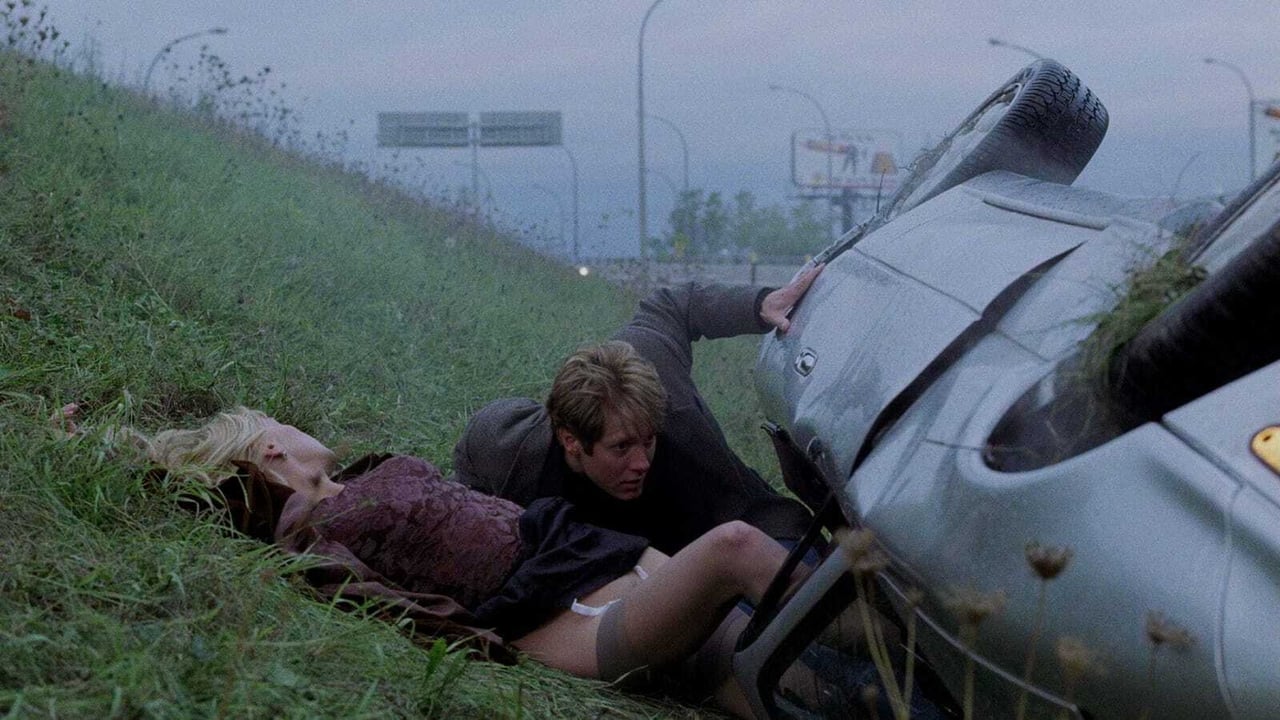
Adapting J.G. Ballard's notoriously "unfilmable" 1973 novel was a challenge only a filmmaker like Cronenberg, already known for pushing boundaries with body horror classics like Videodrome and The Fly, could truly embrace. The result wasn't just controversial; it was incendiary. Remember the furor? The NC-17 rating, the delayed US release thanks to opposition from figures like Ted Turner? Finding this tape on the rental shelf felt like discovering contraband, something dangerous and adult in a way few mainstream films dared to be.
The Seduction of Destruction
The premise is stark and provocative: after surviving a brutal head-on car collision that kills the other driver, television producer James Ballard (James Spader, perfectly cast with his detached, voyeuristic intensity) finds himself drawn into a hidden subculture. Led by the magnetic and deeply scarred Vaughan (Elias Koteas, radiating charisma and menace), this group seeks sexual arousal from staging and participating in car crashes. They are obsessed with the "mysterious sexuality of the collision," fetishizing the twisted metal, the mangled bodies, the scars that become erotic landscapes. Ballard and his increasingly complicit wife, Catherine (Deborah Kara Unger), spiral deeper into this world, alongside crash survivor Dr. Helen Remington (Holly Hunter), exploring the limits of desire where technology and trauma meet.

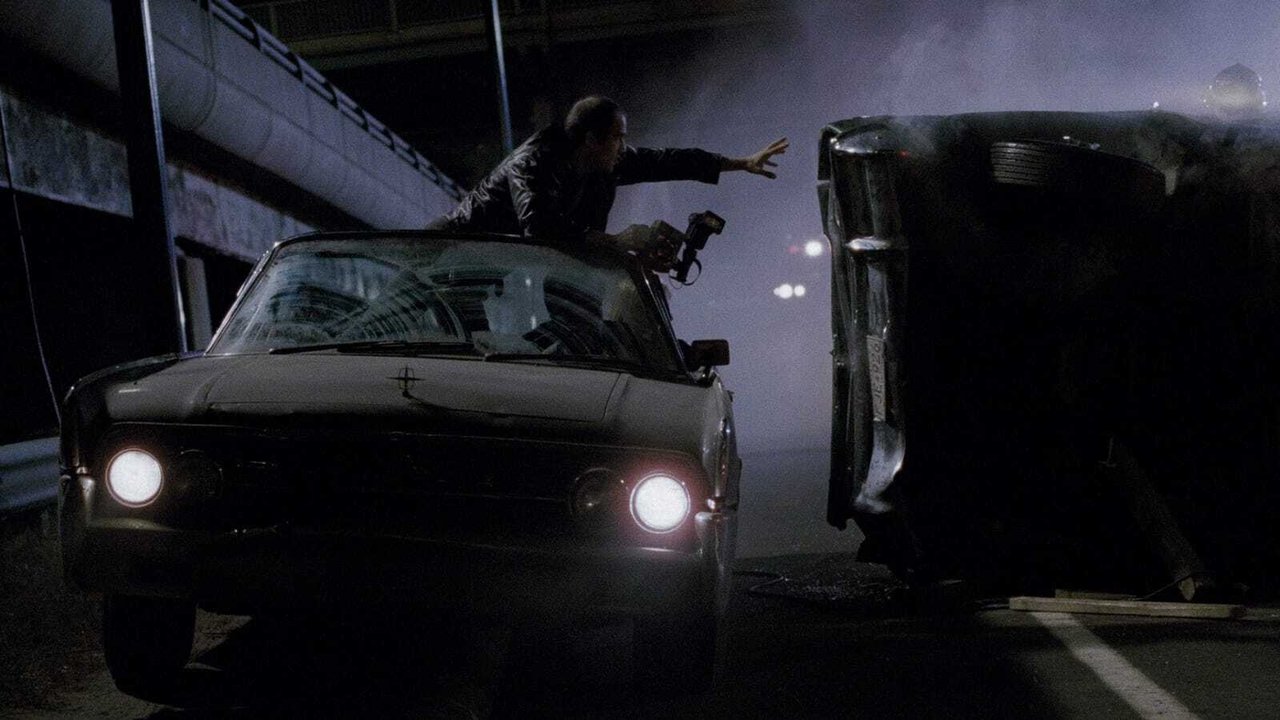
Cronenberg's genius here lies in his absolute refusal to sensationalize or moralize. The film unfolds with a detached, almost documentary-like coolness. The sex scenes are graphic but unerotic in a conventional sense; they are explorations of sensation, connection forged through shared trauma and the bizarre transcendence found in the moment of impact. The crashes themselves, achieved through meticulous practical stunt work that feels terrifyingly real, are presented not as action set pieces, but as catalysts for perverse intimacy. It's a testament to the stunt coordinators and drivers who executed these sequences with such brutal precision, making the fusion of danger and desire palpable.
Beneath the Twisted Metal
It’s easy to dismiss Crash as mere shock value, but that misses the chilling intelligence at its core. Cronenberg uses the car crash – that defining technological event of the 20th century – as a metaphor for the ways technology reshapes human desire, intimacy, and even our very bodies. The sterile, modernist architecture of Toronto, where the film was shot, serves as a perfect backdrop, emphasizing the coldness and alienation from which these characters seek escape through extreme sensation. Howard Shore's score, a blend of atmospheric synths and dissonant guitars, perfectly complements this chilly aesthetic, creating a soundscape that feels both industrial and strangely seductive.
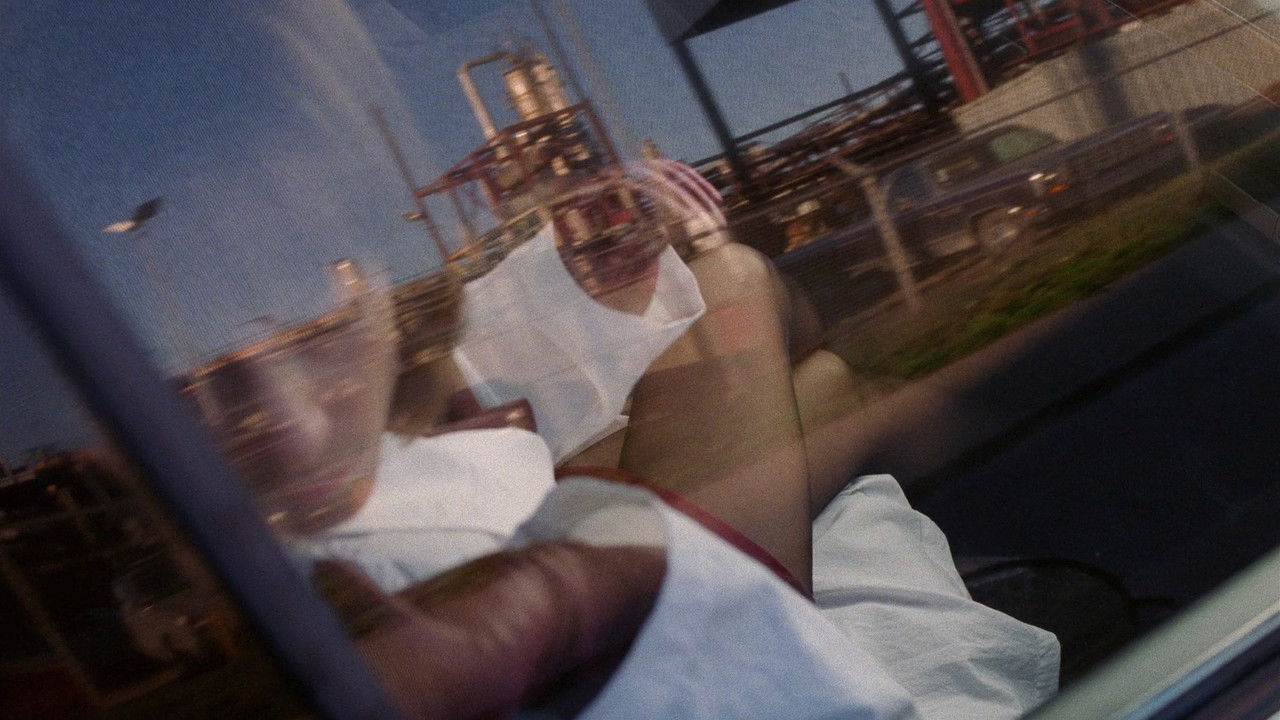
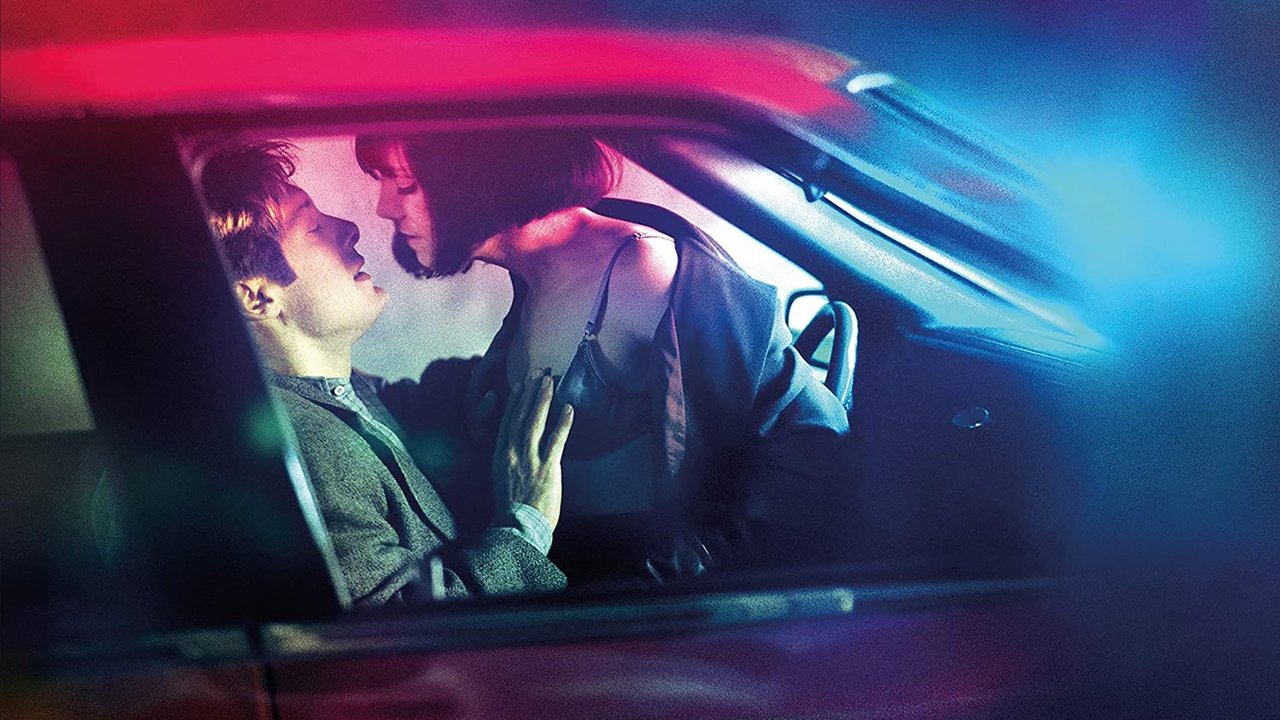
The production wasn't without its own kind of intensity. Spader reportedly found the filming process profoundly disturbing, immersing himself in the character's disturbing journey. The film's reception at the 1996 Cannes Film Festival perfectly encapsulated its divisive nature: it was awarded a Special Jury Prize specifically for its "originality, daring and audacity," even as reports surfaced of walkouts and audible disgust from some audience members. Francis Ford Coppola, the jury president, famously noted the deep split among the jurors, highlighting the film's power to provoke extreme reactions.
An Unflinching Vision
Crash is not an easy film. It offers no comfortable answers, no redemption arcs in the traditional sense. Its power lies in its unflinching gaze into a specific, unsettling corner of the human condition, exploring how trauma can rewire desire in inexplicable ways. Does the transformation of scar tissue into an object of erotic fascination still feel profoundly unnerving? Absolutely. The practical effects, particularly the prosthetic wounds and modifications the characters display, retain a visceral, unsettling quality that CGI rarely achieves. They feel disturbingly real, adding another layer to the film's uncomfortable intimacy.
This isn't a film you "enjoy" in the typical sense, but one you experience, absorb, and grapple with. It challenges perceptions of sexuality, technology, and the very nature of physical sensation. For those of us who encountered it on VHS, perhaps late at night, it felt like a transmission from a different, more dangerous frequency of cinema.
VHS Heaven Rating: 9/10
Justification: Crash earns a high score for its audacious, singular vision, David Cronenberg's masterful control of tone and atmosphere, and its unflinching exploration of challenging themes. The performances, particularly from Spader, Koteas, and Hunter, are perfectly calibrated to the film's icy detachment. Its technical craft, from the chilling score to the impactful practical crash effects, is impeccable. While its controversial subject matter and clinical approach make it deliberately alienating for some viewers (hence not a perfect 10), its power as a provocative piece of art cinema is undeniable and its boundary-pushing cemented its cult status.
Final Thought: Crash remains a potent and deeply unsettling artifact of 90s confrontational cinema, a film that uses the familiar landscape of the automobile to navigate the terrifyingly unfamiliar territory of technologized desire and the strange beauty found in destruction. It’s a film that stays with you, a cold, metallic whisper in the back of your mind.