The signal pulses. Weak at first, then stronger, hypnotic. It promises something illicit, something beyond the pale, broadcast from a place with no name. This isn't just television; it's a transmission aimed directly at the darkest corners of the psyche, and it’s the siren call at the heart of David Cronenberg’s 1983 masterpiece of media-induced madness, Videodrome. Watching it back in the day, hunched in front of a flickering CRT, felt less like watching a movie and more like tuning into a forbidden frequency, something primal and dangerous bleeding through the static.

Welcome to CIVIC-TV
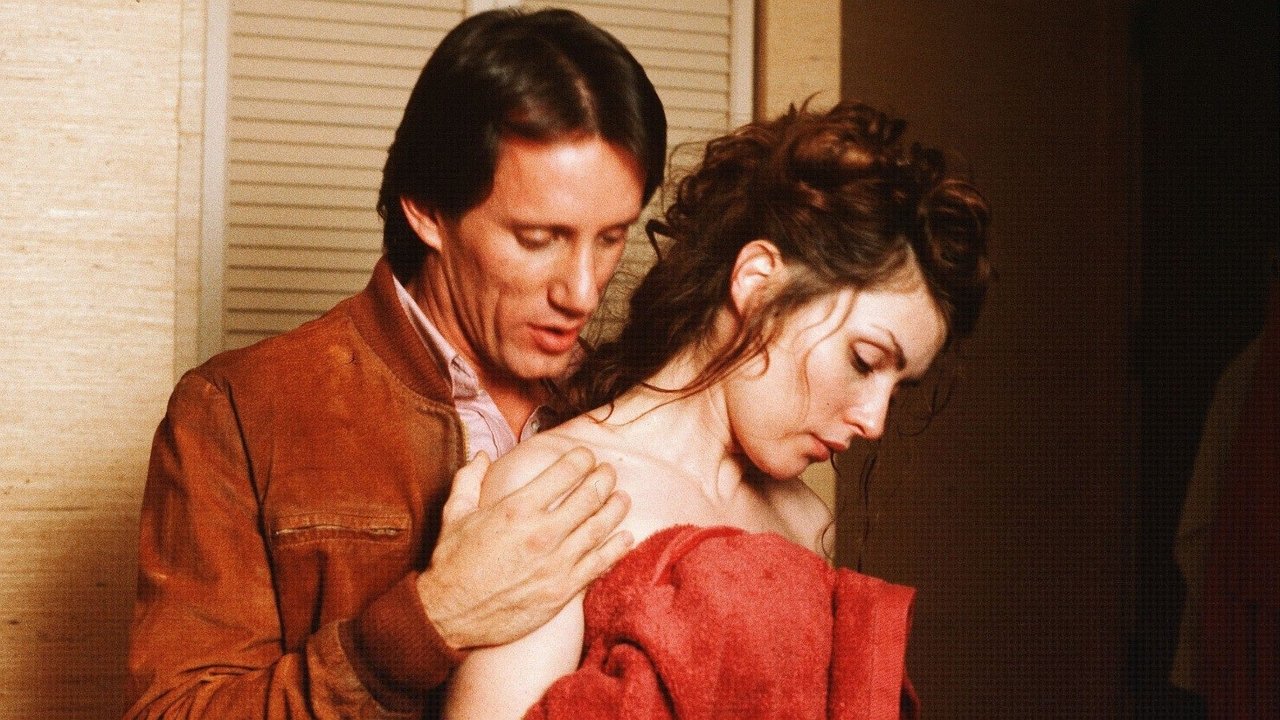
We’re thrown into the grimy world of Max Renn, played with a perfectly calibrated mix of sleaze and desperation by James Woods. Max runs CIVIC-TV, Channel 83, a UHF station specializing in softcore porn and sensationalist programming. He’s always looking for the next big, nasty thing to hook viewers. When his tech guy pirates a snatch of "Videodrome" – seemingly plotless sequences of torture and murder broadcast from Malaysia – Max is instantly captivated. It feels real. Too real. This search for the signal's origin plunges him into a conspiracy involving hallucinogenic broadcasts, corporate warfare, prophetic media theorists, and the enigmatic radio host Nicki Brand, brought to life with unsettling allure by Blondie's Debbie Harry. Her casting, suggested by the producers, was a stroke of genius; she embodies the dangerous glamour Max finds irresistible.
The New Flesh is Born
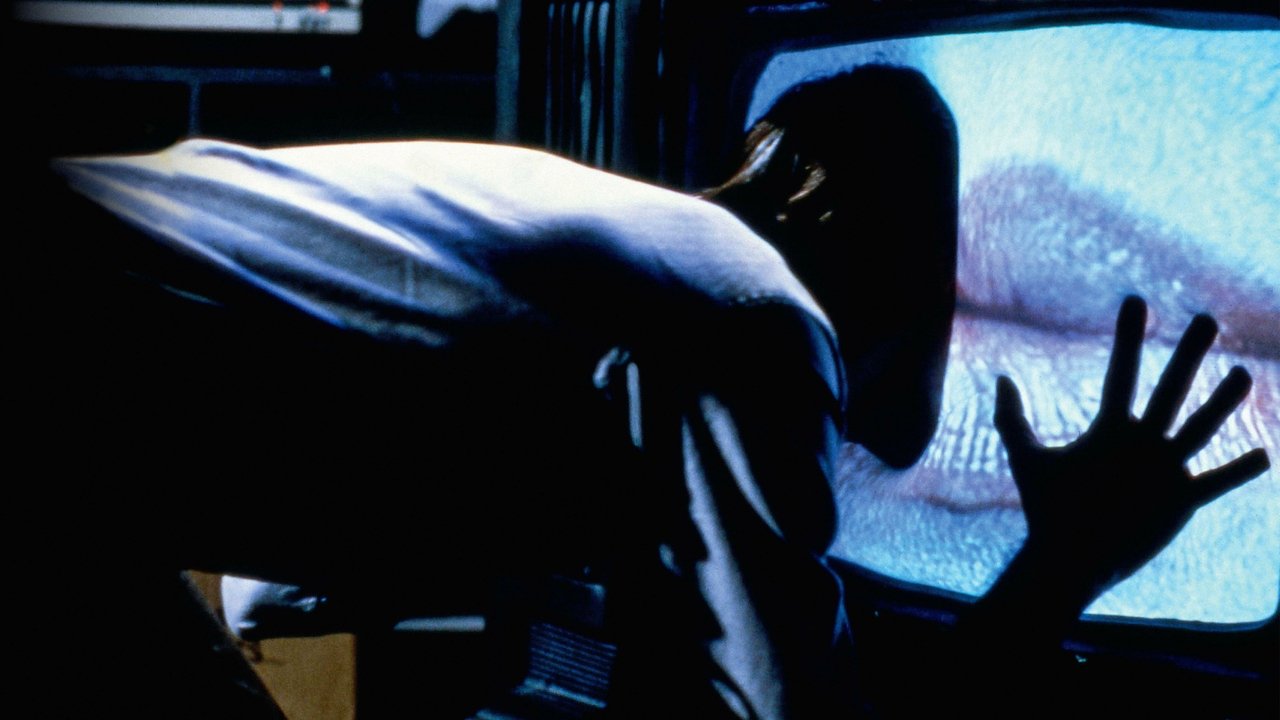
What makes Videodrome burrow under your skin isn't just the snuff-film premise, but Cronenberg's unflinching exploration of how media penetrates, alters, and ultimately becomes us. This is the birthplace of "body horror" as we know it, where the psychological unraveling manifests physically. The film's practical effects, masterminded by the legendary Rick Baker (who gave us the transformations in An American Werewolf in London), remain stomach-churningly effective. Forget CGI; the visceral, tangible quality of these effects is key to their horror. The breathing, pulsating television set that seems to seduce Max; the vaginal slit that opens in his stomach, hungry for specially designed videotapes; the infamous flesh-gun mutation... Baker and Cronenberg reportedly pushed each other, aiming for effects that felt biological, integrated, truly new flesh. It's said Baker initially found some concepts almost too repulsive, a testament to the boundaries being shattered. These weren't just shocks; they were metaphors made disturbingly literal.
Tuning Into the Tumor
Cronenberg, who also penned the script with unnerving speed, wasn't just making a horror film; he was wrestling with the ideas of Marshall McLuhan ("the medium is the message") and channeling anxieties about the seductive power of television long before the internet existed. The film suggests the Videodrome signal causes a brain tumor, which then triggers hallucinations... or perhaps, the tumor is the next stage of human evolution, induced by media saturation. The lines blur constantly. Is Max losing his mind, or is he perceiving a deeper, terrifying reality? The film's chilly, almost clinical atmosphere, amplified by Howard Shore's unsettling electronic score, mirrors Max's own detachment before his world starts physically warping around him. Shot primarily in Cronenberg's native Toronto, the locations feel anonymous yet strangely threatening, amplifying the sense of urban decay and technological dread.


Behind the Static
Videodrome was not an easy film to make or release. Universal Pictures, the studio backing it, was reportedly nervous about its graphic content and philosophical density. Made for around $5.9 million (roughly $18 million today), it famously tanked at the box office, pulling in just over $2.1 million. Critics at the time were often baffled or repulsed. It took time, and the rise of home video, for Videodrome to find its audience and achieve its now-undisputed cult classic status. Battles with the MPAA led to cuts for the R-rating, excising some of the more extreme gore and sexual content; finding an uncut version back on VHS felt like uncovering another layer of forbidden transmission. James Woods himself has spoken about the demanding nature of the role and the disturbing places Cronenberg’s script took him, yet his commitment anchors the film's hallucinatory journey. There were even talks of a potentially darker, bleaker original ending that Cronenberg ultimately softened slightly – though "softened" feels like a strange word for Videodrome's finale.
Enduring Transmission
Decades later, Videodrome feels less like a relic of the VHS era and more like prophecy. Its anxieties about media manipulation, reality distortion, the merging of human flesh with technology, and the dark allure of extreme content resonate with frightening clarity in our hyper-connected digital age. It asks questions about viewership, complicity, and the physiological effects of the images we consume that are perhaps even more urgent now. Does that scene with the pulsating television still feel unnervingly intimate?
Videodrome isn't an easy watch. It's dense, disturbing, and designed to provoke. But it's also brilliant, audacious filmmaking from a true visionary operating at the peak of his powers. It’s a film that gets into your head – and maybe, just maybe, into your flesh.
Rating: 9/10
Justification: A near-perfect execution of a singular, terrifying vision. Its philosophical depth, groundbreaking practical effects, committed performances (especially Woods), and chilling atmosphere make it a landmark of 80s horror and sci-fi. While its challenging nature and initial commercial failure might suggest flaws to some, its artistic integrity and lasting cultural impact are undeniable. It loses a single point only because its intensity can be alienating for some viewers unprepared for its unique brand of body horror.