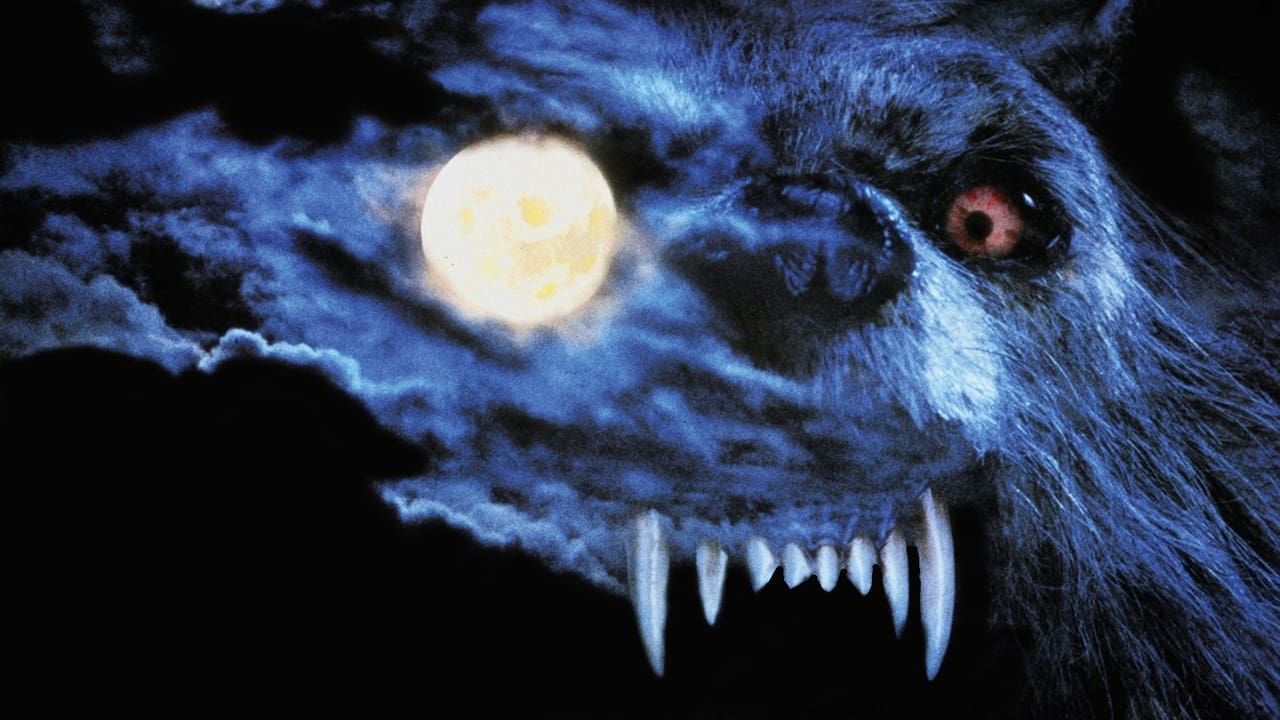
"He's not sick... he's possessed." The line isn't delivered by a seasoned exorcist or a wild-eyed prophet. It’s the desperate, internal understanding of a German Shepherd named Thor, the silent guardian watching a familiar face twist into something monstrous under the cold Montana moonlight. That central, primal conflict – the loyal family dog being the only one sharp enough to recognize the beast hiding behind his master's brother's eyes – gives 1996's Bad Moon a peculiar, unsettling bite that sinks deeper than you might expect. Forget the complex lycanthropic lore; this is horror stripped down to instinct: protect the pack.
Shadow Over the Forest
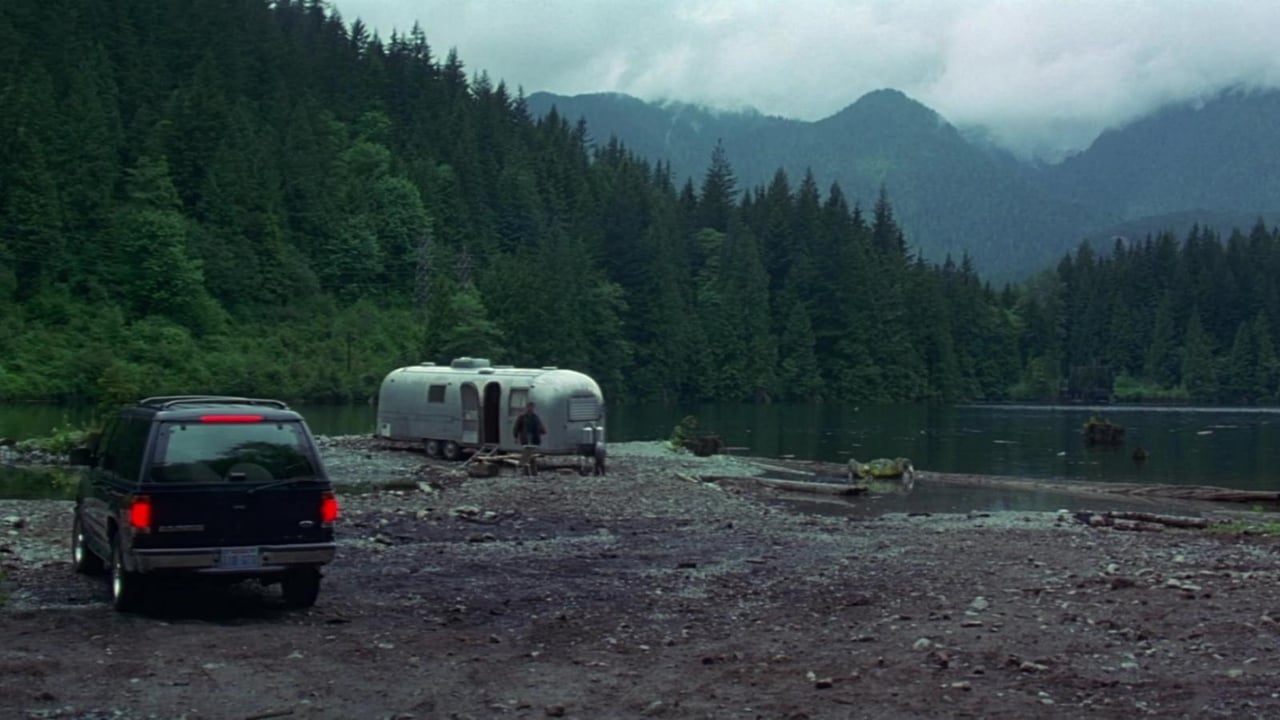
Writer-director Eric Red, already scarred into our collective cinematic psyche with his brutal scripts for The Hitcher and Near Dark, brings a certain grim sensibility to this adaptation of Wayne Smith's novel, Thor. While the film wisely ditches the book's full commitment to the canine point-of-view (a tricky feat for cinema, to say the least), that protective, animalistic awareness still permeates the atmosphere. Attorney Janet Harrison (Mariel Hemingway) invites her photojournalist brother, Ted (Michael Paré), to stay at her secluded woodland home after he survives a horrific expedition in Nepal that claimed his girlfriend. She hopes the peaceful surroundings, alongside her son Brett (Mason Gamble) and their devoted dog Thor, will help him heal. But Ted arrives bearing more than just emotional scars; he carries a lunar curse, and Thor smells it immediately. The woods, once a sanctuary, become a hunting ground.
The Silent Witness
Much of the film's tension hinges on the remarkable performance of the canine actor, Primo, playing Thor. It’s easy to dismiss animal actors, but Thor isn't just set dressing; he's arguably the protagonist. His growing suspicion, his low growls at Ted's approach, the protective stances he takes near Brett – it all feels startlingly authentic. Red uses close-ups on Thor's intelligent eyes, letting us see the dawning horror and unwavering resolve. There's a genuine sense of menace in the standoffs between dog and cursed man, a silent battle of wills playing out before the humans fully grasp the danger. Reportedly, working with Primo required immense patience, using specific cues and multiple takes to capture those moments where the dog seems to genuinely react to Paré's increasingly feral presence. The effectiveness of these scenes is a testament to both the animal's training and Red's direction in framing these encounters. Doesn't that human-animal dynamic, where the pet understands more than the people, still feel uniquely chilling?
A Brother's Curse
Michael Paré, often found navigating the gritty landscapes of action B-movies, delivers a surprisingly layered performance as Ted. He conveys the torment of the man fighting the beast within, the flashes of guilt and fear warring with the predatory urges. There's a physicality to his portrayal – the nervous energy, the forced smiles that don't quite reach his haunted eyes. He’s not just a monster; he’s a man losing a horrific internal war. One story goes that Paré fully committed to the isolation Ted felt, keeping somewhat separate from the cast during certain periods to maintain that sense of alienation. Opposite him, Mariel Hemingway brings a grounded warmth as Janet, her eventual terror feeling earned as the evidence mounts against her beloved brother. Mason Gamble, fresh off Dennis the Menace, provides the innocent vulnerability that raises the stakes – the unsuspecting child caught between his loving uncle and the creature he becomes.
Unleashing the Beast
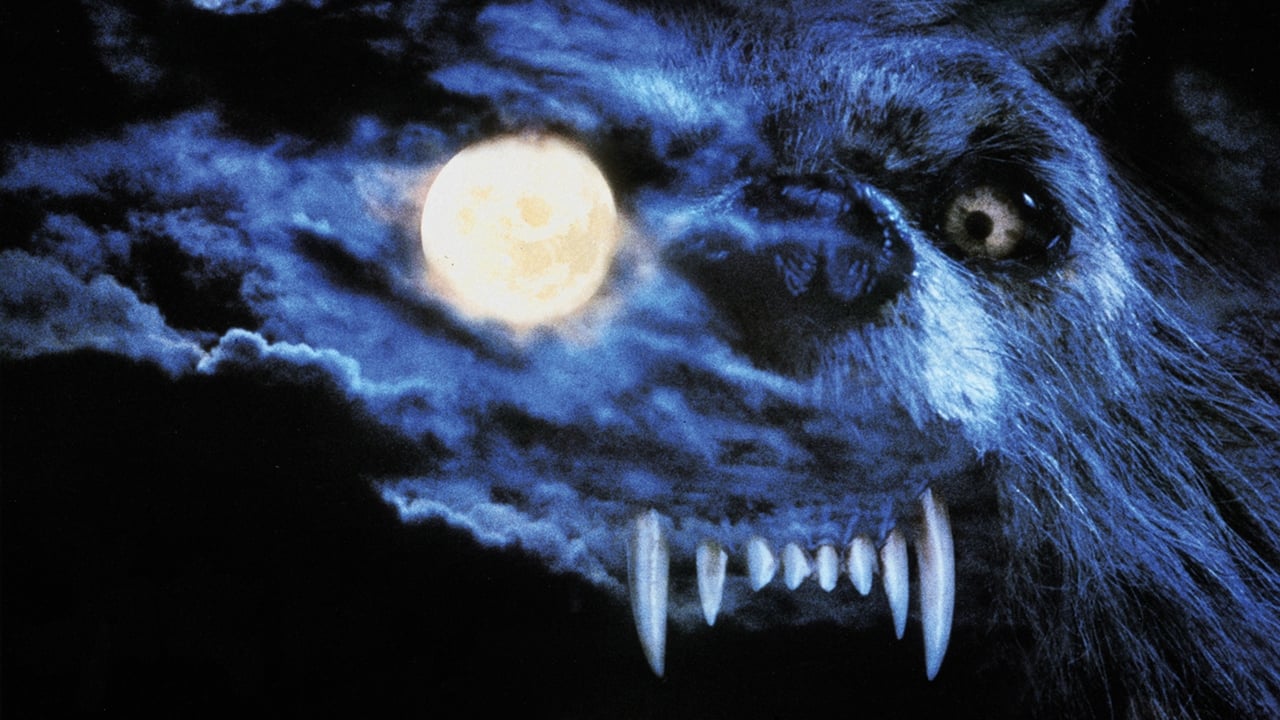
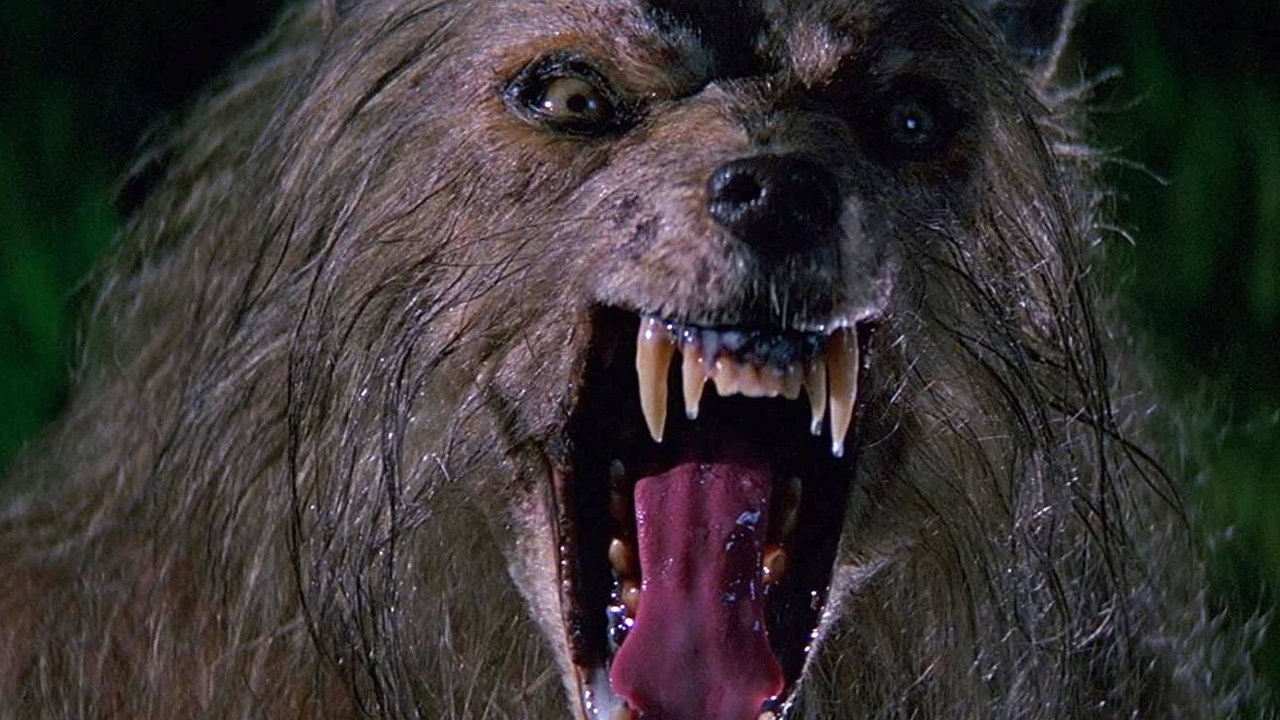
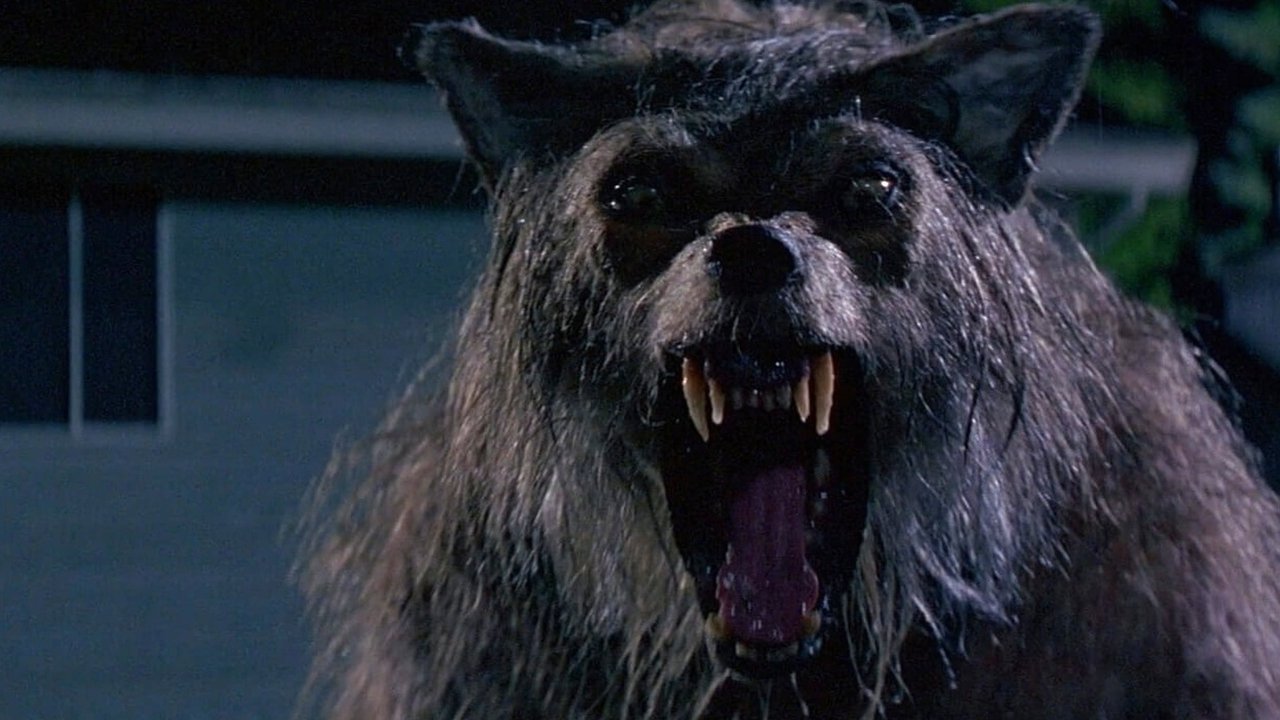
Now, let's talk about the main event: the werewolf. In an era increasingly flirting with CGI, Bad Moon proudly opts for practical effects, and the results are often spectacular, if occasionally betraying their mid-90s origins. The transformation sequences lean into grotesque body horror – skin stretching, bones snapping, culminating in a hulking, muscular beast designed and built by Steve Johnson's XFX (now Edge FX), known for their work on films like Species and Blade II. There's a weight and tangible presence to this creature that digital effects often struggle to replicate. The animatronic head allowed for impressive facial articulation, snarling and snapping with vicious intent. While some shots might reveal the seams of the suit more than intended, the sheer physicality of the creature during the final, brutal confrontation in the house is undeniably effective. It feels real in that uniquely unsettling way practical effects could achieve. The film was made for a relatively modest $7 million, and sadly, it struggled significantly at the box office, pulling in just over $1 million domestically – making it a true deep cut even upon release. Perhaps its straightforward, R-rated creature feature approach felt out of step with the more ironic horror trends emerging at the time.
Primal Fears in the Woods
Eric Red uses the isolated setting effectively, transforming the picturesque woods into a claustrophobic trap. The rustling leaves, the snapping twigs, the distant howl – classic horror tropes, yes, but employed with a straightforward intensity. The score complements the visuals, ramping up the dread without becoming overly intrusive. The film doesn't waste much time on complex mythology; it's about the raw, immediate threat. The pacing tightens considerably in the final act, delivering a sustained sequence of siege warfare between the family, the loyal dog, and the relentless werewolf that remains genuinely gripping. It's brutal, messy, and feels appropriately desperate.
***
Rating: 7/10
Bad Moon earns its 7 primarily through its sheer commitment to being a lean, mean, practical effects-driven werewolf picture. The standout performance of the dog Thor provides a unique and compelling anchor, while Michael Paré delivers a genuinely tormented portrayal of the cursed Ted. The werewolf suit, while occasionally showing its age, remains an impressive piece of practical craftsmanship that delivers visceral thrills in the intense climax. The direction effectively builds suspense within the isolated setting. However, the film loses points for slightly uneven pacing in the middle section and dialogue that sometimes dips into cliché. While ditching the novel's full dog-POV was likely necessary, one wonders if retaining just a touch more of that internal perspective might have elevated it further. Ultimately, its financial failure curtailed any chance of it becoming a mainstream hit, cementing its cult status.
Bad Moon might not have reinvented the silver bullet, but it stands as a potent example of 90s creature feature filmmaking done with conviction. It’s a film that understood the primal fear of the predator hiding in plain sight, and the unwavering loyalty of man’s best friend standing as the last line of defense. For those nights when you crave a straightforward, atmospheric horror tale with a truly memorable beast and an even more memorable canine hero, tracking down this often-overlooked tape is well worth the hunt. It leaves a chill that lingers, like the feeling of unseen eyes watching from the treeline.