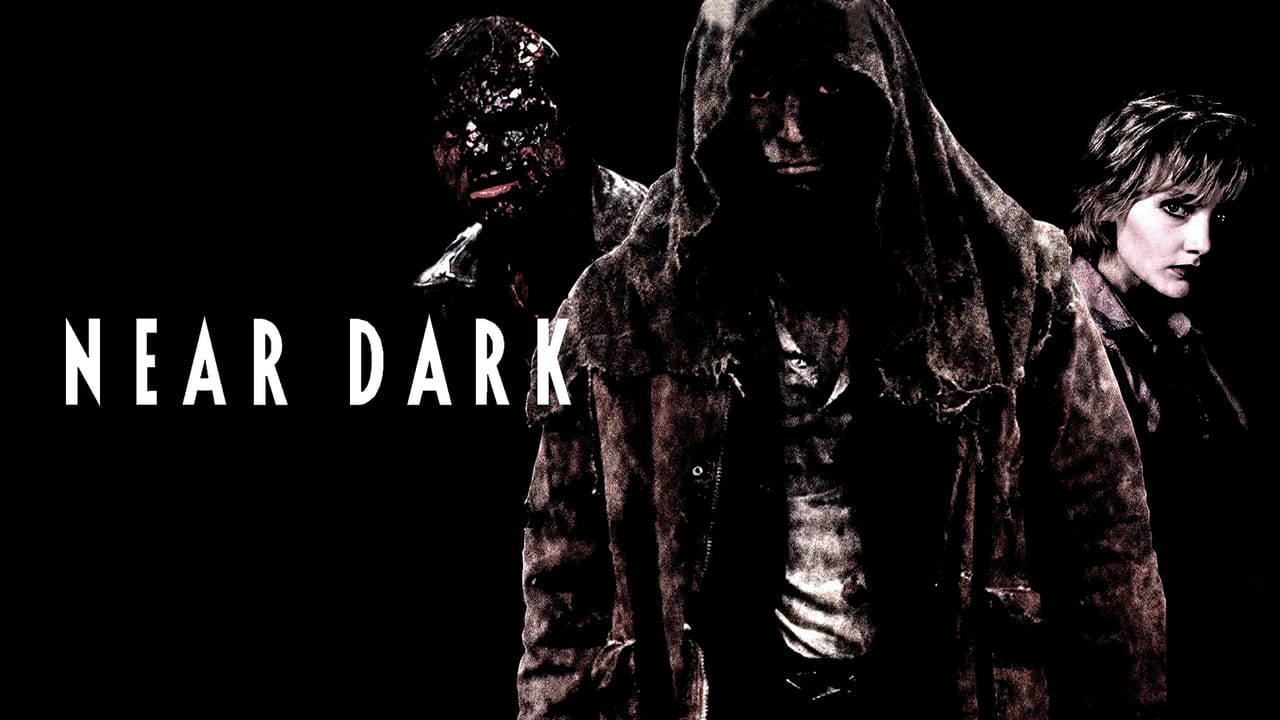
There’s a sickness out on the plains, carried on the night wind. It whispers promises under the vast, indifferent sky, only to leave behind dust and bloodstains bleaching in the merciless sun. Near Dark (1987) doesn't bother with capes or castles; its horror is baked into the cracked earth of the American heartland, a road trip straight to hell fuelled by desperation and predatory instinct. This isn't your romantic, velvet-clad vampire myth. This is something lean, mean, and terrifyingly real.
Sun-Scorched Nightmare
The film wastes no time plunging us into its desolate world. Young Oklahoma farm boy Caleb Colton (Adrian Pasdar) makes the oldest mistake in the book – falling for the strange, ethereal girl who appears out of nowhere as dusk settles. Mae (Jenny Wright) is luminous and unsettling, hinting at a life lived perpetually in shadow. Their moonlit encounter ends not with a kiss, but a bite, and Caleb soon finds himself suffering a painful, sun-sensitive transformation. Before he knows it, he’s bundled into a battered RV, the unwilling guest of Mae’s nomadic ‘family’ – a pack of predators who’ve roamed the highways for decades, maybe centuries. Director Kathryn Bigelow, working from a script co-written with Eric Red (the scribe behind the equally unnerving The Hitcher (1986)), masterfully blends the iconography of the Western with the tropes of the vampire genre, creating something wholly unique. The wide-open spaces aren’t liberating; they’re isolating, offering nowhere to hide when the sun inevitably rises. Tangerine Dream’s haunting, electronic score underscores the dread, a pulsing heartbeat in the oppressive darkness.
Meet the Family
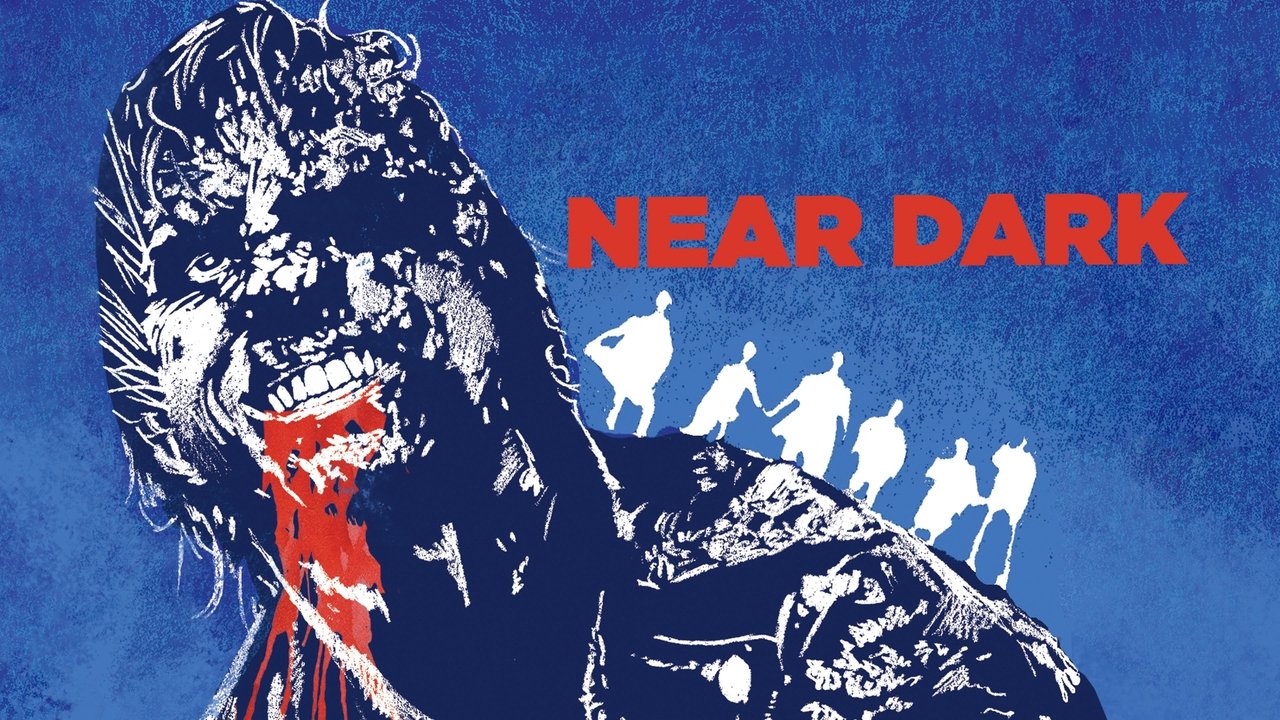
Forget sophisticated Counts or brooding anti-heroes. This family is pure feral energy. Lance Henriksen is magnetic and terrifying as Jesse Hooker, the ancient leader whose weary eyes have seen too much violence. His quiet authority is chilling, a stark contrast to the manic, gleeful savagery of Severen, played with unforgettable psychotic gusto by the late, great Bill Paxton. Fresh off Aliens (1986), along with Henriksen and Jenette Goldstein (who plays the tough-as-nails Diamondback), Paxton reportedly improvised some of Severen's most iconic lines, including the infamous "I hate 'em when they ain't been shaved!" during the film's standout sequence. Rounding out the clan is Joshua John Miller as Homer, trapped eternally in a child's body but possessing an ancient, cruel soul. Their dynamic is mesmerizing – a twisted mockery of family bonds, held together by necessity and shared monstrosity. You believe these creatures have been surviving together, off the grid, for generations.
When the Night Gets Ugly
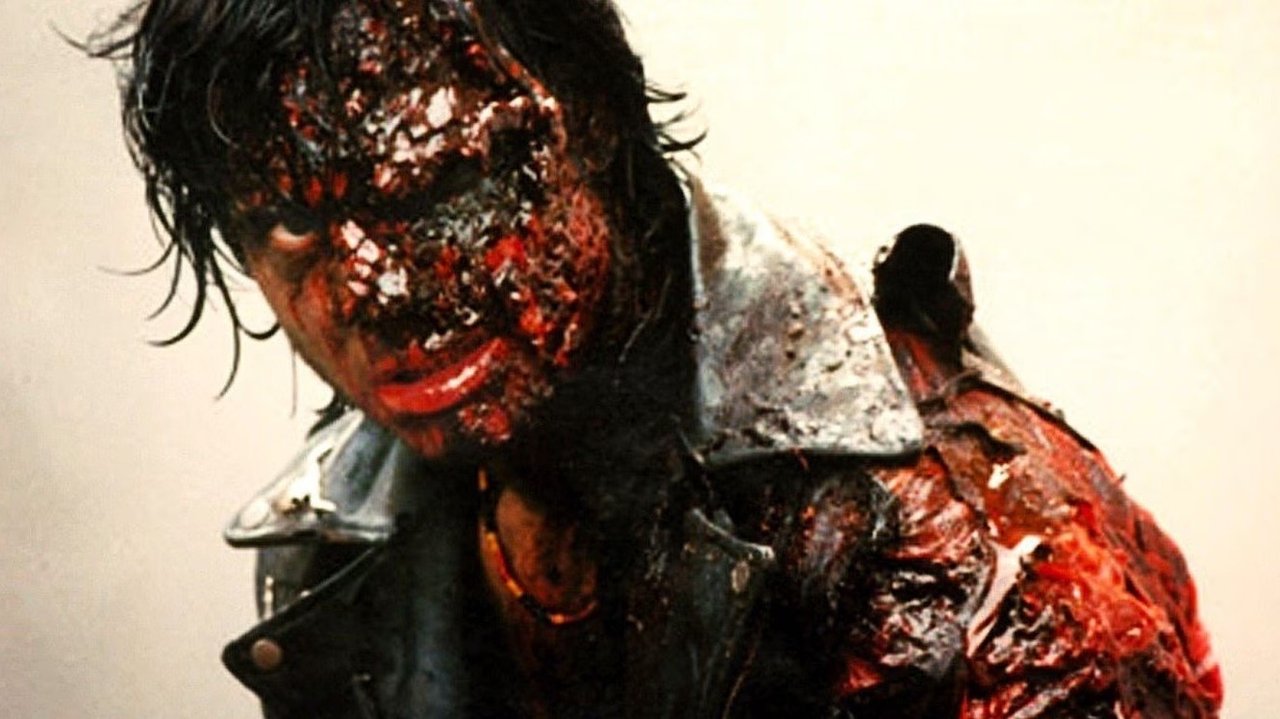
Near Dark pulls no punches. Its violence is sudden, brutal, and deeply unsettling, feeling miles away from the stylised horror often seen in the 80s. The infamous bar scene is a masterclass in escalating tension. What starts as menacing descends into outright slaughter, a whirlwind of destruction that leaves you breathless. Bigelow apparently used real local bikers as extras, lending an extra layer of volatile authenticity to the sequence; reports from the set suggest things occasionally felt dangerously close to spilling over for real. The subsequent motel shootout is equally visceral, showcasing the vampires' desperate fight for survival against the encroaching daylight. These scenes felt incredibly raw back on VHS, the grainy picture somehow enhancing the grit and grime. This wasn't slick Hollywood horror; it felt dangerous, like contraband smuggled out of forgotten backwaters. Caleb's struggle to adapt, his inherent goodness warring against the hunger, grounds the carnage in genuine pathos. Can he kill to survive? Can he become one of them?

Whispers in the Dark (Retro Fun Facts)
One of the most striking things about Near Dark is that the word "vampire" is never uttered. They are afflicted, cursed, predators – but the film avoids the familiar label, forcing us to confront their condition without preconceptions. This was a deliberate choice by Bigelow and Red, who envisioned the project as essentially a Western invaded by nocturnal predators. Filmed on a modest $5 million budget, it sadly underperformed upon release, perhaps overshadowed by the more comedic The Lost Boys which came out the same year. Yet, like so many gems of the era, Near Dark found its devoted audience on home video, becoming a certified cult classic whispered about in rental store aisles. Its stark beauty owes much to Bigelow's keen eye; she reportedly favoured shooting during the "magic hour," using specific lenses to capture the desolate beauty and inherent danger of the Oklahoma and Arizona landscapes where it was filmed. While the third-act introduction of a potential "cure" felt tacked-on to some (allegedly a studio request for a less bleak resolution), it doesn't entirely diminish the film's power.
Legacy of the Road

Near Dark remains a stark, potent piece of filmmaking. It strips the vampire myth down to its brutal core, leaving behind the romance and gothic trappings for something far more visceral and grounded. The performances are phenomenal across the board, particularly Henriksen and Paxton, who create truly iconic figures of dread. Its blend of genres feels as fresh today as it did in 1987, a testament to Bigelow's visionary direction (long before her Oscar triumphs with The Hurt Locker (2008)). It’s a film that seeps under your skin, leaving you with images of desolate highways and the chilling echo of Severen’s laughter.
Rating: 9/10
This score reflects the film's masterful atmosphere, unforgettable performances, unique genre blending, and unflinching portrayal of its monstrous subjects. It’s a near-perfect execution of its concept, only slightly marred by a potentially compromised ending. Near Dark isn't just a great vampire movie; it's a landmark of 80s cult horror, a sun-scorched, blood-soaked journey that still feels dangerous and vital decades later. It remains essential viewing for anyone who prefers their creatures of the night dusty, desperate, and deadly.