Okay, fellow tapeheads, dim the lights and let that familiar hum of the VCR fill the room. Tonight, we're descending into the atmospheric, sometimes clumsy, but undeniably memorable shadows of 1988's The Unholy. There's a particular kind of late-80s horror chill this one radiates, a blend of religious dread and creature-feature ambition that felt potent under the flickering glow of a CRT screen.
### Temptation in the Big Easy
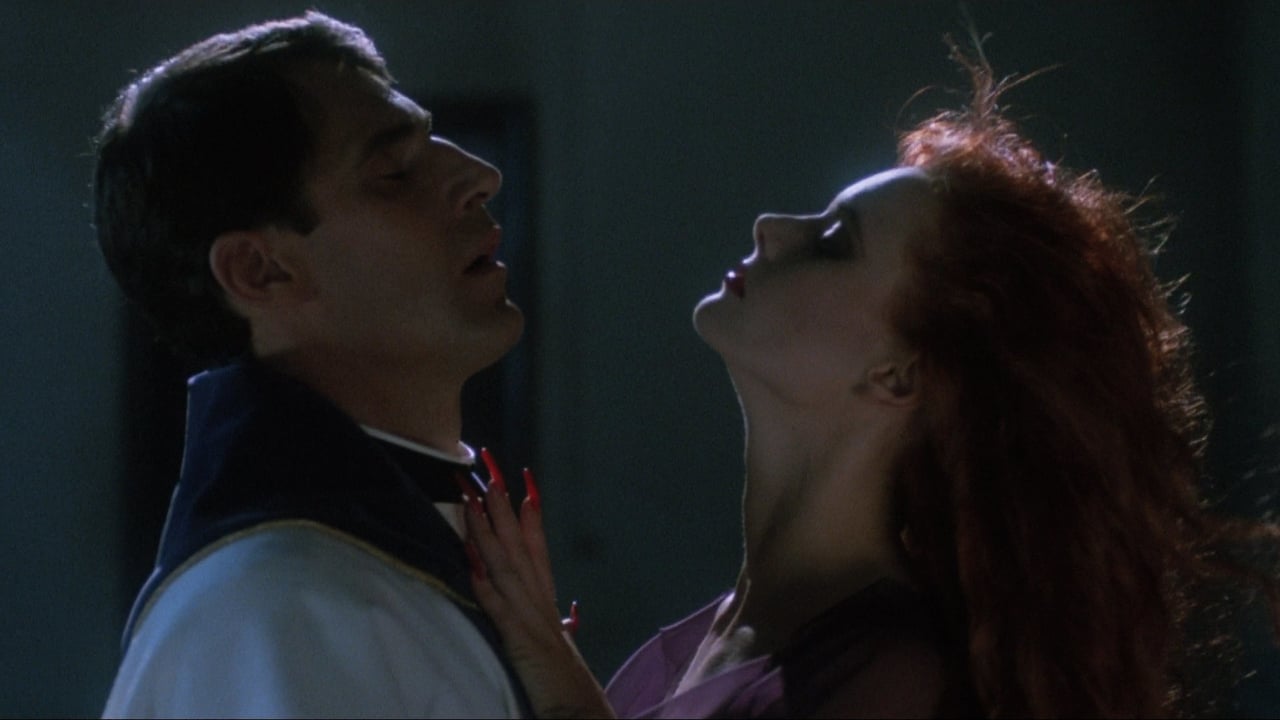
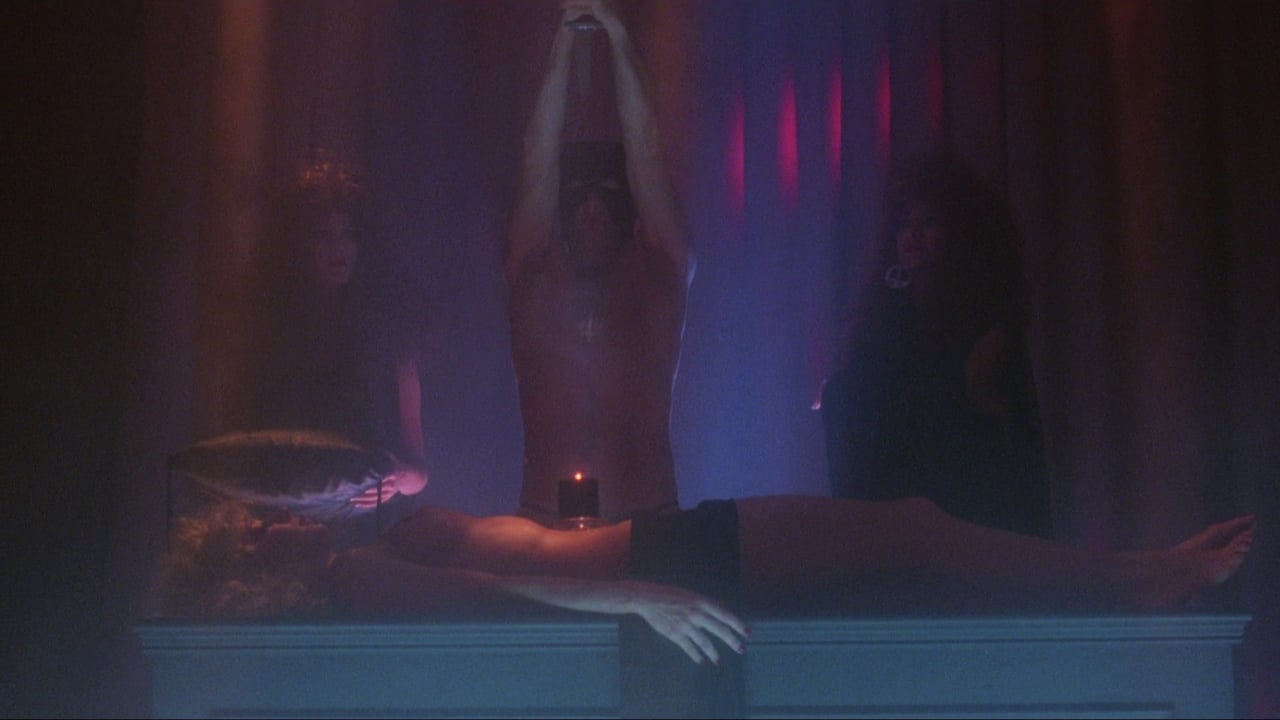
The premise drips with classic horror potential: Father Michael (Ben Cross, a world away from his Chariots of Fire days), a priest who miraculously survived a terrifying fall, is tasked by the Archdiocese – represented by the ever-reliable Ned Beatty as the concerned Lt. Stern – to investigate a series of grisly murders connected to a deconsecrated New Orleans church. St. Agnes, a place seemingly haunted by the lingering presence of two priests previously found dead under bizarre, ritualistic circumstances. It’s a setup steeped in Catholic guilt and the seductive whispers of the forbidden, placing our potentially blessed protagonist directly in the path of ancient evil. What could possibly go wrong?
### Shadows and Sulphur
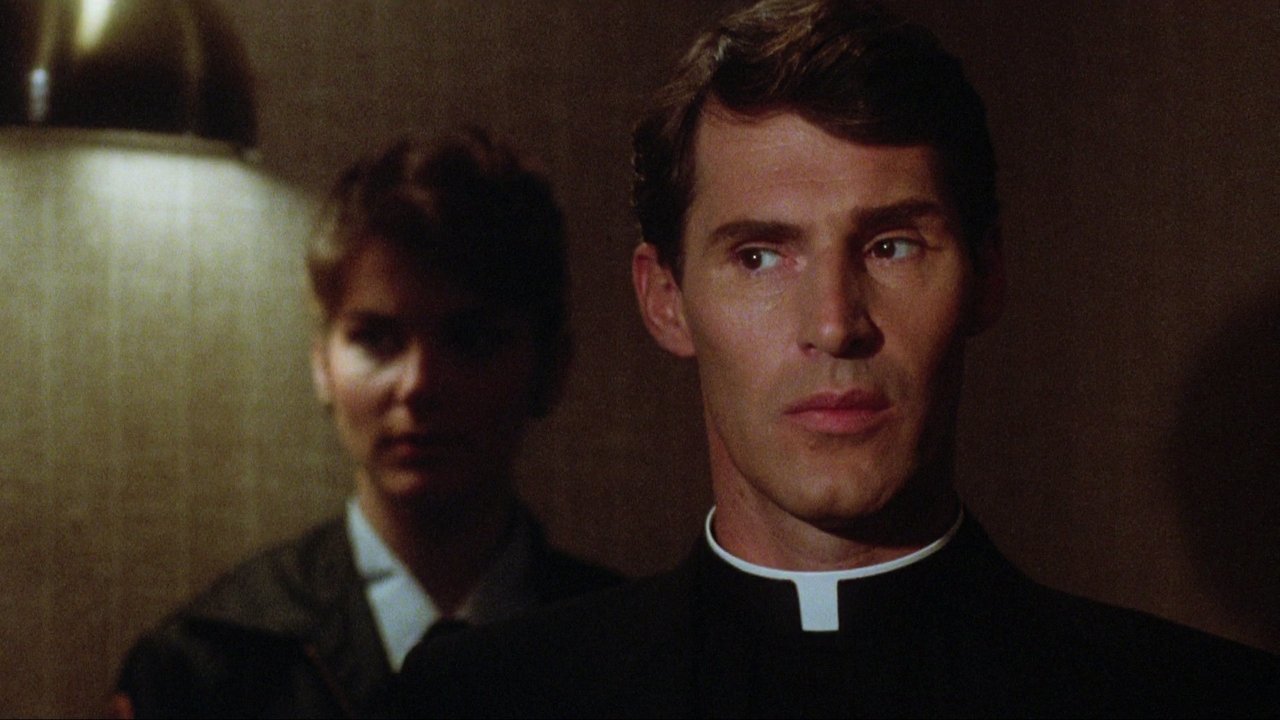
Director Camilo Vila certainly understood atmosphere. Shot largely on location, the film leverages the inherent gothic beauty and decay of New Orleans to great effect. The humid nights, the ornate yet crumbling architecture of St. Agnes, the neon glow reflecting off rain-slicked streets – it all contributes to a palpable sense of unease. The cinematography often favors shadows and obscured views, building suspense effectively in the early stages. You can almost smell the incense mingling with something far more foul lingering in the air of that cursed church. The score, too, often opts for brooding synths and liturgical echoes, amplifying the feeling that something profoundly wrong is unfolding. It’s this commitment to mood that elevates The Unholy beyond mere B-movie fodder, at least for a while.
### A Demon By Any Other Name...
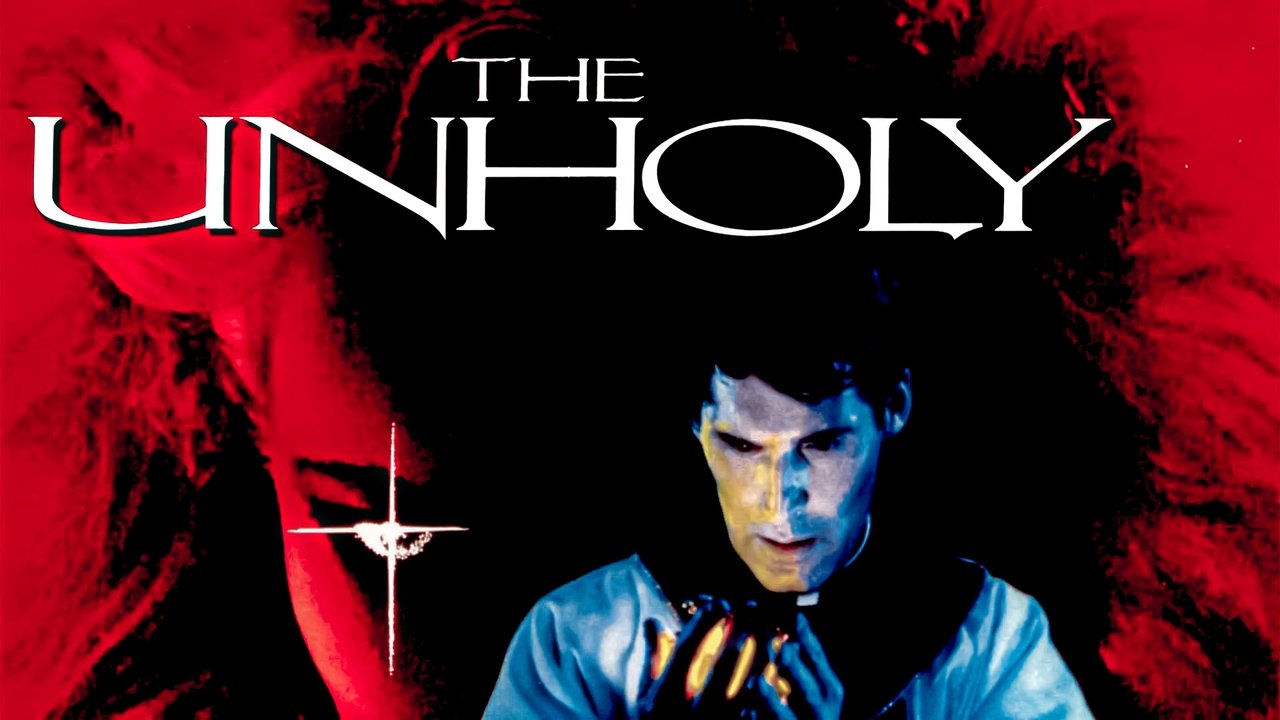
At the heart of the darkness lies the titular entity, Desiderius (Latin for "desire" or "longing"), a demoness who lures victims by manifesting as their deepest carnal desires before revealing her monstrous true form. This central concept – temptation made manifest – is genuinely unsettling. The film doesn't shy away from the sensual aspects of this evil, blending eroticism and horror in a way that definitely pushed buttons back in '88 and likely contributed to some frantic fast-forwarding during certain scenes on family movie nights. I distinctly remember the buzz around this one at the local video store; the cover art alone promised something taboo.
The creature effects, when finally revealed, are... well, they're certainly something. Designed by the legendary Bob Keen (whose impressive credits include effects work on Hellraiser (1987) and Candyman (1992)), the final form of Desiderius is a bizarre, ambitious, and somewhat infamous piece of practical effects work. Its reveal is built up throughout the film, and while undeniably striking, its execution has often been criticized, sometimes pointedly, for its suggestive design elements. Let's be honest, even back then, it felt a bit much, didn't it? It's a bold swing, born from the era's love for grotesque practical monsters, but it perhaps lacks the chilling grace of its demonic peers from films like Legend (1985) or Hellraiser. Still, you have to admire the sheer audacity of it.
### Vestron's Gamble and Production Whispers
The Unholy was a significant production for Vestron Pictures, the beloved home video distributor trying to make bigger waves in theatrical releases (they also gave us gems like Dirty Dancing (1987) and the less-remembered but fun Waxwork (1988)). Reports suggest they sunk a decent chunk of change into this one, hoping for a horror hit. There are also whispers of a troubled production, including an initial director (Matthew Chapman, who penned Consenting Adults (1992)) leaving the project early on, and rewrites helmed partly by veteran screenwriter Philip Yordan, an Oscar-winner known for epics like El Cid (1961) but who also dabbled in genre fare. Perhaps some of the film's unevenness stems from these behind-the-scenes shifts? It certainly feels like a film wrestling with different impulses – atmospheric religious horror versus full-blown monster mash.
Ben Cross carries the film admirably, bringing a weary gravity to Father Michael. His internal struggle feels genuine, grounding the more outlandish elements. William Russ (later known for TV's Boy Meets World) also makes an impression as the skeptical but ultimately helpful friend, adding a touch of cynical normalcy.
### Does the Tape Still Hold Up?
Watching The Unholy today is a fascinating exercise in appreciating 80s horror ambition while acknowledging its limitations. The atmosphere remains effective, the central concept is strong, and Ben Cross delivers a committed performance. However, the pacing can drag in the middle, and the climactic confrontation, despite the memorable creature design, devolves into a somewhat standard monster fight that doesn't quite live up to the initial promise of psychological and spiritual dread. It lacks the tight scripting of The Exorcist (1973) or the visceral gut-punch of Hellraiser, landing somewhere in the middle ground – a competent, atmospheric, but ultimately flawed piece of demonic horror.
Rating: 6/10
Justification: The Unholy earns points for its potent atmosphere, strong central premise, committed lead performance, and its place as a notable Vestron Pictures horror effort. The New Orleans setting is used beautifully, and the initial build-up of dread is effective. However, it loses points for uneven pacing, a script that doesn't fully capitalize on its themes, and creature effects that, while ambitious and memorable, feel somewhat clumsy and undercut the carefully crafted tension of the finale. It’s a solid C+ effort, a film whose ambitions perhaps exceeded its grasp but remains a worthwhile watch for fans of 80s religious horror and practical creature features.
Final Thought: For many of us who haunted video store horror aisles, The Unholy was one of those tapes – maybe not a top-tier classic, but a distinctively atmospheric and occasionally shocking slice of late-80s demonic dread that definitely left an impression long after the VCR clicked off.