Dust devils dance across an endless, rust-coloured plain under a sky bleached white by the sun. A lone windmill creaks a desolate rhythm. This isn't just a backdrop; it's a character in itself – the vast, indifferent Australian Outback, a place where civilization feels like a rumour and something ancient, primal, and hungry stirs beneath the cracked earth. This is the hunting ground in Russell Mulcahy’s 1984 nightmare, Razorback, a film that sinks its tusks into you with a ferocity that belies its sometimes-dated surface.
Into the Gammon
The setup is pure pulp dread: American journalist Carl Winters (Gregory Harrison) flies into the aptly named hellhole of Gammon seeking answers about the disappearance of his wife, an animal rights activist who fell afoul of something monstrous. What he finds is a conspiracy of silence, hostile locals straight out of a sun-baked Deliverance, and whispers of a beast that embodies the savage heart of the land – a gigantic, armour-plated wild boar. Forget cuddly Babe; this thing is a four-legged, tusked engine of destruction, carving a bloody swathe through the already brutal landscape. It’s a quintessential 80s creature feature premise, elevated by a stark, almost surreal visual sensibility.
Music Video Nightmare Fuel

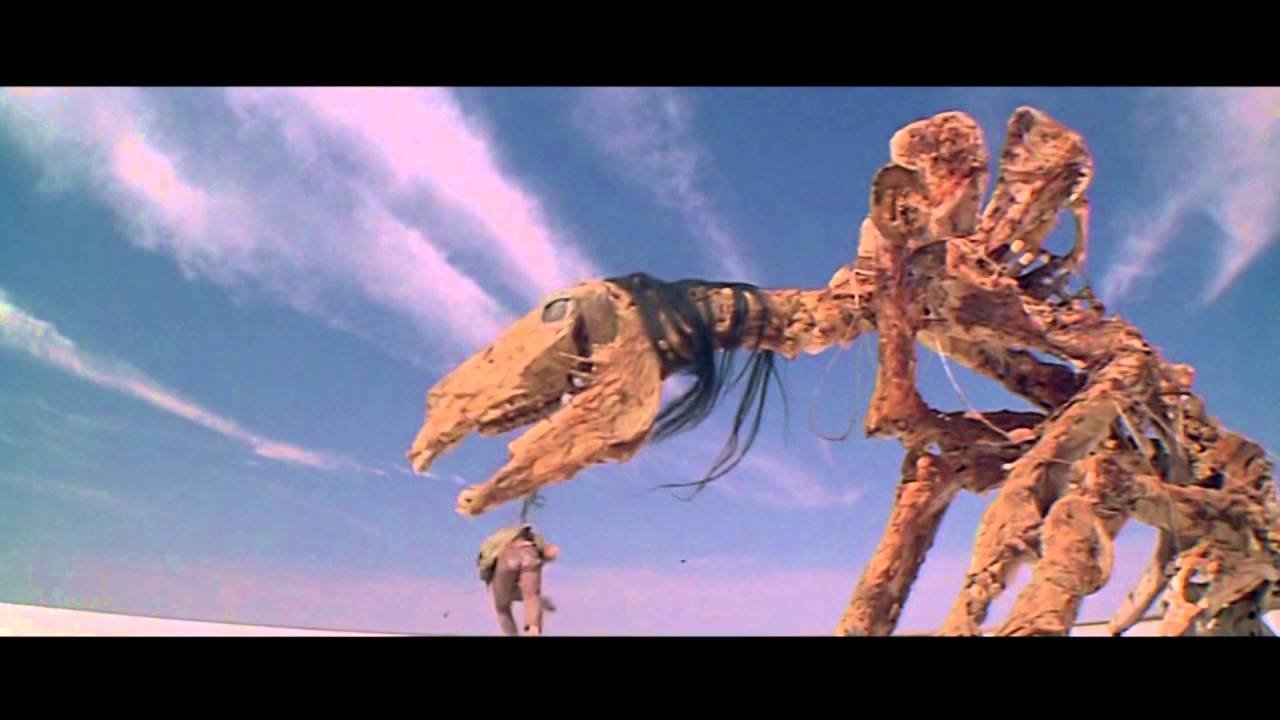
You can feel Russell Mulcahy’s music video roots (he’d later helm Highlander) pulsing through Razorback's veins. This isn't just point-and-shoot horror; it's aggressively stylized. Working with future Oscar-winning cinematographer Dean Semler (Dances with Wolves, Mad Max 2: The Road Warrior), Mulcahy crafts sequences dripping with atmosphere. Think laser-like shafts of light piercing dusty abattoirs, nightmarish silhouettes against blood-orange sunsets, and that unforgettable, hallucinatory sequence where Carl wanders through a blasted landscape littered with kangaroo carcasses under a sky boiling with impossible colours. It’s beautiful and repellent all at once, lending the film an otherworldly quality that lifts it above standard monster fare. This visual flair wasn't cheap; the film cost a reported $5.4 million AUD back then, a significant sum for an Australian production aiming for international impact.
Building the Beast
Of course, a creature feature lives or dies by its creature. The titular Razorback, a hulking animatronic beast reportedly costing $250,000 and plagued by the usual mechanical gremlins (much like its aquatic cousin 'Bruce' from Jaws), is a marvel of 80s practical effects. Does it look entirely real today? Perhaps not always. But it possesses a tangible weight and physicality that CGI often lacks. When it smashes through walls or charges headlong into vehicles, you feel the impact. Mulcahy wisely keeps the beast partially obscured for much of the film, letting shadows, dust, and frantic editing build the terror before the full, terrifying reveal. The sheer scale of it, even glimpsed, felt genuinely intimidating on those grainy rental tapes. Remember the first time you saw it properly emerge from the gloom? Still unnerving.

More Than Just a Pig
What truly elevates Razorback beyond simple monster mayhem is the human element. The real monsters here might just walk on two legs. The psychopathic Petpak cannery workers, Benny Baker (David Argue) and his brother Dicko (Chris Haywood), are studies in grubby, gleeful menace. Their casual cruelty and territorial rage feel chillingly authentic, making the Outback seem dangerous even without a giant killer pig roaming around. Bill Kerr, a veteran Aussie actor, provides grizzled gravitas as Jake Cullen, the vengeful grandfather hunting the beast, while Arkie Whiteley offers a strong counterpoint as Sarah Cameron, a researcher trying to understand the creature. Gregory Harrison, familiar to US audiences from TV's Trapper John, M.D., plays the outsider protagonist effectively, his urban sensibilities clashing starkly with the primitive harshness surrounding him. The script, penned by Ozploitation veteran Everett De Roche (who also wrote the similarly atmospheric Long Weekend), understands that the most terrifying landscapes are often internal.
An Ozploitation Oddity
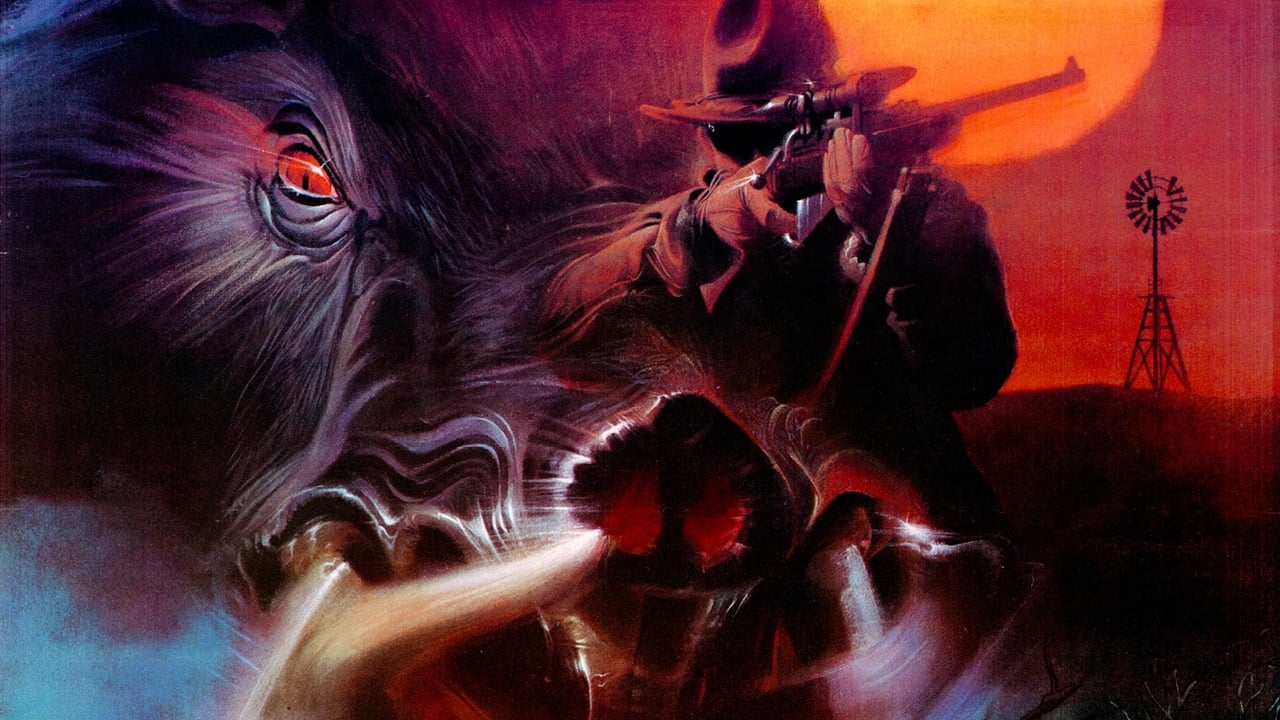
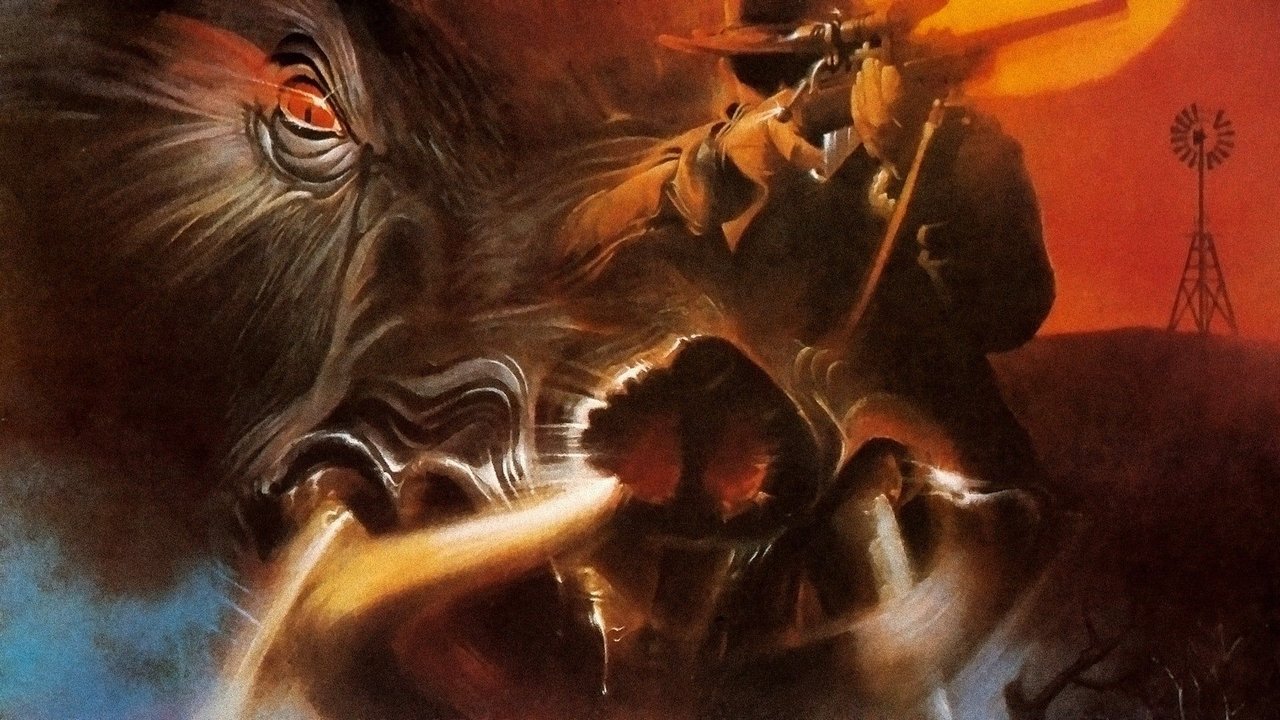
Razorback is a prime slice of Ozploitation – that wonderfully weird and often brutal wave of Australian genre filmmaking from the 70s and 80s. It has the dusty isolation, the sudden bursts of shocking violence, and that distinctly Aussie blend of the bleak and the bizarre. It didn't exactly set the box office alight upon release, but like so many gems from the era, it found its devoted audience on home video. I distinctly remember the imposing cover art on the VHS shelf at my local rental store – that monstrous silhouette against the fiery sky promising something wild and untamed. It delivered. The film captures a specific kind of dread: the fear of being lost, not just physically in an alien environment, but culturally, surrounded by forces both natural and human that you don't understand and cannot control.
The Verdict
Razorback remains a potent piece of 80s horror. Its visual flair is undeniable, the practical effects (warts and all) have a certain charm and impact, and the atmosphere of sun-scorched menace is thick enough to choke on. While some elements might feel dated and Harrison’s central performance occasionally feels a touch reactive, the film’s strengths far outweigh its weaknesses. Mulcahy crafts moments of genuine, surreal terror, and the interplay between the monstrous beast and the equally monstrous humans provides a chilling commentary.
Rating: 8/10
Justified by its stunning cinematography, unique directorial style, effective practical creature work (for its time), palpable atmosphere of dread, and its status as a key, visually distinctive Ozploitation classic. It’s more than just a “killer pig movie”; it’s a stylish, brutal, and strangely beautiful trip into the dark heart of the Outback that still leaves a layer of grime under your fingernails long after the credits roll. A true VHS Heaven standout.