Okay, settle in, maybe pour yourself something comforting. Let's talk about a film that feels distinctly of its time, yet carries a quiet warmth that still resonates: Peter Weir's Green Card from 1990. It arrived sandwiched between Weir's intense Dead Poets Society (1989) and the later, more existentially haunting The Truman Show (1998), showcasing a director completely unafraid to shift gears. Green Card isn't a grand statement, perhaps, but more like a carefully observed character piece disguised as a romantic comedy, a gentle exploration of connection found in the most bureaucratic of circumstances.
### An Arrangement Born of Convenience
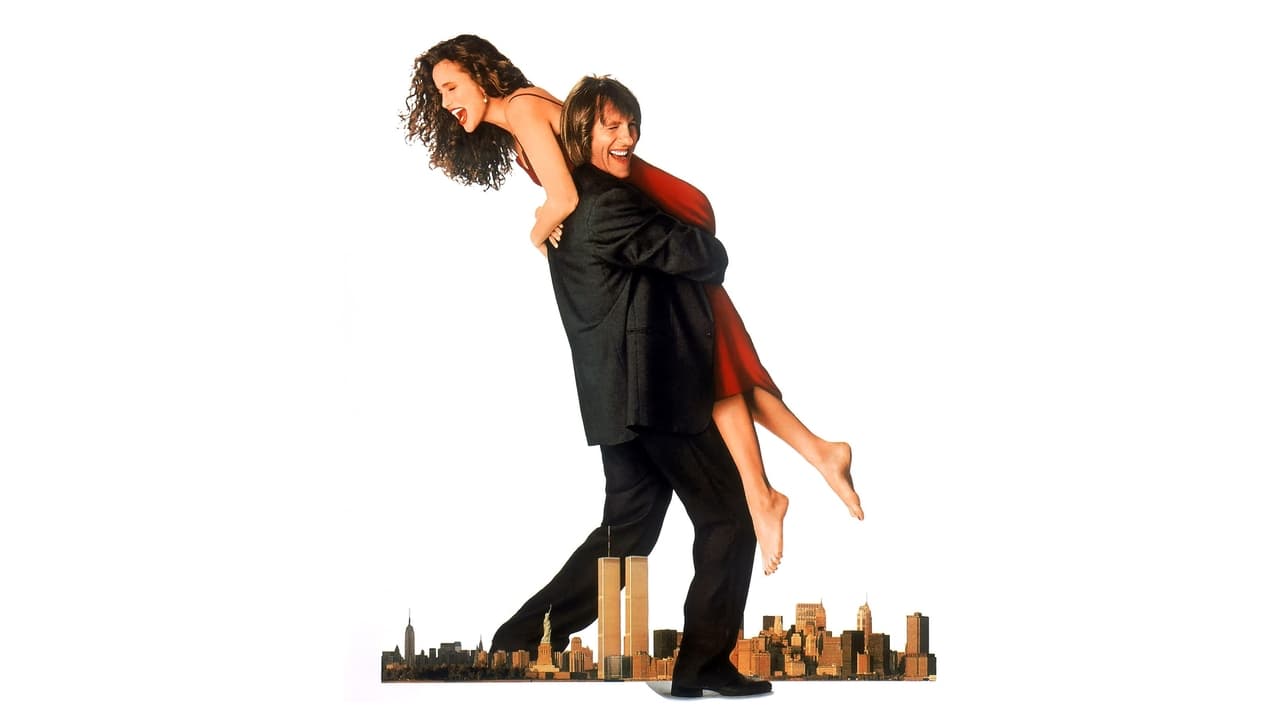
The premise itself feels almost like a classic Hollywood setup, doesn't it? Georges Fauré (Gérard Depardieu), a charmingly rumpled French composer, desperately needs a green card to stay and work in the US. Brontë Parrish (Andie MacDowell), a prim horticulturist, needs to be married to secure the lease on a stunning Manhattan apartment with a coveted greenhouse. A mutual friend brokers a deal: a marriage on paper, a quick divorce, everyone gets what they want. Simple. Except, of course, the Immigration and Naturalization Service (INS) gets suspicious, forcing these two absolute strangers to convincingly portray a loving couple. What unfolds isn't slapstick chaos, but a more nuanced collision of personalities and cultures.
### The Gentle Clash
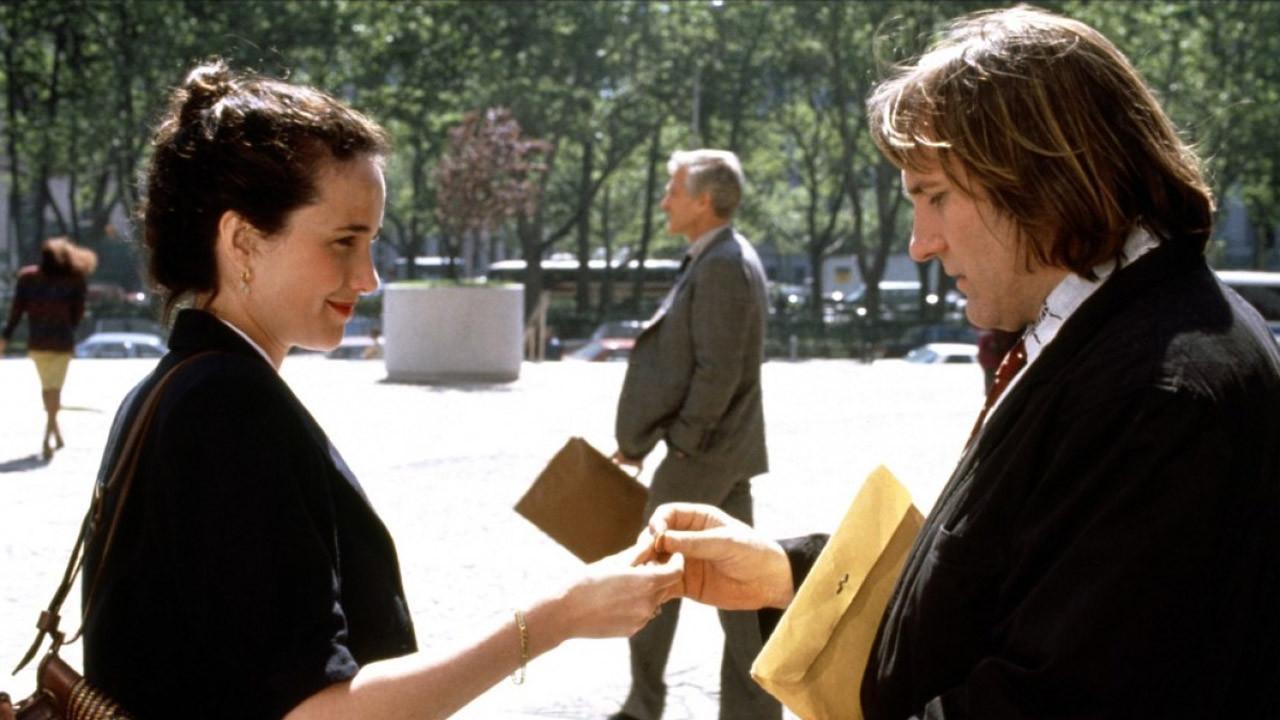
What strikes me most revisiting Green Card is its patience. Weir, who also penned the screenplay, isn't interested in broad gags about mismatched living habits, though there are moments of gentle humour derived from their differences. Instead, he focuses on the subtle shifts in perception, the slow, almost reluctant thawing between Georges and Brontë. Depardieu, a force of nature in French cinema, was making his major English-language debut here. It's a testament to Weir's vision that he wrote the part specifically for Depardieu after meeting him, convinced only he could embody Georges' blend of earthy charm, artistic sensitivity, and underlying melancholy. You can sometimes hear the effort in Depardieu's English – apparently, he learned much of it phonetically for the role – but this slight stiffness, this careful navigation of a foreign tongue, somehow adds to the character's vulnerability, his status as an outsider navigating an unfamiliar world.
Andie MacDowell, fresh off her breakout in Steven Soderbergh's sex, lies, and videotape (1989), brings a lovely, grounded counterpoint. Brontë isn't just uptight; she's driven, passionate about her plants, and guards her carefully constructed life fiercely. MacDowell imbues her with a quiet dignity and an intelligence that makes her initial resistance to Georges, and her eventual curiosity, entirely believable. Their chemistry isn't explosive; it's a slow burn, built on shared moments of awkwardness, tentative understanding, and the gradual erosion of preconceived notions. Watching them navigate the invasive INS interviews, piecing together a shared history they never had, is where the film finds both its tension and its heart.
### Weir's Subtle Hand and Retro Details
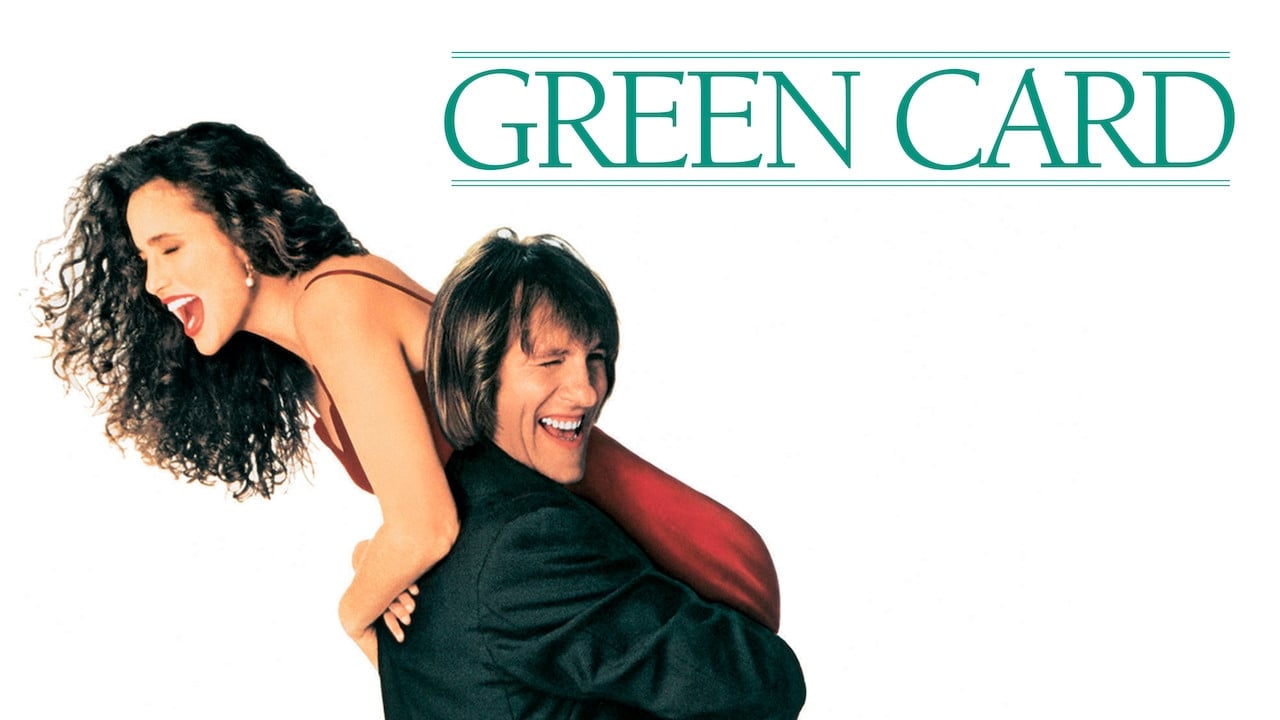
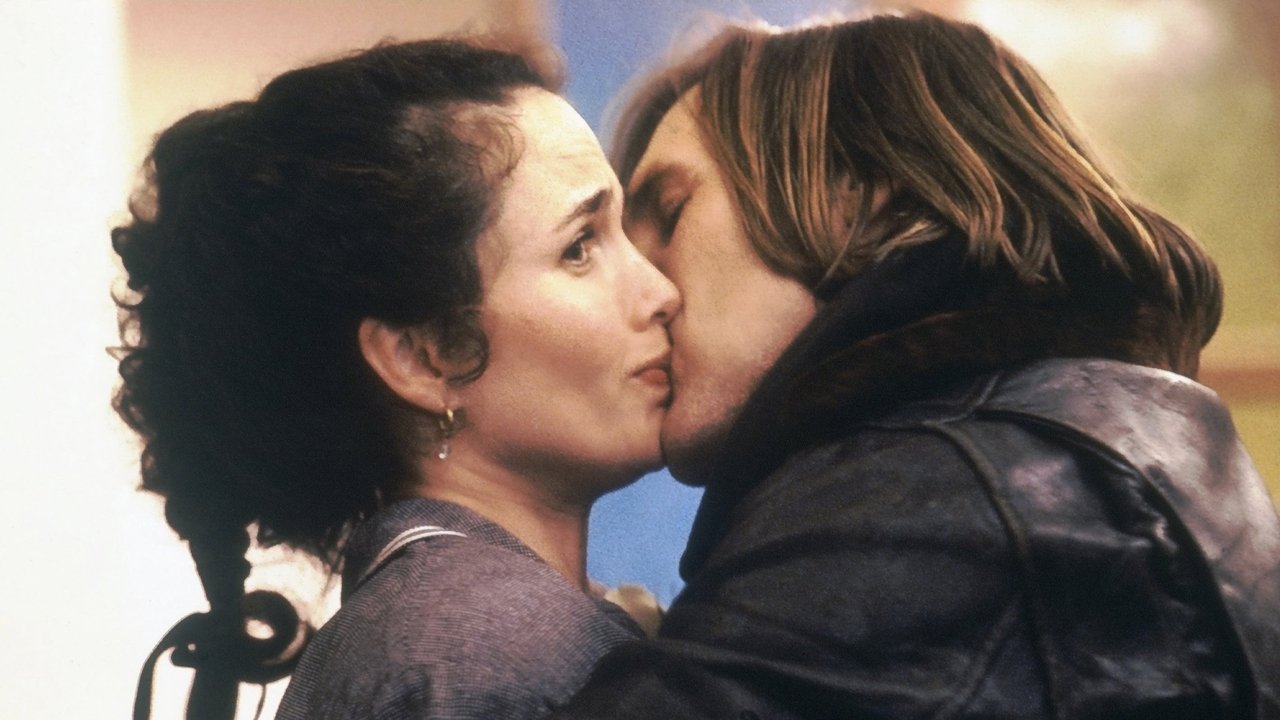
Peter Weir's direction is characteristically understated. He lets the city itself breathe – the bustling streets, the cozy cafes, and especially that gorgeous greenhouse apartment (reportedly filmed in the famed Apthorp building on the Upper West Side) become almost characters themselves. The cinematography by Geoffrey Simpson (who also shot Shine) captures a New York that feels lived-in, not just a cinematic backdrop. And listen closely – that's an early score by Hans Zimmer, melodic and atmospheric, before his signature bombast became ubiquitous. It perfectly complements the film's gentler tone.
Retro Fun Facts: It's easy to forget now, but Green Card was quite the success story. Made on a relatively modest budget (around $12 million), it pulled in nearly $30 million domestically and more globally, proving a solid hit. It even snagged two Golden Globes: Best Motion Picture – Musical or Comedy and Best Actor – Musical or Comedy for Depardieu. This success truly launched Depardieu into the American mainstream for a period in the early 90s. Interestingly, Weir initially struggled to get funding, with studios apparently wary of the unconventional casting and gentler comedic style. It was only after the success of Dead Poets Society that he got the green light. Thinking back, my own well-worn VHS copy got plenty of play; it was the kind of film you could put on for a quiet evening, something thoughtful but ultimately hopeful.
### Beyond the Paperwork
Does the film feel a little dated in places? Perhaps. The central conceit requires a significant suspension of disbelief, and the pacing might feel slow to modern audiences accustomed to rapid-fire rom-coms. Some might find Brontë's initial coldness a bit hard to penetrate, or Georges' occasional boorishness grating. But the film’s strength lies in its refusal to rush the connection. It acknowledges the absurdity of the situation while treating the characters' budding emotions with respect. It asks us to consider what truly binds people together – shared experiences, genuine empathy, or just the force of circumstance?
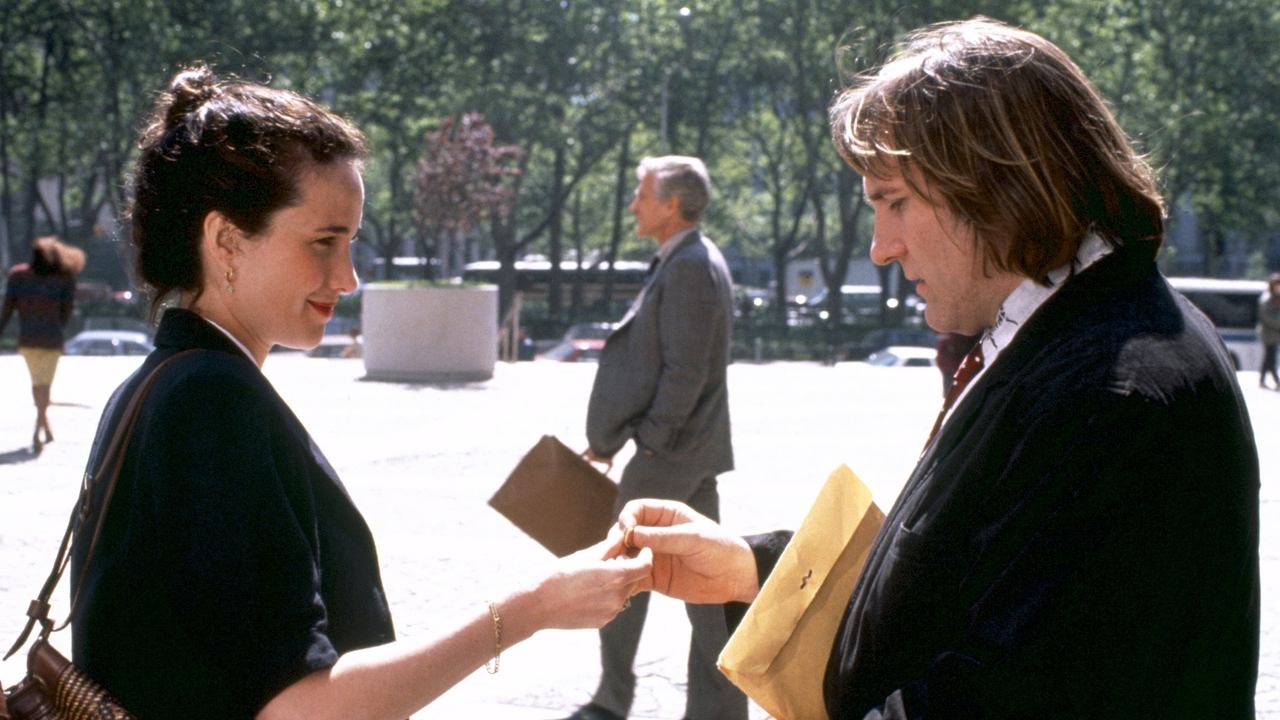
What lingers after the credits roll isn't necessarily a big laugh line or a grand romantic gesture, but the quiet authenticity of Georges and Brontë’s journey. It's about finding something unexpectedly real within a situation built entirely on fabrication. It’s about the small compromises, the shared secrets, the gradual realization that the person you're pretending to love might actually be someone you could love.
Rating: 7/10
The rating reflects a film that succeeds beautifully on its own terms. While the premise is contrived, the execution by Peter Weir is masterful, coaxing wonderfully nuanced performances from Gérard Depardieu and Andie MacDowell. It's elevated by its thoughtful script, charming atmosphere, and refusal to devolve into farce. It might not be the most groundbreaking film of the era, but Green Card offers a mature, affecting, and genuinely charming look at finding connection in unexpected places – a quality that feels quite welcome, then and now. It remains a lovely, slightly wistful gem from the turn of the decade.