Some images burrow under the skin, refusing to fade. For me, one of the most persistent from the cinema of the 90s is the sight of calligraphy brushes tracing characters onto bare flesh, transforming the human body into a living manuscript. This is the indelible heart of Peter Greenaway's 1996 film, The Pillow Book, a work that remains as provocative and visually arresting today as it was when those art house VHS tapes first started circulating, often discovered with a mix of curiosity and trepidation. It wasn't your typical Friday night rental, was it? But for those who took the plunge, it offered something utterly unique.
A Canvas of Obsession
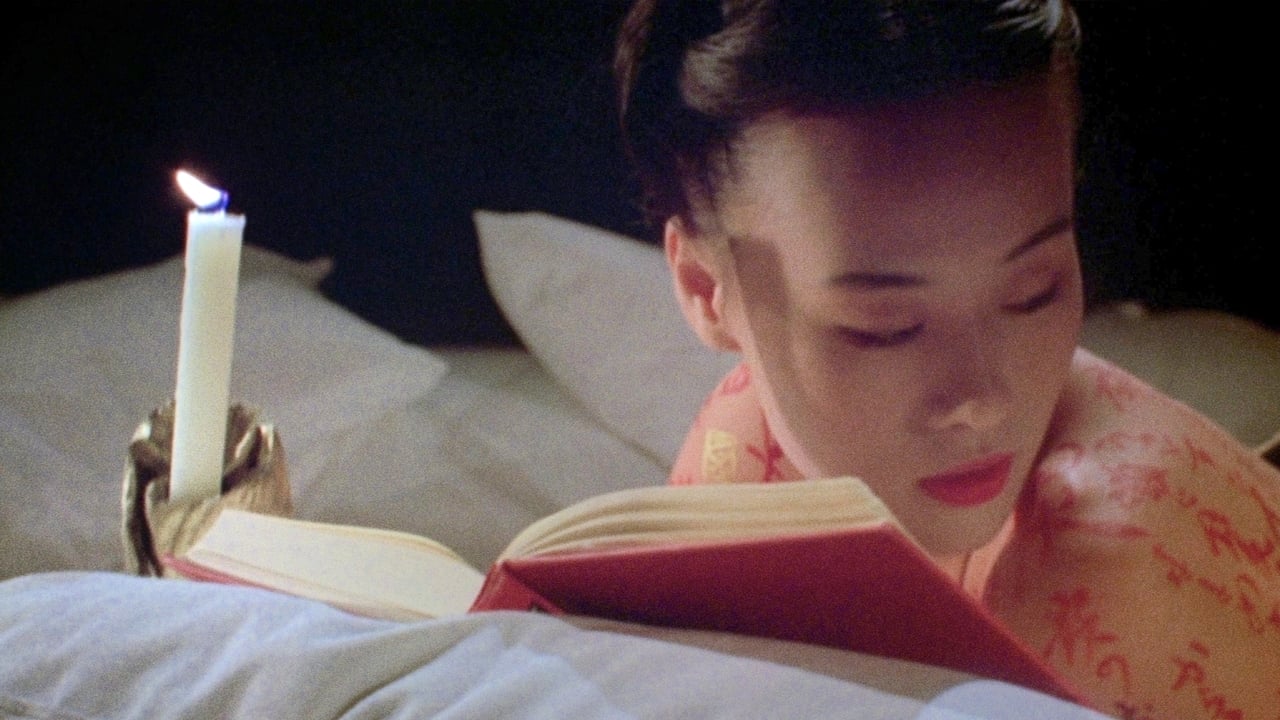
The film centers on Nagiko (Vivian Wu), a Japanese model living in Hong Kong. Haunted by childhood memories of her calligrapher father painting birthday greetings onto her face – ceremonies abruptly ended by the predatory demands of his Publisher (Yoshi Oida) – Nagiko develops a lifelong obsession with the confluence of literature, calligraphy, and eroticism. Inspired by the 10th-century diary of Sei Shōnagon (also titled "The Pillow Book"), she seeks lovers willing to become her human canvases, inscribing poetry onto their bodies before consummating the relationship. This quest eventually leads her to Jerome (Ewan McGregor), a charismatic, bisexual British translator who becomes both her lover and her most profound, ultimately tragic, text.
Greenaway's Singular Vision
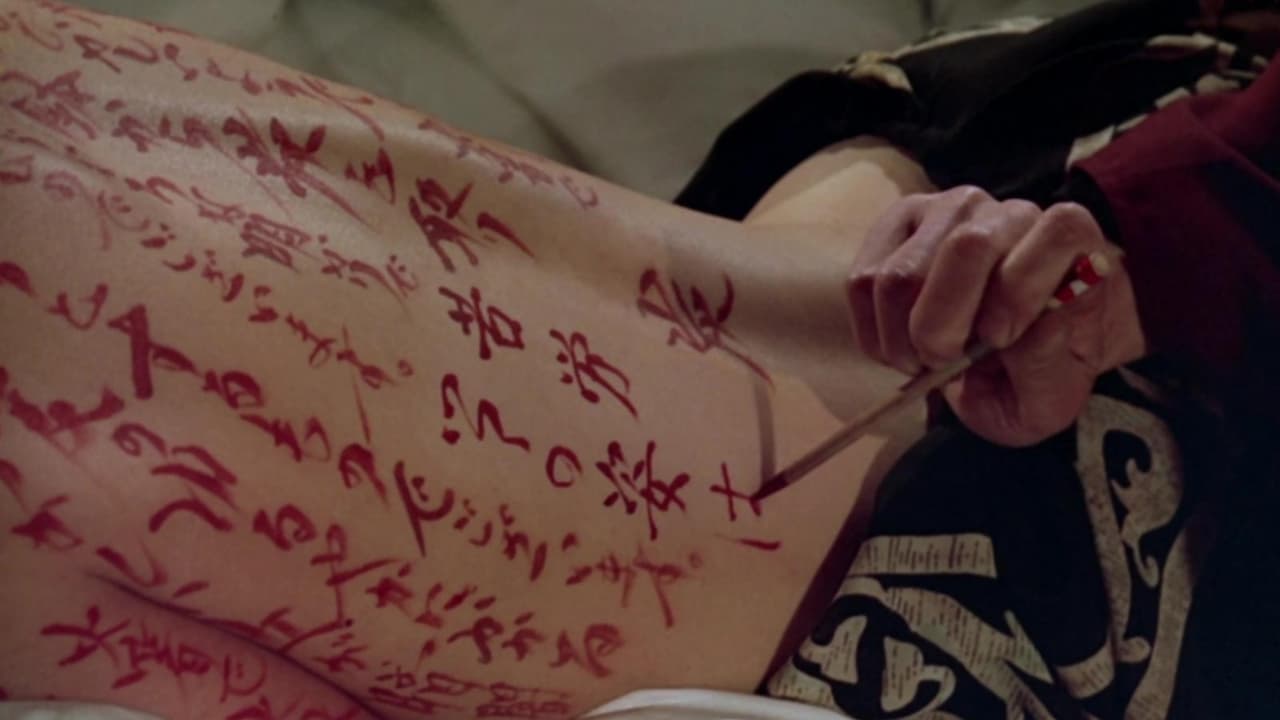
Watching a Peter Greenaway film is never a passive experience. Known for his painterly compositions and intellectual rigor, seen in works like The Cook, the Thief, His Wife & Her Lover (1989), Greenaway approaches filmmaking like an artist layering canvases. The Pillow Book is perhaps one of his most visually complex, yet narratively accessible works from this period. He employs split screens, inserts black-and-white sequences, and overlays text directly onto the image, mirroring Nagiko's own fixation on the written word. Cinematographer Sacha Vierny, a frequent Greenaway collaborator, crafts images of extraordinary beauty and precision, whether capturing the delicate dance of a brush on skin or the stark geometry of modern Hong Kong.
It's fascinating to know that Greenaway meticulously storyboarded the entire film, treating each frame like a painting. This level of control is palpable; every shot feels deliberate, every composition weighted with meaning. The integration of Sei Shōnagon's actual writings adds another layer, grounding Nagiko's very modern quest in a rich historical and literary tradition. It asks us: how does the meaning of words change when written not on paper, but on a lover's body?
Skin and Ink: The Performances
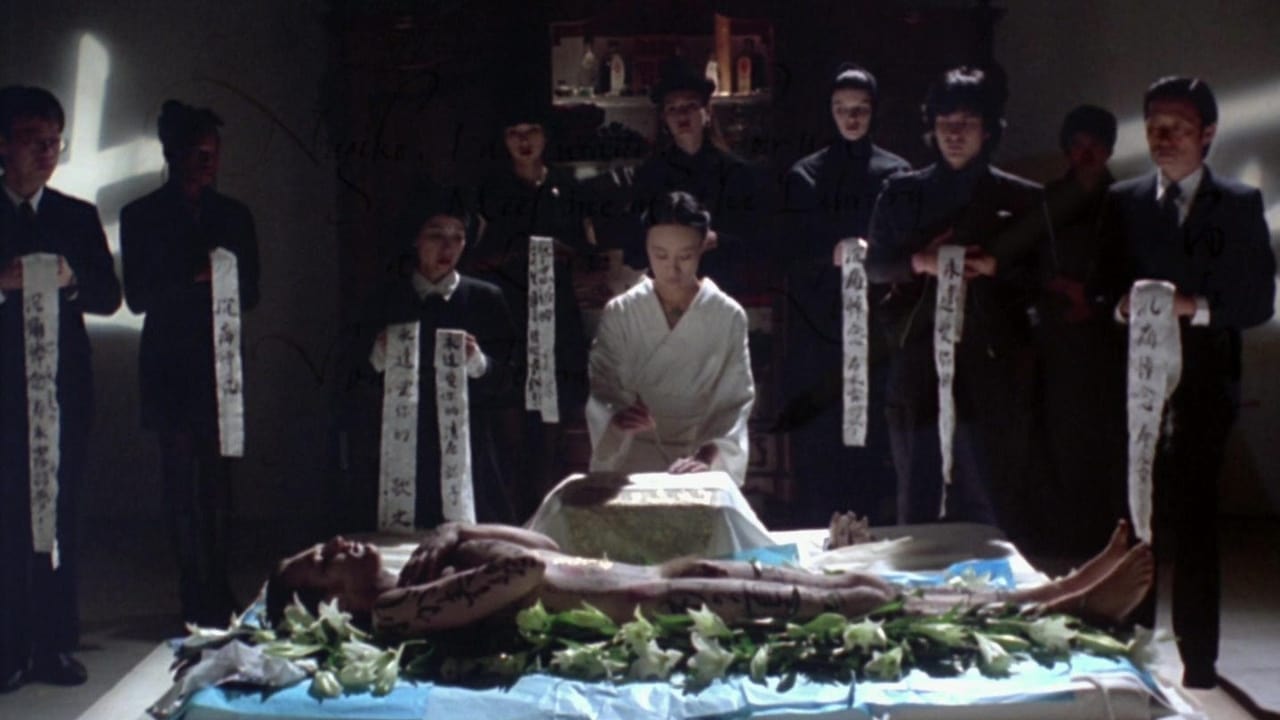
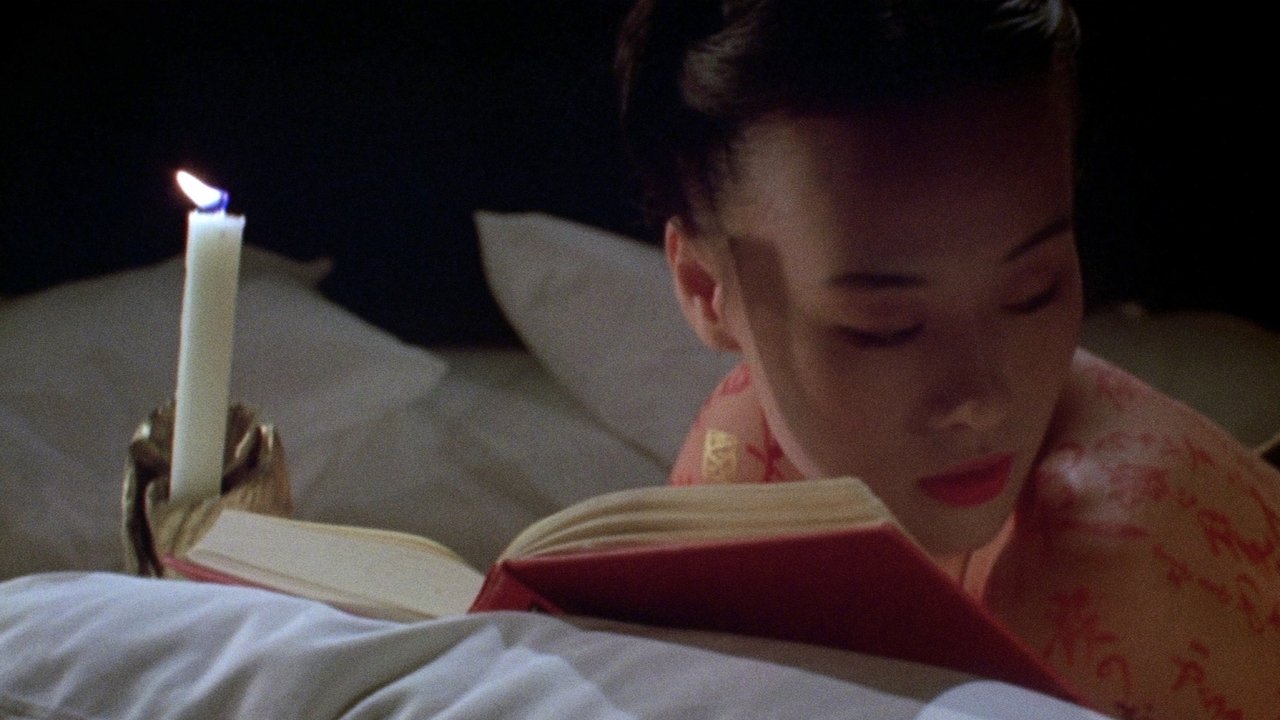
Vivian Wu delivers a performance of quiet intensity as Nagiko. She navigates a complex emotional landscape, portraying Nagiko's artistic drive, her vulnerability, her simmering desire for revenge, and her deep-seated yearning for connection. It's a role that demands both physical and emotional exposure, and Wu embodies it with compelling grace.
And then there's Ewan McGregor. Caught here in the slipstream between Trainspotting (1996) and his ascent to global stardom, McGregor brings an undeniable energy and charm to Jerome. He fully commits to the film's demanding physicality and its exploration of complex sexuality. His chemistry with Wu is electric, forming the emotional core around which the film's more elaborate structures revolve. It’s a fearless performance, one that likely drew many curious viewers to the film back in the day, perhaps surprised by the artistic depth they found. The role required extensive full-body calligraphy sessions, a logistical challenge demanding patience from the actors as intricate texts were painstakingly applied.
Beyond the Surface
While the film's aesthetic is its most immediate draw, The Pillow Book delves into profound themes. It's a meditation on creation and destruction, the power dynamics inherent in sex and art, and the eternal tension between the ephemeral nature of the flesh and the permanence of the written word. Nagiko's journey becomes a complex exploration of agency – using her body and the bodies of others as tools for expression, pleasure, and ultimately, vengeance against the Publisher who wronged her family. Does wielding the brush give her power, or does she remain defined by the words inscribed upon her, both literally and metaphorically?
The film wasn't without its challenges or controversies. Its explicit content and unconventional structure limited its mainstream appeal, though it found a devoted following on the art house circuit and later on VHS and DVD. Reports suggest Greenaway faced budget constraints, forcing creative solutions, particularly in achieving the layered visual effects which now seem almost prescient of digital editing techniques but were achieved largely through optical printing back then. The intricate calligraphy itself, designed by Brody Neuenschwander, became a character in its own right, requiring immense skill to apply consistently for filming.
Final Reflections
The Pillow Book isn't an easy film, nor is it meant to be. It demands attention, challenges preconceptions, and lingers long after the credits roll. It’s a film that uses the human body as its primary text, exploring the intersections of art, desire, and mortality with a visual language entirely its own. For those of us who remember encountering it on that special shelf in the video store, perhaps nestled between foreign dramas and other cinematic curiosities, it remains a potent example of 90s art house ambition. It pushed boundaries, both visually and thematically, leaving an indelible mark.

Rating: 8/10
This score reflects the film's undeniable artistic achievement, its stunning visuals, and its thought-provoking exploration of complex themes. Greenaway's singular style is executed brilliantly, and the performances, particularly from Wu and McGregor, are committed and powerful. It loses a couple of points simply because its intellectual coolness and explicit nature can be distancing for some viewers, making it more of an acquired taste than a universally embraced classic. It demands effort, but the reward is a uniquely cinematic experience.
What remains is the echo of the brush on skin, a reminder of how powerfully film can explore the ways we attempt to write our stories onto the world, and onto each other.