Alright, fellow tapeheads, dim the lights, maybe adjust the tracking just so on that mental VCR, because we're diving headfirst into a film that perfectly captures that weird, wonderful moment when the 80s stumbled awkwardly into the 90s. Picture this: March 1990. The airwaves are inexplicably pulsating with the rhythm of the Lambada. And somehow, Hollywood decides not one, but two movies centered on this sultry dance craze need to hit theaters on the exact same day. We're talking, of course, about the earnest, baffling, and strangely watchable curiosity that is The Forbidden Dance.
### From the Amazon to LA... For a Dance-Off?
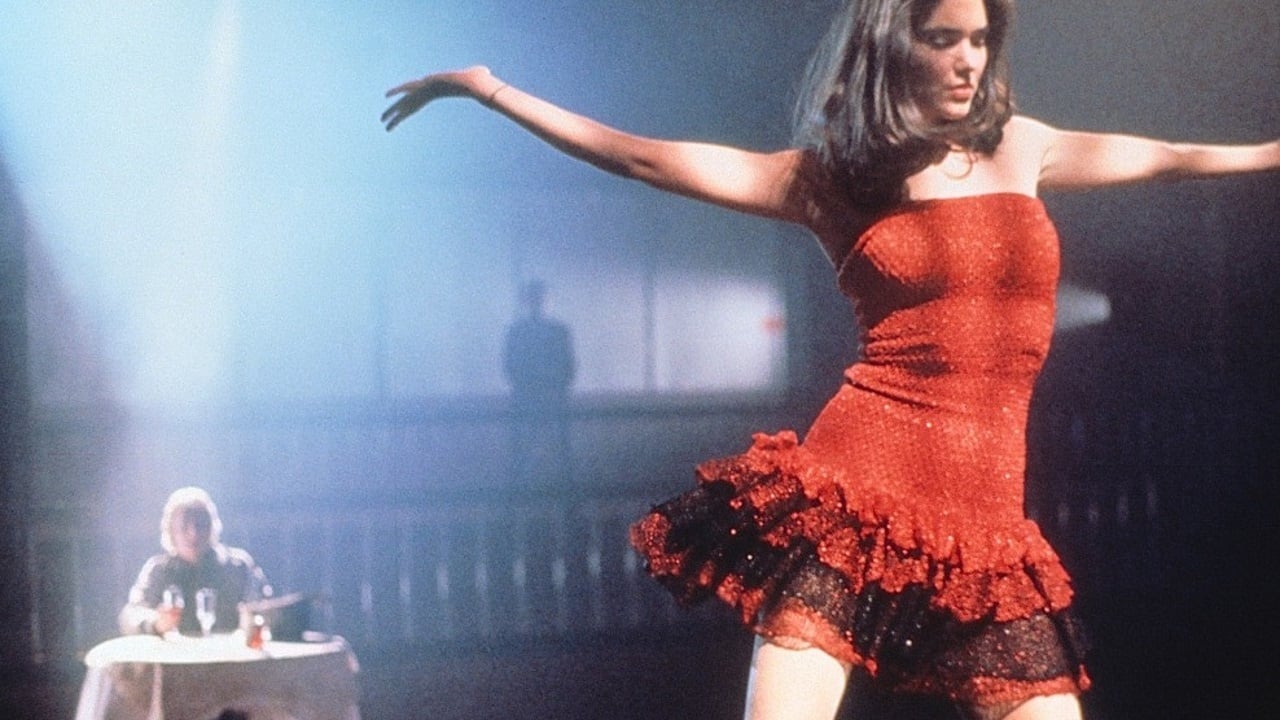
Let's be honest, the premise alone is pure video store shelf gold. Nisa (Laura Harring, who was actually Miss USA 1985 – a fun fact that somehow makes her regal bearing amidst the chaos make more sense) is a princess from a tribe deep in the Amazon rainforest. Her idyllic home is threatened by a ruthless American corporation bent on deforestation. Her solution? Naturally, it's to travel to Los Angeles with the tribe's shaman (played with bewildered gravitas) to plead their case. When that fails, Plan B involves... winning a televised Lambada dance competition to raise awareness. You absolutely cannot make this stuff up, and bless producer Menahem Golan (yes, that Menahem Golan of Cannon Films fame, striking out on his own here) for trying. It’s the kind of plot that could only exist in that specific window of pop culture opportunism.
The film barrels forward with a kind of wide-eyed sincerity that's almost charming. Nisa teams up with Jason (a very earnest Jeff James), the disgruntled son of the evil corporation's boss, who conveniently is also a dab hand at the Lambada. They face prejudice, corporate skullduggery, and the challenges of choreographing rainforest-saving dance moves. It's Dirty Dancing meets FernGully with a dash of corporate espionage, all filtered through a low-budget lens.
### That "Forbidden" Feeling (and Sid Haig!)
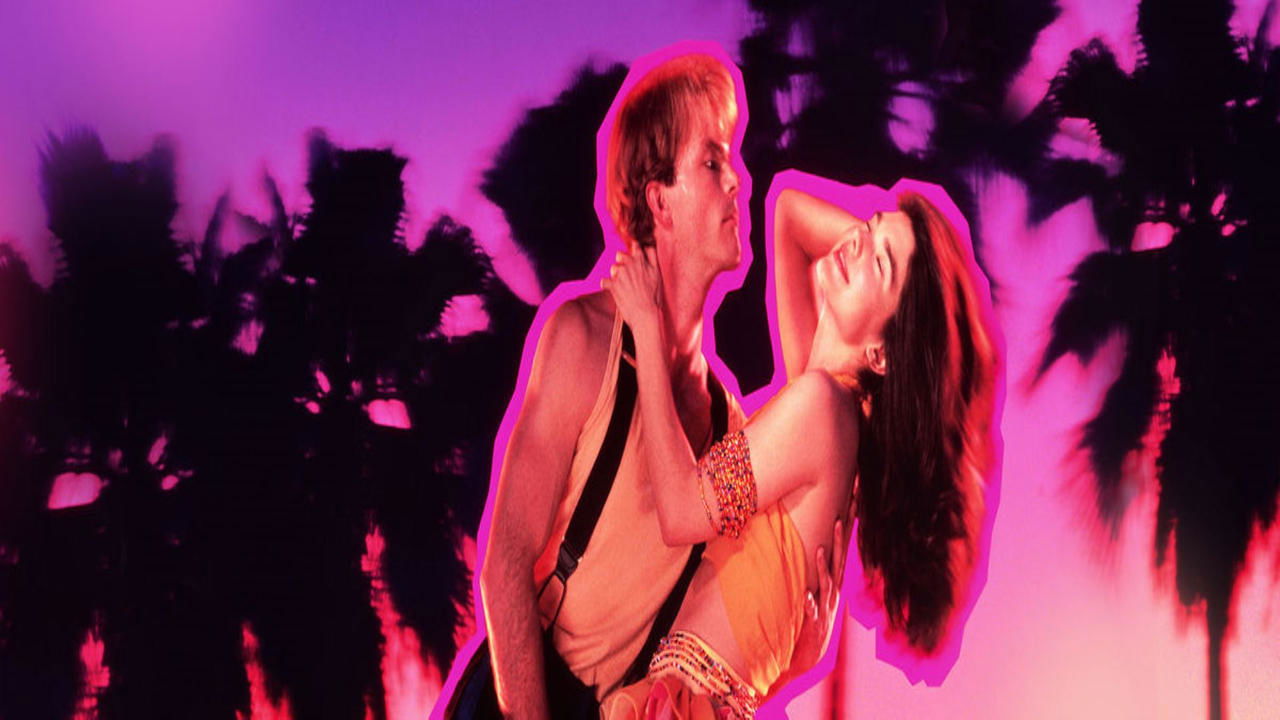
Now, the "action" here isn't exploding cars or roundhouse kicks – it's the dancing. Was it truly "forbidden"? Well, maybe by the standards of daytime TV at the time. The choreography feels very much of its era – lots of hip swivels, close embraces, and dramatic spins, shot with a certain functional directness by B-movie maestro Greydon Clark (the man who gave us such drive-in delights as Without Warning and Joysticks). There's an energy to it, sure, but it lacks the raw sensuality the hype promised. It feels less like a forbidden ritual and more like a slightly more intense audition for Star Search.
But where the film truly earns its cult stripes is in its delightful oddities. Seeing the effortlessly cool Sid Haig pop up as Joa, a mysterious mountain man (?) who helps Nisa, is a genuine treat for genre fans. Even in a smaller, somewhat perplexing role, Haig brings that unique presence that always elevated the material he was in. It’s a reminder of his incredible range long before Captain Spaulding became iconic. The clash between the film's serious environmental message and the inherent silliness of saving the world through sexy dancing creates a friction that's endlessly fascinating. It wants you to care about the rainforest, and it wants you to be swept away by the Lambada, and the attempt to weld these two things together is... memorable.
### Echoes of the Rental Aisle
Remember finding this tape on the shelf? Maybe nestled between bigger hits, its cover art promising exotic passion and maybe a hint of danger? The Forbidden Dance was rushed into production – shot quickly and cheaply (reportedly around $1.5 million, pocket change even then) to capitalize on the Lambada fad before it inevitably faded. It went head-to-head with Lambada (from rival studio Cannon, ironically Golan's old stomping ground) and, well, neither film exactly set the box office on fire. Critics were merciless – Siskel and Ebert famously savaged it, with Gene Siskel reportedly walking out mid-screening.
Yet, there's something about its guileless ambition. The practical locations try hard to sell both the Amazonian jungle (likely California greenery) and the glitz of LA nightlife. The soundtrack pulses with that specific late 80s/early 90s synth-pop beat overlaid with Latin rhythms. It’s a time capsule, perfectly preserved on magnetic tape (or, you know, digital transfer now). Watching it today feels like uncovering a forgotten artifact, a testament to a time when a studio thought, "Rainforest destruction... sexy dancing... yes, this is cinema!"
***
VHS Heaven Rating: 3/10
Justification: Look, let's be real. Objectively, The Forbidden Dance isn't a "good" movie by traditional metrics. The plot is ludicrous, the dialogue often clunky, the acting (aside from Harring's earnestness and Haig's presence) is stiff, and the dance sequences don't quite live up to the "forbidden" hype. It tanked for a reason. However, that '3' carries a heavy dose of affection. It's a fascinating failure, a cultural oddity born of a fleeting trend, and possesses a certain naive charm. Its sheer B-movie conviction and the unintentional humor derived from its premise make it a must-see for connoisseurs of cinematic cheese and students of fleeting pop crazes.
Final Thought: While the Lambada itself may be mostly forgotten, the sheer, delightful audacity of trying to save the Amazon one hip swivel at a time makes The Forbidden Dance an unforgettable slice of early 90s weirdness – best enjoyed with low expectations and maybe a friend to chuckle along with.