There are films that shout their intentions, grab you by the collar, and demand attention. Then there are films like Takeshi Kitano's 1991 masterpiece, A Scene at the Sea (Ano Natsu, Ichiban Shizukana Umi), which arrive like a quiet tide, slowly immersing you in their world until you find yourself profoundly moved, almost without realizing how it happened. It doesn't rely on the sharp shocks of Kitano's yakuza thrillers like Violent Cop or Boiling Point; instead, it finds its power in the vast, expressive silence between its characters and the rhythmic pulse of the ocean.
The Sound of Silence by the Shore
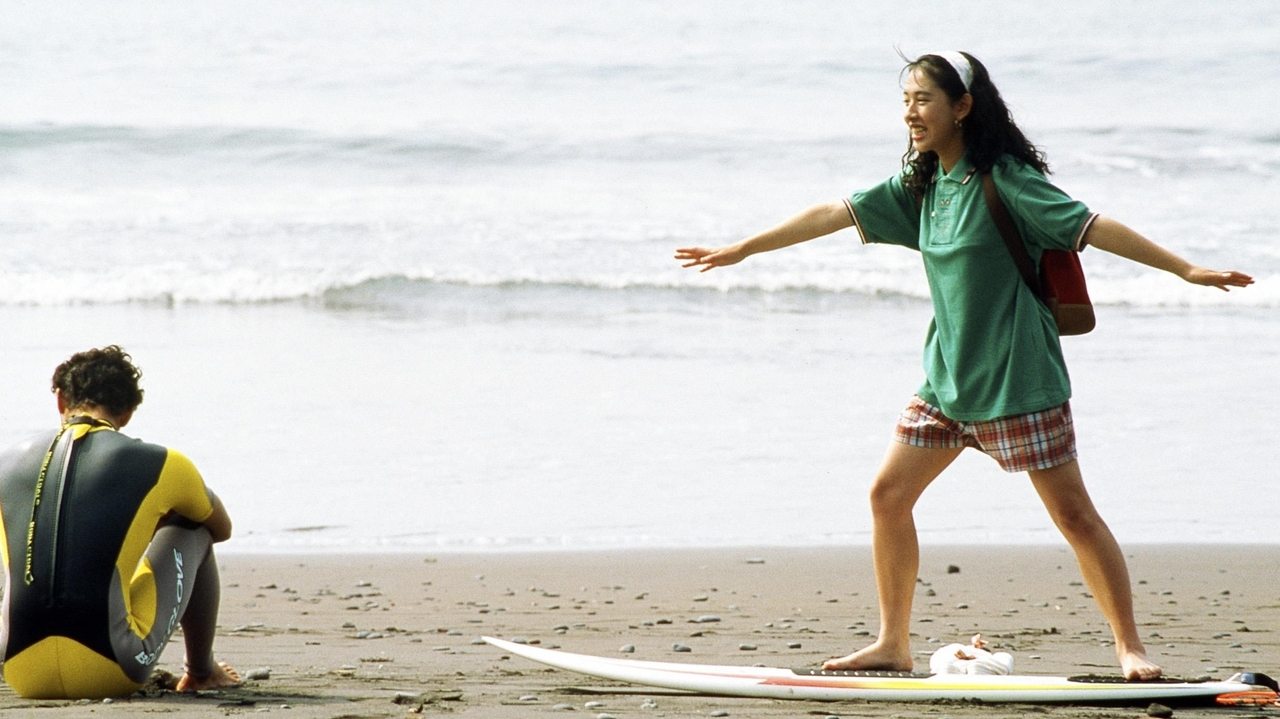
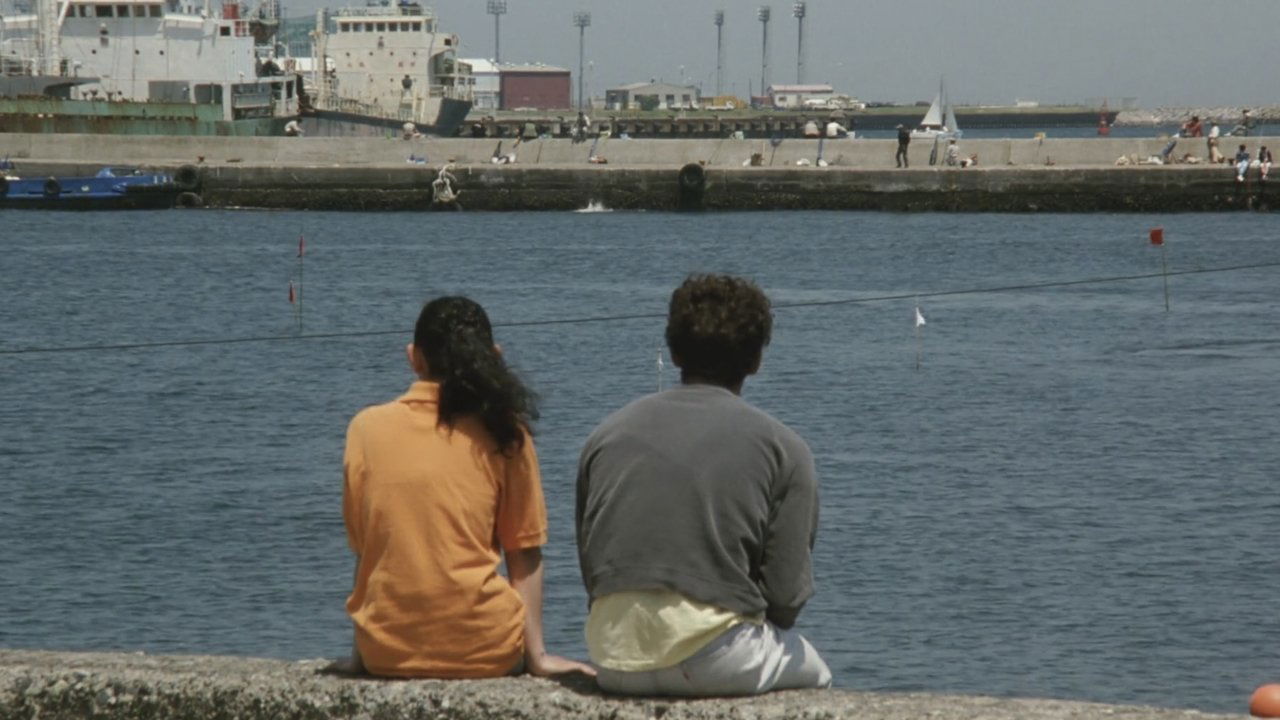
The film opens with a simple, almost accidental discovery. Shigeru (Claude Maki), a young, deaf garbage collector, finds a broken surfboard discarded amongst the refuse. Something clicks within him, an unspoken ambition takes root. With quiet determination, he patches it up and heads to the sea. Accompanying him, always just a few steps behind, is Takako (Hiroko Oshima), his girlfriend, also deaf. Their world is one without spoken words, yet Kitano crafts a universe brimming with communication. Their relationship unfolds through shared glances, subtle gestures, the comfortable rhythm of walking together, and Takako's unwavering, observant presence as Shigeru teaches himself to ride the waves. It's a testament to the profound connection humans can forge beyond language.
A Different Beat Takeshi
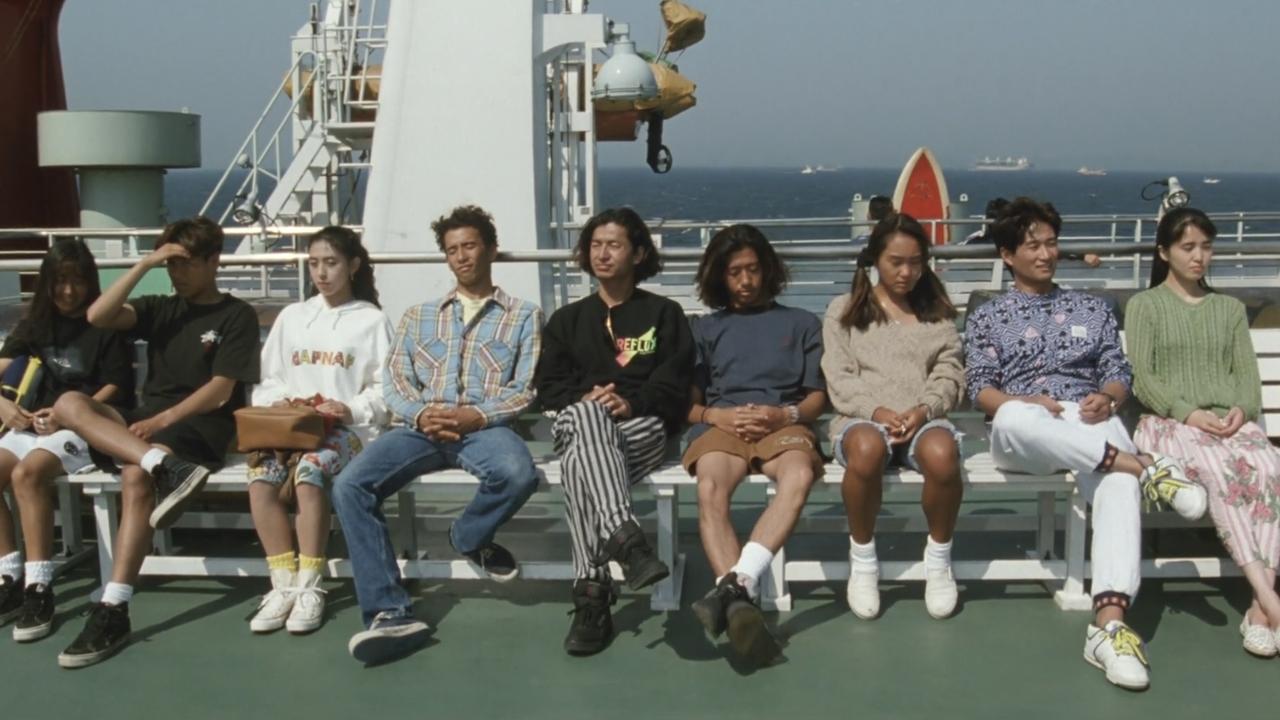
For those who primarily knew Takeshi Kitano ("Beat Takeshi") in the late 80s and early 90s for his stoic, ultra-violent gangster roles and directorial efforts, A Scene at the Sea must have felt like a revelation, or perhaps even a curveball. This was only his third film as director, and it marked a significant departure. Gone were the sudden bursts of brutality, replaced by long, meditative takes, a painterly eye for composition, and a deep empathy for its marginalized protagonists. It's said Kitano wanted to explore a different facet of storytelling, proving his range beyond the crime genre that had initially defined him. He achieves this beautifully, letting the coastal landscapes and the vastness of the ocean breathe, becoming characters in their own right. The film reportedly came together relatively quickly, shot on location with a naturalism that feels utterly authentic.
More Than Words Can Say
The performances from Claude Maki and Hiroko Oshima are nothing short of remarkable. Neither were established actors, lending an unvarnished honesty to their portrayals. Maki conveys Shigeru's stubborn focus, his frustrations, and his quiet joys with incredible subtlety. His determination is palpable, even when faced with the initial derision of the local surfing crowd. Oshima is the film's silent heart; her expressive eyes convey a universe of love, concern, patience, and quiet pride. Their interactions feel incredibly real – the way she meticulously folds his clothes on the beach, the slight shifts in her posture reflecting her mood, the way they simply are together. It’s a masterclass in conveying deep emotion through presence and gesture alone. Watching them, you realize just how much can be said without uttering a single syllable. Doesn't it make you reconsider the very nature of communication?
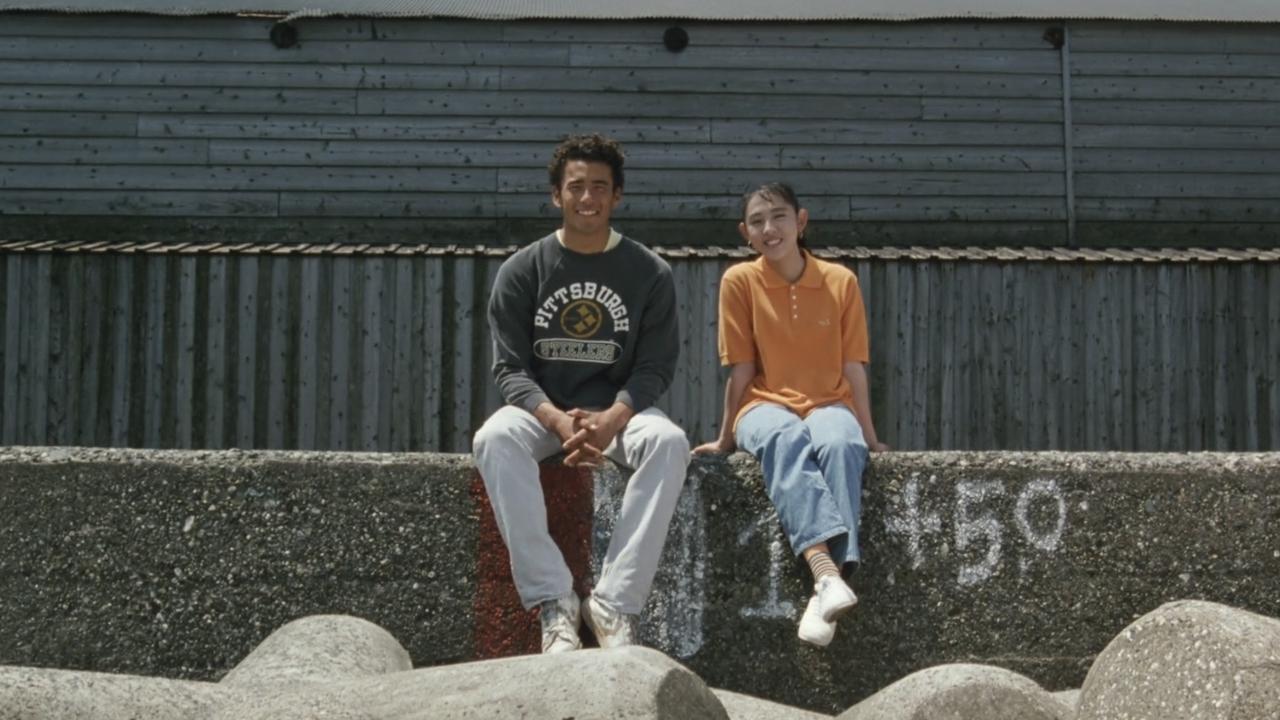
Supporting characters, like the initially skeptical but ultimately supportive surf shop owner played by Sabu Kawahara (now a notable director himself), add gentle texture to the narrative. They represent the gradual acceptance Shigeru finds within this niche community, a journey from outsider to participant, achieved through sheer persistence.
The Unforgettable Melody of the Waves
One cannot discuss A Scene at the Sea without highlighting the contribution of composer Joe Hisaishi. His score, which would become instantly recognizable and associated with Kitano's gentler works (like Kikujiro later in the decade), is utterly essential here. The main theme, melancholic yet hopeful, weaves through the film like a recurring wave, amplifying the unspoken emotions on screen. It perfectly captures the bittersweet tone, the feeling of transient beauty, and the underlying vulnerability of the characters. In a film with so little dialogue, Hisaishi's music becomes the primary voice of emotion, speaking volumes where words cannot. It’s one of those soundtracks that instantly transports you back to the film's specific, unique atmosphere – I remember that melody echoing long after the tape finished rewinding in my VCR back in the day.
Echoes on the Sand
The film unfolds with a gentle, cyclical rhythm. We see Shigeru practice, fall, improve. We see Takako watch, wait, support. Seasons change subtly. Competitions come and go. Kitano avoids conventional narrative arcs, opting instead for an observational style that feels like watching moments of life unfold. There’s a quiet dignity in Shigeru’s pursuit, not for glory, but seemingly for the simple act of mastering something, of finding a connection with the powerful, indifferent sea.
(Gentle Spoiler Warning Ahead)
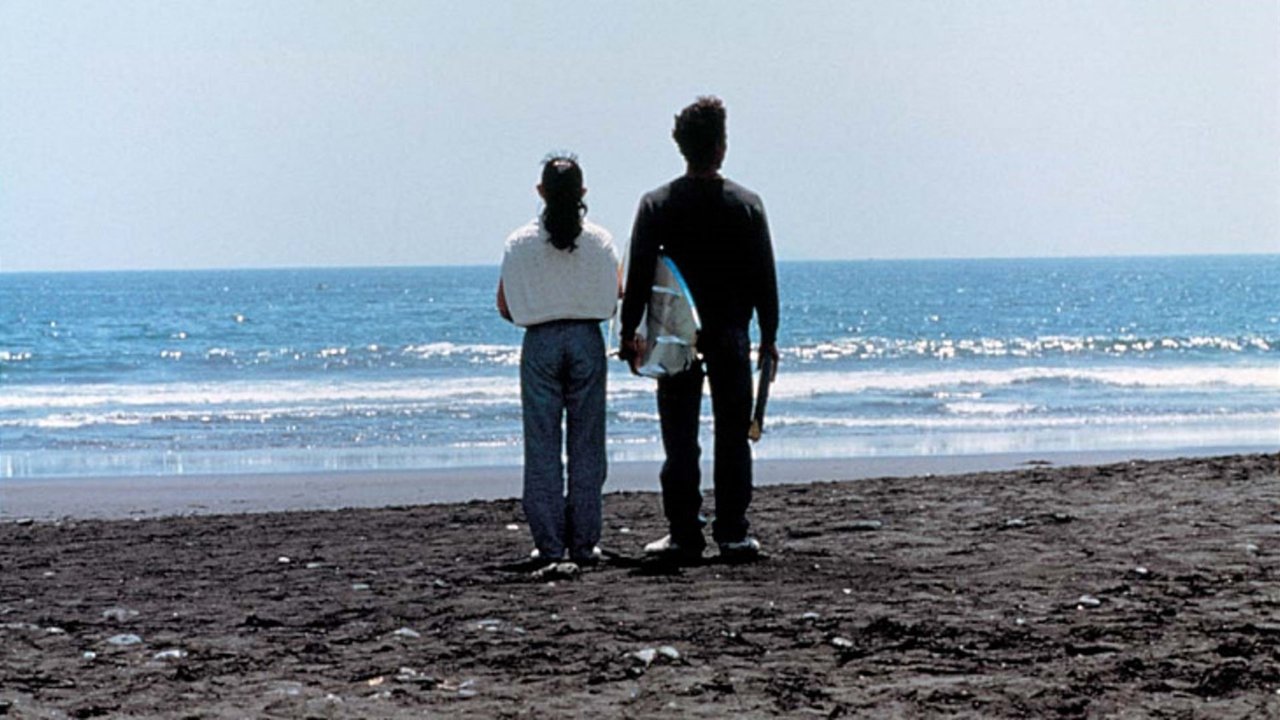
The film's conclusion is famously abrupt, poignant, and heartbreakingly beautiful. It avoids easy sentimentality, leaving the viewer with a profound sense of loss, but also a lingering appreciation for the quiet moments of connection and perseverance we witnessed. The final shots, particularly Takako’s actions, are devastatingly effective and speak volumes about memory, love, and the indelible marks people leave on each other's lives. What lingers most, perhaps, is the quiet strength found in their shared journey, even in the face of life's unpredictable currents.
---
Rating: 9/10
A Scene at the Sea earns this high mark for its masterful minimalism, its deeply affecting performances that transcend language, Takeshi Kitano's assured and unexpectedly tender direction, and Joe Hisaishi's unforgettable score. It’s a film that doesn’t shout, but whispers directly to the soul. Its quiet power and visual poetry demonstrate storytelling at its most pure and resonant.
It’s a reminder, tucked away perhaps on a dusty shelf next to louder action flicks, that some of the most enduring cinematic experiences are the ones that allow silence to speak, leaving you contemplating the beauty and fragility of connection long after the credits roll. A true gem from the era, demanding patience but rewarding it immeasurably.